When Did Emergency Trunk Releases Become Mandatory
Emergency trunk releases became mandatory in the United States in the early 2000s as part of federal vehicle safety regulations. These releases are now a required car safety feature in all passenger vehicles sold in the country. The rule was introduced to prevent trunk entrapment accidents, especially involving children. Understanding when and why this regulation came about helps car owners appreciate the importance of this life-saving feature. This guide covers the full history, regulations, and practical tips for trunk safety.
Have you ever wondered about the emergency trunk release in your car? That small handle or lever inside the trunk might seem like a minor detail. But it has a powerful purpose. It can save lives. The story of how this feature became a standard part of every car is fascinating. It involves safety advocates, tragic accidents, and determined lawmakers.
In this article, we will explore the full history of emergency trunk releases. We will look at the regulations that made them mandatory. We will also discuss how they work and why they matter. Whether you drive a new car or an older model, this information is essential for every vehicle owner.
The trunk release mechanism is more than just a legal requirement. It is a critical car safety feature that every driver should understand. Let us dive into the details and learn everything you need to know about this important vehicle safety component.
Key Takeaways
- Federal Mandate: Emergency trunk releases became mandatory in the U.S. under federal motor vehicle safety standards in the early 2000s.
- Life-Saving Feature: These releases prevent trunk entrapment, especially for children who may climb into trunks accidentally.
- Glow-in-the-Dark Design: Many modern releases feature glow-in-the-dark handles for easy location in low light.
- State Variations: While federal law sets the baseline, some states have additional requirements for vehicle safety compliance.
- Regular Maintenance: Keeping your trunk release mechanism clean and functional is essential for ongoing safety.
- Older Vehicles: Cars manufactured before the mandate may lack this feature, so aftermarket solutions are available.
📑 Table of Contents
- What Are Emergency Trunk Releases?
- The History of Trunk Safety Regulations
- When Did Emergency Trunk Releases Become Mandatory?
- How Emergency Trunk Releases Work
- Why Emergency Trunk Releases Matter
- Common Problems with Trunk Release Mechanisms
- Quick Tips for Trunk Safety
- Common Mistakes Vehicle Owners Make
- Comparison: Vehicles With and Without Emergency Trunk Releases
- Key Takeaways
- Conclusion
What Are Emergency Trunk Releases?
An emergency trunk release is a handle or lever located inside the trunk compartment. It allows anyone trapped inside to open the trunk from the inside. This feature is especially important in situations where the trunk lid cannot be opened from the outside.
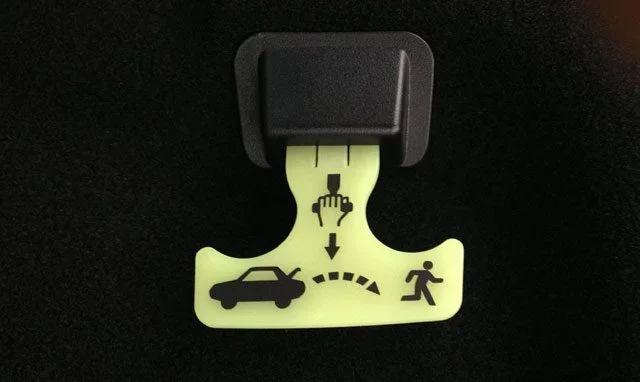
Most trunk release handles are located near the trunk latch. They are usually a bright-colored lever or a glow-in-the-dark handle. The design makes them easy to find even in dark conditions. Some vehicles also include a rear trunk release that can be pulled from the back seat area.
How Do They Work?
The trunk latch mechanism is connected to the release handle through a cable or linkage system. When you pull the handle, it releases the latch. This allows the trunk lid to pop open. The mechanism is simple but effective. It does not require any special tools or knowledge to operate.
Modern vehicles often feature a glow-in-the-dark trunk release. This makes the handle visible in low-light situations. The glow strip or phosphorescent coating charges from ambient light. It then glows in the dark, making the handle easy to locate.
The History of Trunk Safety Regulations
For decades, cars were manufactured without any way to open the trunk from the inside. This posed a serious safety risk. Children, in particular, were at danger of trunk entrapment. They might climb into a trunk while playing hide-and-seek or exploring a vehicle. Once inside, they had no way to escape.
Early Vehicle Design and Safety Gaps
In the early days of automobile manufacturing, vehicle safety standards were far less developed. Car makers focused on engine performance and aesthetics. Safety features like seat belts and airbags came much later. The trunk lock mechanism was designed primarily for security, not for occupant safety.
Trunk entrapment incidents began drawing public attention in the 1990s. Several tragic accidents involving children trapped in car trunks sparked national concern. Safety advocates pushed for changes. They argued that every vehicle should have a way for occupants to escape from the trunk.
The Push for Mandatory Releases
The movement to require emergency trunk releases gained momentum in the late 1990s. Organizations like the National Highway Traffic Safety Administration (NHTSA) began studying the issue. They collected data on trunk entrapment injuries and fatalities. The findings were alarming.
According to NHTSA data, several children died each year from trunk entrapment. The victims were often young children who had climbed into an unlocked trunk while playing. The lack of an internal release mechanism meant they could not escape. These tragic incidents created urgent pressure for regulatory action.
Safety advocates worked closely with lawmakers to draft new regulations. The goal was clear: every passenger vehicle should include a trunk escape mechanism. This would give trapped occupants a way to get out safely.
When Did Emergency Trunk Releases Become Mandatory?
The answer to this question depends on where you live and when your vehicle was manufactured. Federal regulations in the United States set the standard for all new vehicles sold in the country. Let us look at the timeline in detail.
Federal Regulations Timeline
In 2001, the NHTSA finalized a rule requiring emergency trunk releases in all new passenger vehicles. This rule became part of the Federal Motor Vehicle Safety Standards (FMVSS). The regulation required that every new car sold in the U.S. include an interior trunk release handle.
The rule took effect for the 2002 model year. This means any car manufactured for the 2002 model year or later must have a trunk release. The regulation applied to all passenger cars, SUVs, vans, and light trucks.
Before this mandate, many car manufacturers voluntarily included trunk releases in their vehicles. However, it was not required by law. This left a significant gap in vehicle safety compliance. The mandate closed that gap and set a new standard for automotive safety mandates.
State-Level Requirements
While federal law sets the baseline, some states have adopted additional requirements. These state-level regulations may include stricter vehicle safety compliance standards. They may also require annual safety inspections that include trunk release checks.
It is important to check your local laws. Some states have specific rules about trunk safety compliance. These rules may apply to both new and used vehicles. Always make sure your vehicle meets all applicable safety requirements in your area.
How Emergency Trunk Releases Work
Understanding how a trunk release mechanism works can help you appreciate its importance. The system is designed to be simple and reliable. Even a child should be able to operate it. Let us break down the key components.
Internal Release Mechanisms
The most common type of emergency trunk release is a lever or handle located inside the trunk. It is usually near the trunk lid or latch. When you pull the handle, it releases the latch mechanism. The trunk lid then pops open.
Some vehicles feature a rear trunk release that can be accessed from the back seat. This is especially useful in SUVs and station wagons where the rear seats fold down. The release cable connects the handle to the trunk latch. Pulling the handle pulls the cable, which releases the latch.
Glow-in-the-Dark Features
Many modern vehicles include a glow-in-the-dark trunk release. This feature uses phosphorescent material on the handle. The material absorbs light during the day. It then emits a soft glow in dark conditions. This makes the handle easy to find even in a completely dark trunk.
The glow-in-the-dark feature is a significant safety improvement. In an emergency, visibility is critical. A glowing handle ensures that trapped occupants can find the release quickly. This simple design feature has saved many lives.
Electric and Power Release Systems
Some newer vehicles feature electric trunk release systems. These systems use a button or switch to open the trunk electronically. While these are convenient, they also include a manual release as a backup. The manual release ensures that the trunk can always be opened, even if the electrical system fails.
Why Emergency Trunk Releases Matter
The importance of emergency trunk releases cannot be overstated. These features are not just regulatory checkboxes. They are genuine life-saving devices. Let us look at the key reasons why they matter so much.
Child Safety in Vehicles
Children are naturally curious. They love to explore and play. A car trunk can seem like an exciting hiding spot to a young child. But it can also be extremely dangerous. A trunk is a sealed compartment with limited air supply. A child trapped inside can face serious harm within minutes.
The emergency trunk release provides a critical escape route. Even if a child cannot reach the outside handle, they can pull the inside release. This simple feature can mean the difference between life and death. It is one of the most important child safety in vehicles features available.
Accident Scenarios
Trunk entrapment can happen in various situations. A person may accidentally get trapped after a car accident. The trunk may lock due to damage or impact. In these cases, the trunk escape mechanism provides a way out.
There have been real cases where emergency trunk releases saved lives. Drivers and passengers who were trapped after collisions were able to escape through the trunk. These stories highlight the vital importance of this safety feature.
Preventing Trunk Entrapment
Trunk entrapment prevention is a key goal of the mandatory release requirement. The NHTSA and other safety organizations continue to promote awareness about trunk safety. They encourage parents to teach children about the dangers of playing in and around cars.
Here are some practical tips for trunk entrapment prevention:
- Always keep your car locked when parked.
- Teach children that the trunk is not a play area.
- Show children where the emergency trunk release is located.
- Keep rear seats folded down or locked when children are around.
- Check that your trunk release mechanism works properly.
Common Problems with Trunk Release Mechanisms
While emergency trunk releases are designed to be reliable, they can sometimes malfunction. Understanding common problems helps you stay proactive about maintenance. Here are the most frequent issues vehicle owners face.
Malfunctioning Release Handles
The most common problem is a stuck or broken trunk release handle. Over time, the cable or linkage can wear out. Dirt and debris can also accumulate in the mechanism. This can make the handle difficult or impossible to operate.
If your trunk release handle feels loose or does not work, get it checked immediately. A malfunctioning release is a serious safety concern. Have a qualified mechanic inspect the mechanism and replace any worn parts.
Broken Release Cables
The cable that connects the handle to the latch can break over time. This is especially common in older vehicles. A broken cable means the handle will not release the latch. The trunk will remain stuck from the inside.
Replacing a trunk release cable is usually a straightforward repair. Most mechanics can do it quickly and affordably. Regular inspection of the cable can help prevent unexpected failures.
Corrosion and Rust
In areas with harsh winters or coastal climates, corrosion can affect the trunk release mechanism. Salt and moisture can cause the cable and linkage to rust. This can make the release stiff or non-functional.
To prevent corrosion, keep your trunk clean and dry. Apply a light lubricant to the cable and linkage periodically. This simple maintenance step can extend the life of your trunk release mechanism significantly.
Expert Insight
Automotive safety experts recommend checking your trunk release mechanism at least twice a year. A quick pull test can confirm that the release is working properly. If you notice any stiffness or resistance, have it inspected by a professional immediately. This small habit can make a big difference in an emergency situation.
Quick Tips for Trunk Safety
Here are some practical tips to keep your trunk release mechanism in top condition:
- Test the release monthly. Simply pull the handle to make sure it operates smoothly.
- Keep the trunk clean. Remove debris that could interfere with the mechanism.
- Lubricate the cable. Use a silicone-based lubricant on the release cable every six months.
- Check the glow strip. If your vehicle has a glow-in-the-dark handle, make sure the glow strip is intact.
- Teach your family. Make sure everyone in your household knows where the trunk release is and how to use it.
- Inspect after accidents. If your vehicle is involved in a collision, have the trunk mechanism checked as part of your post-accident inspection.
- Consider aftermarket solutions. If your older vehicle lacks a trunk release, install an aftermarket trunk release kit. These are affordable and easy to install.
Common Mistakes Vehicle Owners Make
Avoid these common mistakes to ensure your trunk release stays functional:
- Ignoring warning signs. If the handle feels stiff or loose, do not ignore it. Get it checked right away.
- Assuming older vehicles are safe. Vehicles made before 2002 may not have a trunk release. Do not assume your older car has this feature.
- Not teaching children. Many parents forget to show their kids where the trunk release is. This knowledge could save a child’s life.
- Using the trunk for storage. Storing heavy items in the trunk can put pressure on the release mechanism. Keep the trunk clear of heavy objects.
- Skipping regular maintenance. Like any car safety feature, the trunk release needs regular attention to stay functional.
Comparison: Vehicles With and Without Emergency Trunk Releases
| Feature | Vehicles With Release | Vehicles Without Release |
|---|---|---|
| Internal trunk handle | Yes | No |
| Glow-in-the-dark handle | Common in modern vehicles | Not available |
| Compliance with FMVSS | Yes (2002+ models) | No (pre-2002 models) |
| Trunk entrapment risk | Low | High |
| Aftermarket retrofit available | Not needed | Yes, recommended |
| Child safety rating | Higher | Lower |
The comparison clearly shows the advantage of having a trunk escape mechanism in every vehicle. If you drive an older vehicle without this feature, consider installing an aftermarket kit. The cost is minimal compared to the safety benefit.
Key Takeaways
- Mandatory Since 2002: Emergency trunk releases became mandatory in the U.S. for the 2002 model year under federal safety standards.
- Life-Saving Design: The trunk release handle provides a critical escape route for anyone trapped in the trunk.
- Glow-in-the-Dark Feature: Modern releases often include glow-in-the-dark handles for visibility in dark conditions.
- Child Safety: These releases are especially important for preventing child trunk entrapment accidents.
- Regular Maintenance: Testing and maintaining your trunk release ensures it works when you need it most.
- Older Vehicles: Pre-2002 vehicles may lack this feature. Aftermarket kits are available and affordable.
- Regulatory History: The mandate was driven by tragic accidents and the dedicated work of safety advocates and the NHTSA.
Conclusion
The question of when emergency trunk releases became mandatory has a clear answer. The federal mandate took effect for the 2002 model year. Since then, every new passenger vehicle sold in the United States has been required to include a trunk release mechanism. This regulation has saved countless lives and prevented many tragedies.
Understanding your vehicle’s trunk safety features is essential for every driver and passenger. Take a moment to locate your trunk release handle. Make sure it works properly. Teach your family members, especially children, how to use it. These simple steps can make a life-saving difference.
The history of emergency trunk releases is a powerful reminder of how safety regulations can protect us. What started as a response to tragic accidents has become a standard feature in every car on the road. By staying informed and proactive, you can ensure that your vehicle is as safe as possible for everyone inside.
Take action today. Check your trunk release. Share this information with others. Together, we can promote trunk entrapment prevention and keep our families safe on the road.
Frequently Asked Questions
Can you still get stuck in a trunk without an emergency release?
Yes, vehicles manufactured before 2002 may not have an internal trunk release. This means anyone trapped inside has no way to open the trunk from the inside. If you drive an older vehicle, consider installing an aftermarket trunk release kit to improve safety.
Are all vehicles required to have an emergency trunk release?
In the United States, all new passenger vehicles sold since the 2002 model year must have an emergency trunk release. This requirement is part of the Federal Motor Vehicle Safety Standards. However, older vehicles and some imported vehicles may not have this feature.
How does a glow-in-the-dark trunk release work?
A glow-in-the-dark trunk release uses phosphorescent material on the handle. This material absorbs light from the environment during the day. It then emits a soft glow in dark or low-light conditions. This makes the release handle easy to find inside a dark trunk.
What should I do if my trunk release handle is broken?
If your trunk release handle is broken or not working, have it repaired immediately. A malfunctioning release is a serious safety concern. Take your vehicle to a qualified mechanic or dealership. They can inspect the cable, linkage, and latch mechanism and replace any damaged parts.
Are there any exceptions to the emergency trunk release requirement?
The federal mandate applies to all new passenger vehicles sold in the U.S. Some exceptions may exist for certain specialty vehicles or commercial trucks. However, the vast majority of passenger cars, SUVs, vans, and light trucks must comply with the trunk safety compliance regulations set by the NHTSA.
How often should I check my trunk release mechanism?
Automotive safety experts recommend checking your trunk release mechanism at least twice a year. A simple pull test can confirm that the handle operates smoothly. If you notice any stiffness, resistance, or looseness, have the mechanism inspected by a professional right away.