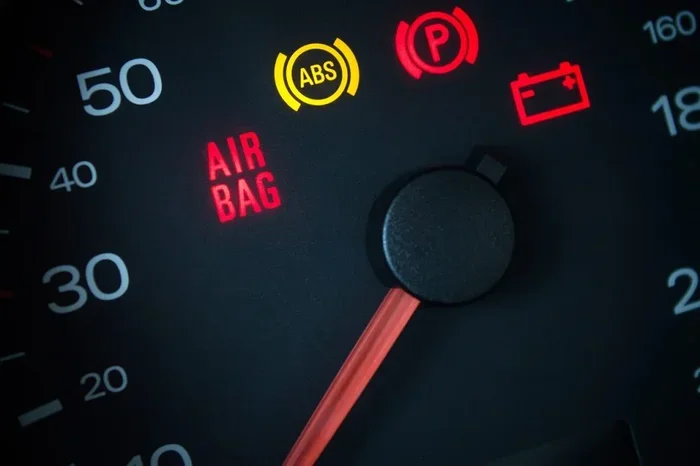
Where Do I Go If My Airbag Light Is On And What To Do
If your airbag light is on, don’t ignore it. Your car’s safety system has detected a problem that could prevent airbags from deploying in a crash. This guide covers exactly where to go, what causes the light, and how to fix it affordably and safely.
You’re driving down the road, and then you see it. A bright yellow or red light on your dashboard shaped like a person sitting in a seat with a circle in front of them. That’s your airbag light, and it’s telling you something is wrong with your car’s passenger safety system.
So, where do I go if my airbag light is on? The short answer is: you go to a mechanic, a dealership, or you grab an OBD scanner and start diagnosing the issue yourself. But the full answer is a lot more detailed than that, and it could save your life. Your airbag system is one of the most important safety features in your vehicle. When it fails, you lose a critical layer of protection in a crash.
This guide will walk you through everything you need to know. We’ll cover the common causes, where to get help, how much repairs cost, and what steps to take right now. Let’s dive in.
Key Takeaways
- Don’t drive without fixing it: A lit airbag light means your safety system may not work in a crash.
- Start with a diagnostic scan: An OBD-II scanner or a mechanic can read the error codes fast.
- Common causes are often simple: Loose seat belt plugs, blown fuses, or faulty sensors are the usual suspects.
- Cost varies widely: Fixes range from $20 for a fuse to $1,000+ for module replacement.
- Never DIY airbag work: Improper handling can cause accidental deployment or serious injury.
- Reset after repair: Once fixed, the light needs to be cleared with proper tools or software.
📑 Table of Contents
- What Does the Airbag Light Mean?
- Where Should You Go First?
- How Mechanics Diagnose Airbag Light Issues
- Common Causes and How to Fix Them
- How Much Does It Cost to Fix?
- Quick Tips to Prevent Airbag Light Issues
- Common Mistakes People Make with the Airbag Light
- Expert Insights on Airbag Safety
- When to Replace Rather Than Repair
- Final Thoughts
What Does the Airbag Light Mean?
The airbag warning light is part of your car’s Supplemental Restraint System, also known as the SRS. When this light stays on, it means the system has detected a fault and has likely disabled the airbags. In a crash, they may not deploy. That’s a serious safety risk.
Here are the most common reasons the light comes on:
- Loose or damaged seat belt connector: Under your seat, there’s a plug that connects the seat belt sensor. If it wiggles loose, the light turns on.
- Faulty crash sensor: These sensors detect sudden deceleration. If one fails, the system thinks there may be a problem even when there isn’t a crash.
- Clock spring failure: This is the spiral cable under your steering wheel that keeps the airbag connected. It wears out over time.
- Low battery voltage: A weak car battery can trick the system into thinking there’s a fault.
- Previous crash or deployment: If your airbags ever deployed, the system needs a full reset.
- Water damage: Moisture under the seats can corrode sensors and wiring.
- Faulty seat occupancy sensor: This sensor detects whether someone is sitting in the passenger seat.
Each of these issues triggers a specific error code in the airbag control unit. The only way to know which one is causing your problem is to run a diagnostic scan.
Where Should You Go First?
When you see that airbag light on dashboard, timing matters. Here’s where you should go and what each option offers.
1. Your Local Auto Parts Store
Many auto parts stores like AutoZone or O’Reilly offer free diagnostic scanning. They can plug an OBD-II scanner into your car and pull up the error codes. This is a great first step because it costs nothing. You’ll know exactly what’s triggering the light.
However, they usually can’t perform the repair for you. They’ll give you the codes and point you in the right direction.
2. A Trusted Independent Mechanic
An independent mechanic is often your best bet for airbag repair. They typically charge less than a dealership, and many have experience with SRS light issues. Look for a shop that specializes in electrical or dashboard diagnostics.
Pro tip: Ask if the shop has an SRS-specific scanner. Not all OBD-II tools can read airbag codes. You need a scanner that supports the SRS or airbag protocol.
3. The Car Dealership
If your car is still under warranty, the dealership is the place to go. They have factory tools, trained technicians, and access to your vehicle’s service history. The downside? Dealership labor rates are often the highest. A simple fix can cost significantly more here than at an independent shop.
4. DIY with an OBD-II Scanner
If you’re handy and want to save money, you can buy or rent an OBD-II scanner. These devices plug into the diagnostic port under your steering column. They read the error codes and sometimes even clear them. Just remember that clearing the code without fixing the actual problem won’t solve anything. The light will come back.
5. Specialty Airbag Shops
In some areas, there are shops that specialize in airbag module reset and SRS repair. These shops can often reset your airbag control unit after a crash or replace faulty components at a lower cost than a dealership.
How Mechanics Diagnose Airbag Light Issues
When you bring your car in, the mechanic will follow a systematic process. Here’s what to expect:
- Plug in the scanner: The tech connects an SRS-compatible scanner to the diagnostic port.
- Read the codes: The scanner pulls up stored error codes from the airbag module. Each code points to a specific circuit, sensor, or component.
- Visual inspection: The mechanic will look for obvious issues like corroded connectors, damaged wiring, or loose plugs under the seats.
- Test the circuits: Using a multimeter, they test the continuity and resistance of the crash sensor wiring and connectors.
- Check the clock spring: The steering column clock spring gets tested to ensure the airbag circuit is intact.
- Clear and test drive: After repairs, the codes are cleared and the car is test-driven to confirm the light stays off.
This process usually takes between 30 minutes and two hours, depending on the complexity of the issue.
Common Causes and How to Fix Them
Not all airbag light issues are expensive. Some are surprisingly simple and cheap to fix. Let’s break down the most common causes.
Loose Seat Belt Plug
This is the number one cause of a lit airbag warning light. Under your front seats, there’s a small electrical plug that connects to the seat belt buckle sensor. Over time, it can wiggle loose. To fix it, simply unplug it, check for corrosion, and plug it back in firmly. In many cases, the light will turn off immediately.
Blown Fuse
Your car has a dedicated airbag fuse in the fuse box. If this fuse blows, the entire system loses power and the light comes on. Check your owner’s manual to locate the fuse. Replacing it costs just a few dollars. If the new fuse blows again, there’s a deeper electrical issue that needs attention.
Clock Spring Wear
The clock spring is a spiral ribbon cable under your steering wheel. It allows the steering wheel airbag to stay connected even when you turn the wheel. Over time, it can wear out or break. Symptoms include a flashing SRS light and a non-functional horn. Replacing a clock spring typically costs between $150 and $300 including labor.
Crash Sensor Failure
Crash sensors are located in different spots depending on your vehicle. Some are in the front bumper, others are near the firewall. When a sensor fails, it sends a false signal to the airbag control unit. Replacement usually costs between $100 and $300 per sensor.
Previous Accident or Water Damage
If your car was in a minor accident or experienced flooding, the airbag module may store crash data even if the airbags didn’t deploy. In this case, the module needs to be professionally reset or replaced. This is one of the more costly repairs, often running between $300 and $1,000.
How Much Does It Cost to Fix?
The cost to fix your airbag light depends entirely on the root cause. Here’s a rough breakdown:
| Repair | Average Cost |
|---|---|
| Loose seat belt plug | Free (DIY) |
| Blown fuse replacement | $5 – $20 |
| Clock spring replacement | $150 – $350 |
| Crash sensor replacement | $100 – $300 |
| Seat belt buckle sensor | $100 – $250 |
| Airbag module reset | $150 – $400 |
| Full airbag module replacement | $500 – $1,200 |
| Dealership diagnostic fee | $75 – $150 |
Keep in mind that these are estimates. Prices vary by location, vehicle model, and the severity of the issue. Always ask for a diagnostic fee upfront before any work begins.
Quick Tips to Prevent Airbag Light Issues
You can’t prevent every airbag system problem, but you can reduce the risk with these simple habits:
- Don’t spill liquids under your seats: Water and moisture corrode connectors and sensors fast.
- Buckle up every time: The seat belt sensor needs a proper click to register correctly.
- Avoid modifying your seat: Aftermarket seat covers or seat modifications can disrupt the occupancy sensor.
- Replace your battery when it weakens: A dying battery can cause voltage drops that trigger the light.
- Get annual diagnostics: A quick scan once a year can catch small issues before they become big problems.
Common Mistakes People Make with the Airbag Light
There are a few mistakes that make the problem worse or put you at risk. Avoid these at all costs.
Ignoring the Light
The biggest mistake is doing nothing. A lit airbag light means your crashworthiness is compromised. In a collision, your airbags may not deploy. That’s not worth the risk.
Trying to DIY Airbag Repairs
Never attempt to disconnect, remove, or repair the airbag module or wiring yourself. Airbags contain explosive charges. Improper handling can cause accidental deployment, which can cause serious injury or death. Leave this work to trained professionals.
Clearing the Code Without Fixing the Problem
Some people use a scanner to clear the code and hide the light. But if the underlying issue isn’t fixed, the light will come back. Worse, the airbag system remains disabled, putting you at risk every time you drive.
Delaying the Repair
Every day you drive with the light on, you’re traveling without full protection. The fix might be simple and affordable. The longer you wait, the more damage a minor issue can cause.
Expert Insights on Airbag Safety
According to the National Highway Traffic Safety Administration, airbags have saved over 50,000 lives since their introduction. They work best when combined with seat belts. A functioning airbag deployment system can reduce the risk of serious head injury by up to 30 percent.
Automotive safety expert Mark Barnes, a certified SRS technician with over 20 years of experience, puts it simply: “The airbag light is your car telling you it can’t protect you in a crash. Never ignore it. Get it checked immediately.”
If you’ve recently been in an accident, even a minor one, get your system scanned. The crash sensor may have recorded impact data that needs to be cleared. A professional reset ensures your system is ready for the next event.
When to Replace Rather Than Repair
Sometimes the airbag module is too damaged to repair. This is common after a significant collision. Here’s how to know when replacement makes more sense:
- The module has been physically damaged or submerged in water.
- The crash data cannot be cleared or reset.
- Multiple components in the system have failed at once.
- The repair cost exceeds 50 percent of the module’s replacement cost.
In these cases, replacing the module is the safer and more reliable choice. You can also buy a refurbished or remanufactured unit, which is significantly cheaper than a brand-new one from the dealer.
Final Thoughts
So, where do I go if my airbag light is on? Now you know the answer. You can start with a free scan at an auto parts store, visit an independent mechanic, or head to the dealership if your car is still under warranty. The key is to act quickly. Your airbag system is one of the most important safety features in your vehicle, and a lit light means it’s not working properly.
Don’t let the yellow or red light on your dashboard become something you forget about. Take it seriously. Get it diagnosed. Get it fixed. The few dollars and hours you invest now could save your life or the lives of your passengers one day.
Drive safe, stay proactive, and never ignore your car’s warning signs. Your airbag light is trying to tell you something important. Listen to it.
Frequently Asked Questions
Can I drive my car with the airbag light on?
You can, but it’s not safe. With the airbag system disabled, you and your passengers won’t have airbag protection in a crash. If the light is on, get the issue diagnosed and fixed as soon as possible.
How much does it cost to fix an airbag light?
Costs range from free for a loose plug to over $1,000 for a full module replacement. Most common fixes fall between $50 and $300. Getting a proper diagnosis first helps you know exactly what you’re dealing with.
Will the airbag light turn off by itself?
In rare cases, a loose connection might cause the light to flicker and turn off. But if the light stays on for more than a few ignition cycles, there’s a persistent issue that needs professional attention.
Can a low car battery cause the airbag light to come on?
Yes. A weak or dying battery can cause voltage drops that trick the SRS into thinking there’s a fault. If you’ve noticed other electrical issues along with the airbag light, your battery might be the culprit.
Is it safe to clear the airbag code with a scanner?
Clearing the code is safe, but only if the underlying problem has been fixed. If you clear the code without repairing the issue, the light will return. Always diagnose and fix the problem first.
How long does an airbag system diagnosis take?
A professional diagnosis usually takes between 30 minutes and two hours. Simple issues like loose connectors can be identified quickly, while complex electrical problems may take longer to trace.
=== CONCLUSION ===
Your car’s airbag system is designed to protect you when it matters most. When the airbag light comes on, that protection is compromised. Now you know exactly where to go if your airbag light is on and what steps to take. Start with a diagnostic scan, visit a trusted mechanic, and don’t delay the repair. Stay safe, stay informed, and always take your car’s warning lights seriously.