Where Is the Emergency Trunk Release Located in Your Car
Knowing where the emergency trunk release is located in your car can save your life in an emergency. Every vehicle has a built-in safety feature designed to help you escape from the trunk if you ever get trapped inside. Whether you drive a sedan, SUV, or minivan, this mechanism is required by law in most countries. In this guide, we will show you exactly where to find it in different car models. You will also learn how to use it, common problems that can occur, and tips to keep it working properly.
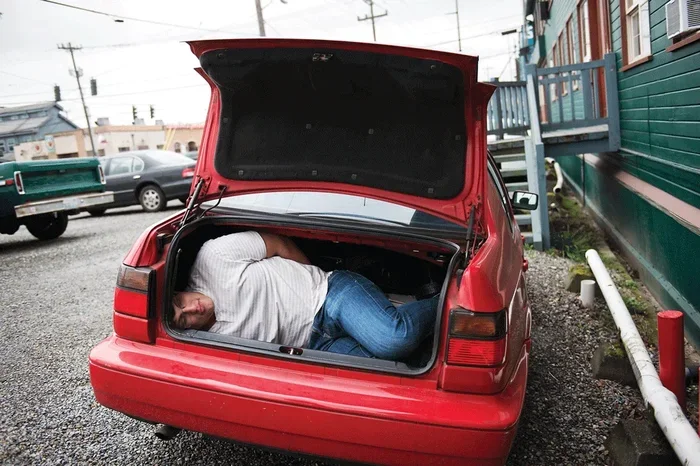
Have you ever wondered what would happen if you got trapped inside your car trunk? It is a scary thought, but it can happen to anyone. Maybe you were loading groceries, maybe you were playing a prank, or maybe you were involved in an accident. Whatever the reason, the good news is that every modern car comes with a built-in safety feature designed to help you get out. This feature is called the emergency trunk release. It is a simple mechanism, but it can make all the difference in a life-or-death situation. Today, we are going to talk about exactly where is the emergency trunk release located in your car.
Many people drive their vehicles for years without ever thinking about this safety feature. They assume they will never need it. But being prepared is always better than being caught off guard. Understanding how your trunk release works, where it is, and how to maintain it gives you peace of mind. It also keeps your family safer on the road. Let us dive into everything you need to know about this important car safety feature.
Key Takeaways
- Every car has an emergency trunk release: It is a legal requirement in most regions to include this safety feature in all vehicles.
- The release is usually inside the trunk lid: Most vehicles place a glowing handle or lever on the inside of the trunk door.
- Some cars have a rear seat release: Certain models let you access the trunk through the rear seat fold-down mechanism.
- Electric releases can fail: Battery issues or broken cables can prevent the release from working, so knowing manual alternatives matters.
- Regular maintenance keeps it functional: Simple checks and cleaning can prevent a stuck trunk release when you need it most.
- Children need extra safety measures: Child safety locks and trunk release education are important for family vehicles.
📑 Table of Contents
- Why Knowing Your Emergency Trunk Release Matters
- Where Is the Emergency Trunk Release Located in Different Car Models
- How to Use the Emergency Trunk Release Safely
- Common Problems with Trunk Release Mechanisms
- Tips to Keep Your Trunk Release Working Properly
- When to Seek Professional Help for Trunk Issues
- Emergency Trunk Release Laws and Regulations
- Comparing Emergency Trunk Release Types Across Vehicle Brands
- Final Thoughts on Your Emergency Trunk Release
Why Knowing Your Emergency Trunk Release Matters
You might be thinking, “Why do I need to know this?” It is a fair question. The truth is that trunk entrapment happens more often than you might think. Children are especially at risk because they love to play hide-and-seek. A quiet moment in a parked car can turn dangerous very quickly. The interior of a trunk is not designed for breathing over a long period. Temperatures can rise fast, and oxygen levels drop. This is why every vehicle manufacturer includes an emergency trunk release as a standard safety feature.
Beyond children, adults can also find themselves trapped. Car accidents can bend doors shut or damage external trunk openers. In such cases, the emergency trunk release becomes your only way out. Knowing where it is and how it works ahead of time means you will not have to panic and search for it in the dark or under stress. Preparation is your best friend when it comes to car safety.
The Science Behind Trunk Entrapment Dangers
When a trunk is sealed shut, the air inside becomes limited. A person trapped inside can breathe through their clothing for only so long. Carbon dioxide builds up quickly. Heat from the sun can raise the temperature inside a trunk to over 100 degrees Fahrenheit within minutes. These are not hypothetical dangers. They are real risks that the emergency trunk release was designed to prevent. Federal regulations in the United States have required this feature since 2001. Many other countries followed suit with similar laws.
Where Is the Emergency Trunk Release Located in Different Car Models
Now let us get to the main question. Where is the emergency trunk release located in your specific car? The answer depends on your vehicle make, model, and year. However, most cars follow a similar design pattern. Let us break it down by vehicle type.
Sedans and Coupes
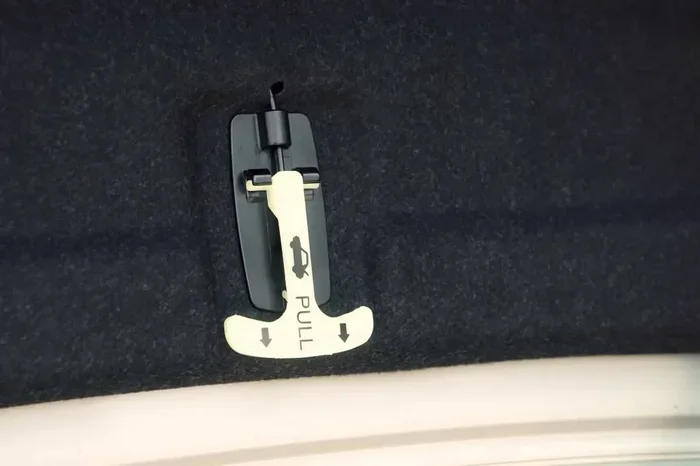
In most sedans and coupes, the emergency trunk release is located on the inside of the trunk lid. You need to open the trunk first to see it. Look at the trunk lid from the inside. There is usually a glow-in-the-dark handle or a small lever near the top of the lid. This handle is connected to a latch mechanism that releases the trunk when pulled. In many Toyota, Honda, and Ford sedans, this handle is a bright orange or green strip that glows in the dark. This design helps you find it even without a light source.
Some older sedan models may have a cable-style release instead of a handle. This cable runs from the trunk interior to a lever near the driver or passenger seat. If your car has this type, you will need to pull the cable from inside the cabin. Check your owner manual to confirm which type your vehicle has.
SUVs and Crossovers
SUVs and crossovers often have a slightly different setup. The emergency trunk release in these vehicles is usually found in one of two places. First, it may be on the inside of the trunk lid, just like sedans. Second, many SUVs have a rear seat release that lets you fold down the rear seats to access the trunk from inside the cabin. This is especially helpful because you do not need to be inside the trunk itself to escape.
Popular SUV brands like Chevrolet, Ford, and Honda often include both a trunk lid release and a rear seat fold-down option. This gives you multiple escape routes, which adds an extra layer of safety. If you own an SUV, check both locations so you are fully prepared.
Minivans and Hatchbacks
Minivans and hatchbacks tend to have the most accessible emergency trunk release designs. Because the rear seats fold down completely, the trunk area is more open and reachable. The release handle in these vehicles is usually very easy to spot. It is often a large, brightly colored lever on the trunk lid or on the ceiling area of the trunk space. Some minivans from manufacturers like Chrysler and Toyota even have a glow-in-the-dark strip that runs along the top edge of the trunk lid.
Electric and Luxury Vehicles
Electric vehicles and luxury cars sometimes have electronic trunk release systems. These vehicles may use a button or touch-sensitive panel instead of a traditional handle. The emergency trunk release in these cars is still present, but it may be hidden behind a small panel or cover. Tesla vehicles, for example, have a trunk release that can be activated through the touchscreen. However, there is also a mechanical release as a backup. Always check your specific vehicle manual to understand how the electronic release works in your car.
Older Vehicles and Classic Cars
If you drive an older or classic car, the emergency trunk release may not be present. Vehicles manufactured before the early 2000s may not have this safety feature. In such cases, you can install an aftermarket trunk release kit. These kits are affordable and easy to install. They typically include a handle and cable that you mount inside the trunk lid. This upgrade can make a big difference in safety, especially if you use your classic car for family trips.
How to Use the Emergency Trunk Release Safely
Knowing where the release is located is only half the battle. You also need to know how to use it properly. Let us walk through the steps.
First, if you are trapped in the trunk, stay calm. Panic will waste your oxygen and energy. Take a deep breath and feel around the trunk lid. Run your hands along the top edge of the lid. You are looking for a handle, lever, or bright strip. Most emergency release handles glow in the dark, so even in a pitch-black trunk, you should be able to feel or see it.
Once you find the handle, pull it firmly. You should hear a clicking sound, and the trunk lid will pop open slightly. Push the lid up to fully open it. If you are outside the car and trying to help someone trapped inside, locate the release from the outside first. Some vehicles allow you to access the trunk release by folding down the rear seats.
Tips for Teaching Children About Trunk Safety
It is a great idea to teach your children about the emergency trunk release from an early age. Show them where it is and explain what it does. Make it a simple, non-scary lesson. You can even practice opening the trunk from the inside during a calm moment. When children know how to use the release, they feel more confident and less scared if they ever find themselves trapped. Keep the trunk release lesson part of your regular car safety talks with your kids.
What to Do If the Release Handle Is Hard to Find
Some vehicles hide the release handle behind a trim piece or a small cover. If you cannot find it, feel along the edges of the trunk lid carefully. Run your fingers along the top and sides. Look for a small indentation or a recessed area. In some models, you may need to press a button near the handle to reveal it. If you still cannot find it, check your owner manual. The manual will have a diagram showing the exact location of the emergency trunk release for your specific model.
Common Problems with Trunk Release Mechanisms
Like any mechanical part in your car, the trunk release can develop problems over time. Being aware of these issues helps you address them before you need the release in an emergency.
Stuck or Jammed Release Handle
The most common problem is a stuck or jammed handle. Dirt, dust, and grime can build up around the release mechanism over time. This buildup can make the handle stiff or hard to pull. If you notice that your trunk release feels tight or does not move smoothly, it is time to clean and lubricate it. A simple spray of silicone lubricant on the handle and cable can fix this problem quickly.
Broken Release Cable
Some vehicles use a cable system to connect the release handle to the trunk latch. Over time, this cable can stretch, fray, or break entirely. A broken cable means the handle will not open the trunk. You may notice a loose or spongy feel when you pull the handle. If this happens, the cable needs to be replaced. This is a relatively inexpensive repair that a mechanic can do in under an hour.
Electrical Failways in Electronic Releases
For vehicles with electronic or button-operated releases, electrical failures are a common issue. A dead car battery, a blown fuse, or a faulty wiring connection can prevent the electronic release from working. This is why it is important to know if your vehicle also has a manual backup release. Always test your electronic trunk release periodically to make sure it is functioning correctly.
Child Safety Locks Interfering with Access
If you have child safety locks activated on your rear doors, they can sometimes make it harder to access the trunk from inside the cabin. Make sure you understand how your vehicle’s child lock system interacts with the trunk release. In an emergency, you may need to disable the child locks temporarily to reach the trunk from the rear seats.
Tips to Keep Your Trunk Release Working Properly
Maintenance is the key to making sure your emergency trunk release works when you need it most. Here are some simple tips to keep it in great shape.
- Test the release monthly: Open your trunk and pull the release handle once a month. This keeps the mechanism loose and responsive.
- Clean the handle area regularly: Wipe down the release handle with a damp cloth to remove dirt and grime buildup.
- Lubricate moving parts: Apply a small amount of silicone spray to the handle and any visible cables every few months.
- Check the fuse box: For electronic releases, inspect the related fuse during regular car maintenance checks.
- Read your owner manual: Familiarize yourself with the specific trunk release design for your vehicle model.
- Replace worn parts promptly: If you notice any fraying, stiffness, or looseness, address it immediately with a professional mechanic.
Taking these small steps can save you a lot of trouble down the road. A well-maintained trunk release mechanism is a reliable safety feature that you can count on.
When to Seek Professional Help for Trunk Issues
Some trunk release problems are simple enough to handle on your own. But others require professional attention. If you notice any of the following signs, it is time to visit a mechanic.
- The release handle feels completely stuck and will not move at all.
- You hear a grinding or snapping sound when you pull the handle.
- The trunk lid opens partially but does not fully release.
- The electronic release does not respond even after replacing the battery.
- You see visible damage to the release cable or latch mechanism.
A professional mechanic can diagnose the problem accurately and fix it safely. Trying to repair a complex trunk latch system on your own can sometimes cause more damage. It is always better to let an expert handle it, especially if the issue involves electrical components.
Emergency Trunk Release Laws and Regulations
Trunk release requirements vary by country and region. In the United States, the National Highway Traffic Safety Administration (NHTSA) mandated interior trunk releases on all new vehicles starting in 2001. The European Union has similar regulations under its vehicle safety directives. Canada, Australia, and Japan also require emergency trunk releases in new vehicles.
These laws were put in place after numerous incidents of trunk entrapment, particularly involving children. The regulations ensure that every vehicle sold has a reliable way for occupants to escape from the trunk. If you own an older vehicle that predates these regulations, consider installing an aftermarket release kit. It is a small investment that significantly improves your vehicle’s safety profile.
Comparing Emergency Trunk Release Types Across Vehicle Brands
| Vehicle Brand | Release Type | Location | Glow-in-Dark Feature |
|---|---|---|---|
| Toyota | Handle or Lever | Inside trunk lid, top edge | Yes, most models |
| Honda | Handle or Cable | Inside trunk lid | Yes, on most models |
| Ford | Handle or Button | Inside trunk lid or rear seat area | Yes, on newer models |
| Chevrolet | Handle or Rear Seat Release | Trunk lid and rear seat fold-down | Yes, on most models |
| Tesla | Electronic Button | Touchscreen and manual backup | Yes, manual backup handle |
| BMW | Lever or E-Key Release | Inside trunk lid | Yes, on newer models |
As you can see from the table above, most brands use a handle-based system, but the location and additional features can vary. Always check your specific vehicle to confirm the exact setup. The best resource is always your vehicle owner manual, which will have detailed diagrams and instructions for your model.
Final Thoughts on Your Emergency Trunk Release
We have covered a lot of ground in this guide. You now know where is the emergency trunk release located in different types of vehicles. You understand how to use it safely and what to do if it malfunctions. You also know how to keep it maintained and when to seek professional help. This knowledge is not just for passing a test or impressing friends. It is real, practical information that can protect you and your family.
Take a few minutes today to locate the emergency trunk release in your own vehicle. Open your trunk, feel around the lid, and find the handle or lever. Familiarize yourself with how it works. Then share this knowledge with your family members, especially children. Safety is a team effort, and every small step you take makes a big difference.
Your car is one of the most important tools in your daily life. It gets you to work, to school, to family gatherings, and to adventures. But it is also a machine, and machines can have problems. Being prepared for those problems is what separates a responsible driver from an unaware one. The emergency trunk release is one of the simplest yet most important safety features in your vehicle. Know where it is. Know how to use it. And keep it in good working order.
Stay safe on the road, and never underestimate the value of being prepared. Your future self will thank you for taking the time to learn about this essential car safety feature today.
Frequently Asked Questions
Can I install an emergency trunk release in an older car?
Yes, you can. Aftermarket trunk release kits are widely available and easy to install. They typically include a handle and cable that mount inside the trunk lid. This is a great upgrade for older vehicles that were manufactured before the 2001 federal requirement.
Why does my emergency trunk release glow in the dark?
The glow-in-the-dark feature is designed to help you find the release in a dark trunk. If you are trapped inside, visibility is very limited. The glowing handle or strip makes it easy to locate the release even without a light source.
What should I do if the trunk release handle breaks?
If the handle breaks, you have a few options. First, check if your vehicle has a cable-style release that can be accessed from the cabin. Second, try folding down the rear seats to reach the trunk from inside. Third, contact a mechanic to repair or replace the release mechanism.
Is the emergency trunk release the same as the remote trunk open button?
No, they are different. The remote trunk open button is used to open the trunk from outside the car using your key fob. The emergency trunk release is an interior mechanism designed specifically for escaping from inside the trunk.
How often should I test my trunk release?
It is a good practice to test your trunk release once a month. This ensures the mechanism stays loose and responsive. Regular testing also helps you spot problems early before they become serious issues.
Are there any legal requirements for emergency trunk releases?
Yes, in the United States, the NHTSA requires all new vehicles to have an interior trunk release. Similar regulations exist in the European Union, Canada, Australia, and Japan. These laws apply to new vehicles sold in those regions.
=== CONCLUSION ===
Understanding where is the emergency trunk release located in your car is one of the simplest yet most valuable things you can do as a driver or car owner. This safety feature is designed to protect you and your loved ones in an emergency. Take the time to locate it, learn how it works, and keep it well-maintained. Share this knowledge with your family so everyone in the household is prepared. A few minutes of attention today can make all the difference when it matters most.