Throttle Position Sensor Recalibration After Replacement
The throttle position sensor does often need recalibration or a reset after replacement to ensure accurate readings and smooth engine performance. Whether your vehicle uses a traditional cable throttle or electronic drive-by-wire system, a proper TPS recalibration helps the ECU learn the new sensor’s baseline. Skipping this step can lead to rough idle, stalling, and poor acceleration that frustrate any driver.
You just replaced your throttle position sensor. Maybe the old one was failing, causing rough idle or hesitation. Maybe the check engine light kept flashing and you were done chasing the problem. Whatever the reason, you swapped out the TPS sensor and now you are wondering — do you need to recalibrate it?
The short answer is yes, in most cases. But the full answer depends on your vehicle, the type of throttle system it uses, and what kind of recalibration the process requires. Throttle position sensor recalibration after replacement is not always a complicated ordeal, but skipping it can leave you with a long list of frustrating drivability issues.
In this guide, we will walk through everything you need to know. We will cover why recalibration matters, how different systems handle it, and exactly what steps you should follow. By the end, you will feel confident about handling this process yourself or knowing what to expect at the shop.
Key Takeaways
- Recalibration matters: Most vehicles benefit from a TPS reset after a new sensor is installed to restore proper throttle response and engine performance.
- Symptoms of a bad reset: Rough idle, stalling, check engine light, and hesitation during acceleration are common signs the sensor was not recalibrated correctly.
- Drive-by-wire systems need special attention: Electronic throttle bodies often require a full ECU relearn procedure that goes beyond a simple sensor reset.
- You can do it yourself: Many recalibration steps are simple and can be completed at home with basic tools and a few minutes of time.
- Voltage checks are essential: Testing the TPS voltage before and after replacement confirms the new sensor is working within the correct range.
- Professional help is optional: While dealerships can perform recalibration, most independent shops and DIYers handle the process without specialized equipment.
📑 Table of Contents
- What Does the Throttle Position Sensor Do?
- Does the Throttle Position Sensor Need Recalibration After Replacement?
- How to Recalibrate the Throttle Position Sensor
- Common Mistakes During TPS Recalibration
- How to Verify the Recalibration Was Successful
- When to Seek Professional Help
- Cost Considerations for TPS Recalibration
- Preventing Future TPS Problems
- Final Thoughts on Throttle Position Sensor Recalibration
What Does the Throttle Position Sensor Do?
Understanding the Role of the TPS in Your Engine
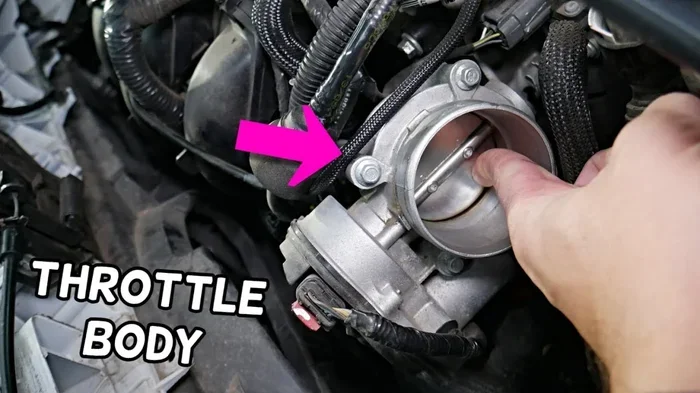
The throttle position sensor sits on or near the throttle body and monitors the position of the throttle plate. Think of the throttle plate as a gate that controls how much air enters the engine. When you press the accelerator pedal, the plate opens wider. When you lift off, it closes.
The TPS sends a voltage signal to the engine control unit, or ECU, based on where the throttle plate is at any given moment. The ECU uses this information to decide how much fuel to inject and when to adjust ignition timing. Without accurate TPS readings, the fuel injection system cannot deliver the right air-fuel mixture.
In older vehicles, the TPS was a simple three-wire sensor with a sliding contact on a resistive strip. Modern vehicles, especially those with electronic throttle control or drive-by-wire systems, use more advanced sensors that communicate with the ECU through digital signals.
Common Symptoms of a Failing TPS
Before you replace the sensor, you probably noticed some warning signs. These are the most common symptoms of a failing throttle position sensor:
- Rough idle — the engine shakes or surges when stopped
- Hesitation during acceleration — a delay or stumble when you press the gas
- Stalling — the engine dies unexpectedly, especially at low speeds
- Check engine light — the ECU detects an out-of-range signal and stores a fault code
- Poor fuel economy — the engine runs rich or lean due to incorrect throttle data
- Unpredictable idle speed — the RPMs jump up and down without input
If you experienced any of these, replacing the TPS was the right call. But installing a new sensor is only half the job. The ECU needs to recognize the new sensor’s signal profile, and that is where recalibration comes in.
Does the Throttle Position Sensor Need Recalibration After Replacement?
The Short Answer: It Depends on Your Vehicle
Some vehicles require a formal recalibration procedure after a TPS replacement. Others will relearn the new sensor automatically after a few key cycles. The answer depends on the make, model, year, and type of throttle control system your vehicle uses.
In general, vehicles with electronic throttle control or drive-by-wire systems almost always need a reset or relearn procedure. Traditional cable-operated throttles may or may not require recalibration, but doing so is still a good practice. The process is quick, and it costs nothing but a few minutes of your time.
Why Recalibration Is Necessary
When you install a new throttle position sensor, the ECU does not immediately know its baseline. The new sensor might have a slightly different voltage output curve than the old one. Even if the replacement part is an exact match, the ECU needs to update its internal lookup tables.
Without recalibration, the ECU may interpret the new sensor’s signals incorrectly. This can cause the engine to run too rich or too lean, trigger limp mode, or set new diagnostic trouble codes. A proper recalibration ensures the ECU and the new sensor are speaking the same language.
Think of it like this. If you replaced a camera lens, the camera would need to refocus. The new lens is not defective — it just needs to be calibrated to the system. The same principle applies to your TPS.
How the ECU Handles Sensor Learning
Modern ECUs have adaptive learning capabilities. When you start the engine, the computer monitors sensor inputs and makes small adjustments over time. This is called adaptive fuel trim and idle air control learning.
However, adaptive learning has limits. It can compensate for minor variations, but it cannot fully replace a proper calibration procedure for critical sensors like the TPS. The ECU needs a clear, defined baseline from the new sensor to function correctly.
Some vehicles use a closed-loop relearn process. This means the ECU continuously compares sensor inputs against expected values and adjusts until everything aligns. Other vehicles require a manual reset procedure that forces the ECU to clear its old sensor data and start fresh.
How to Recalibrate the Throttle Position Sensor
Step-by-Step Recalibration Process
The exact steps vary by vehicle, but here is a general process that works for most makes and models. Always consult your vehicle-specific service manual before starting.
- Disconnect the negative battery terminal. Wait at least 10 to 15 minutes. This drains residual power from the ECU and clears stored adaptive values.
- Install the new TPS sensor. Make sure it is securely mounted and the electrical connector is fully seated.
- Reconnect the battery. Do not start the engine yet.
- Turn the ignition to the ON position without starting. Wait for the dashboard warning lights to cycle off. This gives the ECU time to initialize.
- Start the engine and let it idle. Do not touch the accelerator pedal. Let the engine warm up to normal operating temperature.
- Perform a few gentle acceleration cycles. Press the pedal lightly and release. Repeat this several times to help the ECU map the new sensor’s signal range.
- Clear any stored diagnostic codes. Use an OBD-II scanner if available, or disconnect the battery again for a few minutes.
- Test drive the vehicle. Pay attention to idle quality, throttle response, and any warning lights.
Recalibration for Drive-by-Wire Systems
Drive-by-wire vehicles do not have a physical cable connecting the accelerator pedal to the throttle plate. Instead, an electronic motor controls the throttle based on inputs from both the accelerator pedal position sensor and the TPS.
These systems require a more involved relearn procedure. In many cases, you need to follow a specific key-on/key-off sequence or use a professional scan tool to initiate the throttle body relearn. Some manufacturers call this an idle air control relearn or an electronic throttle body initialization.
For example, many GM vehicles require you to turn the ignition on, wait 10 seconds, turn it off for 10 seconds, then repeat the cycle three times. Ford vehicles often require a specific idle relearn procedure after any throttle body work.
Using a Scan Tool for Recalibration
If you have access to an OBD-II scan tool or a more advanced diagnostic scanner, the recalibration process becomes much easier. Many modern scan tools have a dedicated throttle body relearn function built in.
You simply connect the scanner, select the relearn or initialization procedure, and follow the on-screen prompts. The scanner communicates directly with the ECU and guides the ECU through the learning process. This method is faster and more reliable than the manual battery disconnect method.
If you do not own a scan tool, most auto parts stores will let you borrow one for free. Some stores even offer complimentary code reading and basic relearn procedures.
Common Mistakes During TPS Recalibration
Skipping the Battery Disconnect
One of the most common mistakes is forgetting to disconnect the battery before starting the recalibration process. Without a full ECU reset, the computer may still reference old sensor values stored in its memory. This can prevent the ECU from fully accepting the new TPS signal profile.
Always wait the full 10 to 15 minutes after disconnecting the negative terminal. This ensures all adaptive values are cleared and the ECU is ready to start fresh.
Not Letting the Engine Idle Long Enough
After reconnecting the battery and starting the engine, many people immediately drive away. This is a mistake. The ECU needs time at idle to observe the new TPS readings and establish a baseline. Rushing this step can leave the sensor partially calibrated and cause issues down the road.
Let the engine idle for at least 5 to 10 minutes after the battery reconnect. Then perform the gentle acceleration cycles before driving normally.
Using an Incompatible Replacement Sensor
Not all TPS sensors are created equal. Even if a sensor fits physically, the voltage output curve and resistance values may differ. Using an incompatible sensor will cause recalibration problems no matter how carefully you follow the procedure.
Always verify that the replacement part matches your vehicle’s specifications. Check the part number against your owner’s manual or a trusted parts catalog. OEM parts from the manufacturer are the safest choice, but reputable aftermarket brands can also work well.
Ignoring Related Issues
Sometimes a failing TPS is a symptom of a larger problem, not the root cause. A dirty throttle body, a vacuum leak, or a faulty accelerator pedal position sensor can all mimic TPS failure symptoms.
Before replacing the TPS, have a professional inspect the entire throttle system. If you replace the sensor and the underlying issue remains, the new TPS will fail prematurely and you will be back at square one.
Forgetting to Clear Diagnostic Codes
After recalibration, the ECU may still store fault codes from the original problem. These codes can keep the check engine light on and prevent certain systems from operating normally.
Use an OBD-II scanner to clear all codes after the recalibration is complete. If the codes return immediately, there is likely still an underlying issue that needs to be addressed.
How to Verify the Recalibration Was Successful
Checking TPS Voltage with a Multimeter
The most reliable way to confirm recalibration success is to test the TPS voltage output with a digital multimeter. Here is what to look for:
- At idle (throttle closed): Voltage should be between 0.3 and 1.0 volts, depending on the vehicle
- At wide-open throttle: Voltage should rise smoothly to between 4.0 and 5.0 volts
- During the sweep: Voltage should increase gradually with no drops or spikes
If you see any dead spots, sudden voltage drops, or irregular readings, the sensor may not be seated correctly or the recalibration was not successful.
Observing Driving Behavior
After recalibration, pay close attention to how the vehicle drives for the first 50 to 100 miles. Signs of a successful recalibration include:
- Smooth, stable idle with no surging
- Immediate throttle response with no hesitation
- No check engine light or recurring fault codes
- Consistent fuel economy
- No stalling during normal driving
If any of these issues persist, you may need to repeat the recalibration process or investigate other components in the throttle system.
When to Seek Professional Help
Most throttle position sensor recalibrations are straightforward and can be done at home. However, there are situations where professional help is the better choice.
If your vehicle has a complex drive-by-wire system that requires a proprietary scan tool for recalibration, a dealership or qualified repair shop may be necessary. Similarly, if you have completed the recalibration but problems persist, a professional diagnostic session can uncover hidden issues that DIY methods cannot address.
Dealerships have access to manufacturer-specific calibration software that can perform a full TPS initialization in minutes. Independent shops with advanced diagnostic equipment can usually handle the job at a lower cost. The key is to choose a shop experienced with your specific vehicle platform.
Cost Considerations for TPS Recalibration
The good news is that recalibration itself typically costs nothing if you do it yourself. The only expense is your time. If you take the vehicle to a shop, the labor cost for a TPS recalibration is usually between $50 and $150, depending on the complexity of the procedure and your local rates.
Compare this to the cost of driving with an uncalibrated TPS. Poor fuel economy, rough running, and potential drivability issues can cost you much more in the long run. Investing a small amount of time or money in proper recalibration pays for itself quickly.
Preventing Future TPS Problems
Once your new throttle position sensor is calibrated and working properly, you want to keep it that way. Here are a few tips to extend the life of your TPS and prevent future issues:
- Keep the throttle body clean. Carbon buildup can restrict the throttle plate and put extra strain on the sensor. Clean the throttle body every 30,000 to 50,000 miles.
- Check the electrical connector regularly. Corrosion or loose connections can cause intermittent signal problems that mimic TPS failure.
- Address check engine lights promptly. Ignoring warning lights allows small problems to grow into bigger, more expensive issues.
- Use quality fuel. Clean fuel reduces carbon deposits throughout the intake system, including the throttle body and TPS.
- Follow the maintenance schedule. Regular inspections and timely replacements of worn components keep the entire engine management system running smoothly.
Taking these simple preventive steps can help your new TPS sensor last for the life of the vehicle and keep your engine running at its best.
Final Thoughts on Throttle Position Sensor Recalibration
To answer the original question directly: yes, the throttle position sensor typically needs recalibration after replacement. The process is not complicated, and in most cases, you can handle it yourself with basic tools and a little patience.
Throttle position sensor recalibration after replacement ensures that your ECU and your new sensor are working together seamlessly. It restores proper throttle response, smooth idle, and optimal fuel efficiency. Skipping this step may seem harmless at first, but it can lead to a cascade of drivability problems that are much harder to diagnose later.
Whether you drive a simple cable-throttle vehicle or a modern drive-by-wire car, taking the time to recalibrate your new TPS is one of the best things you can do for your engine. It is a small effort that delivers big results and gives you peace of mind every time you hit the road.
Frequently Asked Questions
Can I drive my car without recalibrating the throttle position sensor?
You can drive short distances, but it is not recommended. Without recalibration, the ECU may misinterpret throttle inputs, leading to rough idle, hesitation, and poor acceleration. Prolonged driving with an uncalibrated TPS can also trigger limp mode and cause additional drivetrain stress.
How long does throttle position sensor recalibration take?
The process typically takes 15 to 30 minutes for most vehicles. Drive-by-wire systems with a mandatory relearn procedure may take slightly longer, especially if you need to repeat key cycles. Using a scan tool can reduce the time significantly.
Will the check engine light go away after TPS recalibration?
If the original fault was caused by the old TPS, clearing the codes after recalibration should turn off the check engine light. However, if the light returns, there may be an underlying issue such as a wiring problem, vacuum leak, or another sensor fault that needs attention.
Do all vehicles require manual TPS recalibration after replacement?
No. Some vehicles automatically relearn the new sensor after a few key cycles and normal driving. However, performing a manual reset is still considered best practice, as it ensures the ECU starts with a clean slate and eliminates any ambiguity in the sensor learning process.
What tools do I need to recalibrate a throttle position sensor?
For most vehicles, you only need a basic set of wrenches, a digital multimeter, and access to the battery. A scan tool is helpful but not always required. For drive-by-wire systems that need a factory relearn procedure, a compatible diagnostic scanner is essential.
Can a dirty throttle body affect the new TPS sensor?
Absolutely. Carbon buildup on the throttle plate can restrict airflow and cause the TPS to read inaccurately. Cleaning the throttle body before installing the new sensor ensures the best possible results and helps the recalibration process go smoothly.
=== CONCLUSION ===
Throttle position sensor recalibration after replacement is a simple but essential step that many people overlook. Whether you handle it yourself or have a shop do it, the process protects your investment in the new sensor and keeps your engine running at its best. Follow the steps outlined in this guide, verify the results with a multimeter or test drive, and enjoy the smooth, responsive throttle performance you expect from a properly calibrated vehicle.