Do You Need an Oil Filter Wrench to Change Your Oil Filter
You might not always need an oil filter wrench to change your oil filter. Some filters are easy to twist off by hand, while others require a proper tool. This guide covers every situation so you can handle your next oil change with confidence.
Changing your oil is one of the simplest maintenance tasks you can do at home. But when it comes to removing the old filter, things can get tricky fast. You might find yourself standing in your garage wondering, “Do I really need an oil filter wrench for this?”
The short answer is: it depends. Some oil filters twist off with your bare hands. Others are so tight that you need a proper tool to get them loose. In this article, we will walk you through everything you need to know about oil filter wrenches. You will learn when you need one, what types are available, and how to change your filter without any hassle.
Whether you are a complete beginner or a seasoned DIYer, this guide has something for you. We will cover every scenario so you never feel stuck at the filter again.
Key Takeaways
- Not every oil filter needs a wrench: Many spin-on filters can be removed by hand once loose.
- Different wrench types exist: Strap wrenches, socket wrenches, and pliers all serve different needs.
- Canister filters often require tools: These are harder to reach and usually need a proper oil filter wrench.
- DIY oil changes save money: Knowing your tools helps you avoid trips to the mechanic.
- Safety matters: Always let the engine cool and use the right technique to avoid damage.
- Size matters: Matching your wrench to the filter size ensures a clean removal every time.
📑 Table of Contents
- What Is an Oil Filter Wrench?
- Do You Always Need an Oil Filter Wrench?
- Types of Oil Filters and How They Affect Removal
- How to Change Your Oil Filter Without a Wrench
- How to Choose the Right Oil Filter Wrench
- Common Mistakes People Make When Removing Oil Filters
- Expert Tips for a Smooth Oil Filter Change
- How Often Should You Change Your Oil Filter?
- Can You Reuse an Oil Filter?
- Final Thoughts
What Is an Oil Filter Wrench?
An oil filter wrench is a simple tool designed to help you remove your oil filter. It grips the filter housing or the filter itself and gives you the leverage needed to twist it loose. Think of it as a helper for those moments when your hands just are not enough.
These tools come in many shapes and sizes. The right one depends on your vehicle and the type of filter you have. Let us break down the most common types you will encounter.
Strap Oil Filter Wrench
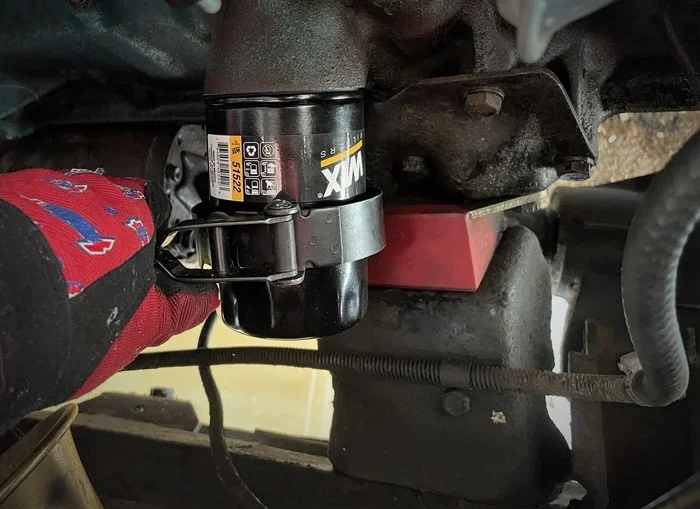
A strap wrench wraps around the filter and uses friction to hold it in place. You then twist the handle to loosen the filter. These are great because they fit many different filter sizes. They also do not scratch the filter housing, which is a big plus.
Socket Oil Filter Wrench
This type looks like a regular socket but has a deep cup shape. It fits over the top of the filter and grabs it from above. Socket wrenches are very common and work well in tight spaces. You can use them with a ratchet or a breaker bar for extra torque.
Plier-Style Oil Filter Wrench
Pliers-style wrenches have adjustable jaws that grip the filter from the side. They are compact and easy to store. However, they can sometimes slip if the filter is very tight. They work best on filters with a textured surface that the jaws can grip.
Chain-Style Oil Filter Wrench
Chain wraps around the filter like a belt and uses a handle to apply turning force. These are powerful and work well on stubborn filters. They are especially popular for canister-style oil filters that sit deep in the engine bay.
Do You Always Need an Oil Filter Wrench?
Here is the truth most people do not tell you. You do not always need a wrench to change your oil filter. Many spin-on filters can be removed by hand. After a few turns, they usually break free without any special tool at all.
But there are situations where a wrench becomes essential. Let us look at when you can go tool-free and when you should grab one.
When You Can Remove the Filter by Hand
Most modern spin-on oil filters are designed to be hand-tightened. When it is time to remove them, you can often just twist counterclockwise with your fingers. Here are a few signs that you can skip the wrench:
- The filter has not been on for very long.
- The filter feels loose when you try to twist it.
- You have a good grip and decent hand strength.
- The filter housing is easy to reach.
In these cases, an oil filter wrench is just a nice-to-have. You can save the tool for future jobs or skip it entirely.
When You Definitely Need a Wrench
Some oil filters are just too tight or too hard to reach. In these situations, trying to remove the filter by hand is frustrating and sometimes impossible. Here is when you should reach for your oil filter wrench:
- The filter has been on for a long time and has never been removed before.
- The filter is covered in grease or oil, making it hard to grip.
- The filter sits in a tight spot where your hand cannot fit.
- The filter housing is made of metal and is very snug.
- You are working on a canister-style filter that sits deep inside the engine.
If any of these sound familiar, an oil filter wrench will save you a lot of time and effort. Trying to force a stuck filter with your bare hands can also lead to injuries or damaged parts. Always use the right tool for the job.
Types of Oil Filters and How They Affect Removal
Not all oil filters are the same. The type of filter your vehicle uses plays a big role in whether you need a wrench. Let us explore the two main types.
Spin-On Oil Filters
Spin-on filters are the most common type found in passenger vehicles. They screw directly onto the engine block and are easy to access in most cases. Because they are exposed, you can usually reach them without any special tools.
Most spin-on filters can be removed by hand after they have loosened up a bit. However, if the filter has been on for thousands of miles, it may be very tight. In that case, a socket oil filter wrench works perfectly.
Canister Oil Filters
Canister filters are different. They sit inside a housing that is usually hidden deep in the engine bay. These filters are more common in European vehicles like BMW, Mercedes, and Audi. They often require an oil filter wrench to access and remove them.
With canister filters, you are usually dealing with a metal cap that holds the filter in place. This cap needs to be twisted off, and it can be extremely tight. A chain-style or strap-style oil filter wrench is often the best choice for this job.
How to Change Your Oil Filter Without a Wrench
If you find yourself without an oil filter wrench, do not panic. There are ways to remove the filter even without the proper tool. Here are some practical tips that actually work.
Method 1: Use a Rubber Glove for Grip
Put on a rubber glove or wrap the filter with a rubber band. This gives you extra friction and makes it easier to twist the filter loose. It is a simple trick that works surprisingly well for slightly tight filters.
Method 2: Use a Cloth or Towel
Wrap a thick cloth or old towel around the filter. This gives you something to grip onto and protects your hands from hot oil. Just make sure the cloth is not too bulky or it might slip off.
Method 3: Tap the Filter Gently
Sometimes a gentle tap with a rubber mallet can break the seal. Do not hit it hard. Just a light tap around the edge can loosen the filter enough for you to twist it by hand.
Method 4: Use a Belt or Strap
If you have a long belt or sturdy strap, you can loop it around the filter and use it as a makeshift strap wrench. Pull the ends of the belt in opposite directions to twist the filter counterclockwise. It is not perfect, but it works in a pinch.
Method 5: Let the Engine Cool Slightly
Wait about 10 to 15 minutes after turning off the engine. The oil will still be warm enough to help loosen the old gasket, but the filter will not burn your hands. This small wait can make a big difference when trying to remove the filter by hand.
How to Choose the Right Oil Filter Wrench
When you do decide to buy an oil filter wrench, picking the right one matters. The wrong size or type can damage your filter or make the job harder. Here is what you need to consider.
Check Your Filter Size
Oil filters come in different sizes. Common diameters include 2.5 inches, 3 inches, and 3.5 inches. Check your vehicle manual or look at the old filter to find the right size. Most oil filter wrenches are adjustable, but some are fixed-size and only work with specific filters.
Consider Your Vehicle Type
If you drive a standard sedan or truck, a basic socket wrench or strap wrench will do the job. If you drive a European car with a canister filter, look for a chain-style wrench that can reach deep into the engine bay.
Look for Adjustable Designs
An adjustable oil filter wrench is the most versatile option. It can fit multiple filter sizes, which means you only need one tool for your entire vehicle collection. They are affordable and easy to store in your garage.
Quality Matters
Do not buy the cheapest wrench you can find. A flimsy tool can slip and damage the filter housing. Look for wrenches made from durable materials like steel or reinforced aluminum. A good wrench will last you for years and make every oil change easier.
Common Mistakes People Make When Removing Oil Filters
Even experienced DIYers make mistakes when removing oil filters. Here are the most common errors and how to avoid them.
Forcing the Filter with Too Much Pressure
Never use excessive force to remove a stuck filter. This can break the filter housing or damage the engine block. If the filter will not budge, switch to a proper oil filter wrench instead of using brute strength.
Forgetting to Drain the Oil First
Always drain the old oil before trying to remove the filter. Oil inside the filter will spill everywhere and make a messy job even worse. Let the oil drain completely from the pan before you start working on the filter.
Removing the New Filter Without Lubricating the Gasket
When installing the new filter, put a little bit of fresh oil on the rubber gasket. This creates a better seal and makes the next removal easier. Skipping this step is one of the most common mistakes people make.
Over-Tightening the New Filter
Do not crank the new filter as tight as you can. Hand-tighten it until it is snug, then give it about three-quarters of a turn. Over-tightening can make the filter impossible to remove next time and can even crack the housing.
Using the Wrong Size Wrench
A wrench that is too big or too small can slip and scratch the filter housing. Always match your tool to the filter size. If you are unsure, bring the old filter to the auto parts store and ask them to help you find the right wrench.
Expert Tips for a Smooth Oil Filter Change
Here are some pro tips that will make your next oil change faster and easier.
- Warm up the engine for 2 to 3 minutes before draining. Warm oil flows better and helps loosen the old filter gasket.
- Place a large drip pan under the filter. The filter will still have oil inside, and you do not want that on your driveway.
- Take a photo of the old filter before removing it. This helps you remember how it was seated and makes installation easier.
- Keep an old toothbrush handy. Use it to clean any debris around the filter housing before installing the new filter.
- Always check the filter direction. Most filters have an arrow showing the oil flow direction. Make sure the arrow points toward the engine when you install the new filter.
- Dispose of the old filter properly. Take it to a recycling center or auto parts store. Used oil filters contain residual oil and should never go in the trash.
Following these simple tips will make your oil filter change cleaner, faster, and safer. You will also extend the life of your engine by ensuring the filter is installed correctly every time.
How Often Should You Change Your Oil Filter?
Most manufacturers recommend changing your oil filter every time you change your oil. For most vehicles, this means every 5,000 to 7,500 miles if you use conventional oil. If you use synthetic oil, you can stretch that interval to 7,500 to 10,000 miles.
However, these are general guidelines. If you drive in severe conditions like extreme heat, heavy traffic, or dusty roads, you should change your filter more often. A clogged oil filter can reduce oil flow to your engine and cause serious damage over time.
Keep track of your mileage and set a reminder on your phone. Staying on top of your oil filter changes is one of the best things you can do for your engine’s longevity.
Can You Reuse an Oil Filter?
No. You should never reuse an old oil filter. Once an oil filter has done its job, it is full of contaminants and metal particles. Reusing it means those contaminants will circulate through your engine again, which can cause wear and damage.
Always install a fresh oil filter whenever you change your oil. They are inexpensive compared to the cost of engine repairs. A new oil filter is a small investment that pays off in the long run.
Final Thoughts
So, do you need an oil filter wrench to change your oil filter? The answer is not a simple yes or no. For many vehicles, you can remove the filter by hand with a little patience. But for tight filters, canister setups, or filters that have been in place for a long time, an oil filter wrench is a must-have tool.
Having the right oil filter wrench in your garage makes every oil change easier and safer. It protects your hands, prevents damage to the filter housing, and saves you from frustrating standoffs with stubborn filters.
Now that you know the different types of wrenches, when to use them, and how to handle tricky situations, you are fully prepared for your next oil change. Grab your tools, get under the hood, and take pride in doing it yourself. Your engine will thank you for it.
Remember, a little preparation goes a long way. Keep an adjustable oil filter wrench in your toolbox, and you will never be caught off guard. Happy wrenching.
Frequently Asked Questions
Can I remove an oil filter without any tool at all?
Yes, in many cases you can remove a spin-on oil filter by hand. If the filter has been changed recently or is not overly tight, your fingers should be enough. Wear a rubber glove for extra grip and twist counterclockwise. If it does not budge, it is time to grab a proper oil filter wrench.
What is the best type of oil filter wrench for beginners?
A strap-style oil filter wrench is the best choice for beginners. It is easy to use, fits most filter sizes, and does not scratch the filter housing. You can find affordable options at any auto parts store, and they work great for both spin-on and canister filters.
How tight should I install a new oil filter?
Hand-tighten the new filter until it is snug, then give it about three-quarters of a turn. Do not over-tighten, as this can make the filter impossible to remove next time or crack the housing. A proper oil filter wrench can help you achieve the right tightness without guesswork.
Will a regular socket wrench work to remove an oil filter?
A regular deep socket can work for some spin-on oil filters, but it is not ideal. An oil filter wrench is specifically designed to grip the filter securely without slipping. If you do not have an oil filter wrench, a strap wrench or a pliers-style wrench from your local auto parts store will do the job in a pinch.
How do I know if my vehicle has a canister oil filter?
Check your vehicle owner manual. Canister filters are common in European vehicles like BMW, Audi, and Mercedes. They sit inside a housing deep in the engine bay and usually require an oil filter wrench to remove the housing cap. If you are unsure, ask a mechanic or look up your vehicle model online.
What should I do if the oil filter wrench slips and damages the filter?
If your oil filter wrench slips and damages the filter, do not try to force it further. You may need to use a different wrench type or take the vehicle to a professional mechanic. Damaged filters can leak oil and cause engine problems if not replaced properly. Always use the right size wrench and apply steady pressure.