How Do You Start the Hybrid Car With a Dead Battery
Starting a hybrid car with a dead battery is simpler than you think. You can use a jump pack, push-start method, or call roadside assistance to get back on the road. This guide walks you through every method, common warning signs, and how to prevent a dead hybrid battery in the future.
There is nothing worse than walking out to your car on a cold morning, turning the key, and hearing nothing. You press the start button. Nothing happens. If you drive a hybrid, you already know the situation can feel a little different from a regular car problem. That is because hybrid vehicles have two battery systems working together, and a dead battery can stop you in your tracks.
In this article, we will walk you through exactly how to start a hybrid car with a dead battery. We will cover every method you can try at home, on the roadside, or with a little help from a friend. We will also look at why hybrid batteries die, how to tell when your battery is failing, and what you can do to prevent it from happening again. Whether you drive a Toyota Prius, a Honda Civic Hybrid, or any other hybrid model, this guide has you covered.
Let us get you back on the road. We will keep things simple, practical, and easy to follow. No confusing jargon. No unnecessary fluff. Just clear, actionable steps that work.
Key Takeaways
- Hybrid cars use two battery systems: a 12-volt auxiliary battery and a high-voltage traction battery.
- You can jump-start a hybrid car using another vehicle or a portable jump pack, just like a regular car.
- Push-starting works for some hybrids but requires a manual or eCVT transmission.
- Common causes of a dead hybrid battery include leaving lights on, extreme temperatures, and aging.
- Prevention is key — regular maintenance keeps your hybrid battery healthy and reliable.
- Call a professional if the high-voltage battery is the problem, not just the 12V auxiliary battery.
- Keep a portable jump starter in your trunk as an emergency backup at all times.
📑 Table of Contents
- Why Does a Hybrid Car Battery Die?
- How to Start a Hybrid Car With a Dead Battery
- Common Signs Your Hybrid Battery Is Dying
- Preventing a Dead Hybrid Battery
- When to Call a Professional for Hybrid Battery Issues
- Hybrid Battery Maintenance Tips for Long Life
- Comparison: Hybrid Battery Types and Their Lifespan
- Key Takeaways
- Conclusion
Why Does a Hybrid Car Battery Die?
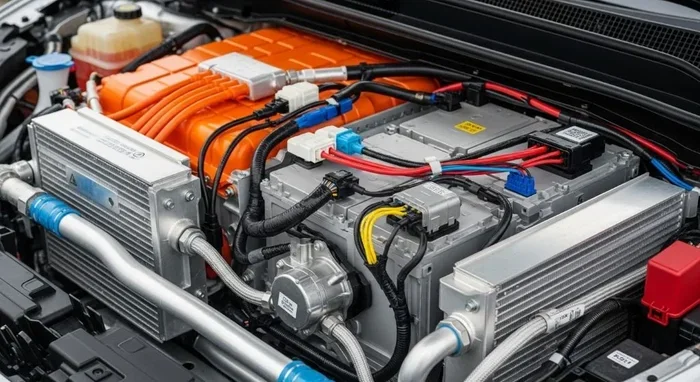
Before we dive into the solutions, it helps to understand why your hybrid car battery might die in the first place. Most hybrid cars have two separate battery systems. One is the 12-volt auxiliary battery, which powers the car computers, lights, and radio. The other is the high-voltage traction battery, which powers the electric motor and helps the gasoline engine.
When people say their hybrid battery is dead, they usually mean the 12-volt battery. The high-voltage battery rarely dies completely, but it can lose charge over time. Here are the most common reasons your hybrid battery might fail:
- Leaving lights or accessories on: This drains the 12V battery just like any other car.
- Extreme cold weather: Cold temperatures reduce battery capacity and make it harder to start the car.
- Extreme heat: Too much heat can damage battery cells over time.
- Old battery age: Most 12V hybrid batteries last three to five years before needing replacement.
- Parasitic drain: Some hybrid systems draw small amounts of power even when the car is off.
- Faulty alternator or inverter: These components charge the battery while driving. If they fail, the battery will not recharge.
- Short trips: Driving only short distances does not give the battery enough time to fully recharge.
Understanding the root cause helps you choose the right fix. If your 12-volt battery is dead, a simple jump-start usually solves the problem. If the high-voltage battery is failing, you need a different approach entirely.
How to Start a Hybrid Car With a Dead Battery
Now let us get to the good stuff. Here are the most effective methods to start your hybrid car when the battery is dead. Try them in order, starting with the easiest solution.
Method 1: Jump-Start Using Another Vehicle
This is the most common method and works just like jump-starting a regular gasoline car. You will need jumper cables and another vehicle with a working battery.
- Park the two cars close together but do not let them touch.
- Turn off both cars and engage the parking brakes.
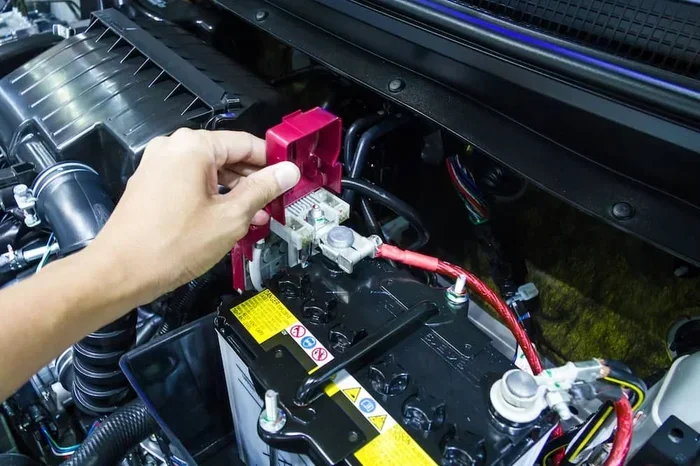
- Connect the red clamp to the positive terminal on your dead hybrid battery.
- Connect the other red clamp to the positive terminal on the working battery.
- Connect the black clamp to the negative terminal on the working battery.
- Connect the other black clamp to an unpainted metal surface on your hybrid car’s engine block.
- Start the working vehicle first and let it run for a few minutes.
- Try starting your hybrid car by pressing the power button.
- Once your car starts, carefully remove the cables in reverse order.
- Let your hybrid car run for at least 20 minutes to recharge the battery.
Important safety tip: Always check your owner’s manual before jump-starting. Some hybrid models have specific instructions or warnings about the high-voltage system. Never connect jumper cables to the orange high-voltage cables or components. Those carry dangerous voltage levels and should never be touched.
Method 2: Use a Portable Jump Starter
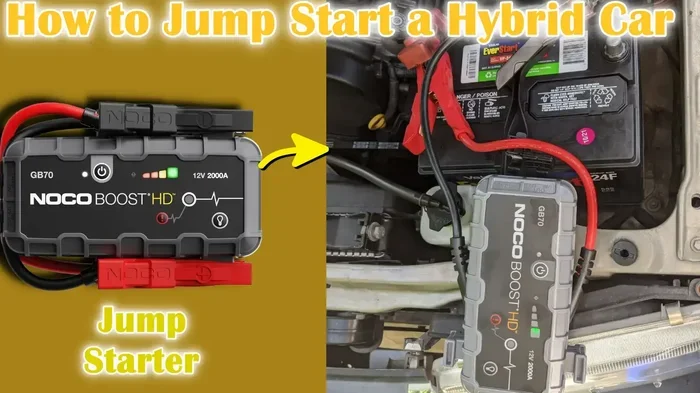
A portable jump starter is a small, battery-powered device you can keep in your trunk. It is one of the best emergency tools for any car owner, especially hybrid drivers. Here is how to use one:
- Turn off all accessories in your hybrid car.
- Connect the jump starter clamps to the 12-volt battery terminals (positive first, then negative).
- Turn on the jump starter and wait a few seconds.
- Press the hybrid power button to start the car.
- Once the car starts, disconnect the jump starter and let the engine run.
Portable jump starters are compact and easy to use. They do not require another vehicle, which makes them perfect for solo drivers. Look for a jump starter rated for at least 300 amps to ensure it works with your hybrid model.
Method 3: Push-Start the Hybrid Car
Push-starting works for some hybrids, but only if your car has a manual transmission or an eCVT that allows it. Automatic hybrids generally cannot be push-started safely. Here is the basic process:
- Turn the ignition to the “ON” position.
- Have a friend push the car or find a gentle downhill slope.
- Press the clutch pedal all the way down (for manual hybrids).
- Shift the car into second gear.
- Release the clutch quickly while the car is moving.
- The engine should turn over and start.
Note: Many modern hybrids use electronic continuously variable transmissions that do not allow push-starting. Always check your owner’s manual before attempting this method.
Method 4: Call Roadside Assistance
If none of the above methods work, or if you do not feel comfortable doing it yourself, call roadside assistance. Most insurance plans and auto clubs offer jump-start services. A professional technician will arrive with the right equipment and know exactly how to handle a hybrid vehicle safely.
When calling for help, mention that you drive a hybrid car. This ensures the technician brings the correct equipment. Hybrid vehicles have both a 12-volt system and a high-voltage system, and technicians need to know this to avoid accidents.
Common Signs Your Hybrid Battery Is Dying
Catching a failing battery early can save you from getting stranded. Here are the warning signs that your hybrid battery needs attention:
Dashboard Warning Lights
Most hybrids have a dedicated battery warning light on the dashboard. If you see a red or yellow battery icon, do not ignore it. Some models also display a “Check Hybrid System” message on the information screen. These lights mean the car’s computer has detected a problem with the battery or charging system.
Reduced Fuel Efficiency
One of the biggest benefits of driving a hybrid is excellent fuel economy. If you notice your gas mileage dropping significantly, the battery might not be holding a charge properly. A weak battery forces the gasoline engine to work harder, which burns more fuel.
Strange Noises
Listen for unusual sounds when you start the car or while driving. A clicking noise when you turn the key could mean a weak 12-volt battery. Grinding or whining sounds might point to a failing hybrid inverter or motor.
Car Won’t Start at All
This is the most obvious sign. If you press the power button and the car does not respond at all, the battery is likely dead. Sometimes the dashboard lights come on but the car will not crank. This still points to a dead 12-volt auxiliary battery.
Battery Age
If your hybrid car is more than four years old and you have not replaced the battery, it might be time for a check-up. Most 12-volt hybrid batteries last between three and five years. The high-voltage traction battery can last much longer, often 8 to 10 years or more.
Preventing a Dead Hybrid Battery
Prevention is always better than a cure. Here are simple steps you can take to keep your hybrid battery healthy and avoid getting stranded again.
Drive Your Hybrid Regularly
Hybrids are designed to be driven regularly. The charging system recharges the battery while you drive. If you leave your car sitting for weeks, the battery will slowly lose charge. Try to drive your hybrid at least once every few days, even if it is just a short trip around the block.
Turn Off Accessories When You Park
Make it a habit to check that your lights, radio, and climate control are off before you leave the car. Many hybrid cars have automatic shutoff features, but older models might not. A quick check can save you from a dead battery the next morning.
Keep the Battery Clean
Corrosion on battery terminals can prevent a good connection. Check the terminals periodically and clean them with a baking soda and water solution if you see any white or green buildup. A clean connection means better charging and more reliable starts.
Replace the Battery Before It Fails
If your hybrid battery is more than four years old, consider having it tested at a service center. Many auto parts stores offer free battery testing. Replacing a battery before it dies completely saves you from an unexpected breakdown.
Store Your Hybrid Properly in Winter
Cold weather is one of the biggest enemies of car batteries. If you live in a very cold climate, consider using a battery maintainer or trickle charger during the winter months. This keeps the 12-volt battery at full charge even when the car is not being driven.
When to Call a Professional for Hybrid Battery Issues
Not every hybrid battery problem can be solved with a jump-start or a DIY fix. Here are situations where you should call a professional technician right away:
- The high-voltage battery is the problem: If the high-voltage traction battery is failing, you need specialized tools and training to diagnose and repair it. This is not a job for a weekend mechanic.
- You see orange cables or smell burning: Orange cables in a hybrid indicate high-voltage wiring. If you smell something burning or see damaged cables, stay away and call for help immediately.
- The car still will not start after a jump: If you have successfully jump-started the car but it will not stay running, there might be a deeper electrical issue.
- Multiple warning lights are on: Several warning lights at once could indicate a serious problem with the hybrid powertrain or inverter.
- You are unsure about any step: Hybrid vehicles carry high voltage that can be dangerous. If you ever feel uncertain, it is always better to call a professional.
A qualified hybrid technician has the training and equipment to safely work on both the 12-volt and high-voltage systems. They can test the battery, check the inverter, and diagnose problems that are not visible to the naked eye.
Hybrid Battery Maintenance Tips for Long Life
Taking care of your hybrid battery does not have to be complicated. A few simple habits can extend the life of your battery and keep your car running smoothly for years.
Follow the Manufacturer’s Maintenance Schedule
Every hybrid car comes with a recommended maintenance schedule. This includes regular inspections of the battery, cooling system, and electrical components. Following this schedule ensures small problems are caught before they become big expensive ones.
Keep the Cooling System in Good Shape
Hybrid batteries generate heat during operation and recharging. The cooling system keeps the battery at the right temperature. If the cooling system fails, the battery can overheat and degrade faster. Check the coolant levels regularly and have the cooling system inspected as part of your routine maintenance.
Avoid Deep Discharges
Letting your hybrid battery drain completely on a regular basis can shorten its lifespan. Try to keep the battery charged and avoid running the car until it completely dies. If you know you will not be driving for a while, use a battery maintainer to keep the charge level stable.
Use Genuine or High-Quality Replacement Batteries
If your hybrid battery does need replacement, invest in a quality replacement. OEM (original equipment manufacturer) batteries are designed specifically for your hybrid model. Aftermarket batteries can work well too, but make sure they come from a reputable brand with good reviews and a solid warranty.
Monitor Your Hybrid System Through the Info Screen
Most modern hybrids have an information display that shows battery charge level, energy flow, and system status. Get in the habit of checking this screen regularly. If you notice unusual readings or patterns, have the car inspected before a bigger problem develops.
Comparison: Hybrid Battery Types and Their Lifespan
| Battery Type | Typical Lifespan | Common In | Replacement Cost Range |
|---|---|---|---|
| 12V Lead-Acid Auxiliary | 3-5 years | All hybrids | $100-$300 |
| NiMH (Nickel-Metal Hydride) | 8-10 years | Older Toyota, Honda models | $2,000-$4,000 |
| Li-ion (Lithium-Ion) | 10-15 years | Newer hybrids, plug-in hybrids | $3,000-$8,000 |
The table above gives you a general idea of what to expect. Actual lifespan and cost vary depending on driving habits, climate, and maintenance. Always consult your dealer or a trusted mechanic for accurate pricing specific to your model.
Key Takeaways
- Hybrid cars use two battery systems: a 12-volt auxiliary battery and a high-voltage traction battery.
- You can jump-start a hybrid car using another vehicle or a portable jump pack, just like a regular car.
- Push-starting works for some hybrids but requires a manual or eCVT transmission.
- Common causes of a dead hybrid battery include leaving lights on, extreme temperatures, and aging.
- Prevention is key — regular maintenance keeps your hybrid battery healthy and reliable.
- Call a professional if the high-voltage battery is the problem, not just the 12V auxiliary battery.
- Keep a portable jump starter in your trunk as an emergency backup at all times.
Conclusion
Dealing with a dead battery in your hybrid car does not have to be a stressful experience. Now that you know exactly how to start a hybrid car with a dead battery, you have the confidence and tools to handle the situation yourself. Whether you choose to jump-start with another vehicle, use a portable jump starter, push-start, or call for roadside assistance, you have multiple reliable options.
Remember that prevention makes all the difference. Keep your hybrid battery clean, drive your car regularly, replace the battery before it fails, and monitor the system through your car’s information display. These simple habits will keep your hybrid running strong for years to come.
If you ever feel unsure about any step, do not hesitate to call a professional. Hybrid vehicles are safe and reliable when handled correctly, but they do require some special knowledge. The most important thing is that you now understand your car better and can take action when something goes wrong.
Stay prepared, stay informed, and keep your hybrid car running smoothly. You have got this.
Can You Jump-Start a Hybrid Car the Same Way as a Regular Car?
Yes, you can jump-start most hybrid cars using the same method as a regular gasoline car. The key difference is that you must never connect jumper cables to the orange high-voltage cables or components. Always connect to the 12-volt auxiliary battery terminals. Check your owner’s manual for model-specific instructions before attempting a jump-start.
How Long Does It Take to Recharge a Hybrid Battery After a Jump-Start?
After a successful jump-start, let your hybrid car run for at least 20 to 30 minutes. The alternator and hybrid charging system will slowly recharge the 12-volt battery. For a full recharge, driving the car normally for about an hour is usually enough. If the battery keeps dying, it may need replacement.
Is It Safe to Push-Start a Hybrid Car?
Push-starting a hybrid car can be safe, but only for models with a manual transmission or certain eCVT systems. Most automatic hybrids cannot be push-started because the electric motor and transmission design do not allow it. Always check your owner’s manual first to confirm whether push-starting is safe for your specific model.
How Much Does It Cost to Replace a Hybrid 12-Volt Battery?
A 12-volt auxiliary battery for a hybrid car typically costs between $100 and $300 for the part. Installation at a dealership or mechanic shop may add another $50 to $100 in labor costs. Some auto parts stores will install the battery for free if you purchase it from them. Always compare prices before making a purchase.
Can a Dead Hybrid Battery Be Recharged Instead of Replaced?
Yes, in most cases a dead 12-volt hybrid battery can be recharged with a jump-start or a battery charger. The high-voltage traction battery can also be recharged while driving. However, if the battery is old and has been deeply discharged multiple times, it may not hold a charge anymore and will need replacement.
What Should I Do If My Hybrid Will Not Start and the Dashboard Lights Are Dim?
Dim dashboard lights combined with a no-start condition usually mean your 12-volt auxiliary battery is dead or very weak. Try a jump-start first using another vehicle or a portable jump starter. If the car starts but the lights remain dim, the battery may need replacement. If the car still will not start after a jump, call a professional technician for further diagnosis.
Frequently Asked Questions
What is How Do You Start a Hybrid Car With a Dead Battery?
How Do You Start a Hybrid Car With a Dead Battery is an important topic with many practical applications.