Can a Hybrid Battery Last 20 Years What Experts Say
So, can a hybrid battery last 20 years? The short answer is yes, under the right conditions. Most hybrid batteries are designed to last 10 to 15 years, but many owners report reaching 20 years or more with proper care. This guide covers what experts say about hybrid battery life, the factors that shorten or extend it, and practical tips to keep your hybrid car battery running strong for decades.
Owning a hybrid car comes with many perks. Better fuel economy. Lower emissions. Less trips to the gas station. But one question keeps popping up among drivers: can a hybrid battery last 20 years?
This is a fair question. After all, your hybrid battery is the heart of the system. It powers the electric motor, works alongside the combustion engine, and handles regenerative braking. If it fails, your car loses its biggest advantage.
The good news? Experts say that yes, a hybrid battery can last two decades or more. But it depends on several factors. Let us break down exactly what those factors are and what you can do to get the most out of your hybrid battery life.
Key Takeaways
- Hybrid batteries can last 20 years: Many experts confirm that with good maintenance, hybrid battery packs can reach 20 years or more.
- Average lifespan is 10-15 years: Most manufacturers design hybrid batteries for 10 to 15 years, but real-world results often exceed this.
- Driving habits matter a lot: Gentle driving, regular use, and proper charging habits significantly extend battery health.
- Replacement costs vary widely: Depending on the vehicle, a new hybrid battery can cost anywhere from $1,000 to $8,000 or more.
- Warning signs are easy to spot: Reduced fuel economy, dashboard warnings, and unusual noises often signal battery problems early.
- Warranty provides peace of mind: Most hybrid batteries come with an 8-year or 100,000-mile warranty, whichever comes first.
- Maintenance is simple: Regular check-ups and smart driving habits go a long way in preserving battery life.
📑 Table of Contents
What Is a Hybrid Battery and How Does It Work?
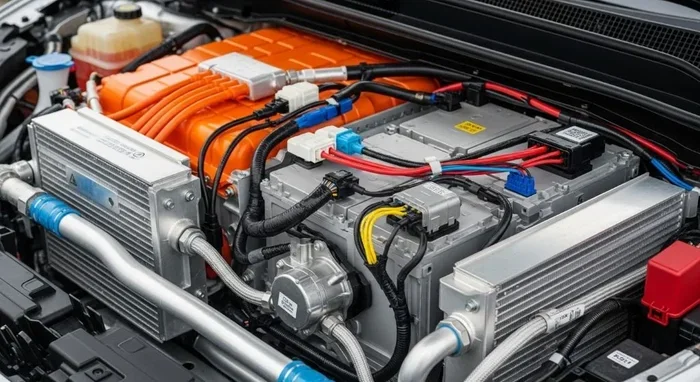
Before we dive into lifespan, let us quickly cover the basics. A hybrid battery is different from a regular car battery. It is larger, more complex, and designed to power your vehicle over longer periods.
Most hybrid cars use one of two battery types:
- Nickel-metal hydride (NiMH): This is the older but very reliable technology. You will find it in many Toyota and Honda models. NiMH batteries are known for lasting a long time.
- Lithium-ion (Li-ion): This is the newer technology. It is lighter, more energy-dense, and used in modern hybrids and plug-in hybrids.
Both types work by storing energy that the electric motor uses. They also recharge through a process called regenerative braking. This captures energy during braking and stores it back in the battery. Pretty clever, right?
The battery works hand in hand with the battery management system (BMS). The BMS monitors each battery cell, controls temperature, and prevents overcharging. It is essentially the brain that keeps everything running smoothly.
How Long Do Hybrid Batteries Actually Last?
Now let us get to the big question. Can a hybrid battery last 20 years? The answer is more encouraging than you might think.
Manufacturer Expectations vs. Real-World Results
Most automakers design their hybrid batteries to last between 8 and 15 years. Toyota, for example, has historically backed this with an 8-year or 100,000-mile warranty on hybrid components. Honda offers similar coverage.
But real-world data tells a different story. Many hybrid owners report their batteries lasting well beyond the warranty period. Some Toyota Prius owners have logged over 200,000 miles on their original battery packs. That often translates to 15 or even 20 years of service.
So what does this mean for you? It means the manufacturer’s estimate is often a conservative number. Your actual hybrid battery lifespan can be much longer if you take care of it.
What Experts Say About 20-Year Battery Life
Auto experts and mechanics generally agree on one thing: hybrid batteries are built to last. According to several industry sources, the average hybrid battery replacement happens between 10 and 15 years. But reaching 20 years is absolutely achievable.
Dr. John Voelcker, a long-time automotive journalist, has noted that early hybrid adopters are now seeing their original batteries still going strong after 15 to 20 years. The key is that these batteries are used regularly and maintained properly.
Mechanics also point out that hybrid batteries that sit unused for long periods tend to degrade faster. So if you want your battery to hit the 20-year mark, keep driving that car.
Factors That Affect Hybrid Battery Lifespan
Not all hybrid batteries age the same way. Several factors determine how long your battery will actually last. Understanding these can help you make smart decisions.
Driving Habits
How you drive has a huge impact on hybrid battery health. Aggressive acceleration and hard braking put extra stress on the battery pack. Over time, this can cause battery degradation.
On the flip side, smooth and steady driving helps the battery maintain its charge cycles. Gentle acceleration, gradual braking, and avoiding extreme speeds all contribute to a longer-lasting battery.
Climate and Temperature
Extreme heat and extreme cold are not great for hybrid batteries. High temperatures can cause the battery cells to degrade faster. Very cold temperatures can reduce battery efficiency temporarily.
If you live in a hot climate, parking in the shade or a garage can help. In cold climates, letting the car warm up before driving hard can also protect the battery pack.
Frequency of Use
This might surprise you, but hybrid batteries actually like to be used. A battery that sits idle for weeks at a time can lose its charge and start to deteriorate.
Regular driving keeps the battery cells active and healthy. If you only drive your hybrid occasionally, try to take it on a longer trip at least once a week to keep the battery balanced.
Maintenance and Care
Simple maintenance goes a long way. Keeping your hybrid battery cool, clean, and properly charged makes a big difference. Also, following your vehicle’s recommended service schedule ensures that the battery management system is functioning correctly.
Some owners also invest in battery health monitors. These devices track the voltage and temperature of individual cells. They can alert you to potential problems before they become serious issues.
Signs Your Hybrid Battery Is Failing
Knowing the warning signs of a failing hybrid battery can save you from bigger problems down the road. Here are the most common symptoms to watch for:
- Reduced fuel economy: If your miles per gallon drop significantly, the battery may not be holding a charge as well as it used to.
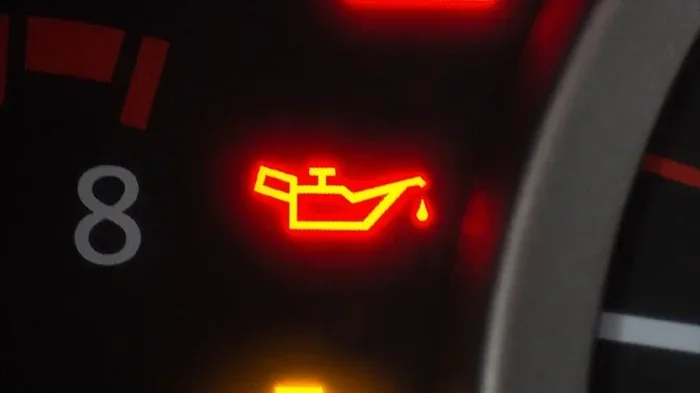
- Dashboard warning lights: Many hybrids display a check engine light or a specific battery warning when something is off.
- Unusual engine noises: Grinding, clicking, or whining sounds can indicate battery or motor problems.
- Difficulty holding a charge: If the battery keeps draining even after driving, this is a red flag.
- Rough idling or stalling: A failing battery can cause the car to idle roughly or shut off unexpectedly.
- Reduced electric-only driving: If your car no longer runs on electric power alone, the battery may be worn out.
If you notice any of these signs, it is a good idea to get your battery checked by a qualified mechanic. Catching problems early can save you money and extend the overall hybrid battery lifespan.
Can You Make Your Hybrid Battery Last 20 Years?
Here is the part you have been waiting for. How can you actively extend the life of your hybrid battery? The answer is simpler than you might think.
1. Drive Regularly
Use your hybrid car often. Regular driving keeps the battery cells balanced and active. Even a short daily commute helps maintain battery health.
2. Avoid Extreme Temperatures When Possible
Park in a garage or shaded area when you can. Extreme heat is one of the biggest enemies of hybrid batteries. In winter, try to keep your car in a warm place overnight.
3. Practice Smooth Driving
Avoid jackrabbit starts and hard braking. Smooth driving reduces stress on the battery and the electric motor. Over thousands of miles, this adds up to significant battery health benefits.
4. Keep Up With Maintenance
Follow your owner’s manual for service intervals. Regular oil changes, tire rotations, and battery inspections all contribute to a longer-lasting hybrid system.
5. Monitor Battery Health
Many modern hybrids have built-in battery health indicators. Check these regularly. If you notice any decline, address it early. Some mechanics offer battery reconditioning services that can breathe new life into a weakening battery.
6. Avoid Full Discharges
Try not to let your battery drain completely. Keeping the charge between 20% and 80% is ideal for long-term battery health. This is similar to how you should treat a smartphone battery.
Hybrid Battery Replacement: What to Expect
Even with the best care, every battery eventually needs replacement. Here is what you should know about the process.
How Much Does It Cost?
The hybrid battery replacement cost varies depending on the vehicle. Here is a quick comparison:
| Vehicle | Battery Type | Replacement Cost |
|---|---|---|
| Toyota Prius | Nickel-metal hydride | $1,500 – $3,000 |
| Honda Civic Hybrid | Nickel-metal hydride | $1,200 – $2,500 |
| Toyota Camry Hybrid | Nickel-metal hydride | $2,000 – $4,000 |
| Ford Escape Hybrid | Lithium-ion | $3,000 – $6,000 |
| Chevrolet Volt | Lithium-ion | $3,500 – $8,000 |
As you can see, the cost depends on the battery type and the vehicle model. Lithium-ion batteries tend to be more expensive but also offer better performance and longevity.
Should You Replace or Repair?
Sometimes, you do not need a full replacement. Some battery cells may be bad while others are still healthy. A skilled mechanic can identify the weak cells and replace only those.
Battery reconditioning is another option. This process involves deep cycling the battery and balancing the cells. It can restore up to 80% of the original capacity at a fraction of the replacement cost.
However, if the battery is truly worn out, a full replacement is the safest choice. A new battery can give you another 10 to 15 years of reliable service.
Does Warranty Cover Replacement?
Most hybrid vehicles come with a battery warranty of 8 years or 100,000 miles, whichever comes first. Some states, like California, extend this to 10 years or 150,000 miles.
If your battery fails within the warranty period, the manufacturer should cover the replacement cost. Always check your specific warranty terms before making any decisions.
Key Takeaways
- Hybrid batteries can last 20 years: With proper care and regular use, many hybrid batteries reach the 20-year mark or beyond.
- Manufacturer warranties cover 8-10 years: Most automakers guarantee their hybrid batteries for 8 to 10 years, but real-world results often exceed this.
- Driving habits and climate matter: Smooth driving, avoiding extreme temperatures, and regular use all extend battery life significantly.
- Watch for warning signs: Reduced fuel economy, dashboard lights, and unusual noises are early indicators of battery trouble.
- Replacement costs vary: Depending on your vehicle, a new hybrid battery can range from $1,200 to $8,000.
- Repair options exist: Cell replacement and reconditioning can delay or avoid a full battery replacement.
- Maintenance is simple: Regular check-ups and smart driving habits are the best ways to protect your investment.
Conclusion
So, can a hybrid battery last 20 years? The evidence says yes. Many hybrid owners have pushed their original battery packs well past the 15-year mark, and some have even reached 20 years without a replacement.
The secret is not magic. It is proper care, smart driving habits, and regular maintenance. Your hybrid battery is a durable and well-engineered component. Treat it well, and it will reward you with reliable performance for years to come.
Whether you are thinking about buying a hybrid or already own one, understanding your battery is key. Know the signs of wear, stay on top of maintenance, and do not be afraid to seek professional help when needed.
A hybrid battery is one of the best investments you can make for your vehicle. With the right approach, it can easily serve you for two decades or more. Drive smart, maintain well, and enjoy the benefits of hybrid vehicle ownership for the long haul.
Frequently Asked Questions
How long does a hybrid battery typically last?
Most hybrid batteries are designed to last between 10 and 15 years. However, many owners report their batteries lasting 20 years or more with proper care and regular driving habits.
What is the average cost of a hybrid battery replacement?
The cost ranges from $1,200 to $8,000 depending on the vehicle model and battery type. Nickel-metal hydride batteries tend to be less expensive, while lithium-ion batteries cost more.
Can a failing hybrid battery be repaired instead of replaced?
Yes, in many cases. Individual bad cells can be replaced, and battery reconditioning can restore significant capacity. This is often much cheaper than a full replacement.
Does extreme weather affect hybrid battery life?
Yes, both extreme heat and extreme cold can impact battery performance and longevity. Parking in a garage and avoiding temperature extremes helps protect the battery.
Are hybrid batteries covered under warranty?
Most hybrid vehicles come with an 8-year or 100,000-mile battery warranty. Some states offer extended coverage, so always check your specific warranty details.
How can I extend my hybrid battery life?
Drive regularly, practice smooth acceleration and braking, avoid extreme temperatures, keep up with maintenance, and monitor battery health indicators on your dashboard.