How Often Should Wipers Be Replaced for Safer Driving
Knowing how often should wipers be replaced is one of the simplest yet most overlooked steps in vehicle maintenance. Most experts recommend swapping out your wiper blades every six to twelve months, but factors like weather, usage, and blade type can shorten or extend that timeline. This guide walks you through the signs of worn wipers, replacement schedules, costs, and pro tips to keep your windshield visibility sharp all year long.
You rely on your windshield every single time you drive. Rain hits the glass. Snow piles up. Dust swirls across the road. Your wiper blades are the only thing standing between you and a blurry, dangerous view of the road ahead.
So here is the big question: how often should wipers be replaced? Most drivers go far too long without thinking about their blades. They only notice the problem when streaks start appearing or when rain turns into a blurry mess right at the worst possible moment. That is exactly the kind of moment you want to avoid.
The truth is, wiper blade replacement is one of the easiest and cheapest maintenance tasks you can do. It takes minutes, costs very little, and makes a massive difference in your driving safety. In this guide, we will walk you through everything you need to know about wiper maintenance, from recognizing the signs of worn blades to choosing the right replacement and keeping your glass crystal clear all year long.
Key Takeaways
- Standard replacement interval: Replace wiper blades every 6 to 12 months for optimal performance.
- Watch for warning signs: Streaking, squeaking, chattering, and visible cracks mean it is time for new blades.
- Climate matters: Extreme heat, cold, and frequent use accelerate wiper wear and tear significantly.
- Blade type affects lifespan: Beam blades often last longer than conventional frames, while winter wipers need more frequent swaps.
- DIY replacement is easy: You can change wiper blades at home in under 10 minutes with no special tools.
- Maintenance extends life: Regular cleaning and proper storage can help your wiper rubber last longer.
- Safety first: Worn wipers reduce visibility and increase accident risk, especially in rain or snow.
📑 Table of Contents
- How Often Should Wipers Be Replaced: The General Rule
- Signs Your Wiper Blades Need Replacing
- Factors That Affect Wiper Blade Lifespan
- Types of Wiper Blades and Their Replacement Schedules
- DIY Wiper Replacement Guide
- Wiper Maintenance Tips for Longer Blade Life
- How Much Does Wiper Blade Replacement Cost?
- Expert Insights on Wiper Replacement
- Key Takeaways
- Conclusion
How Often Should Wipers Be Replaced: The General Rule
The most widely accepted answer to how often should wipers be replaced is every six to twelve months. This is the baseline recommendation from most automotive experts and vehicle manufacturers alike. However, this is not a one-size-fits-all answer. Your driving habits, local climate, and the type of blades you use all play a role.
Think of your wiper blades like the tires on your car. They wear down over time, and no matter how careful you are, they will eventually need to be swapped out. The good news is that staying on top of wiper replacement keeps you safe and saves you from the frustration of dealing with poor windshield visibility during a storm.
Why Six to Twelve Months?
The rubber on wiper blades degrades naturally over time. Exposure to sunlight, heat, cold, and moisture breaks down the rubber compound. After about six months of regular use, the blades start to lose their flexibility. They become stiff, cracked, and less effective at clearing your glass. By the twelve-month mark, most blades are already well past their prime.
If you live in a region with harsh winters or intense summer heat, you may need to replace your wiper blades even more frequently. The extreme temperatures accelerate the breakdown of the rubber, which means your wiper life expectancy could drop to as little as four or five months in tough conditions.
The Seasonal Approach
Many experienced drivers follow a seasonal approach to wiper maintenance. They swap out their blades at the start of summer and again at the start of winter. This ensures you always have fresh, effective blades ready for the season that demands the most from them. Spring and fall are also excellent times to check your blades and replace them if needed.
This approach also works well if you use different types of blades for different seasons. For example, winter wipers with a protective cover work great in snow but are not ideal for warm-rainy driving. Switching them out seasonally gives you the best of both worlds.
Signs Your Wiper Blades Need Replacing
You do not always need a calendar to know when it is time for new blades. Your windshield gives you plenty of warning signs. Learning to recognize these signals is one of the most important parts of wiper care.
Streaking and Smearing
This is the most common and obvious sign. When your wipers leave streaks or a hazy film across the glass, the rubber is no longer making proper contact with the windshield. Streaking happens because the blade has hardened or developed a uneven edge. It is a clear indicator that your wiper replacement is overdue.
Squeaking or Chattering Sounds
Healthy wipers should glide silently across your windshield. If you hear squeaking, chattering, or skipping sounds, the blade is not sitting flush against the glass anymore. This can happen when the rubber dries out, cracks, or loses its shape. Squeaky wipers are not just annoying, they are a safety concern because they mean your visibility is compromised.
Visible Wear and Tear
Sometimes you can see the damage with your own eyes. Look closely at the rubber edge of your blades. If you notice cracks, tears, chunks missing, or a rounded instead of straight edge, it is definitely time for a replacement. Do not wait until the blade falls apart completely. Bad wiper blades can scratch your windshield, which leads to much more expensive repairs.
Reduced Performance in Rain
The ultimate test of your wipers is how well they perform in actual rain. If you find yourself constantly adjusting the speed or fighting to see through the windshield during a downpour, your blades are not doing their job. This is one of the most dangerous signs of worn wipers because it directly affects your ability to drive safely.
Wiper Blades That Skip or Jump
If your blades skip across the windshield or do not cover the full area, the frame may be bent or the rubber may have hardened. This often happens with older conventional wiper blades that have metal frames prone to warping over time. Beam wiper blades tend to resist this problem better because they use a single-piece design without exposed metal parts.
Factors That Affect Wiper Blade Lifespan
Understanding what shortens the life of your wipers helps you take better care of them. Several factors influence how quickly your blades wear out, and knowing these can help you decide exactly when to replace them.
Climate and Weather Exposure
Where you live matters a lot. Blades in hot, sunny climates dry out faster. The UV rays break down the rubber compound, causing it to crack and harden. On the other hand, blades in cold climates face a different challenge. Ice and frost can freeze the rubber to the windshield, and when you turn on the wipers, the ice causes tears and damage to the blade edge.
Drivers in areas with frequent temperature swings, like desert regions or northern states, often experience the fastest blade degradation. The constant expansion and contraction of the rubber weakens it over time.
Frequency of Use
If you use your wipers every day, your blades will wear out faster than someone who only uses them occasionally. People who live in rainy regions or drive in conditions that require frequent wiping should expect to replace their blades more often. Heavy use is one of the biggest factors that reduces wiper life expectancy.
Dirt, Debris, and Neglect
Dust, pollen, bird droppings, tree sap, and road grime all take a toll on wiper rubber. When you run dry wipers across a dirty windshield, the debris acts like sandpaper on the blade edge. This is why wiper maintenance matters so much. Simply wiping your blades with a damp cloth every few weeks can remove harmful buildup and extend their life significantly.
Blade Quality and Type
Not all wiper blades are created equal. Cheap, low-quality blades made with inferior rubber degrade much faster than premium options. Investing in better OEM wiper blades or high-quality aftermarket brands can save you money in the long run because they last longer and perform better. The type of blade design also matters, which we will cover in the next section.
Improper Use and Storage
Lifting your wipers away from the windshield during freezing weather is a good habit. When blades freeze to the glass and you turn them on, the motor can burn out and the rubber can tear. Also, if you park outdoors in direct sunlight with the blades in the down position, the heat accelerates rubber degradation. Using a windshield cover or parking in the shade can help protect your blades.
Types of Wiper Blades and Their Replacement Schedules
Not all wipers are the same, and different types have different lifespans. Knowing the difference helps you choose the right blade and understand when to replace it.
Conventional Wiper Blades
These are the traditional wiper blades with a metal frame and rubber inserts. They are the most common and affordable option found on most vehicles. Because they have exposed metal parts, they are more prone to corrosion and bending. Conventional wiper blades typically need replacement every six to nine months, especially if you drive in tough conditions.
They are easy to find and inexpensive, which makes them a popular choice. However, their shorter lifespan means you will be replacing them more often compared to newer designs.
Beam Wiper Blades
Beam wiper blades use a single piece of flexible rubber with no exposed metal frame. They conform better to the shape of the windshield, providing more even pressure and better contact. This design also protects the rubber from corrosion and debris damage.
Because of their superior construction, beam blades generally last longer, often up to twelve to eighteen months. They are a great choice if you want less frequent wiper replacement and better performance. The upfront cost is slightly higher, but the longer lifespan makes them a smart investment.
Winter Wiper Blades
Winter wipers feature a protective rubber or plastic cover that shields the blade from ice and snow. They are designed specifically for cold-weather driving and are excellent at preventing ice buildup. However, the cover and extra materials can cause the rubber to wear faster during warmer months.
You should only use winter wipers during the cold season. When spring arrives, swap them out for all-season or summer blades. Using winter wipers year-round will shorten their lifespan and reduce their effectiveness in snow.
Hybrid Wiper Blades
Hybrid blades combine elements of both conventional and beam designs. They offer the durability of a frame with the flexibility of a beam. These blades typically fall in the middle of the lifespan range, lasting around nine to twelve months. They are a solid middle-ground option for drivers who want a balance of performance and cost.
Comparison Table: Wiper Blade Types
- Conventional Blades: Lifespan of 6 to 9 months, affordable, exposed metal frame, good for basic use.
- Beam Blades: Lifespan of 12 to 18 months, slightly more expensive, no exposed metal, best overall performance.
- Winter Blades: Lifespan of 4 to 6 months in cold use, protective cover, seasonal use only.
- Hybrid Blades: Lifespan of 9 to 12 months, balanced design, moderate cost.
DIY Wiper Replacement Guide
Replacing your wiper blades at home is one of the easiest car maintenance tasks you can do. You do not need any special tools or mechanical skills. In most cases, the entire process takes less than ten minutes per blade.
What You Need
- New wiper blades (make sure you get the correct size for your vehicle)
- A clean microfiber cloth
- A small amount of windshield washer fluid
Step-by-Step Replacement Process
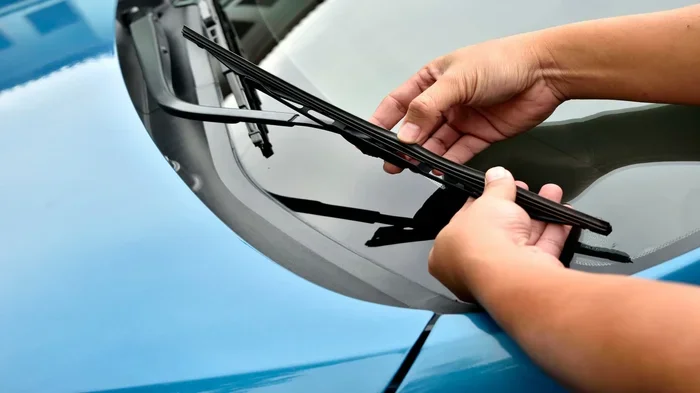
- Lift the wiper arm: Gently lift the wiper arm away from the windshield. Be careful not to let it snap back, as this can crack the glass.
- Release the old blade: Most blades have a small tab or button where the blade connects to the arm. Press or slide it to release the old blade.
- Remove the old blade: Slide the old blade off the arm connector and set it aside.
- Attach the new blade: Line up the new blade with the arm connector and slide it in until you hear a click. This confirms it is locked in place.
- Lower the arm gently: Carefully lower the wiper arm back onto the windshield. Do not let it drop.
- Repeat for the other blade: Follow the same steps for the second wiper.
- Test the wipers: Spray some washer fluid and run the wipers to make sure they are working properly and making full contact with the glass.
Common Mistakes to Avoid
One of the most common mistakes is buying the wrong size blades. Check your owner’s manual or measure the old blades before purchasing. Another mistake is forcing the blade connector. If it does not click into place easily, double-check that you have the correct adapter. Never let the wiper arm snap back onto the windshield on its own, as this can cause chips or cracks in the glass.
Also, many people forget to clean the windshield when they replace their blades. Use this opportunity to wipe down the glass and the blade itself with a damp cloth. This removes any buildup that could interfere with performance and helps your new blades last longer.
Wiper Maintenance Tips for Longer Blade Life
You can extend the life of your wipers with a few simple habits. Regular maintenance keeps your blades performing at their best and delays the need for replacement.
Clean Your Blades Regularly
Every few weeks, wipe down the rubber edge of your blades with a damp cloth. This removes dirt, oil, and grime that build up over time. A clean blade makes better contact with the glass and clears your windshield more effectively. This is one of the simplest wiper care tips that makes a big difference.
Keep Your Windshield Clean
Dirt on the windshield acts like sandpaper on your wiper rubber. When you wipe a dirty windshield, you are grinding debris into the blade. Make it a habit to clean your glass regularly, especially before long drives. Using windshield washer fluid instead of plain water also helps because it contains detergents that break down grime more effectively.
Lift Blades in Winter
During freezing weather, lift your wiper arms away from the windshield when parked. This prevents the blades from freezing to the glass and reduces the risk of tearing when you turn them on. It also keeps ice from building up on the rubber, which can cause cracks and damage over time.
Use Your Washers Before Wiping
Always spray washer fluid before engaging the wipers. Running dry wipers across a dirty windshield is one of the fastest ways to wear out the rubber. The fluid lubricates the glass and helps the blade glide smoothly, reducing friction and extending blade life.
Inspect Blades Monthly
Get into the habit of visually inspecting your blades once a month. Look for cracks, tears, or hardened rubber. Run your finger along the edge to feel for rough spots or uneven wear. Catching problems early means you can replace the blade before it causes streaks or damage to your windshield.
Protect Your Wipers When Parked
If you park outdoors, consider using a windshield cover during extreme weather. This protects both the glass and the wipers from UV damage, ice, and debris. In hot climates, parking in the shade whenever possible also helps preserve the rubber on your blades.
Replace Both Blades at the Same Time
It can be tempting to replace only the blade that is performing poorly, but this is a mistake. Both blades wear at a similar rate, and using a new blade paired with an old one can cause uneven wiping and streaks. Always replace both blades at the same time for the best results and consistent windshield visibility.
How Much Does Wiper Blade Replacement Cost?
One of the best things about replacing wiper blades is how affordable it is. A single pair of quality blades typically costs between $20 and $50, depending on the brand, type, and size. Premium beam blades or specialized winter wipers may cost a bit more, but they also tend to last longer.
If you take your car to a mechanic or service center, you will pay for labor on top of the blade cost. However, since the replacement process is so simple, doing it yourself saves you that extra expense. Many auto parts stores will even help you find the right size and install the blades for free if you purchase them there.
Compared to the cost of a cracked windshield or an accident caused by poor visibility, spending a few dollars on fresh wipers is an incredibly smart investment. Wiper replacement cost is one of the smallest maintenance expenses you will ever face, but the safety benefit is enormous.
Expert Insights on Wiper Replacement
Automotive professionals consistently emphasize that wiper maintenance is not something to put off. According to seasoned mechanics, most drivers overestimate the life of their blades by several months. The rubber degrades faster than most people realize, especially if you drive regularly in challenging conditions.
Experts also recommend keeping a spare set of blades in your garage or trunk. This way, you always have a replacement ready when you notice the first signs of wear. It eliminates the wait time and ensures you are never stuck driving with bad wiper blades during a storm.
Another expert tip is to replace your blades before the rainy season or winter weather arrives. Proactive replacement means you will never find yourself in a situation where your visibility is compromised at the worst possible time. It is a small effort that pays off in safety and peace of mind.
Key Takeaways
- Standard replacement interval: Replace wiper blades every 6 to 12 months for optimal performance.
- Watch for warning signs: Streaking, squeaking, chattering, and visible cracks mean it is time for new blades.
- Climate matters: Extreme heat, cold, and frequent use accelerate wiper wear and tear significantly.
- Blade type affects lifespan: Beam blades often last longer than conventional frames, while winter wipers need more frequent swaps.
- DIY replacement is easy: You can change wiper blades at home in under 10 minutes with no special tools.
- Maintenance extends life: Regular cleaning and proper storage can help your wiper rubber last longer.
- Safety first: Worn wipers reduce visibility and increase accident risk, especially in rain or snow.
Conclusion
The answer to how often should wipers be replaced is simpler than most people think. Every six to twelve months, depending on your conditions, is the sweet spot for keeping your windshield visibility sharp and your driving safe. The key is to stay proactive. Do not wait until your wipers are leaving streaks or making noise. By that point, your visibility has already been compromised.
Pay attention to the warning signs, choose the right type of blade for your vehicle and climate, and follow a regular wiper maintenance routine. These small habits add up to a big difference in how safely you can drive, especially in adverse weather conditions.
Replacing your wiper blades is one of the quickest, cheapest, and most impactful things you can do for your vehicle. It takes almost no time, costs very little, and keeps you and your passengers safer on the road. Make it a regular part of your vehicle maintenance schedule, and you will never have to worry about poor visibility again.
Take a few minutes today to inspect your wipers. If they are showing any signs of wear, grab a new set and swap them out. Your future self, driving through the next rainstorm, will thank you. Staying ahead of wiper replacement is one of the easiest ways to practice better driving safety and keep your car in top shape all year long.
Frequently Asked Questions
Can I replace just one wiper blade, or should I replace both?
You should always replace both wiper blades at the same time. Even if only one blade is showing signs of wear, the other is likely close behind. Using a new blade with an old one leads to uneven performance, streaking, and inconsistent windshield visibility. Replacing both ensures the best results and keeps your driving safe.
How much does it cost to replace wiper blades?
A pair of quality wiper blades typically costs between $20 and $50, making it one of the most affordable maintenance tasks you can do. If you buy them yourself and install them at home, there is no additional labor cost. Some auto parts stores also offer free installation when you purchase blades from them.
Do winter wipers need to be replaced more often?
Yes, winter wipers tend to wear out faster because of the harsh conditions they endure. Ice, snow, and freezing temperatures put extra stress on the rubber. It is best to use winter wipers only during the cold season and replace them more frequently than your regular all-season blades.
Can worn wiper blades damage my windshield?
Yes, worn wiper blades can scratch your windshield. When the rubber deteriorates and the metal frame or hard edges come into contact with the glass, it can leave permanent marks and scratches. This is why timely wiper blade replacement is so important for protecting your windshield and maintaining clear visibility.
What is the difference between beam and conventional wiper blades?
Conventional wipers have a metal frame with rubber inserts, while beam wipers use a single piece of flexible rubber with no exposed metal. Beam blades provide better contact with the windshield, resist corrosion better, and generally last longer. They are a popular choice for drivers who want improved wiper performance and less frequent replacements.
How do I know which wiper blade size I need?
You can find the correct size in your vehicle owner’s manual or by measuring the old blades. Most auto parts stores also have reference guides based on your car’s make and model. Buying the right size ensures a proper fit and optimal wiper maintenance performance.