How Does Your Car Feel When You Need an Oil Change
Your car tells you when it needs an oil change through strange noises, warning lights, and poor performance. Dirty or low engine oil causes friction, overheating, and long-term engine wear. Knowing these signs early helps you avoid costly car repair and keeps your vehicle running smoothly for years.
Have you ever noticed your car sounding a little off or feeling sluggish on the road? Sometimes the answer is simpler than you think. How does your car feel when you need an oil change? The truth is, your vehicle sends clear signals long before a serious problem develops. Recognizing these early warning signs can save you from expensive engine damage and keep your daily commute worry-free.
Engine oil is the lifeblood of your car’s motor. It lubricates moving parts, reduces friction, and keeps everything running at the right temperature. When that oil gets old, dirty, or too low, your engine starts to suffer. In this guide, we will walk you through every sign and symptom that tells you it is time for an oil change. Whether you are a new car owner or a seasoned driver, this article will help you understand what your vehicle is trying to tell you.
Regular car maintenance does not have to be complicated. You do not need to be a mechanic to notice the clues your car gives you. From strange engine noises to dashboard warning lights, your vehicle has a built-in communication system. The key is knowing what to listen for and what to look out for. Let us dive into the details and help you stay ahead of engine trouble.
Key Takeaways
- Warning lights and unusual sounds are the most common signs your car needs an oil change right away.
- Dirty or low oil leads to increased engine wear, reduced fuel economy, and potential engine failure.
- Following your manufacturer’s oil change schedule is one of the easiest and most affordable forms of vehicle maintenance.
- Synthetic and conventional oil each offer different benefits, so choose based on your driving habits and car type.
- Ignoring oil change needs can result in expensive engine repairs that far exceed the cost of routine oil changes.
- Checking your oil level regularly between service appointments helps catch problems early.
- Professional and DIY oil changes are both viable options, depending on your comfort level and tools.
📑 Table of Contents
Warning Signs Your Car Gives You When Oil Is Low
Your car is smarter than you might think. It has sensors, lights, and mechanical feedback that alert you when something is wrong. How does your car feel when you need an oil change? Often, the signs are subtle at first but become harder to ignore over time. Let us look at the most common warning signals every driver should know.
The Check Engine and Oil Warning Lights
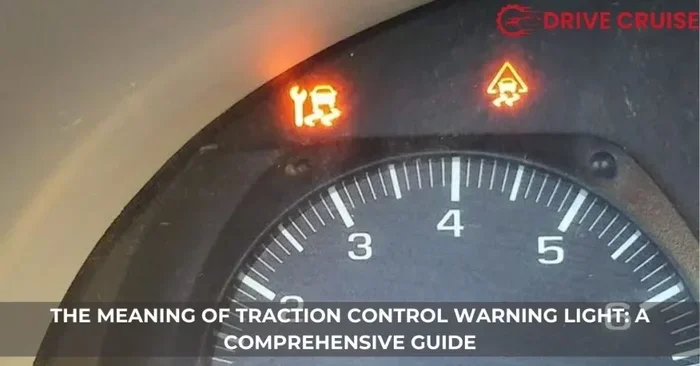
The first and most obvious clue comes from your dashboard. When the oil warning light turns on, it means your oil pressure has dropped below a safe level. This is not something you should ignore. The check engine light can also activate when oil levels fall too low or when the oil quality deteriorates. Both lights are direct signals from your car’s computer system.
Some drivers dismiss these lights, especially if the car still seems to run fine. That is a risky habit. By the time the light comes on, your oil may already be too low or too dirty to protect the engine properly. If you see either light, pull over safely and check your oil level with the dipstick. If it is low, add oil immediately and schedule a vehicle maintenance appointment.
Changes in Engine Performance
Another clear sign is a noticeable drop in how your car performs. You might feel sluggish acceleration, rough idling, or a general lack of power. This happens because old or low engine oil fails to lubricate internal parts properly. Without proper lubrication, metal parts grind against each other, creating more friction and reducing efficiency.
You may also notice your car burning more fuel than usual. When the engine works harder due to poor lubrication, it consumes more gasoline. This drop in fuel economy is one of the earliest and most overlooked symptoms of oil trouble. If your trips to the gas station seem more frequent than normal, it might be time to check your oil.
Unusual Engine Noises
Engines are designed to run smoothly and quietly. When you start hearing new sounds, your car is trying to talk to you. A loud engine noise like knocking, ticking, or clunking often points to insufficient oil. These sounds happen when metal parts rub together without the protective cushion of a fresh oil layer.
A ticking sound on startup is especially common when oil is old and thick. Cold weather makes this worse because old oil takes longer to circulate. If the ticking persists after the engine warms up, do not wait. Get your oil change done as soon as possible. Ignoring these noises can lead to severe engine wear and even complete engine failure over time.
How Dirty Oil Affects Your Engine Over Time
Oil does not last forever. Over time, it collects dirt, debris, and combustion byproducts that break down its protective qualities. Understanding how dirty oil damages your engine helps you appreciate why sticking to a regular oil change schedule matters so much.
The Role of Clean Oil in Engine Health
Clean motor oil does far more than just lubricate. It also cleans internal engine parts, carries heat away from hot components, and prevents the buildup of harmful sludge. Fresh oil contains additives that neutralize acids and suspend contaminants so they can be filtered out during the next service.
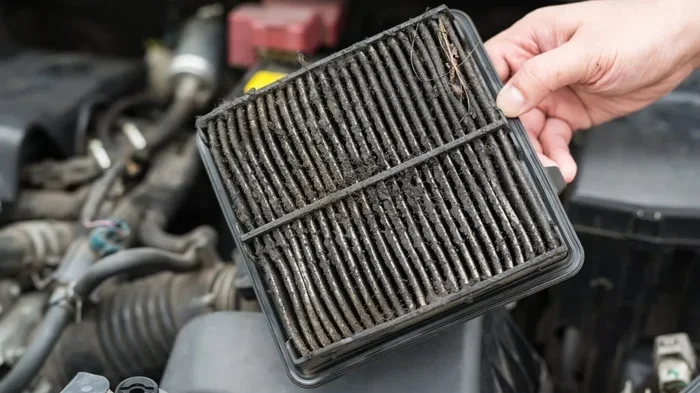
When oil is clean, your engine runs efficiently and stays cool. The oil filter works alongside the oil to trap particles and keep the system clean. But once the oil breaks down, the filter can no longer handle the load. Contaminants circulate freely, accelerating wear on bearings, camshafts, and other critical components.
What Happens When Oil Gets Old
As oil ages, it loses its viscosity, which is its ability to flow smoothly and coat engine parts. Think of it like cooking oil that gets thick and dark after repeated use. Old oil becomes gritty and less effective. It no longer forms a proper protective barrier between moving metal surfaces.
This leads to increased heat generation inside the engine. Over time, the excess heat causes oil degradation, which creates a sticky residue called sludge. Sludge clogs oil passages and restricts flow to vital engine parts. The result is uneven lubrication, hot spots, and eventually, catastrophic engine damage if left unaddressed.
The Connection Between Oil and Engine Wear
The connection between oil quality and engine wear is direct and significant. Studies show that engines running on degraded oil experience up to 50 percent more wear on internal components than engines with fresh oil. Every mile you drive on bad oil shortens the lifespan of your engine.
Worn engines lose compression, produce less power, and are far more likely to need major car repair work. In the worst cases, a seized engine requires a full replacement, which can cost thousands of dollars. A simple oil change costs a fraction of that and takes only about 30 minutes. The math is clear: preventive maintenance always wins over reactive repair.
Common Sounds and Smells That Signal Oil TroubleSometimes the most telling clues come through your senses. Your ears and nose can detect oil problems before any dashboard light appears. Paying attention to these sensory signals gives you a head start on addressing oil change needs.
Knocking and Ticking Noises
A deep knocking sound from the engine bay is one of the most serious warning signs. This noise usually comes from worn rod bearings that are no longer receiving enough oil. A persistent knock means the engine is running dangerously low on proper lubrication.
Ticking noises are slightly less severe but still demand attention. Ticking often occurs when oil cannot reach the valve train quickly enough. This is common with low oil levels or when the oil has become too thick to flow properly. Either way, a professional oil change will usually resolve these sounds and restore smooth engine operation.
Burning Oil Smell Warning Signs
If you smell something burning while driving, do not ignore it. A sharp, acrid odor often means oil is leaking onto hot engine parts. Oil leaks can happen from a worn oil pan gasket, a loose drain plug, or degraded seals. Any oil leaking onto the exhaust manifold will burn and produce a distinct, unpleasant smell.
Burning oil is not just a smell problem. It means your engine is losing oil, which means it is not being properly lubricated. Check your oil level right away and look for visible leaks underneath your car. Dark puddles on your driveway are a telltale sign of an oil leak that needs immediate attention.
Exhaust Smoke Clues
Your tailpipe can also reveal oil problems. While some exhaust vapor is normal in cold weather, blue or gray smoke is not. Blue smoke specifically indicates that oil is burning inside the combustion chamber. This can happen when worn valve seals allow oil to seep past, or when piston rings are damaged.
Excessive smoke combined with a drop in oil level is a strong indicator that your engine needs immediate service. Continuing to drive in this condition can cause further damage to the catalytic converter and other expensive components. Pull over safely and arrange for a tow or roadside assistance if needed.
How Often Should You Change Your Oil
The right oil change schedule depends on several factors, including your car model, driving habits, and the type of oil you use. The old rule of changing oil every 3,000 miles is outdated for most modern vehicles. Today’s engines and oils are far more advanced, but that does not mean you can skip oil changes entirely.
Following Your Manufacturer’s Recommendations
The best place to start is your vehicle owner’s manual. Most manufacturers recommend oil changes every 5,000 to 7,500 miles for conventional oil and every 7,500 to 10,000 miles for synthetic oil. These intervals are based on extensive testing and are designed to keep your engine in optimal condition.
Keep in mind that these numbers assume “normal” driving conditions. If you frequently drive in stop-and-go traffic, tow heavy loads, or operate in extreme temperatures, your oil degrades faster. In these cases, you may need to shorten your oil change interval to stay safe.
Factors That Change Your Oil Change Schedule
Several driving conditions fall into the “severe service” category, meaning they stress your oil more than typical driving. These include short trips under five miles, extreme heat or cold, dusty or gravel roads, and frequent idling. If any of these apply to your driving habits, you should change your oil more often.
Another factor is the age of your vehicle. Older engines tend to burn oil and accumulate contaminants faster. If you drive a car with high mileage, consider switching to a high-mileage motor oil formula that contains extra seal conditioners and antioxidants to protect aging engine components.
Synthetic vs Conventional Oil
Choosing between synthetic oil and conventional oil is an important decision. Synthetic oil is engineered in a lab to provide superior lubrication, thermal stability, and longevity. It performs better in both extreme heat and extreme cold, making it an excellent choice for most driving conditions.
Conventional oil is derived from crude oil and is more affordable, but it breaks down faster. For most drivers, synthetic oil offers better long-term value despite the higher upfront cost. It extends oil change intervals, reduces engine wear, and improves overall engine performance. Talk to your mechanic about which option suits your car best.
Quick Tips to Keep Your Engine Running Smoothly
Preventing oil-related problems is much easier than fixing them. A few simple habits can extend the life of your engine and keep your car running strong for years to come. Here are practical tips every driver should follow.
Daily Habits That Protect Your Engine
- Check your oil level at least once a month using the dipstick. Top off if needed with the correct oil grade specified in your owner’s manual.
- Watch for oil spots parked under your car. Even small drips indicate a leak that needs attention.
- Do not ignore warning lights. Dashboard alerts exist for a reason. Address them promptly.
- Keep your gas tank at least a quarter full. This helps reduce condensation and keeps the fuel system working efficiently.
- Drive gently during the first few minutes after starting the car. This allows oil to warm up and circulate fully before heavy load.
When to Visit a Mechanic
While checking your oil at home is straightforward, some situations require professional help. If you notice persistent low oil levels despite regular top-offs, there may be an internal leak. If your engine runs rough, produces unusual smoke, or makes knocking sounds, a mechanic can diagnose the root cause.
Many auto shops offer free oil level and condition checks. Taking advantage of these services can catch problems early and save you money. A trusted mechanic can also recommend the best oil viscosity for your specific vehicle and driving conditions, ensuring maximum protection year-round.
Conclusion
Understanding how your car feels when you need an oil change is one of the most valuable skills any driver can develop. From warning lights and strange noises to changes in performance and fuel economy, your vehicle communicates clearly when its oil needs attention. The key is to listen and act before small problems turn into major repairs.
Regular oil changes are the single most effective way to protect your engine and extend the life of your car. They are affordable, quick, and easy to schedule. Whether you handle the job yourself or visit a service center, staying on top of your oil change schedule pays dividends in reliability, safety, and long-term savings.
Do not wait for your car to break down. Start paying attention to the signs today. Check your oil, listen to your engine, and keep up with routine vehicle maintenance. Your future self will thank you when your car keeps running smoothly mile after mile.
Frequently Asked Questions
What does your car feel like when it needs an oil change?
Your car may feel sluggish, less responsive, or rougher than usual. You might notice strange engine noises like ticking or knocking, especially during startup. Some drivers also experience a decrease in fuel economy or notice the oil pressure warning light on their dashboard.
Can low oil cause a car to shake or vibrate?
Yes, low or dirty oil can cause increased friction between engine parts, leading to vibrations and rough idling. When oil cannot properly lubricate internal components, metal parts接触 create uneven movement that you can feel through the steering wheel or the entire vehicle.
How soon should you get an oil change after the warning light comes on?
You should address the oil warning light immediately. Pull over safely, check your oil level, and add oil if needed. Then schedule an oil change as soon as possible. Driving with the oil light on for extended periods can cause serious and expensive engine damage.
Is it okay to drive with old oil if the car seems fine?
No, driving with old oil is risky even if the car appears to run normally. Old oil loses its lubricating properties over time, which causes invisible wear on engine internals. By the time you notice symptoms, the damage may already be significant. Stick to your recommended oil change interval.
What is the difference between synthetic and conventional oil for oil changes?
Synthetic oil is chemically engineered for superior performance, better heat resistance, and longer-lasting protection. Conventional oil is derived from crude oil and is more affordable but breaks down faster. Synthetic oil typically allows for longer oil change intervals and better overall engine protection.
How much does a typical oil change cost?
The average cost of an oil change ranges from 40 to 70 dollars for conventional oil and 60 to 100 dollars for synthetic oil. The exact cost depends on your vehicle type, the oil used, and whether you visit a dealership or an independent mechanic. It is a small price compared to the cost of engine repairs caused by neglected oil changes.