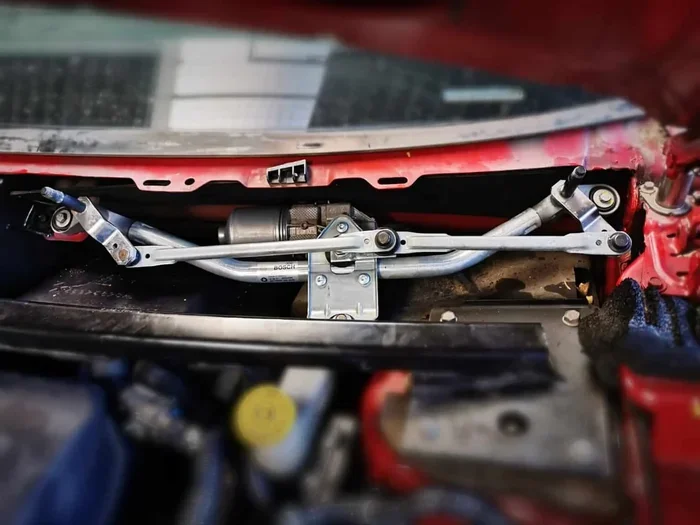
Is a Wiper Motor Easy to Replace Without Calling a Pro
Is a Wiper Motor Easy to Replace without calling a mechanic? The answer might surprise you. In most vehicles, replacing a windshield wiper motor is a straightforward DIY wiper repair job that takes under an hour. This guide walks you through every step, from spotting wiper motor symptoms to completing the wiper motor replacement yourself with confidence.
Every driver has been there. You are driving home on a rainy evening, and you flip the switch for your windshield wipers. Nothing happens. Or maybe they move at a strange speed, or they make a grinding noise that makes you cringe. Your first thought might be, “Is a wiper motor easy to replace?” The good news is that in most cases, the answer is yes.
Replacing a wiper motor is one of the most manageable DIY car repair jobs you can tackle. You do not need advanced mechanical skills, expensive tools, or a background in automotive engineering. With a little patience and the right guidance, you can have your windshield wipers working like new in under an hour.
This guide covers everything you need to know. We will walk through the common wiper motor symptoms that signal a failing motor, break down the replacement process step by step, and help you decide whether to go the DIY route or call a professional. Let us get started.
Key Takeaways
- Quick Fix: Most wiper motor replacements take 30 to 60 minutes and require only basic hand tools.
- Save Money: Doing it yourself can cut wiper motor cost by 50 to 70 percent compared to a shop visit.
- Spot the Signs: Knowing the common wiper motor symptoms helps you catch problems early before they worsen.
- Right Tools Matter: Having the correct sockets, screwdrivers, and a wiper motor connector puller makes the job much smoother.
- Know Your Limits: Some vehicles have complex wiper linkage setups that may require a professional touch.
- Safety First: Always disconnect the battery before starting any electrical car wiper repair work.
- Test Before You Finish: Always run the new motor before reassembling everything to confirm it works.
📑 Table of Contents
- Understanding Your Windshield Wiper Motor
- Common Wiper Motor Symptoms to Watch For
- Is a Wiper Motor Easy to Replace?
- Tools and Materials You Will Need
- Step-by-Step Wiper Motor Replacement Guide
- Common Mistakes to Avoid During Wiper Motor Replacement
- When Should You Call a Professional Instead?
- Final Thoughts on Wiper Motor Replacement
Understanding Your Windshield Wiper Motor
What Does a Wiper Motor Do?
The windshield wiper motor is a small electric motor housed under your hood. Its job is simple but critical. It converts electrical energy into mechanical motion that moves your wiper blades across the windshield. When you flip the wiper switch, a signal travels through the wiper motor wiring to the motor. The motor then turns a shaft connected to a wiper linkage system that translates rotational motion into the back-and-forth sweeping action you see.
Most wiper motors are designed to last a long time. However, they are not immune to wear and tear. Exposure to moisture, ice, and general age can cause them to fail over time. Understanding how the system works helps you appreciate why certain wiper motor symptoms appear and how to address them effectively.
Where Is the Wiper Motor Located?
The wiper motor location varies depending on your vehicle make and model. In most cars, the motor sits at the base of the windshield, tucked under a plastic cowling or cover. You usually find it near the firewall, which is the wall separating the engine compartment from the cabin. In some larger vehicles like trucks and SUVs, the motor may be mounted in a slightly different position, but the general area remains the same.
Knowing where your wiper motor lives before you start the job is important. It saves you time and frustration when you are elbow-deep under the hood. Check your vehicle owner manual or look up your specific model online to confirm the exact location.
Common Wiper Motor Symptoms to Watch For
Spotting wiper motor symptoms early can save you from a dangerous situation on the road. Here are the most common signs that your windshield wiper motor is wearing out.
Wipers Do Not Move at All
This is the most obvious sign. When you activate the wiper switch and nothing happens, the motor may be dead. However, before you jump to conclusions, check the wiper motor fuse first. A blown fuse is a much cheaper fix and is often the real culprit behind windshield wipers not working.
Wipers Operate Intermittently
If your intermittent wiper function works sometimes but not others, the motor may be failing. This inconsistency often points to internal electrical issues within the motor itself. It could also be a problem with the wiper motor relay or the wiring harness, but the motor is a common source of this issue.
Unusual Noises When the Wipers Are On
A healthy wiper motor operates quietly. If you hear grinding, squealing, or clicking sounds when the wipers are running, something is wrong. Grinding noises often indicate a worn gear inside the motor assembly. Clicking sounds might point to a weak wiper motor torque that cannot fully drive the wiper linkage.
Wipers Move at the Wrong Speed
Your wipers should respond smoothly to different speed settings. If they only work on one speed or behave erratically, the motor may be struggling. This can also be caused by a faulty wiper motor connector or corroded wiper motor ground wire.
Wipers Stop Mid-Sweep
If your wipers stop in the middle of a sweep and do not return to the parked position, the motor is likely failing. A healthy motor should always return the blades to their resting position at the bottom of the windshield.
Is a Wiper Motor Easy to Replace?
The short answer is yes. Is a wiper motor easy to replace? For most standard vehicles, the wiper motor replacement process is quite simple. It involves removing a few bolts, disconnecting the electrical connector, and swapping out the old motor for a new one. Most home mechanics can complete the job in 30 to 60 minutes.
However, the difficulty level can vary depending on several factors. Let us break them down so you know what to expect.
Factors That Affect Replacement Difficulty
Several things influence how easy or hard the wiper motor replacement will be for your specific vehicle.
- Vehicle Make and Model: Some cars have easily accessible motors. Others hide them behind complex wiper assemblies that require removing the windshield wiper arms and cowling pieces first.
- Wiper Linkage Design: Vehicles with simple wiper linkage systems are easier to work on. Those with intricate linkage setups, especially in rear-wheel-drive trucks, can be more challenging.
- Access to the Motor: If the motor is buried under other components or hard to reach, the job takes longer and requires more patience.
- Corrosion and Rust: Older vehicles may have seized bolts or corroded connectors that make removal harder than expected.
- Your Experience Level: If you have done basic car repairs before, the job will feel much easier. First-timers should take their time and follow each step carefully.
Wiper Motor Replacement by Car Model
Here is a quick look at how the difficulty varies across common vehicle types.
| Vehicle Type | Difficulty Level | Estimated Time | Special Notes |
|---|---|---|---|
| Compact Sedan | Easy | 20 to 40 minutes | Motor is usually very accessible under the hood cowling |
| Mid-Size SUV | Easy to Moderate | 30 to 60 minutes | May require removing wiper arms and some plastic covers |
| Full-Size Truck | Moderate | 45 to 90 minutes | Linkage can be complex; access may be tighter |
| Luxury Vehicle | Moderate to Hard | 60 to 120 minutes | May have rain-sensing wipers and hidden connectors |
| Classic or Vintage Car | Hard | 90+ minutes | Corrosion and unique parts can complicate removal |
As you can see, the answer to “Is a wiper motor easy to replace?” depends largely on your specific vehicle. For the average sedan, it is a breeze. For more complex setups, plan for extra time and patience.
Tools and Materials You Will Need
Before you start the wiper motor replacement, gather everything you need. Having the right tools ready prevents frustrating pauses mid-job.
Essential Tools
- Socket set (commonly 10mm, 12mm, and 14mm sizes)
- Screwdriver set (flathead and Phillips)
- Wrench set (adjustable and fixed)
- Pliers (needle-nose work best for connectors)
- Wire brush (for cleaning corroded terminals)
- Electrical contact cleaner (for cleaning the wiper motor ground and connector)
Materials Needed
- Replacement wiper motor (match the part number to your vehicle)
- New wiper motor fuse (if the old one was blown)
- Dielectric grease (to protect the wiper motor connector from moisture)
- Electrical tape (for securing any exposed wiring)
- Replacement wiper blade (if yours are also worn out)
Quick Tip
Always purchase a wiper motor that matches your vehicle year, make, and model exactly. Using the wrong motor can lead to fitment issues or improper wiper motor torque and speed. Check your owner manual or consult an auto parts store associate for the correct part number.
Step-by-Step Wiper Motor Replacement Guide
Now let us walk through the actual replacement process. Follow these steps carefully and you will have a working windshield wiper motor in no time.
Step 1: Disconnect the Battery
Safety always comes first. Before touching any electrical components, disconnect the negative terminal of your car battery. This prevents short circuits and protects both you and your vehicle. Use a wrench to loosen the nut on the negative cable and slide it off the terminal. Tuck the cable away so it cannot accidentally touch the terminal again.
Step 2: Remove the Wiper Arms
Lift the wiper arms away from the windshield. There is usually a small tab or release mechanism where the arm connects to the wiper linkage. Press or pull this tab and slide the arm off. Be gentle during this step. Wiper arms can be under tension, and snapping them back onto the windshield can crack the glass.
Quick Tip: Place a towel on the windshield before removing the arms. This protects the glass if an arm snaps back unexpectedly.
Step 3: Access the Wiper Motor
Remove the plastic cowling or cover that hides the wiper motor. This is typically held in place by several clips or screws. Use a flathead screwdriver or a trim removal tool to carefully pop the clips free. Set the cover aside. You should now see the wiper motor, the wiper linkage, and the electrical connector.
Step 4: Disconnect the Electrical Connector
Locate the wiper motor connector. It is usually a plug that attaches to the back or side of the motor. Press the locking tab and gently pull the connector free. If it is stuck, do not force it. Spray a little electrical contact cleaner around the edges and wait a minute before trying again.
Step 5: Remove the Old Wiper Motor
The motor is held in place by two to three bolts. Use the appropriate socket to remove them. Keep track of each bolt and where it came from. Once the bolts are out, carefully wiggle the motor free from the wiper linkage. You may need to rotate it slightly to clear the linkage arms.
If the old motor is stuck, a light tap with a rubber mallet can help free it. Never use excessive force, as you could damage the wiper linkage or surrounding components.
Step 6: Install the New Wiper Motor
Position the new motor in the same spot as the old one. Align it with the mounting holes and the wiper linkage. Insert the bolts and hand-tighten them first. Then use your socket wrench to snug them down. Do not overtighten, as this can strip the threads or crack the mounting bracket.
Apply a thin coat of dielectric grease to the wiper motor connector before plugging it in. This protects against moisture and ensures a solid electrical connection.
Step 7: Reassemble Everything
Reconnect the electrical connector by pressing it firmly into place until you hear the click. Replace the plastic cowling and secure its screws or clips. Put the wiper arms back onto the wiper linkage and press them firmly until they lock into place.
Step 8: Reconnect the Battery and Test
Reconnect the negative battery terminal and tighten the nut. Turn the ignition key and test the wipers at every speed setting. Check the intermittent mode, the low speed, and the high speed. Make sure the blades return to the parked position when you turn them off.
If everything works smoothly, congratulations. You just completed a successful wiper motor replacement and saved yourself a significant trip to the shop.
Common Mistakes to Avoid During Wiper Motor Replacement
Even simple jobs can go wrong if you are not careful. Here are the most common mistakes people make during wiper motor replacement.
- Skipping the Fuse Check: Many people replace a perfectly good motor when the real issue is a blown wiper motor fuse. Always check the fuse first.
- Forcing Connectors: Yanking on a stuck electrical connector can damage the pins or the wiring harness. Be gentle and use penetrating oil if needed.
- Mixing Up Bolts: Different bolts may have different lengths. Mixing them up can cause damage or improper mounting.
- Forgetting to Reconnect the Battery: This sounds obvious, but it happens more often than you would think. Always double-check before testing.
- Not Testing Before Reassembly: Always test the new motor before putting all the covers back on. It is much easier to fix an issue at that stage than after everything is reassembled.
- Ignoring the Wiper Linkage: Sometimes the wiper linkage is the real problem, not the motor. Inspect it for worn bushings or bent arms before replacing the motor.
Avoiding these pitfalls will make your DIY wiper repair experience smoother and more successful.
When Should You Call a Professional Instead?
While wiper motor replacement is manageable for most people, there are situations where calling a professional makes sense.
If your vehicle has a complex wiper assembly with integrated rain-sensing technology, the replacement process can be more involved. These systems often require recalibration after a new motor is installed, and the wiring can be tricky to navigate. Similarly, if you notice significant corrosion on the wiper motor ground or wiring harness, a professional can ensure the electrical connections are safe and reliable.
Here are some situations where you should seriously consider calling a mechanic for your car wiper repair.
- You have tried the replacement and the wipers still do not work (there may be a deeper electrical issue).
- The wiper linkage is severely damaged and needs replacement along with the motor.
- You are uncomfortable working with electrical components under the hood.
- Your vehicle has advanced driver assistance features tied to the wiper system.
- You do not have the time or tools to complete the job properly.
A professional mechanic will typically charge between $100 and $250 for a wiper motor replacement, depending on your vehicle and location. The wiper motor cost for the part itself usually ranges from $20 to $80. So if you pay a shop, you are paying mostly for labor. Doing it yourself saves you that labor cost and gives you a valuable skill.
Expert Insight: According to automotive repair data, the average wiper motor replacement time at a shop is about 1.5 hours. If you can do it in under an hour at home, you are saving both time and money. The key is preparation and patience.
Final Thoughts on Wiper Motor Replacement
So, is a wiper motor easy to replace without calling a pro? Absolutely. For the vast majority of vehicles, this is a simple and rewarding DIY car repair project. You save money, you learn something new, and you get your windshield wipers working perfectly again.
The process comes down to a few key steps. Check the fuse first. Gather your tools. Remove the old motor carefully. Install the new one. Test everything before reassembling. Follow these steps and you will handle the job like a pro.
Remember that maintaining your wiper system goes beyond just the motor. Replace your wiper blades regularly, keep the wiper linkage lubricated, and address any wiper motor symptoms as soon as they appear. A well-maintained wiper system is essential for safe driving, especially during heavy rain or winter storms.
Next time you are stuck in a downpour with wipers that refuse to cooperate, do not panic. Grab your toolbox, pull up this guide, and tackle the wiper motor replacement yourself. You will be glad you did.
Frequently Asked Questions
How much does it cost to replace a wiper motor?
The wiper motor cost for the part alone typically ranges from $20 to $80. If you take your vehicle to a shop, total costs including labor can reach $100 to $250. Doing it yourself eliminates the labor charge entirely and is the most cost-effective approach.
How long does a wiper motor replacement take?
For most vehicles, the wiper motor replacement takes between 30 and 60 minutes. More complex setups or older vehicles with corrosion may push the time closer to 90 minutes or more. Having all your tools ready before you start helps keep the job moving quickly.
What causes a wiper motor to fail?
Several factors contribute to wiper motor failure. Exposure to moisture and ice causes internal corrosion. Repeated use wears out the gears and brushes inside the motor. A blown wiper motor fuse or a faulty wiper motor relay can also mimic motor failure. Regular maintenance helps extend the motor’s lifespan significantly.
Can I replace just the wiper motor and not the linkage?
Yes, in most cases you can replace just the wiper motor. The wiper linkage is a separate component. However, if the linkage is worn or damaged, replacing both at the same time is a smart move. This prevents the new motor from being strained by a faulty linkage and saves you a second repair job later.
Do I need any special skills to replace a wiper motor?
No special skills are required. The job uses basic hand tools and follows a straightforward process. If you have changed a tire, replaced a fuse, or swapped out a wiper blade before, you have the skills needed for this DIY wiper repair. Patience and care are more important than technical expertise.
Is it safe to drive with a bad wiper motor?
Driving with a malfunctioning windshield wiper motor is unsafe, especially in rain, snow, or fog. Clear visibility is essential for safe driving. If your wipers fail, address the issue immediately. Until you can fix it, drive cautiously and consider pulling over if visibility becomes dangerously poor.