Is 60 Too Much for an Oil Change Here Is the Answer
So, is 60 too much for an oil change? The short answer is: it depends on your car, your oil type, and where you go. A $60 oil change falls right in the middle of the typical price range, which spans from about $35 to $100 or more. Understanding what drives oil change costs helps you decide if you are paying a fair price or overpaying.
Let us talk about something every car owner deals with eventually. You pull into a shop or browse online, and you see a price for an oil change. And there it is. Sixty dollars. Your first thought might be, “Wait, is 60 too much for an oil change?”
You are not alone in asking this question. Oil change prices have risen over the years, and it can feel like you are paying more every time you visit a shop. But here is the thing. That number alone does not tell the whole story.
The cost of an oil change depends on many factors. The type of oil your car needs matters. The shop you choose matters. Even the region you live in can shift the price. So before you decide that $60 is too steep, let us break it all down. This guide will walk you through exactly what you are paying for, why prices vary, and how to make sure you are not overpaying.
By the end, you will know exactly where $60 fits in the oil change cost landscape. You will also have practical tips to save money without cutting corners on your car maintenance. Let us get into it.
Key Takeaways
- Average oil change cost: Most standard oil changes range from $35 to $75, making $60 a typical mid-range price.
- Oil type matters a lot: Full synthetic oil changes cost more than conventional oil, and that directly affects the final price.
- Location and shop type play a role: Dealerships charge more than quick lube shops, which charge more than DIY.
- Extra services add up: Tire rotations, fluid top-offs, and inspections can push a $40 oil change to $60 or beyond.
- DIY can save big: Doing it yourself can cut the cost to $20-$35, but it requires the right tools and knowledge.
- Follow your car’s maintenance schedule: Sticking to the recommended oil change interval protects your engine and resale value.
- $60 is not automatically too much: Context matters, and knowing what you are paying for makes all the difference.
📑 Table of Contents
- What You Actually Pay for When You Get an Oil Change
- Factors That Drive Oil Change Costs
- Is 60 Too Much for an Oil Change? Breaking It Down
- How to Save Money on Your Next Oil Change
- DIY vs Professional Oil Change
- When an Oil Change Cost Is Worth It
- Common Mistakes People Make With Oil Changes
- Expert Insights on Oil Change Pricing
- Key Takeaways
- Conclusion
What You Actually Pay for When You Get an Oil Change
When you pay for an oil change, you are not just paying for oil. That is a common misconception. Several components make up the final bill, and understanding each one helps you evaluate whether the price is fair.
The Oil Itself
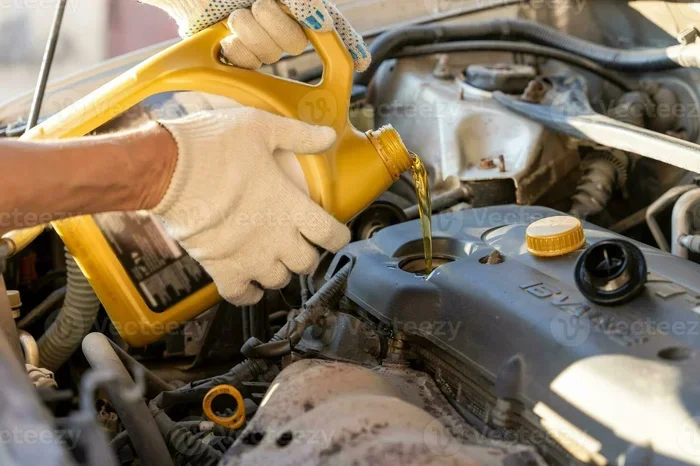
The engine oil is the biggest variable in the cost. There are three main types of oil on the market. Conventional oil is the most basic and least expensive. Synthetic blend oil mixes conventional and synthetic for better performance. Full synthetic oil offers the highest level of protection and comes at a premium price.
Here is a rough idea of how oil type affects the price:
- Conventional oil: Usually the cheapest option, often used in older vehicles or basic models.
- Synthetic blend: A middle-ground choice that offers better protection than conventional at a moderate cost.
- Full synthetic: The most expensive but also the best for modern engines and extreme driving conditions.
If your car requires full synthetic oil, a $60 oil change is completely normal. In fact, it might even be on the lower end for some shops. But if you are getting conventional oil, that same price might feel steep. This is why knowing your vehicle oil type is so important.
The Oil Filter
Every oil change includes a new oil filter. This small part catches debris and keeps your engine oil clean. Some shops include the filter in the base price. Others charge separately. A quality oil filter can add anywhere from $5 to $15 to your bill.
Do not let a shop upsell you on an expensive “premium” filter unless your vehicle specifically needs it. For most cars, a standard OEM or quality aftermarket filter works perfectly fine.
Labor and Service Fees
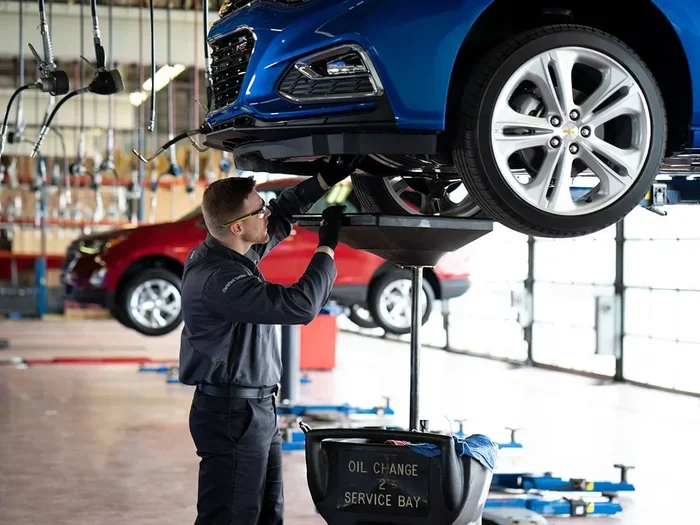
Labor is the hands-on work of draining the old oil, replacing the filter, and checking for leaks. Many quick lube shops bundle labor into a flat rate. Dealerships often itemize it separately. That service fee can add $10 to $25 depending on where you go.
Some shops also charge a “shop fee” or “environmental fee.” These small add-ons are common and legal in many states. They are worth knowing about so they do not surprise you at the counter.
Additional Fluids and Top-Offs
A thorough oil change service often includes checking and topping off other fluids. Transmission fluid, brake fluid, power steering fluid, and coolant are commonly checked. Some shops include this in the price. Others charge extra for each fluid they add.
This is one reason the total price can creep up. If you walk in for a basic oil change and walk out paying $60, those extra top-offs might be the reason.
Factors That Drive Oil Change Costs
Oil change prices are not one-size-fits-all. Several key factors influence what you will pay at the register. Understanding these helps you set realistic expectations and avoid sticker shock.
Your Vehicle Type
The car you drive directly impacts the oil change cost. A compact sedan needs less oil than a full-size truck or SUV. Larger engines require more oil, which means a higher material cost. Some luxury or performance vehicles also require special oil formulations that cost more.
Here is a general breakdown by vehicle category:
- Compact cars and sedans: Typically need 4 to 5 quarts of oil. Lower end of the price spectrum.
- Mid-size sedans and SUVs: Usually require 5 to 7 quarts. Mid-range pricing.
- Trucks and large vehicles: Often need 7 to 8 quarts or more. Higher cost for materials alone.
- Luxury or performance vehicles: May require synthetic oil and specialty filters. These push costs higher.
Your Location
Where you live affects auto service prices. Oil change cost in a major city is often higher than in a rural area. Rent, labor rates, and local competition all play a role. If you live in a place with a high cost of living, expect to pay more across the board for car maintenance.
That said, higher prices in a city do not always mean better service. It just means the market supports those rates.
The Shop You Choose
Not all oil change providers are created equal. Here are the main types and how they typically compare:
- Dealership service center: Usually the most expensive option. You pay for OEM parts and trained technicians familiar with your specific vehicle model. A $60 oil change at a dealership is often considered reasonable.
- Quick lube shops: These specialize in fast, affordable oil changes. Prices often range from $30 to $50 for conventional oil. $60 might be on the high end here unless you are getting full synthetic.
- Independent mechanics: Prices vary widely. A skilled independent mechanic can offer fair pricing and quality work. Expect to pay somewhere in the middle.
- DIY oil change: Doing it yourself is the cheapest route. You pay only for materials, which can bring the total down to $20-$35.
Oil Change Interval and Frequency
How often you need an oil change also affects your long-term costs. Older vehicles with conventional oil typically need changes every 3,000 to 5,000 miles. Modern cars using full synthetic oil can go 7,500 to 10,000 miles between changes.
So even if a single oil change costs $60, you might need fewer of them per year. That changes the annual maintenance picture significantly.
Is 60 Too Much for an Oil Change? Breaking It Down
Now let us tackle the big question directly. Is 60 too much for an oil change? The honest answer is: it depends on the situation.
Let us look at different scenarios and where $60 fits in each one.
Scenario 1: Conventional Oil at a Quick Lube
If you drive a standard sedan and the shop uses conventional oil, a $60 price tag might feel high. Most quick lube shops charge between $30 and $50 for a conventional oil change. In this case, you might want to ask what extra services are included or shop around.
That does not mean the shop is overcharging you. But there is likely room for a better deal elsewhere.
Scenario 2: Full Synthetic Oil at a Dealership
If your car needs full synthetic oil and you are at a dealership, $60 is a very fair price. Many dealerships charge between $60 and $100 for a synthetic oil change. You are paying for the quality oil, OEM filters, and trained technicians who know your specific vehicle.
In this scenario, $60 is actually a good price. You might even be getting a deal.
Scenario 3: Oil Change with Extra Services
Sometimes a $60 oil change includes extras. A tire rotation, a multi-point inspection, fluid top-offs, and a new air filter can all be part of the package. If those services are included, $60 is excellent value.
Always ask what is included in the price before you assume it is too much. A bundled service can save you money compared to paying for each item separately.
Scenario 4: Luxury or European Vehicle
European cars like BMW, Mercedes, or Audi often require synthetic oil and have larger oil capacities. An oil change for one of these vehicles can easily cost $80 to $150. In that context, $60 would be a bargain.
So the vehicle type is a huge factor in answering whether $60 is too much.
How to Save Money on Your Next Oil Change
Saving money on car maintenance does not mean sacrificing quality. There are smart ways to keep your oil change cost down without risking your engine health.
Check for Coupons and Promotions
Most oil change chains and even dealerships run regular promotions. Check their websites, sign up for email lists, or download their apps. A simple coupon can save you $10 to $20 on a single visit.
Some shops also offer loyalty programs. After a few visits, you might earn a discount or a free extra service. These small savings add up over time.
Compare Prices Online
A quick search for “oil change near me” will show you multiple options in your area. Compare prices, read reviews, and check what is included in each quote. You might find a quality shop offering the same service for $10 to $15 less.
Do not just go with the cheapest option blindly. Read reviews and ask about the oil and filter quality. A rock-bottom price sometimes means low-quality parts.
Consider Synthetic Oil for Longer Intervals
This might sound counterintuitive. Synthetic oil costs more per change, but it lasts longer. If your vehicle can go 7,500 to 10,000 miles between synthetic oil changes, you will need fewer visits per year. That can actually reduce your total annual maintenance spending.
Check your owner manual or ask your mechanic if synthetic oil is right for your car. Many modern vehicles come from the factory with synthetic oil.
Do It Yourself (If You Are Comfortable)
A DIY oil change is the most cost-effective option. You need a few basic tools, a drain pan, a new oil filter, and the right type of oil. You can find all of these at any auto parts store for around $20 to $35 total.
Here are some quick tips if you go the DIY route:
- Watch a tutorial specific to your vehicle model before you start.
- Dispose of the old oil properly. Most auto parts stores accept used oil for free recycling.
- Keep track of your oil change date and mileage. This helps you stay on schedule.
- Do not skip the new oil filter. It is a small cost with a big impact on engine health.
Stick to the Recommended Maintenance Schedule
Skipping oil changes to save money is a false economy. Old or low oil causes engine wear, which leads to expensive repairs down the road. Staying on top of your maintenance schedule protects your investment and keeps your car running smoothly.
Many newer vehicles have an oil life monitor system. This electronic indicator tells you when it is time for a change based on your driving conditions. Use it as a guide rather than relying on a fixed mileage number.
DIY vs Professional Oil Change
The debate between DIY and professional oil changes comes down to convenience, cost, and confidence. Both options have real benefits, and the right choice depends on your situation.
The Case for DIY
Doing your own oil change gives you complete control. You choose the oil brand, the filter, and the quality of every component. You also save on labor costs, which is the biggest expense at any shop.
However, DIY requires time, tools, and some mechanical knowledge. You need to safely lift the vehicle, drain the oil properly, and dispose of the old materials responsibly. If you have never done it before, the first few times can feel intimidating.
The Case for Professional Service
Professional oil changes are fast and convenient. Many quick lube shops can complete an oil change in 15 to 30 minutes. You do not need any tools or prior experience.
Professionals also spot potential problems during the service. A trained technician might notice a small leak, low fluid levels, or worn components before they become serious issues. That early detection can save you from costly repairs later.
Which Option Is Right for You?
If you are comfortable under the hood and have the right setup at home, DIY can save you real money over time. If you value convenience and want the peace of mind that comes with professional service, a shop is the way to go.
Either way, make sure you are using the correct oil type and a quality filter. Those details matter more than whether you or a professional do the work.
When an Oil Change Cost Is Worth It
Not all oil change expenses are created equal. Some situations make a higher price completely justified. Here is when paying a bit more is actually a smart move.
Your Vehicle Is Still Under Warranty
If your car is under a factory warranty, following the manufacturer maintenance schedule is essential. Using the wrong oil or skipping an oil change can void your warranty. In this case, going to the dealership and paying their price is worth the protection it provides.
You Drive in Severe Conditions
Severe driving conditions include short trips, extreme heat or cold, towing, and stop-and-go traffic. These conditions cause oil to break down faster. If your driving habits fall into this category, more frequent oil changes with high-quality oil are worth the investment.
Your Engine Is High-Mileage
Older engines with high mileage benefit from premium oil and regular changes. The extra protection helps extend the life of your engine. Paying a bit more for a quality oil change is a small price compared to a major engine repair.
You Are Selling or Trading In Your Vehicle
A well-maintained vehicle with documented oil changes holds its value better. Buyers and dealers look at maintenance records. A consistent oil change history signals that the car has been cared for properly.
In all these situations, a $60 oil change is not too much. It is a smart investment in your vehicle’s longevity and reliability.
Common Mistakes People Make With Oil Changes
Avoiding these common pitfalls helps you get the best value and protect your engine at the same time.
- Ignoring the owner manual: Your vehicle manual tells you exactly what oil type and change interval your car needs. Following generic advice can lead to using the wrong oil.
- Choosing the cheapest option every time: The lowest price does not always mean the best value. Low-quality oil or reused filters can harm your engine over time.
- Waiting too long between changes: Pushing past the recommended interval strains your engine. Fresh oil is cheap insurance against expensive repairs.
- Not checking for leaks afterward: Whether you do it yourself or go to a shop, always check under the car after an oil change. A small drip today can become a big problem tomorrow.
- Overlooking the oil life monitor: Many modern cars have systems that track driving habits and adjust the change interval. Trust this system instead of a fixed mileage rule.
Expert Insights on Oil Change Pricing
We asked a few experienced mechanics about what they think of the $60 oil change price point. Here is what they had to say.
“Most of my customers ask about the price before they ask about the quality,” says one longtime mechanic. “I tell them to focus on what goes into their engine. A $60 synthetic oil change is a great deal. A $60 conventional oil change at a dealership might be too high.”
Another technician adds, “The biggest mistake people make is comparing apples to oranges. One shop charges $45 for conventional oil. Another charges $60 for full synthetic. Those are not the same service. Look at what you are getting, not just the number on the invoice.”
This advice is spot on. When evaluating whether $60 is too much, always compare the full package: oil type, filter quality, included services, and the reputation of the shop.
Key Takeaways
- The average oil change cost ranges from $35 to $75: $60 sits comfortably in the middle of that range for most vehicles.
- Oil type is the biggest price driver: Full synthetic oil costs more than conventional, and that directly impacts the final bill.
- Shop type matters: Dealerships charge more than quick lubes, which charge more than DIY. Each has its own value proposition.
- Extra services can justify a higher price: If a $60 oil change includes a tire rotation and multi-point inspection, you are getting good value.
- Vehicle type affects the cost: Larger engines, luxury cars, and European vehicles naturally cost more to service.
- Saving money is possible without sacrificing quality: Coupons, loyalty programs, and DIY options can all reduce your oil change cost.
- $60 is rarely too much when you understand what you are paying for: Context is everything when evaluating any service price.
Conclusion
So, is 60 too much for an oil change? The answer really comes down to context. For a full synthetic oil change at a dealership, $60 is a very fair price. For a conventional oil change at a quick lube, it might be on the higher side. And for a DIY oil change, $60 might even be more than you need to spend.
The key is knowing what goes into the price. Oil type, filter quality, labor, and any extra services all add up. When you understand those components, you can make an informed decision about whether the price is right for you.
Regular oil changes are one of the most important things you can do for your vehicle. They keep your engine running smoothly, protect your investment, and help prevent costly repairs down the road. Do not let sticker price alone determine whether you skip or delay an oil change.
Next time you see a $60 oil change quote, take a moment to evaluate what you are getting. Ask questions. Compare options. And remember that the cheapest oil change is not always the best one. Your engine will thank you for using quality oil, following the recommended maintenance schedule, and choosing a reputable shop.
Stay on top of your car maintenance. Your future self will be glad you did.
Frequently Asked Questions
What is the average oil change cost in 2024?
The average oil change cost in 2024 ranges from about $35 to $75 for most standard vehicles. The final price depends on the type of oil used, the shop you visit, and any additional services included. Full synthetic oil changes tend to fall in the higher end of that range, while conventional oil changes are usually more affordable.
Can I use synthetic oil in any car?
Most modern cars can use synthetic oil, but it is always best to check your owner manual first. Some older vehicles with high-mileage engines may not benefit as much from synthetic oil. If your car manufacturer recommends synthetic, using it is a smart move for engine protection and longevity.
How often should I change my oil?
The standard oil change interval used to be every 3,000 miles, but that is no longer true for most vehicles. Many modern cars can go 5,000 to 10,000 miles between oil changes, especially when using full synthetic oil. Check your owner manual or refer to your vehicle oil life monitor for the most accurate guidance.
Is a DIY oil change really cheaper?
Yes, a DIY oil change is typically cheaper because you eliminate labor costs. The total cost for materials usually runs between $20 and $35. However, you need the right tools, a safe way to lift the vehicle, and a responsible way to dispose of the old oil. If you are not comfortable with any of these steps, a professional oil change is the better choice.
Why do dealerships charge more for oil changes?
Dealerships charge more because they use OEM parts, employ trained technicians who know your specific vehicle, and follow the manufacturer maintenance schedule exactly. This matters most if your car is still under warranty. For out-of-warranty vehicles, an independent mechanic or quick lube shop can offer comparable quality at a lower price.
What happens if I skip an oil change?
Skipping an oil change allows old oil to break down and lose its lubricating properties. This leads to increased engine friction, heat buildup, and eventually engine wear. Over time, neglected oil changes can cause costly engine damage. Staying on top of your oil change schedule is one of the simplest and most affordable ways to protect your vehicle.