What Does Brake System Malfunction Mean for Your Car
A brake system malfunction means something is wrong with your car’s ability to slow down or stop safely. It can range from minor issues like worn brake pads to serious hydraulic failures that put you and others at risk. Recognizing the early warning signs of a brake system malfunction can save you from costly repairs and, more importantly, prevent dangerous accidents. In this guide, we break down exactly what a brake system malfunction means, what causes it, and how to respond when it happens.
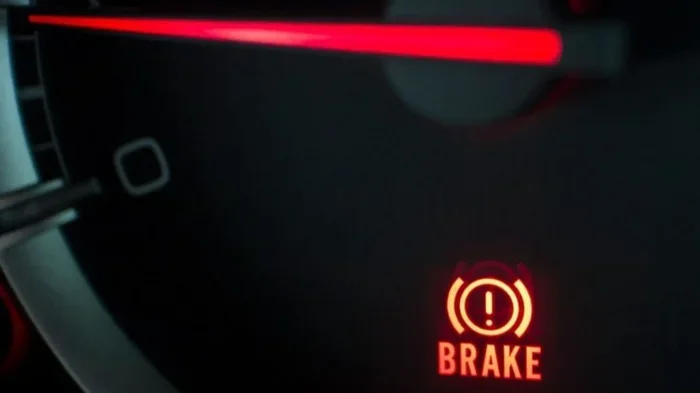
You are driving down the road, and suddenly a warning light pops up on your dashboard. It says something about a brake system malfunction. Your heart drops. What does that even mean? Is your car about to stop working entirely? Can you still trust your brakes?
Here is the thing. A brake system malfunction does not always mean your brakes have completely failed. But it does mean something is not right. And that something needs your attention. Your brakes are the most important safety feature in your car. So understanding what a brake system malfunction means can make all the difference between a simple fix and a dangerous situation on the road.
In this article, we will walk you through everything you need to know. From the most common causes to the warning signs you should never ignore. We will also cover what to do when you see that dreaded warning light. By the end, you will feel more confident and prepared. Let us get into it.
Key Takeaways
- Brake system malfunction refers to any failure or irregularity in your car’s braking components that reduces stopping power or safety.
- Common causes include worn brake pads, low brake fluid, ABS system faults, and damaged brake lines or calipers.
- Warning signs like squealing noises, a spongy brake pedal, or a brake warning light should never be ignored.
- Ignoring brake problems can lead to longer stopping distances, complete brake failure, and serious accidents.
- Regular brake maintenance, including fluid flushes and pad replacements, helps prevent most brake system malfunctions.
- If you experience a sudden brake failure, stay calm, pump the pedal, use emergency braking, and pull over safely.
📑 Table of Contents
- What Does Brake System Malfunction Mean?
- Common Causes of Brake System Malfunction
- Warning Signs Your Brakes Need Attention
- How Brake System Malfunction Affects Your Safety
- What to Do When You Experience Brake Problems
- Preventing Brake System Malfunction
- Brake System Malfunction: Cost of Repair
- Frequently Asked Questions
- Final Thoughts
What Does Brake System Malfunction Mean?
At its core, a brake system malfunction is a general alert that something in your braking system is not working as it should. Your car has sensors that monitor every part of the braking process. When those sensors detect an issue, they trigger a warning. The message might show up as a light on your dashboard or a notification on your driver display.
But here is the tricky part. The warning does not always tell you exactly what the problem is. A brake system malfunction could mean a minor sensor glitch. Or it could point to a serious hydraulic failure. That is why it is so important to understand the possible causes and warning signs.
Your braking system is made up of many parts working together. There are brake pads, rotors, calipers, brake lines, a master cylinder, and a brake booster. There is also the ABS module, which prevents your wheels from locking up during hard stops. When any one of these components fails or underperforms, your car may flag a brake system malfunction.
The good news is that most brake issues are fixable when caught early. The bad news is that ignoring them can lead to brake failure. And brake failure at highway speeds is extremely dangerous. So let us take a closer look at what could be going wrong under the hood.
Common Causes of Brake System Malfunction
There are many reasons why a brake system malfunction might appear. Some causes are simple and inexpensive to fix. Others require more involved repairs. Let us go through the most common ones.
Worn Brake Pads
Brake pads are the parts that press against your rotors to create friction and slow your car down. Over time, they wear down. When they get too thin, they can no longer grip the rotors effectively. Most cars have sensors that alert you when your brake pads are worn out. This is one of the most common reasons for a brake system malfunction warning.
You might also hear a high-pitched squealing or grinding noise when you press the brake pedal. That sound is your pads telling you they need attention. Ignoring worn pads can damage your rotors too, which makes the repair much more expensive.
Low Brake Fluid
Brake fluid is the hydraulic liquid that transfers the force from your foot on the pedal to the brakes themselves. If your brake fluid level drops too low, your brakes will not work properly. A leak in the brake lines, calipers, or master cylinder can cause fluid loss.
Low brake fluid often triggers the brake system malfunction light. Check your brake fluid reservoir under the hood. If the level is below the minimum line, do not just top it off and ignore it. Find the leak first. Topping off without fixing the leak is only a temporary solution.
ABS System Faults
The anti-lock braking system, or ABS, is a safety feature that keeps your wheels from locking up during sudden stops. It lets you steer while braking hard. When the ABS sensor or module has a problem, your car may display a brake system malfunction message.
Common ABS issues include a faulty wheel speed sensor, a damaged ABS module, or contaminated fluid in the ABS circuit. These problems can affect your ability to stop safely on wet or icy roads. Getting an ABS fault diagnosed quickly is essential for your safety.
Damaged Brake Lines or Hoses
Brake lines carry brake fluid from the master cylinder to each wheel. Over time, these lines can corrode, crack, or develop leaks. Brake hoses can also swell or crack with age. When a brake line fails, fluid leaks out, and pressure drops. This can cause a spongy brake pedal or a complete loss of braking power.
Brake line damage is especially common in older vehicles or cars that have been driven through harsh conditions like salt roads or flooded areas. If you suspect a brake line issue, get your car inspected right away.
Master Cylinder Failure
The master cylinder is the heart of your braking system. It generates the hydraulic pressure that activates the brakes at each wheel. When the master cylinder starts to fail, you may notice a brake pedal that feels soft or goes all the way to the floor.
Master cylinder failure can happen due to internal wear, contamination, or a seal leak. This is a serious issue because it affects all four wheels. If you suspect your master cylinder is failing, do not drive the car until it is repaired.
Brake Caliper Problems
Brake calipers squeeze the brake pads against the rotors. If a caliper gets stuck, corroded, or damaged, it can cause uneven braking. You might notice your car pulling to one side when you brake. A stuck caliper can also cause excessive wear on one brake pad compared to the others.
Caliper problems often lead to overheating, which can damage the brake fluid and reduce braking performance. Replacing a stuck caliper early can prevent more expensive damage down the road.
Warning Signs Your Brakes Need Attention
Your car usually gives you plenty of warning before a brake system malfunction becomes a serious problem. Here are the signs you should watch for.
- Brake Warning Light: This is the most obvious sign. If the brake light on your dashboard stays on, do not ignore it. It could mean anything from low fluid to a serious system fault.
- Squealing or Grinding Noises: High-pitched squealing often means your brake pads are worn down. Grinding means the pads are completely gone and metal is grinding against metal. Get this checked immediately.
- Spongy or Soft Brake Pedal: If the pedal feels mushy or sinks to the floor, you may have air in the brake lines or a hydraulic leak.
- Vibrations When Braking: A vibrating pedal usually points to warped brake rotors. This can happen from heavy braking or prolonged driving down steep hills.
- Increased Stopping Distance: If your car takes longer to stop than usual, your brakes are losing effectiveness. This is a dangerous sign that should never be ignored.
- Car Pulling to One Side: Uneven braking can cause your vehicle to drift left or right when you apply the brakes. This often indicates a caliper or brake line problem.
- Burning Smell: A chemical or burning smell after heavy braking could mean your brakes are overheating. Pull over safely and let them cool down before continuing.
If you notice any of these signs, take your car to a trusted mechanic as soon as possible. Addressing brake issues early can save you money and, more importantly, keep you safe.
How Brake System Malfunction Affects Your Safety
Your brakes are the single most important safety system in your vehicle. When they are not working correctly, your ability to stop quickly and safely is compromised. Let us talk about what that really means for you and your passengers.
A brake system malfunction can increase your stopping distance significantly. On a dry road at 60 miles per hour, a car with working brakes stops in about 120 feet. But if your brakes are compromised, that distance can double or even triple. On wet or icy roads, the difference becomes even more dramatic.
Beyond stopping distance, a malfunctioning brake system can also affect your control. If one brake caliper is stuck, your car will pull to one side during braking. In an emergency, this can cause you to swerve into another lane or off the road. ABS faults can cause wheel lockup during hard stops, leading to skidding and loss of steering control.
The bottom line is simple. Brake problems are not just inconvenient. They are life-threatening. Taking a brake system malfunction seriously is one of the most important things you can do as a driver.
What to Do When You Experience Brake Problems
If you are driving and the brake system malfunction light comes on, stay calm. Here is what you should do step by step.
- Check Your Brake Pedal Feel: Does the pedal feel normal, or is it soft and sinking? If it feels normal, you may be able to drive slowly to a safe location. If it feels abnormal, stop driving immediately.
- Check Your Brake Fluid: If you are comfortable doing so, open the hood and check the brake fluid reservoir. If the level is very low, you likely have a leak. Do not continue driving.
- Use Engine Braking: If your brakes feel weak, shift to a lower gear to use engine braking. This can help you slow down gradually without relying solely on the brakes.
- Pump the Brake Pedal: If the pedal feels spongy, try pumping it a few times. This can sometimes build up enough pressure to slow the car down temporarily.
- Use the Emergency Brake: If your regular brakes are not working, engage the emergency or parking brake slowly. Do not pull it up all at once or the rear wheels may lock up and cause a skid.
- Pull Over Safely: Turn on your hazard lights and find a safe place to stop. Call for roadside assistance or a tow truck if needed.
Remember. Your safety comes first. No appointment, no errand, no deadline is worth risking your life over a brake problem.
Preventing Brake System Malfunction
The best way to deal with a brake system malfunction is to prevent it from happening in the first place. Regular maintenance is your best friend when it comes to brake health.
Follow Your Manufacturer’s Maintenance Schedule
Every car comes with a recommended maintenance schedule. This schedule includes brake inspections, pad replacements, and brake fluid flushes. Sticking to this schedule helps catch small problems before they turn into big ones. Most manufacturers recommend a brake inspection every 12,000 to 15,000 miles.
Replace Brake Fluid Regularly
Brake fluid absorbs moisture over time. Moisture in the brake fluid can cause corrosion inside the brake lines and calipers. It can also lower the fluid’s boiling point, which means your brakes can fade during heavy use. Most experts recommend flushing and replacing brake fluid every two years or 30,000 miles.
Listen to Your Car
Your car talks to you all the time. You just have to listen. Unusual noises, changes in pedal feel, or new vibrations are all signals. Do not wait for the warning light to come on. By then, the problem may already be serious.
Drive Defensively
How you drive affects how fast your brakes wear out. Hard braking, riding the brake pedal, and aggressive driving all put extra stress on your braking system. Smooth, defensive driving not only saves fuel but also extends the life of your brake components.
Address Small Issues Promptly
A small brake noise today can become a major repair next month. If you notice anything unusual, get it checked. A quick inspection now can save you hundreds of dollars and a lot of stress later.
Brake System Malfunction: Cost of Repair
The cost of fixing a brake system malfunction varies widely depending on the cause. Here is a rough breakdown of common repairs and their costs.
| Repair | Estimated Cost Range |
|---|---|
| Brake Pad Replacement | $150 to $300 per axle |
| Brake Rotor Replacement | $300 to $700 per axle |
| Brake Caliper Replacement | $300 to $800 per caliper |
| Brake Fluid Flush | $80 to $150 |
| Master Cylinder Replacement | $400 to $1,000 |
| ABS Sensor Replacement | $150 to $400 |
| Brake Line Repair | $150 to $500 |
| Brake Booster Replacement | $500 to $1,200 |
These are average costs and can vary depending on your vehicle model, location, and the severity of the issue. Always get a detailed estimate from your mechanic before approving any repairs.
Frequently Asked Questions
Can I still drive my car if the brake system malfunction light is on?
It depends on how the brakes feel. If the pedal feels firm and normal, you may be able to drive slowly to a nearby shop. But if the pedal feels soft, spongy, or goes to the floor, do not drive the car. Have it towed to a mechanic. Driving with a known brake issue puts you and everyone on the road at risk.
How much does it cost to fix a brake system malfunction?
The cost varies widely depending on the cause. Simple fixes like replacing brake pads may cost $150 to $300 per axle. More serious issues like a master cylinder or ABS module failure can cost $500 or more. The best approach is to get a proper diagnosis from a qualified mechanic first.
What causes a brake system malfunction warning to come on?
There are many possible causes. Worn brake pads, low brake fluid, ABS sensor faults, damaged brake lines, and master cylinder issues are the most common. Sometimes the warning is triggered by a simple sensor glitch. But it is always best to get the car inspected to rule out anything serious.
How often should I have my brakes checked?
Most manufacturers recommend a brake inspection at least once a year or every 12,000 to 15,000 miles. If you drive in stop-and-go traffic or live in hilly areas, you may need inspections more often. Pay attention to any changes in how your brakes feel or sound between scheduled inspections.
Can low brake fluid cause a brake system malfunction?
Yes, absolutely. Low brake fluid is one of the most common triggers for a brake system malfunction warning. Fluid levels drop when there is a leak in the system or when the brake pads wear down significantly. If you check your fluid and it is low, have the system inspected for leaks before simply topping it off.
Is a brake system malfunction the same as brake failure?
No, they are not the same. A brake system malfunction means something is wrong with the system, but the brakes may still work to some degree. Brake failure means the brakes have stopped working completely. A malfunction warning is your chance to fix the problem before it turns into full failure. Always treat a malfunction warning seriously.
Final Thoughts
Understanding what a brake system malfunction means is one of the most valuable things you can do as a car owner. It is not just a warning light. It is your car telling you that its most critical safety system needs attention. Whether the cause is something simple like worn brake pads or something more serious like a hydraulic leak, the key is to act quickly.
Do not wait for the problem to get worse. Do not assume the light will go away on its own. Your brakes are what stand between you and a safe stop. They deserve your respect and your prompt attention.
Stay on top of your brake maintenance. Listen to the sounds your car makes. Pay attention to how the brake pedal feels. And when in doubt, get a professional inspection. A few dollars spent on prevention today can save you from a life-changing accident tomorrow. Take care of your brakes, and they will take care of you. Drive safe, and always give your braking system the attention it deserves.