Can Anti-Theft Systems Drain a Car Battery Overnight
Can anti-theft systems drain a car battery overnight? Yes, they can, especially if the system has a fault or the battery is old. This guide explains why your alarm or immobilizer might kill your battery and shows you how to stop it.
Have you ever walked out to your car in the morning only to find a dead battery? You turn the key, and nothing happens. The lights don’t come on, and the radio stays silent. It is a frustrating experience, and one of the first things you might think is, “Did my anti-theft system drain the battery overnight?”
The short answer is yes. Can anti-theft systems drain a car battery overnight? Absolutely. Your car’s security system is designed to protect your vehicle, but it can also become a hidden battery killer. Many drivers face this exact problem, especially with older cars or poorly maintained alarms. In this guide, we will break down exactly how this happens, what causes it, and what you can do to stop it. You will learn simple fixes that keep your battery healthy and your car secure.
Key Takeaways
- Yes, anti-theft systems can drain a battery: A faulty alarm or immobilizer can cause a parasitic draw that kills your battery overnight.
- Parasitic draw is the real culprit: Even when your car is off, devices like the key fob, door lock actuators, and central locking system can pull small amounts of power.
- Old batteries are more vulnerable: An aging car battery cannot handle the extra load, leading to a dead battery in the morning.
- Aftermarket alarms pose higher risk: Poorly installed aftermarket alarm systems often have wiring issues that increase battery drain.
- Prevention is simple: Use a battery tender, check your key fob battery, and have a professional install your security system.
- Know when to seek help: If you notice frequent dead batteries or warning lights, consult a mechanic to inspect your security system wiring.
📑 Table of Contents
How Car Anti-Theft Systems Work
Before we dive into battery drain, it helps to understand what your anti-theft system actually does. Modern cars come with built-in security features that work silently in the background. You rarely think about them until something goes wrong.
The Basic Components
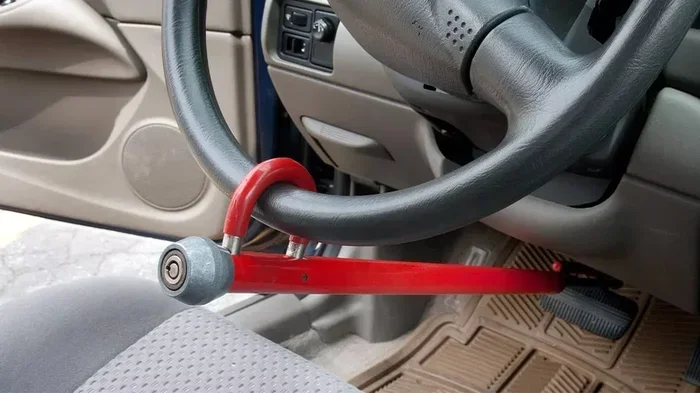
Most systems have a few key parts. The immobilizer prevents the engine from starting without the correct key or fob. The alarm sounds if someone tries to break in. The central locking system locks all doors and the trunk with a remote. Each of these parts uses a small amount of electricity, even when the car is off. This is called a parasitic draw or vampire draw. A tiny draw is normal. But when something goes wrong, that draw becomes much larger.
How Immobilizers Differ from Alarms
An immobilizer works with your key fob battery to recognize your car. It cuts off fuel or spark if the wrong key is used. An alarm uses sensors on doors, hoods, and trunks. It relies on security system wiring to trigger a loud siren. Both systems stay active even when you turn off the ignition. That means they are always drawing power from the battery. A healthy battery can handle this small load. But an old battery or a faulty system will struggle.
Can Anti-Theft Systems Drain a Car Battery Overnight?
The question can anti-theft systems drain a car battery overnight is one of the most common concerns among car owners. The answer depends on a few factors. Let us look at the short answer first, and then we will explore why it happens.
The Short Answer
Yes, a malfunctioning anti-theft system can drain your battery completely overnight. A normal parasitic draw should be between 25 and 50 milliamps. That is small enough that a good battery can handle it for weeks. But if your anti-theft system battery drain is higher, say 100 milliamps or more, your battery will die fast. A car alarm battery drain can happen in just a few hours if the system is stuck in an active state.
What Is a Parasitic Draw?
A parasitic draw is any electrical current that your car uses when it is turned off. Your clock, radio memory, and security system all cause a small draw. This is normal and expected. However, a vampire draw occurs when a component stays active when it should not. For example, a faulty door lock actuator might keep trying to lock and unlock. Or a remote start battery drain could happen if the system fails to enter sleep mode. These constant activities pull power from the battery, even while you sleep.
Quick Tip: Test for Parasitic Draw at Home
You do not need a mechanic to check for a parasitic draw. You can do it yourself with a multimeter. Follow these steps:
- Turn off the car and remove the key.
- Make sure all doors are closed and the alarm is disarmed.
- Wait at least 30 minutes for the system to sleep.
- Disconnect the negative battery terminal.
- Set your multimeter to the DC amp setting.
- Place the multimeter probes between the negative terminal and the negative cable.
- Read the current. If it is above 50 milliamps, you have a draw problem.
This simple test can save you a lot of trouble. It tells you if your anti-theft system is the cause of your dead battery.
Why Your Alarm Drains the Battery (Common Causes)
If your car alarm or immobilizer is draining your battery, there is usually a clear reason. Let us look at the most common causes. Each one is easy to spot and fix.
Faulty Door Lock Actuators
Your door lock actuator is the small motor that locks and unlocks the doors. When it fails, it can keep running even after you lock the car. This causes a constant anti-theft system battery drain. You might hear a slight clicking sound at night. That is the actuator trying to engage but failing. Replacing a bad actuator solves this problem quickly.
Aftermarket Alarm Installation Issues
Many drivers install aftermarket alarm systems to add extra protection. While these alarms are great, they can also cause problems if not installed correctly. Loose wiring, incorrect grounding, or tapping into the wrong circuit can create a large parasitic draw. A professional aftermarket alarm installation ensures the system integrates smoothly with your car’s wiring. If you installed the alarm yourself, double-check all connections.
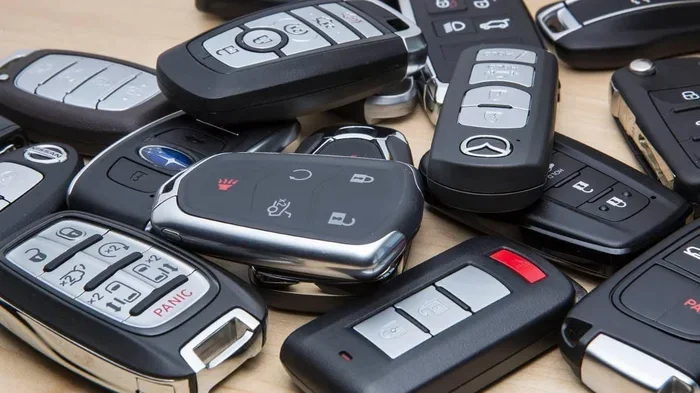
Key Fob and Remote Start Problems
A weak key fob battery can confuse your car’s security system. The system might think someone is trying to break in, so it stays alert. This keeps the alarm and immobilizer active, leading to remote start battery drain. Replace your key fob battery every two years. Also, some remote start systems stay connected to the internet or a phone app. This constant connection adds to the vampire draw if the system is not properly configured.
Common Mistake: Ignoring a Failing Battery
Here is a mistake many drivers make. They blame the alarm when the real problem is the battery itself. An old car battery cannot hold a charge like it used to. The security system draws the same small amount of power, but the weak battery cannot handle it. If your battery is more than four years old, have it tested. A simple battery health check at any auto parts store takes just a few minutes. Replacing an old battery often fixes the mystery of a dead battery overnight.
How Different Systems Affect Battery Life
Not all anti-theft systems drain your battery the same way. The type of system, its age, and how it was installed all matter. Here is a quick comparison of common security systems and their typical impact on battery life.
| System Type | Typical Parasitic Draw | Battery Drain Risk | Notes |
|---|---|---|---|
| Factory Immobilizer | 10-25 mA | Low | Designed to be energy efficient; rarely causes issues. |
| Factory Alarm | 25-50 mA | Low to Medium | Normal draw; higher if sensors are faulty. |
| Aftermarket Alarm (Basic) | 50-100 mA | Medium | Poor installation can push this higher. |
| Aftermarket Alarm (Premium) | 10-40 mA | Low to Medium | Better components; smart sleep modes reduce drain. |
| Remote Start System | 30-80 mA | Medium | Can cause remote start battery drain if the module stays awake. |
| Smart Alarm with GPS | 20-60 mA | Medium | GPS tracking adds a constant draw; use a battery tender if parked often. |
As you can see, factory systems are the most gentle on your battery. Aftermarket alarm systems vary widely. A premium smart alarm with proper installation will not cause problems. But a cheap, poorly wired alarm can create a serious car alarm battery drain. Always choose quality parts and professional installation for your security system wiring.
Quick Tip: Choose the Right System for Your Car
If you have an older car with a weak battery, avoid high-draw systems. A simple factory immobilizer or a low-draw aftermarket alarm is your best bet. If you want a remote start or smart alarm, make sure the installer uses a battery tender circuit to protect your battery during long parking periods.
How to Prevent Battery Drain from Your Security System
Preventing anti-theft system battery drain is much easier than fixing it. A few simple habits can keep your battery strong and your car secure. Here are the most effective steps you can take today.
Use a Battery Tender
A battery tender is a small device that plugs into a wall outlet and connects to your battery. It keeps the battery at full charge without overcharging it. This is perfect for cars that sit for days or weeks. If you park your car overnight and worry about car battery maintenance, a battery tender is a game changer. It costs less than a new battery and pays for itself quickly.
Upgrade to a Smart Alarm
Modern smart alarms have built-in sleep modes. They turn off most functions after a set time and only wake up when a sensor is triggered. This reduces the vampire draw dramatically. If your current alarm is old, consider upgrading. Look for alarms that are known for low parasitic draw and easy installation. Brands that focus on car battery maintenance often include battery protection features.
Expert Insight: Professional Installation Matters
Many drivers try to save money by installing alarms themselves. While it is possible, it is easy to make mistakes. A single loose wire can create a large parasitic draw. A professional installer knows how to tap into the right circuits and ensure the security system wiring does not interfere with your battery. If you already have an alarm and suspect it is draining your battery, take it to a shop. They can check the wiring and adjust the settings to reduce the draw.
Common Mistake: Forgetting to Disarm the System
Sometimes the simplest mistake causes the biggest problem. If you walk away and forget to fully disarm your alarm, the system stays on high alert. This can keep the door lock actuator and central locking system active all night. Always make sure you hear the disarm chirp before you leave the car. Also, keep your key fob battery fresh so the signal reaches the car reliably.
Quick Tip: Park in a Covered Area
Cold weather makes batteries work harder. If you park outside on a freezing night, your battery is already under stress. A car alarm battery drain will hit harder in the cold. Parking in a garage or carport helps your battery stay warm and maintain its charge. This is an easy way to support your battery health during winter months.
When to See a Mechanic and Final Thoughts
Most of the time, a dead battery overnight is caused by a simple issue you can fix yourself. But sometimes, the problem is deeper. Knowing when to call a professional can save you time and money.
Signs Your Anti-Theft System Is Damaging the Battery
Watch for these warning signs. If you notice any of them, it is time for a professional check:
- Your battery dies more than once a week.
- You see a flashing security light on the dashboard even when the car is off.
- The alarm goes off randomly with no trigger.
- You hear clicking or buzzing sounds from the doors or trunk when the car is locked.
- Your remote start battery drain leaves you stranded more than once.
These signs point to a deeper anti-theft system battery drain issue. A mechanic can use a diagnostic tool to read the parasitic draw and trace it to the exact component. They can also check your security system wiring for shorts or grounds.
Key Takeaway: Regular Maintenance Checks
The best way to avoid a dead battery is regular car battery maintenance. Test your battery every six months. Clean the terminals to ensure a good connection. Keep your key fob battery fresh. And have your alarm system inspected if you notice any strange behavior. A little prevention goes a long way in keeping your car secure and your battery alive.
So, can anti-theft systems drain a car battery overnight? Yes, they can, but only under certain conditions. A faulty actuator, a poorly installed aftermarket alarm, or an old battery can all turn your security system into a battery killer. The good news is that you have the power to stop it. Use a battery tender, test for parasitic draw, and keep your system well-maintained. Your car will stay protected, and your battery will stay charged. Take these steps today, and you will never have to worry about a dead battery again.
Frequently Asked Questions
How do I stop my anti-theft system from draining my battery?
Start by testing for a parasitic draw with a multimeter. If the draw is high, check your door lock actuators and key fob battery. Use a battery tender when the car sits for long periods, and ensure your aftermarket alarm was installed by a professional to avoid wiring issues.
Can a weak key fob battery cause my car alarm to drain the battery?
Yes, a weak key fob battery can confuse the immobilizer and alarm system. The car may not recognize the fob properly and stays in an alert state, causing a constant draw that drains the battery overnight.
Is it normal for a car alarm to drain the battery overnight?
A small draw of 25 to 50 milliamps is normal. If your alarm causes a draw above 75 milliamps, it is not normal and will likely drain the battery. Check for faulty sensors, loose wiring, or a failing actuator.
What type of anti-theft system drains the least battery?
Factory immobilizers and low-draw smart alarms drain the least. They are designed to use minimal power and enter sleep mode quickly. Avoid cheap aftermarket alarms with high parasitic draw, and always have them installed correctly.
How often should I replace my car battery to prevent anti-theft drain?
Replace your battery every three to five years, or sooner if you notice slow cranking. Regular battery health checks can catch a weak battery before it fails, especially if your security system draws a little extra power.
Will a battery tender completely prevent my alarm from draining the battery?
A battery tender keeps the battery fully charged, so it can handle the small draw from your anti-theft system. It will not fix a faulty system that has a high parasitic draw, but it is an excellent preventive tool for maintaining battery health.