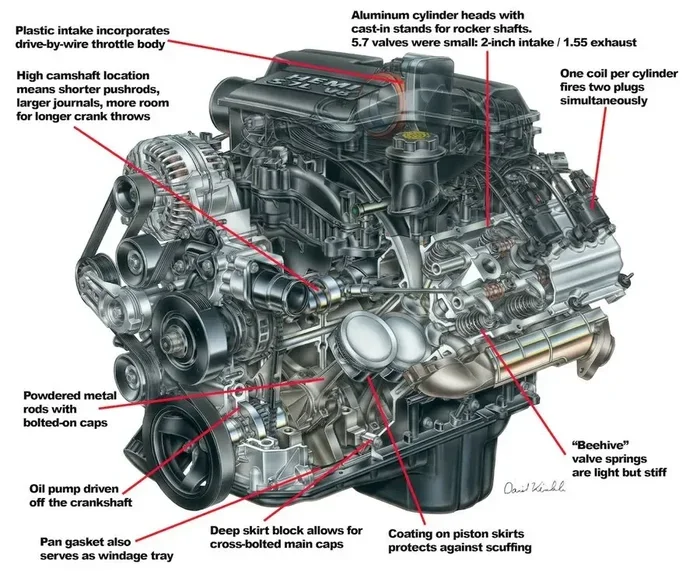
Where Is the Fuel Pump Control Located Under Your Hood
The fuel pump control is a key component that manages how fuel moves from the tank to the engine. Most vehicles hide the fuel pump control module inside the fuel tank or near the fuel pump assembly, while the relay and fuse sit in the engine bay or fuse box. Knowing the fuel pump control location helps you troubleshoot starting problems, stalling, and power loss quickly. This guide walks you through every step with clear instructions and practical tips.
You pop the hood, ready to tackle that mysterious engine noise or that annoying no-start situation. But then you realize something — you have no idea where the fuel pump control actually lives under your hood. It is one of those parts that everyone talks about, but nobody seems to point out clearly. If you have ever wondered about the fuel pump control location, you are in the right place.
Understanding where the fuel pump control sits on your vehicle changes everything. It turns a confusing under-hood maze into a simple map you can follow. Whether you are a weekend DIYer or someone who just wants to understand their car better, this guide covers it all. We will walk through the exact locations, the different types of controls, and how to spot problems before they leave you stranded.
The fuel pump control system is not just one single part. It is a team of components working together. This includes the fuel pump itself, the control module, the relay, the fuse, and the wiring harness that connects everything. Each piece plays a specific role, and knowing where each one lives makes troubleshooting a breeze. Let us dive in and break it all down.
Key Takeaways
- Primary Location: The fuel pump control is typically found inside the fuel tank, mounted on top of the fuel pump module.
- Relay and Fuse Location: The fuel pump relay and fuse are usually in the engine bay fuse box or under the dashboard.
- Control Module: Some vehicles use a separate fuel pump control module managed by the PCM for precise fuel delivery.
- Failure Symptoms: Hard starting, engine stalling, loss of power, and stalling at high temperatures often signal a fuel pump control issue.
- Easy DIY Check: You can test the fuel pump relay, fuse, and wiring harness without visiting a mechanic.
- Regular Maintenance: Keeping the fuel filter clean and using quality fuel extends the life of the fuel pump control system.
📑 Table of Contents
Understanding What the Fuel Pump Control Does
Before we talk about location, let us quickly cover what the fuel pump control actually does. Think of it as the brain behind the fuel delivery system. It tells the fuel pump how fast to run and how much fuel to push through the lines.
In older vehicles, the mechanical fuel pump was driven by the engine camshaft. These were simple and reliable. But modern cars use an electric fuel pump that sits inside the fuel tank. The pump pushes fuel through the lines at high pressure to the engine.
The fuel pump control module manages this entire process. It receives signals from the PCM (Powertrain Control Module) and adjusts the pump speed based on engine demand. When you step on the gas, the control module tells the pump to work harder. When you cruise at a steady speed, it dials things back. This keeps fuel efficiency high and emissions low.
Key Components of the Fuel Pump Control System
Several parts work together to make the fuel pump control function properly:
- Fuel Pump: The actual pump that moves fuel from the tank to the engine.
- Control Module: The electronic unit that regulates pump operation.
- Relay: Acts as a switch that sends power to the fuel pump.
- Fuse: Protects the circuit from electrical overload.
- Wiring Harness: The set of wires that connects all the components.
- Fuel Pressure Regulator: Maintains consistent fuel pressure in the system.
Each of these components has a specific location, and we will cover them all in detail below.
Where Exactly Is the Fuel Pump Control Located
The fuel pump control location depends on your vehicle make, model, and year. Different manufacturers place the components in different spots. However, there are three main areas where you will find the fuel pump control system on most vehicles.
Inside the Fuel Tank
On most modern vehicles, the fuel pump and its control assembly sit inside the fuel tank itself. This is called an in-tank fuel pump setup. The pump is mounted on top of a fuel pump module, which also includes the fuel level sensor and the intake screen.
To access the fuel pump control inside the tank, you typically need to remove the rear seat or a panel on the floor of the cargo area. Underneath, you will find a round cover held in place by bolts or clips. Once you remove the cover, the entire fuel pump assembly comes out.
This design has several advantages:
- The fuel pump stays submerged, which keeps it cool.
- Fuel acts as a lubricant, extending pump life.
- The system is quieter because the tank absorbs vibrations.
- It reduces the risk of vapor lock.
The fuel pump control module is often integrated directly into this assembly or mounted nearby on the top of the module. In some vehicles, the control is handled electronically by the PCM, meaning there is no separate module at all.
Under the Hood — Relay and Fuse Box
While the pump itself lives in the tank, the fuel pump relay and fuel pump fuse are almost always located under the hood. These are the electrical components that send power to the pump.
Most vehicles have the main fuse box in one of two places:
- Under the hood, near the battery or the fender well.
- Under the dashboard, on the driver side.
To find the fuel pump relay, open the fuse box lid. There is usually a diagram printed on the inside of the lid that shows the position of each relay and fuse. Look for labels like “Fuel Pump,” “FP,” or “EFI.” The relay is typically a small, cube-shaped component that plugs into a socket.
The fuel pump fuse is usually a standard blade fuse rated between 20 and 40 amps. If this fuse blows, the fuel pump will not receive power, and the engine will not start. This is one of the first things to check when you have a no-start condition.
On the Fuel Pump Wiring Harness
The fuel pump wiring harness runs from the relay and fuse box down to the fuel tank. It passes through the vehicle’s undercarriage and connects to the fuel pump assembly inside the tank.
Along this harness, you may find additional control points:
- Fuel Pump Shut-Off Switch: Common in vehicles with inertia switches. These cut power to the pump in a collision.
- Connector Plugs: Electrical connections that can corrode or loosen over time.
- Ground Points: Where the wiring harness grounds to the vehicle frame.
The fuel pump control module in some vehicles is mounted along this harness, often near the fuel tank or on the frame rail. It acts as an intermediary between the PCM and the fuel pump, managing voltage and current delivery.
Comparison of Fuel Pump Control Locations by Vehicle Type
| Vehicle Type | Fuel Pump Location | Control Module Location | Relay/Fuse Location |
|---|---|---|---|
| Modern Sedan | Inside fuel tank (in-tank) | Integrated with pump module or PCM | Under-hood fuse box |
| Truck or SUV | Inside fuel tank (in-tank) | PCM-controlled or separate module | Under-hood fuse box |
| Older Vehicle (Pre-2000) | Outside tank or on top of tank | Mechanical or simple relay control | Under-hood fuse box |
| Performance Car | Inside tank (high-pressure pump) | Separate electronic control module | Under-hood, often near fuse box |
| Diesel Vehicle | Inside tank or frame-mounted | PCM-controlled with additional sensors | Under-hood fuse box |
As you can see, the fuel pump control location varies quite a bit. Always consult your vehicle’s service manual for the exact location specific to your make and model.
How to Identify Fuel Pump Control Issues
Knowing the fuel pump control location is only half the battle. The other half is recognizing when something goes wrong. Fuel pump control problems can cause a range of symptoms that affect how your vehicle runs.
Common Symptoms of a Failing Fuel Pump Control
Watch for these warning signs that point to a fuel pump control issue:
- Hard Starting: The engine cranks for a long time before it starts, or it refuses to start altogether.
- Engine Stalling: The engine suddenly dies while driving, especially at higher speeds or under load.
- Loss of Power: You feel a noticeable drop in acceleration or overall engine performance.
- Stalling at High Temperatures: The engine stalls when it is hot and then restarts after cooling down.
- Sputtering at High Speeds: The engine sputters or surges when you are driving above 50 mph.
- Reduced Fuel Economy: You notice you are filling up more often than usual.
- Whining Noise from the Tank: A loud whining or humming sound coming from the fuel tank area.
If you experience any of these symptoms, it is time to investigate the fuel pump control system. Start with the simplest checks and work your way toward the more complex ones.
Quick Diagnostic Steps
Here is a simple way to start diagnosing fuel pump control problems:
- Step 1: Check the fuel pump fuse. Remove it and inspect it for a broken filament.
- Step 2: Test the fuel pump relay. Swap it with a similar relay in the fuse box and see if the pump engages.
- Step 3: Listen for the pump priming. Turn the ignition to the “ON” position (do not start). You should hear a brief humming sound from the tank.
- Step 4: Check the fuel pressure with a gauge. Low pressure often points to a failing pump or control module.
- Step 5: Inspect the wiring harness for corrosion, damage, or loose connections.
These steps can save you a lot of time and money. Many people rush to replace the fuel pump when the real issue is a bad relay or blown fuse.
Step-by-Step Guide to Checking the Fuel Pump Control
Ready to get your hands dirty? Here is a practical walkthrough for checking the fuel pump control system on a typical vehicle. Always remember to work in a well-ventilated area and keep sparks and flames away from fuel.
Checking the Fuel Pump Fuse
Start by locating the fuse box. Open the cover and find the fuel pump fuse using the diagram on the lid. Pull the fuse out with a fuse puller or a pair of needle-nose pliers. Inspect it closely.
If the metal filament inside is broken, the fuse is blown. Replace it with a new fuse of the same amperage. If the new fuse blows immediately, you have a short circuit somewhere in the fuel pump wiring that needs further investigation.
Testing the Fuel Pump Relay
The fuel pump relay is usually a small cube-shaped plug-in component in the fuse box. Here is how to test it:
- Remove the relay from its socket.
- Shake it gently. You should hear a click inside, which indicates the relay is functioning.
- Use a multimeter to test the relay terminals for continuity.
- Swap it with a similar relay (like the horn or A/C relay) and see if the fuel pump activates.
If the relay is faulty, replacing it is inexpensive and easy. This is one of the most common causes of fuel pump control problems, and it is often overlooked.
Inspecting the Wiring Harness
The fuel pump wiring harness runs from the engine bay down to the fuel tank. Over time, exposure to heat, road debris, and moisture can cause damage.
Look for:
- Frayed or exposed wires.
- Corroded connectors.
- Burnt or melted insulation.
- Loose plugs at the fuel pump module.
Use a multimeter to check for continuity along the harness. If you find a break in the wire, you can repair it with a quality wire splice and electrical tape. For corroded connectors, clean them with electrical contact cleaner.
Testing the Fuel Pump Itself
If the fuse, relay, and wiring all check out, the problem likely lies with the fuel pump or its control module. You can test the pump by connecting a fuel pressure gauge to the fuel rail. Start the engine and observe the pressure reading.
Compare the reading to the specifications in your vehicle’s service manual. If the pressure is too low, the pump may be worn out. If the pressure fluctuates wildly, the fuel pump control module might be failing to regulate the pump speed properly.
Quick Tip: Before replacing the fuel pump, always check the fuel pump ground connection. A bad ground can mimic pump failure and cause all the same symptoms. Cleaning the ground point often solves the problem without any parts replacement.
Common Mistakes When Locating the Fuel Pump Control
Even experienced car owners make mistakes when trying to find the fuel pump control location. Here are some of the most common errors to avoid.
Assuming All Vehicles Are the Same
Every vehicle is different. Just because the fuel pump relay is on the left side of the fuse box in your Honda does not mean it is in the same spot in your Ford. Always refer to your specific vehicle’s owner manual or service guide.
Confusing the Fuel Pump Relay with the Fuel Pump Control Module
These are two separate components. The relay simply switches power on and off. The control module actively regulates pump speed. Confusing the two can lead to unnecessary part replacements and wasted money.
Ignoring the PCM Connection
In many modern vehicles, the PCM directly controls the fuel pump through the relay. If the PCM has a software issue or a fault code, it may not send the correct signal to the fuel pump. Before replacing any hardware, consider having the PCM scanned for trouble codes.
Skipping the Fuse Check
This might be the most common mistake of all. People jump straight to replacing the fuel pump when a simple blown fuse is the culprit. Always check the fuse first. It takes five seconds and costs almost nothing.
Not Checking the Fuel Pump Shut-Off Switch
Many vehicles have an inertia switch or a fuel pump shut-off switch. This is a safety feature that cuts power to the pump during a collision. If it has been tripped, the fuel pump will not work even if everything else is fine. The switch is usually located in the trunk or behind a panel in the cabin.
Maintaining Your Fuel Pump Control for Longevity
Prevention is always better than cure. Taking care of your fuel pump control system can extend its life significantly and save you from expensive repairs.
Tips for Keeping the Fuel Pump Control in Good Shape
- Keep the Fuel Tank at Least a Quarter Full: The fuel pump relies on the fuel inside the tank for cooling. Running on empty regularly can overheat the pump.
- Use Quality Fuel: Dirty or contaminated fuel can clog the fuel filter and damage the pump. Buy fuel from reputable stations.
- Replace the Fuel Filter Regularly: A clogged filter forces the pump to work harder, shortening its lifespan. Check your owner manual for the recommended replacement interval.
- Inspect the Wiring Harness Periodically: Look for signs of wear, corrosion, or damage, especially under the vehicle.
- Address Fuel Pressure Issues Promptly: If you notice any drop in fuel pressure or performance, get it checked right away.
These simple habits go a long way. A well-maintained fuel pump control system keeps your engine running smoothly and your wallet happy.
When to Seek Professional Help
While many fuel pump control checks are DIY-friendly, some situations call for a professional. If you have checked the fuse, relay, and wiring and the pump still does not work, it is time to visit a mechanic. Similarly, if you need to replace the fuel pump module inside the tank, the job requires specialized tools and safety precautions that a professional shop is better equipped to handle.
The average fuel pump replacement cost ranges from $400 to $800, including parts and labor. The fuel pump control module itself typically costs between $100 and $300, depending on the vehicle. Getting a proper diagnosis before replacing parts can save you hundreds of dollars.
Conclusion
Now you know exactly where the fuel pump control is located under your hood. From the in-tank pump assembly to the relay and fuse in the engine bay, each component has a specific place and purpose. Understanding the fuel pump control location empowers you to diagnose problems faster, make smarter repair decisions, and maintain your vehicle with confidence.
Remember to start with the basics — the fuse and relay — before moving on to more complex checks. Keep up with regular maintenance, and your fuel pump control system will reward you with years of reliable service. The next time you pop the hood, you will know exactly what to look for and where to look.
Take what you have learned here and apply it. Your vehicle will thank you for it, and you will feel more confident every time you work under the hood.
Frequently Asked Questions
Where is the fuel pump control module located?
The fuel pump control module is typically integrated into the fuel pump assembly inside the tank on most modern vehicles. On some models, it is a separate unit mounted near the fuel tank or on the frame rail. Check your vehicle’s service manual for the exact spot.
What happens when the fuel pump control fails?
A failing fuel pump control can cause hard starting, engine stalling, loss of power, and sputtering at high speeds. In severe cases, the engine may not start at all. These symptoms occur because the pump cannot deliver fuel at the correct pressure or volume.
Can I drive with a bad fuel pump control?
It is not recommended. A bad fuel pump control can cause the engine to stall unexpectedly, which is dangerous while driving. If you suspect a problem, have it inspected and repaired as soon as possible.
How much does it cost to replace the fuel pump control?
The cost varies by vehicle. The fuel pump control module typically costs between $100 and $300 for parts. Labor costs can add another $200 to $500, depending on the complexity of accessing the pump. The total fuel pump replacement cost usually ranges from $400 to $800.
How do I know if my fuel pump relay is bad?
Signs of a bad fuel pump relay include a no-start condition, the engine stalling unexpectedly, or the fuel pump not priming when you turn the key to the “ON” position. You can test the relay by swapping it with a similar relay in the fuse box and checking if the pump activates.
How often should the fuel pump control be inspected?
There is no set inspection interval for the fuel pump control, but it is a good idea to check the fuse, relay, and wiring during every oil change or major service. Regularly inspecting the fuel filter and keeping the tank at least a quarter full also helps protect the system.