Is It Really Expensive to Fix Tire Pressure Sensor
Fixing a tire pressure sensor typically costs between $50 and $250 per sensor, depending on your vehicle and whether you choose DIY or professional repair. Most drivers spend $100 to $150 for a full sensor replacement, while simple battery swaps or resets can cost under $30. Understanding the root cause helps you avoid unnecessary expenses and keep your TPMS system working properly.
The flashing light on your dashboard can really throw you off. You see that little horseshoe shape with an exclamation point and suddenly wonder what it means. More importantly, you start thinking about what it’s going to cost to fix it. If you have a tire pressure sensor warning on your dash, the first thing that probably crosses your mind is the bill. The good news is that fixing a tire pressure sensor is usually not as expensive as most people fear. In this guide, we break down the real costs, the common reasons these sensors fail, and what you can do to save money. Let’s walk through everything you need to know.
Your vehicle’s TPMS, or Tire Pressure Monitoring System, keeps an eye on the air pressure inside your tires. When the pressure drops too low or a sensor malfunctions, the warning light pops up. Some people ignore it. Others panic and head straight to the mechanic. But knowing what you are dealing with can save you both time and money. This article covers every angle of tire pressure sensor repair costs, from simple battery replacements to full sensor swaps.
Key Takeaways
- Sensor replacement costs range from $50 to $250 per unit: The price depends on your vehicle make, sensor type, and labor charges.
- Battery failure is the most common issue: Most TPMS sensor batteries last 5 to 10 years and are not replaceable separately in many models.
- DIY reset and basic fixes can save money: Simple tasks like resetting the system or replacing a valve stem cost under $30.
- Aftermarket sensors are cheaper than OEM: You can save 30 to 50 percent by choosing aftermarket TPMS sensors from trusted brands.
- Ignoring the warning light leads to bigger problems: Driving on underinflated tires causes uneven wear, poor fuel economy, and safety risks.
- Regular maintenance prevents sensor failure: Simple habits like checking tire pressure monthly extend sensor life significantly.
📑 Table of Contents
- What Is a Tire Pressure Sensor and How Does It Work?
- How Much Does It Cost to Fix a Tire Pressure Sensor?
- Common Signs Your Tire Pressure Sensor Needs Repair
- DIY vs Professional Repair: Which Option Saves You Money?
- When Should You Replace the Entire TPMS Sensor?
- How to Prevent Tire Pressure Sensor Problems
What Is a Tire Pressure Sensor and How Does It Work?
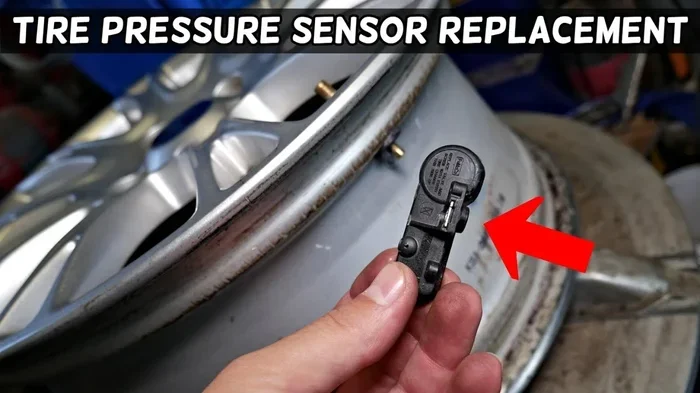
Before we talk about costs, it helps to understand what a tire pressure sensor actually does. Each tire has a small sensor inside the valve stem or mounted on the wheel. This sensor measures the air pressure inside the tire and sends that information to your car’s computer. If the pressure drops below a safe level, your tire pressure warning light turns on.
Most modern vehicles come with direct TPMS. These sensors sit inside the tire and use a small battery to transmit data. Some older or budget vehicles use indirect TPMS, which relies on wheel speed sensors to detect differences in tire size caused by low pressure. Both systems serve the same purpose, but they work differently.
Direct TPMS vs. Indirect TPMS
- Direct TPMS: Uses a physical sensor inside each tire. It gives exact pressure readings and is more accurate.
- Indirect TPMS: Uses the anti-lock brake system’s wheel speed sensors. It estimates pressure based on tire rotation speed.
Direct systems are more common in newer cars. They also tend to cost more to repair because the sensors themselves are more complex. Indirect systems are simpler and cheaper to fix, but they are less precise. Understanding which system your car has is the first step in figuring out repair costs.
How Much Does It Cost to Fix a Tire Pressure Sensor?
The cost to fix a tire pressure sensor varies quite a bit. Several factors come into play, including your vehicle type, the sensor brand, and whether you do the work yourself or hire a mechanic. On average, most drivers pay between $50 and $250 per sensor for replacement. Let’s look at the numbers more closely.
Breakdown of Tire Pressure Sensor Repair Costs
Here is a general idea of what you might pay for different types of repairs:
- Sensor battery replacement: $5 to $25 (if the battery is accessible separately)
- Valve stem replacement: $10 to $30 per valve
- Single sensor replacement (aftermarket): $50 to $100 per sensor
- Single sensor replacement (OEM): $100 to $250 per sensor
- Full set of four sensors (aftermarket): $200 to $400
- Full set of four sensors (OEM): $400 to $1,000
- TPMS reset service: $0 to $20 (often free if you buy sensors from the shop)
As you can see, the cost depends heavily on whether you go with an aftermarket TPMS sensor or an OEM tire sensor. Aftermarket options from brands like Schrader, Allied, or AC Delco are much more affordable and work just as well for most drivers.
Comparison Table: OEM vs. Aftermarket Sensor Costs
| Factor | OEM Sensor | Aftermarket Sensor |
|---|---|---|
| Price per sensor | $100 to $250 | $50 to $100 |
| Compatibility | Guaranteed for your vehicle | Check fitment before buying |
| Warranty | Usually 1 to 2 years | Varies by brand (1 to 5 years) |
| Installation | Professional recommended | DIY-friendly for most models |
| Battery life | 5 to 10 years | 5 to 10 years |
| Programming required | Yes, at a dealer | Some need programming, some do not |
Aftermarket sensors can save you a lot of money. Many of them come pre-programmed or are easy to program at home with a TPMS reset tool. The key is to buy from a reputable brand and make sure the sensor matches your vehicle’s specifications.
Common Signs Your Tire Pressure Sensor Needs Repair
How do you know your tire pressure sensor is actually the problem? The warning light on your dashboard is the most obvious sign, but there are other clues too. Recognizing these signs early can help you address the issue before it gets worse.
Warning Signs to Watch For
- The TPMS light stays on constantly: This usually means one or more tires are underinflated or a sensor has failed.
- The light flashes then stays solid: A flashing light often indicates a malfunction in the TPMS system itself, not just low pressure.
- Inaccurate pressure readings: If you check your tire pressure manually and it looks fine but the light is still on, the sensor may be giving false readings.
- Low battery indicator: Some vehicles show a specific message about a low sensor battery when the sensor power starts to fade.
- Sensor damage after hitting a pothole: Road impacts can damage the sensor or knock it out of position, causing the tire pressure warning light to come on.
If you notice any of these signs, do not ignore them. Driving with incorrect tire pressure can reduce your fuel efficiency, cause uneven tire wear, and even lead to a blowout. A quick tire pressure check with a manual gauge can help you rule out simple issues before assuming the sensor itself is bad.
Quick Tips for Checking Your Tire Pressure
- Check your tire pressure when the tires are cold (before driving).
- Use a reliable tire pressure gauge and compare readings to your owner’s manual.
- Check all four tires plus the spare, if applicable.
- Do this at least once a month to catch problems early.
DIY vs Professional Repair: Which Option Saves You Money?
One of the biggest questions people ask is whether they should fix the sensor themselves or pay a mechanic. The answer depends on what exactly needs to be done. Some repairs are simple enough for a weekend DIYer, while others are best left to the pros.
What You Can Do Yourself
Several tire pressure sensor tasks are easy to handle at home. These include:
- Resetting the TPMS light: Many vehicles have a reset button under the steering column. Turning the key on, pressing the button, and driving for a few minutes often clears the light.
- Replacing a valve stem: If the valve stem is leaking, you can buy a new one at any auto parts store for about $5 to $10 and swap it out yourself.
- Using a TPMS reset tool: These tools cost $15 to $50 and can reprogram sensors after replacement without visiting a shop.
- Checking for air leaks: Sometimes the problem is not the sensor at all. A simple soapy water test can reveal a slow leak in the tire or rim.
Doing these tasks yourself can save you anywhere from $30 to $100 in labor charges. All you need are basic tools and about 20 minutes of your time.
When You Should See a Professional
There are times when professional help is the smart choice. If the entire sensor module needs replacement, especially for direct TPMS systems, it is usually best to let a trained mechanic handle it. The sensor sits inside the tire, and improper installation can damage the wheel or the sensor itself. A professional also has the right tire pressure diagnostic equipment to program and calibrate the new sensor correctly.
Additionally, if your vehicle requires a special TPMS programming tool, most local tire shops and dealerships have one on hand. Some shops will program the new sensor for free if you buy it from them. It is always worth asking about this when you get a quote.
Common Mistakes People Make with TPMS Repairs
- Ignoring the warning light: This is the biggest mistake. A steady light means check your pressure; a flashing light means see a mechanic soon.
- Replacing all sensors at once unnecessarily: Usually only one sensor fails at a time. Replace the bad one first and monitor the others.
- Buying the wrong sensor: Not all TPMS sensors fit every vehicle. Always check your vehicle’s make, model, and year before purchasing.
- Skipping the reset after replacement: Even with a new sensor, the light may stay on until you reset the system.
- Assuming it is always the sensor: Sometimes the issue is a corroded valve stem, a slow tire leak, or a wiring problem in the wheel speed sensor system.
When Should You Replace the Entire TPMS Sensor?
Not every problem with a tire pressure sensor means the whole sensor needs to go. Sometimes it is just a dead battery or a loose connection. Knowing when to replace the entire unit saves you from spending money where it is not needed.
Signs the Sensor Itself Must Be Replaced
- The sensor battery has died and is not user-replaceable in your vehicle model.
- The sensor has been damaged from a road hazard or corrosion.
- The sensor repeatedly fails to communicate with your car’s computer even after resetting.
- The sensor housing is cracked or the seal is broken, allowing moisture inside.
Most TPMS sensor batteries last between 5 and 10 years. Once the battery dies, the entire sensor unit needs to be replaced because the battery is sealed inside and cannot be swapped out separately. This is the most common reason drivers need a full sensor replacement.
If your vehicle is older and has high mileage, it is a good idea to replace the sensor batteries proactively. Some tire shops offer battery replacement services for around $15 to $30 per sensor, but this depends on the sensor design and whether the battery is accessible.
Expert Insights on Sensor Longevity
According to most tire professionals, the average tire pressure sensor lasts about 7 to 10 years under normal driving conditions. Harsh driving, frequent exposure to road salt, and hitting potholes can shorten that lifespan. Keeping your tires properly inflated at all times also reduces stress on the sensor and helps it last longer.
One thing many drivers do not realize is that tires rotated or replaced without reprogramming the sensors can trigger the warning light. Always ask your tire shop to reset the TPMS after any tire service. This small step prevents unnecessary trips to the mechanic and keeps your dashboard warning light off.
How to Prevent Tire Pressure Sensor Problems
The best way to avoid expensive tire pressure sensor repairs is to prevent problems before they start. Regular maintenance and good driving habits go a long way in keeping your TPMS system healthy and functioning properly.
Simple Habits That Protect Your Sensors
- Check your tire pressure monthly: A simple check with a tire pressure gauge takes just a few minutes and catches issues before they strain the sensor.
- Keep tires properly inflated: Underinflated tires force the sensor to work harder and can cause premature failure. Follow the pressure recommendations in your owner’s manual or on the driver’s side door jamb.
- Avoid potholes and road hazards: Impact damage is one of the leading causes of sensor failure. Drive carefully, especially on rough roads.
- Keep valve stems clean and capped: Dirt and moisture can corrode the valve stem and affect sensor performance. Always replace the valve cap after checking pressure.
- Replace sensors in pairs: If one sensor fails, consider replacing the opposite tire’s sensor at the same time, especially if both are over 5 years old. This ensures balanced performance and saves you a second trip.
These small habits take almost no time but can add years of life to your tire pressure monitoring system. Prevention is always cheaper than repair, and that applies perfectly to TPMS sensors.
Key Takeaways for Budget-Conscious Drivers
- A single tire pressure sensor replacement typically costs $50 to $250 depending on the type.
- DIY resets and valve stem replacements cost under $30 and are easy to do at home.
- Aftermarket sensors offer significant savings over OEM parts without sacrificing quality.
- Regular tire pressure checks and proper inflation extend sensor life and prevent costly repairs.
- Always reset your TPMS system after any tire service or sensor replacement.
The bottom line is that fixing a tire pressure sensor does not have to break the bank. Most repairs fall in the affordable range, and many simple fixes can be done without ever leaving your driveway. The key is to act quickly when the warning light comes on, identify the root cause, and choose the right repair option for your budget and skill level.
Whether you replace the sensor yourself, visit a local tire shop, or go to a dealership, knowing the costs upfront helps you make confident decisions. Do not let the tire pressure warning light stress you out. With the information in this guide, you are now equipped to handle it the smart way.
Keep your tires properly inflated, your sensors in good shape, and your wallet happy. A little attention goes a long way when it comes to maintaining your vehicle’s tire pressure monitoring system. Drive safely, check your pressure regularly, and remember that most tire pressure sensor issues are quick and affordable to resolve.
Frequently Asked Questions
How much does it cost to replace a tire pressure sensor?
The cost to replace a tire pressure sensor ranges from $50 to $250 per sensor for aftermarket options and $100 to $250 for OEM sensors. Labor charges typically add $20 to $50 if you visit a mechanic. Doing it yourself with an aftermarket sensor and a basic TPMS reset tool can keep costs under $60.
Can I drive with a tire pressure sensor warning light on?
You can drive short distances with the light on, but it is not recommended. Low tire pressure causes uneven wear, reduces fuel efficiency, and increases the risk of a blowout. If the light is flashing, stop and check your tires or get professional tire pressure diagnostic help right away.
How long do tire pressure sensor batteries last?
Most TPMS sensor batteries last between 5 and 10 years. Once the battery dies, the entire sensor unit usually needs replacement because the battery is sealed inside and not user-replaceable in most vehicle models.
Can I reset the tire pressure light myself?
Yes, in most vehicles you can reset the tire pressure warning light yourself. Look for the TPMS reset button under the steering column, turn the key to the on position, press and hold the button until the light blinks three times, then drive for about 20 minutes. Refer to your owner’s manual for exact steps.
Are aftermarket tire pressure sensors as good as OEM?
Aftermarket sensors from reputable brands like Schrader, Allied, or AC Delco work just as well as OEM sensors for most drivers. They cost 30 to 50 percent less and often come with a solid warranty. Always verify compatibility with your vehicle before purchasing.
What causes a tire pressure sensor to fail?
The most common causes are a dead battery (after 5 to 10 years), physical damage from potholes or road debris, corrosion on the valve stem, and normal wear and tear. Extreme temperatures and exposure to road salt can also shorten sensor life.
=== CONCLUSION ===
Fixing a tire pressure sensor is usually much more affordable than most drivers expect. Whether the issue is a simple reset, a dead sensor battery, or a full sensor replacement, the costs stay manageable for most budgets. The real key is to address the problem early. Ignoring the warning light only leads to bigger issues like poor fuel economy, unsafe driving conditions, and premature tire wear.
By understanding how your TPMS system works and knowing what to expect cost-wise, you can make informed decisions. Choose aftermarket sensors when budget matters, do simple resets and checks yourself, and visit a professional when the job requires specialized tools. With the tips and cost breakdowns in this guide, you are now ready to handle any tire pressure sensor issue that comes your way. Stay proactive, keep your tires in great shape, and your vehicle will reward you with safer, smoother rides for miles to come.