Why Do Windshield Wipers Stay Up And How To Fix Them
Windshield wipers stay up due to worn springs, tension loss, or damaged linkages that can no longer hold the blades flat against the glass. Whether you live in a freezing climate or simply have aging wipers, this guide walks you through every reason this happens and how to fix it yourself. You will learn quick troubleshooting steps, replacement advice, and prevention habits that keep your wipers lying flat and working properly.
Have you ever walked out to your car on a rainy morning and found your windshield wipers staying up instead of resting flat against the glass? It is a frustrating sight, especially when you need clear visibility the most. The good news is that this problem is more common than you think, and in most cases, it is easy to fix.
Windshield wipers staying up can happen for several reasons. Sometimes it is a simple tension issue. Other times, it signals that a part has worn out and needs replacing. Whatever the cause, understanding why it happens is the first step toward a solution. In this article, we will walk you through every reason your wipers might be sticking up, show you how to fix them, and share tips to prevent the problem from coming back.
Whether you are dealing with a single wiper blade that refuses to lie down or both arms stuck in the upright position, this guide has you covered. We will keep things simple, practical, and easy to follow. No mechanic degree required. Let us dive in.
Key Takeaways
- Spring tension loss is the most common reason wipers stay up and can often be fixed without a mechanic.
- Frozen wiper blades in cold weather can cause the arms to lock in an upright position overnight.
- Replacing wiper blades every 6 to 12 months prevents most stay-up problems before they start.
- DIY fixes like adjusting the wiper arm tension are simple and save you money on shop visits.
- Using the wrong wiper size or type can put extra stress on the spring and linkage mechanism.
- Regular windshield maintenance keeps wiper blades seated properly and extends their lifespan significantly.
📑 Table of Contents
- Why Do Windshield Wipers Stay Up?
- How To Fix Windshield Wipers That Stay Up
- Preventing Wiper Problems Before They Start
- Comparison: Repair vs. Replace
- Common Mistakes People Make With Stuck Windshield Wipers
- Expert Tips For Long-Lasting Wiper Performance
- When To See a Professional Mechanic
- How Wiper Blades Work: A Quick Overview
- Key Takeaways
- Frequently Asked Questions
- Conclusion
Why Do Windshield Wipers Stay Up?
The question why do windshield wipers stay up has more than one answer. Several mechanical and environmental factors can cause this issue. Let us break down each one so you can identify what is happening with your specific setup.
Worn Out Wiper Spring Tension
Every wiper arm has a small spring inside that pushes the blade down against the windshield. Over time, this spring loses its strength. When the wiper spring tension weakens, the arm can no longer hold the blade flat. The result? Your wipers pop up and stay there like little flags on your car.
This is the most common reason for wipers staying up. It happens naturally with age and regular use. If your wipers have been on the car for more than a year, worn spring tension is likely the culprit.
Frozen Wiper Blades in Cold Weather
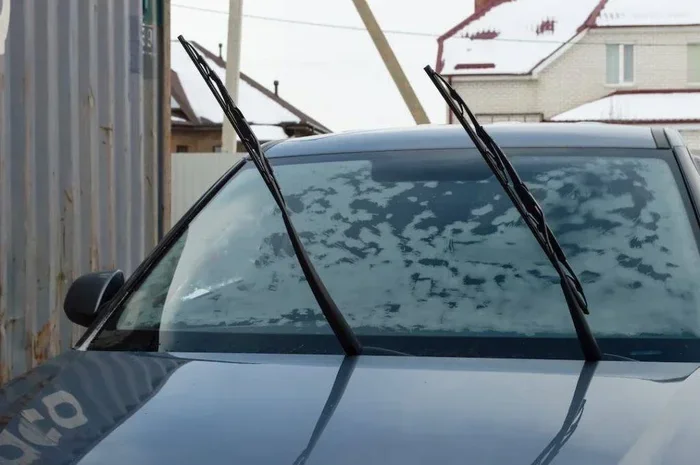
If you live in a cold climate, frozen windshield wipers are a familiar nightmare. When ice builds up between the blade and the windshield, the wiper arm can lock in an upright position. Trying to force them down can damage the motor or tear the rubber blade.
This usually happens overnight when temperatures drop below freezing. The wiper linkage freezes in place, and the spring cannot pull the blade down. Always check your wipers before starting the car in winter.
Damaged Wiper Linkage or Gear
The wiper linkage connects the motor to the wiper arms. It is a system of arms, joints, and gears that convert rotational motion into the back-and-forth sweeping movement. When any part of this system breaks or bends, the arms can get stuck in the upright position.
A damaged wiper linkage often happens after hitting a large pothole or experiencing a minor collision. The gear teeth can strip, or a connecting rod can bend. In these cases, the wipers may not move at all, or they stay stuck up.
Incorrect Wiper Blade Size
Using the wrong size wiper blade puts uneven pressure on the wiper arm tension. If a blade is too long or too short for your vehicle, it cannot seat properly against the windshield. This imbalance can cause one or both arms to lift up, especially at higher driving speeds.
Always check your owner manual for the correct wiper blade size. Using the right size ensures even pressure distribution and proper blade contact with the glass.
Wiper Motor Failure
In rare cases, the wiper motor itself fails. When the motor loses power, it cannot pull the arms back down to their resting position. You might hear a clicking sound or complete silence when you try to activate the wipers.
Motor failure usually happens in older vehicles or after years of heavy use in harsh conditions. If both wipers stay up and do not move at all, the motor could be the issue.
How To Fix Windshield Wipers That Stay Up
Now that you know the common causes, let us look at how to fix windshield wipers staying up. Most fixes are simple and can be done at home with basic tools.
Step 1: Check the Wiper Spring Tension
Start by lifting the wiper arm away from the windshield gently. Look at the underside of the arm where it connects to the blade assembly. You should see a small spring or tension mechanism.
Use a pair of needle-nose pliers to carefully adjust the spring. Pull it tighter to increase tension, which will push the blade down with more force. Be gentle. Over-tightening can snap the spring or crack the plastic housing.
Quick tip: If the spring looks corroded or broken, replace the entire wiper arm assembly. It is inexpensive and takes about five minutes to swap out.
Step 2: Thaw Frozen Wiper Blades
If ice is the problem, do not try to force the wipers down. Instead, turn on your car’s defroster and let the ice melt naturally. You can also use a windshield-safe de-icer spray to speed up the process.
Never use hot water to thaw frozen wipers. The sudden temperature change can crack the windshield. Once the ice melts, the wiper blade should return to its normal position.
Quick tip: Cover your windshield with a tarp or frost shield overnight during winter. This prevents ice from forming on the wipers in the first place.
Step 3: Inspect and Replace the Wiper Linkage
Open the hood and locate the wiper linkage assembly, which sits beneath the windshield cowl. Check for any visible damage, such as bent rods or stripped gears.
If you find a broken part, you can replace the entire linkage kit. These kits are available at most auto parts stores for under $30. The installation process involves removing a few bolts and reconnecting the linkage rods.
Expert insight: If you are not comfortable working under the hood, have a mechanic inspect the linkage. A small repair now can prevent expensive motor damage later.
Step 4: Install the Correct Wiper Blade Size
Measure your current wipers or check the owner manual for the correct size. Purchase new blades that match the specifications exactly.
When installing new blades, make sure they click firmly into the arm connector. A loose connection causes uneven pressure and can lead to wipers staying up.
Quick tip: Many auto parts stores offer free installation when you buy wipers from them. Take advantage of this service if you are unsure about the process.
Step 5: Test the Wiper Motor
If none of the above fixes work, the motor may be the problem. Use a multimeter to check for power reaching the motor. If there is power but the motor does not run, it needs replacement.
Replacing a wiper motor typically costs between $150 and $300 at a repair shop, including parts and labor. Some DIY enthusiasts prefer to do it themselves, but it requires removing the windshield cowl and accessing the motor from underneath.
Preventing Wiper Problems Before They Start
Prevention is always easier and cheaper than repair. Here are simple habits that keep your windshield wipers staying up problem from ever happening.
Replace Wiper Blades Regularly
The general rule is to replace wiper blades every six to twelve months. Rubber degrades over time, even if you do not use the wipers often. Old rubber loses its flexibility and cannot maintain proper contact with the glass.
Set a reminder on your phone or calendar to check your wipers every six months. A quick visual inspection can reveal cracks, tears, or uneven wear before they become bigger problems.
Keep the Windshield Clean
Dirt, pollen, and road grime build up on the windshield and grind against the wiper rubber. This accelerates wear and can cause the blades to stick or lift.
Clean your windshield whenever you fill up the gas tank. Use a quality glass cleaner and a microfiber cloth. This simple habit goes a long way toward maintaining smooth wiper operation.
Use Wiper Fluid Frequently
Running the wipers dry causes friction that damages both the rubber blade and the arm mechanism. Always use wiper fluid when cleaning the windshield, especially in dusty or muddy conditions.
Keep your washer fluid reservoir full throughout the year. In winter, use a freeze-resistant formula to prevent the fluid from solidifying in the lines.
Lift Wipers During Winter Storms
During heavy snow or ice storms, lift the wiper arms away from the windshield. This prevents the blades from freezing to the glass overnight.
Just remember to lower them before driving. Leaving wipers up while driving is dangerous and illegal in many areas because it reduces visibility.
Avoid Using Wipers on a Dry Windshield
Running wipers on a dry surface creates unnecessary friction and wears out the rubber quickly. Always spray wiper fluid or water before using the wipers, even for a quick wipe.
This is a habit that takes seconds to develop but saves you from premature blade wear and wiper blade replacement costs.
Comparison: Repair vs. Replace
When your wipers stay up, you need to decide whether to repair or replace parts. Here is a simple comparison to help you choose.
| Factor | Repair | Replace |
|---|---|---|
| Cost | Low ($5-$20 for springs or linkage parts) | Moderate ($15-$50 per blade, $150-$300 for motor) |
| Difficulty | Easy to moderate DIY | Easy for blades; moderate for motor |
| Time Required | 10-30 minutes | 15 minutes for blades; 1-2 hours for motor |
| Longevity | 6-12 months | New parts last 1-2 years |
| Best For | Minor spring or tension issues | Severely worn or broken components |
As a general rule, try simple repairs first. If the problem persists after fixing the spring or linkage, go ahead and replace the affected parts. Sometimes a full wiper blade replacement is the most cost-effective solution.
Common Mistakes People Make With Stuck Windshield Wipers
When wipers stay up, people often make mistakes that make the problem worse. Here are errors to avoid.
- Forcing the wiper arm down manually. This can crack the windshield or strip the gear teeth inside the linkage.
- Using the wrong size wiper blade. Mismatched sizes put uneven stress on the spring and cause recurring problems.
- Ignoring the problem. Driving with wipers stuck up reduces visibility and increases accident risk.
- Using hot water to thaw frozen wipers. Thermal shock can crack the glass and damage the wiper motor.
- Neglecting regular maintenance. Skipping routine checks means small issues become expensive repairs later.
Avoiding these mistakes saves you time, money, and potential safety hazards on the road.
Expert Tips For Long-Lasting Wiper Performance
Automotive professionals share these tips to keep your wipers working at their best for years.
- Clean the wiper blade rubber with a damp cloth every few weeks. This removes oil and grime buildup that causes streaking and lifting.
- Apply a rain repellent coating to the windshield. Products like Rain-X reduce the workload on your wipers and help them maintain contact with the glass.
- Check wiper arm tension every time you replace the blades. A quick adjustment can prevent the wipers from staying up in the future.
- Store the vehicle in a garage when possible. Extreme heat and cold accelerate rubber degradation and spring fatigue.
- Use winter-specific wipers during cold months. These blades are designed with reinforced rubber that resists freezing and cracking.
Expert insight: Many mechanics recommend replacing wipers at the start of each season. This ensures optimal performance during both rainy summers and snowy winters.
When To See a Professional Mechanic
Most windshield wiper repair tasks are straightforward and do not require professional help. However, certain situations call for a trained technician.
If you have tried adjusting the spring and replacing the blades but the wipers still stay up, there may be a deeper issue. A damaged wiper motor, stripped wiper linkage, or electrical problem needs professional diagnosis and repair.
Also, if you are uncomfortable working under the hood or with the wiper system, there is no shame in visiting a mechanic. A quick inspection can identify problems you might miss, and many shops offer free wiper checks as part of a general vehicle inspection.
Look for a trusted mechanic who specializes in electrical and mechanical systems. Ask friends for recommendations or check online reviews before booking an appointment.
How Wiper Blades Work: A Quick Overview
Understanding how your wipers function helps you troubleshoot problems more effectively. The system works like this.
When you turn on the wipers, the wiper motor activates and turns a short shaft. This shaft connects to a linkage mechanism that converts rotational motion into the back-and-forth sweeping movement. The linkage pushes and pulls the wiper arms across the windshield at a controlled speed.
Each wiper arm contains a spring that pushes the rubber blade down against the glass. The spring tension is carefully calibrated to provide enough pressure for a clean wipe without damaging the windshield surface.
When any part of this system fails, the balance breaks. The wiper blade may lift up, streak across the glass, or stop moving entirely. Knowing this basic operation helps you pinpoint exactly where the problem lies.
Key Takeaways
- Worn spring tension is the most common reason wipers stay up and can often be fixed without a mechanic.
- Frozen wiper blades in cold weather can cause the arms to lock in an upright position overnight.
- Replacing wiper blades every 6 to 12 months prevents most stay-up problems before they start.
- DIY fixes like adjusting the wiper arm tension are simple and save you money on shop visits.
- Using the wrong wiper size or type can put extra stress on the spring and linkage mechanism.
- Regular windshield maintenance keeps wiper blades seated properly and extends their lifespan significantly.
- Seek professional help when basic fixes do not resolve the issue, especially for motor or linkage problems.
Frequently Asked Questions
Can I drive safely with my windshield wipers staying up?
It is not safe. Wipers that stay up cannot clear rain, snow, or debris from your windshield. This significantly reduces your visibility and increases the risk of an accident. Fix the problem before driving in poor weather conditions.
How much does it cost to fix windshield wipers that stay up?
Simple repairs like adjusting spring tension cost little to nothing if you do it yourself. Replacing a wiper blade runs $15 to $50 per blade. More complex repairs like replacing the motor or linkage can cost $150 to $300 at a repair shop.
Why do my windshield wipers stay up in cold weather?
Cold weather causes moisture to freeze between the wiper blade and the windshield. This ice locks the wiper linkage in place and prevents the spring from pulling the blade down. Always check your wipers before driving in freezing conditions.
How often should I replace my windshield wiper blades?
Most experts recommend replacing wiper blades every six to twelve months. If you notice streaking, skipping, or the blades lifting up, it is time for a replacement regardless of the timeline.
Can I use any wiper blade for my vehicle?
No. Using the wrong size or type of wiper blade puts uneven pressure on the wiper arm tension and can cause the blades to stay up. Always check your owner manual for the correct specifications before purchasing new wipers.
What is the best way to prevent wipers from staying up?
Regular maintenance is the best prevention. Replace blades on schedule, keep the windshield clean, use wiper fluid properly, and store your vehicle in a garage when possible. These simple habits go a long way toward avoiding windshield wiper repair issues.
Conclusion
Windshield wipers staying up is a common but solvable problem. Whether the cause is a weakened spring, frozen blades, a damaged linkage, or simply old rubber, you now have the knowledge to identify and fix the issue. Most fixes are quick, affordable, and can be done right in your driveway.
The key is to act early. Ignoring wipers that stay up leads to poor visibility, unsafe driving conditions, and eventually more expensive repairs. Take a few minutes to inspect your wipers regularly, replace them on schedule, and address small problems before they grow.
Your windshield wipers work hard every time it rains or snows. Give them the care they deserve, and they will keep you safe and comfortable on the road for years to come. Windshield wiper maintenance is one of the simplest yet most overlooked aspects of car care. Now that you know exactly what to look for and how to fix it, you are empowered to handle the problem with confidence.