Can a Bad Timing Belt Cause a Car to Overheat Today
A bad timing belt can absolutely cause your car to overheat. When the belt wears out or breaks, it disrupts the water pump and cooling system, leading to dangerous temperature spikes. Engine overheating from a faulty timing belt is more common than most drivers realize. Catching the early signs can save you from costly repairs and serious engine damage. Regular timing belt maintenance keeps your car running cool and prevents unexpected breakdowns.
Key Takeaways
- The timing belt drives the water pump: A worn belt reduces coolant flow, causing the engine to overheat.
- Overheating symptoms are easy to spot: Watch for steam, a rising temperature gauge, and unusual engine noises.
- Timing belt failure has serious consequences: A broken belt can cause head gasket failure and bent valves.
- Replacement cost is far less than engine repair: Replacing the belt early saves thousands of dollars.
- Prevention is simple: Follow your owner’s manual schedule and inspect the belt regularly.
- Don’t ignore small warning signs: Squealing, cracks, and ticking sounds are early red flags.
📑 Table of Contents
- Can a Bad Timing Belt Cause a Car to Overheat?
- How a Bad Timing Belt Leads to Overheating
- Warning Signs Your Timing Belt Is Failing
- Timing Belt vs Serpentine Belt: What’s the Difference?
- What Happens When an Overheated Engine Keeps Running?
- Quick Tips to Prevent Timing Belt Overheating
- Common Mistakes That Make Overheating Worse
- Expert Insight: When to Replace the Timing Belt
- How to Know if Your Car Has a Timing Belt or Chain
- Key Takeaways
- Conclusion
Can a Bad Timing Belt Cause a Car to Overheat?
Yes. A bad timing belt can absolutely cause your car to overheat, and it happens more often than most people think. Your engine depends on many moving parts working together in perfect sync. When one component fails, the ripple effects can be serious. The timing belt sits right at the heart of that system.
Most drivers don’t think about their timing belt until something goes wrong. And by then, the damage can be expensive. Understanding how this simple rubber belt affects your engine’s temperature can save you time, money, and a lot of stress. Let’s break it down in plain language.
The timing belt does more than just keep your engine’s valves and pistons in sync. In many vehicles, it also powers the water pump. That pump circulates coolant through the engine block. Without a working belt, the coolant stops flowing. Without flowing coolant, your engine heats up fast. This is the core connection between a bad timing belt and engine overheating.
Whether you drive an older car with a rubber belt or a newer model with a timing chain, the principle is the same. A failed timing component disrupts the cooling system. And an overheating engine can lead to cracked heads, blown gaskets, and even a totaled vehicle. The good news? You can prevent all of that with basic knowledge and regular care.
Why the Timing Belt Matters for Cooling
Here’s something many car owners don’t know. In a large number of engines, the timing belt directly drives the water pump. The water pump is the heart of your cooling system. It pushes coolant through the engine block, the radiator, and the hoses. If the belt slips, cracks, or breaks, the pump stops working.
When the pump stops, the coolant sits still. The engine generates massive amounts of heat during normal driving. Without circulation, that heat has nowhere to go. Within minutes, your temperature gauge can climb into the danger zone. This is why engine overheating from a faulty timing belt is such a real and urgent problem.
Some cars use a separate belt or electric pump for the cooling system. But in many common models, the timing belt and water pump share the same drive system. This design makes sense from an engineering standpoint. It reduces the number of parts and simplifies maintenance. But it also means that one failing belt takes out your cooling system too.
How a Bad Timing Belt Leads to Overheating
The path from a worn belt to a boiling engine is not instant. It happens in stages. Understanding these stages helps you catch the problem early. Here is exactly how a bad timing belt causes overheating.
Stage One: Belt Wear and Slippage
Over time, the rubber compound in your timing belt deteriorates. It becomes brittle. Small cracks form along the teeth. The belt stretches slightly. At this stage, the belt still works. But it may slip on the pulleys. When it slips, the water pump turns slower than it should. Coolant flow drops. Your engine runs a few degrees hotter than normal.
You might not notice this small change. The temperature gauge may stay in the normal range most of the time. But on hot days, in stop-and-go traffic, or during heavy loads, the engine starts to struggle. This is the first window of opportunity to fix the problem before it escalates.
Stage Two: Reduced Coolant Flow
As the belt wears further, the water pump loses rotational speed. The coolant moves through the engine more slowly. Hot spots develop inside the engine block. Cylinder heads absorb more heat than they can dissipate. The thermostat may open and close more frequently, trying to compensate.
At this point, you might notice subtle signs. The heater might not blow as hot. The engine takes longer to warm up in the morning. Or the temperature gauge hovers near the top of the normal range instead of sitting comfortably in the middle. These are easy to ignore. But they are your car telling you something is wrong.
Stage Three: Belt Failure and Pump Stoppage
If the belt is not replaced, it eventually fails completely. It may crack and break while you are driving. Or it may snap off the pulleys without warning. The water pump stops instantly. Coolant flow drops to zero. The engine temperature skyrockets within seconds.
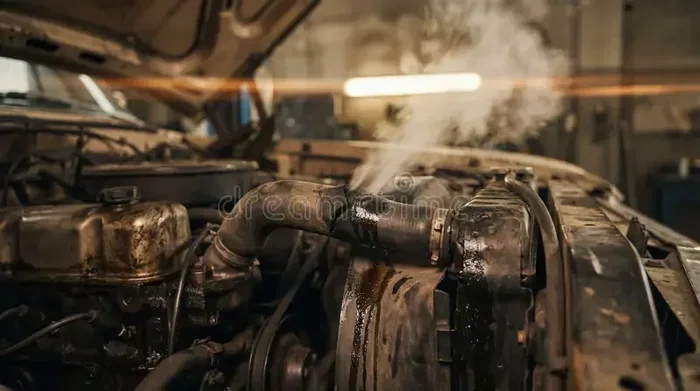
This is the worst-case scenario. A broken timing belt while driving can leave you stranded on the roadside with steam pouring from the hood. And the damage does not stop at overheating. In interference engines, a broken belt can cause the pistons to collide with the valves. We will cover that in more detail below.
Warning Signs Your Timing Belt Is Failing
The best way to avoid overheating is to catch a failing timing belt early. Your car gives you plenty of warning signs. You just need to know what to look for.
Engine Ticking or Clicking Sounds
A faint ticking or clicking noise from the engine area can signal a loose or worn timing belt. The belt may not be seating properly on the pulleys. This noise is often more noticeable when the engine is cold or at idle. Many drivers mistake this sound for a valve issue or low oil. But it is often a timing belt problem.
Temperature Gauge Fluctuations
If your temperature gauge bounces between normal and hot, the cooling system may not be getting full power. A slipping timing belt reduces water pump efficiency. The result is inconsistent coolant circulation. Watch the gauge closely during long drives or in heavy traffic.
Visible Cracks or Wear on the Belt
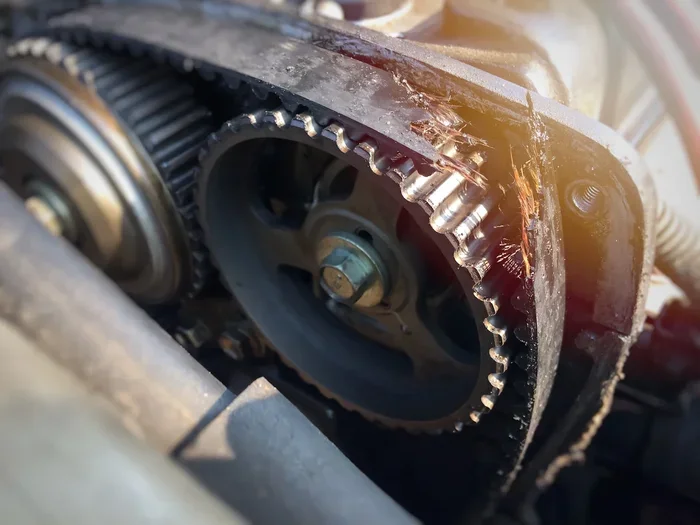
Some timing belts are easy to inspect. If your engine has an external cover, you may be able to see the belt. Look for cracks, fraying, or missing teeth. A belt that looks dry and brittle needs immediate attention. Do not wait for it to break completely.
Steam or Coolant Leaks
Steam rising from under the hood is a clear sign of overheating. If you notice coolant puddles under your car or a sweet smell while driving, the cooling system is compromised. A failed timing belt is one possible cause. Check the water pump and belt area for leaks.
Engine Misfires or Rough Running
When the timing belt slips, the engine’s valve timing gets off by a few degrees. This causes misfires, rough idling, or a loss of power. These symptoms overlap with many other engine problems. But if you have them alongside overheating signs, suspect the timing belt.
Timing Belt vs Serpentine Belt: What’s the Difference?
Many people confuse the timing belt with the serpentine belt. They are two completely different parts. Understanding the difference helps you diagnose overheating problems more accurately.
The timing belt is inside the engine. It connects the crankshaft to the camshaft(s). It controls when the valves open and close. In many engines, it also drives the water pump. The serpentine belt is outside the engine. It powers the alternator, power steering pump, air conditioning compressor, and sometimes the water pump too.
A bad serpentine belt can also cause overheating. If it breaks, the water pump stops spinning. But a serpentine belt failure usually comes with obvious signs like a loud squealing noise, flickering lights, or a dead battery. A timing belt failure is often quieter and more dangerous.
Some modern cars use a timing chain instead of a timing belt. Chains are metal and last longer. But they can still stretch, stretch, and fail. A stretched timing chain can also disrupt the water pump and lead to overheating. The symptoms are similar, but chain problems are less common.
| Feature | Timing Belt | Serpentine Belt | Timing Chain |
|---|---|---|---|
| Location | Inside engine | Outside engine | Inside engine |
| Material | Rubber with teeth | Rubber with ribs | Metal links |
| Drives Water Pump? | Often yes | Sometimes yes | Rarely |
| Typical Lifespan | 60,000 to 100,000 miles | 50,000 to 100,000 miles | 100,000+ miles |
| Overheating Risk if Failed | High | Moderate to High | Moderate |
| Replacement Cost | Moderate to High | Low to Moderate | Moderate |
What Happens When an Overheated Engine Keeps Running?
Driving an overheating engine is extremely risky. The longer you drive, the worse the damage gets. Here is what can happen if you ignore the overheating warning signs.
Head Gasket Failure
The head gasket sits between the engine block and the cylinder head. It keeps coolant and oil in their proper channels. When the engine overheats, the metal expands beyond normal limits. The gasket gets squeezed and can fail. A blown head gasket lets coolant leak into the cylinders or oil passages. This causes white smoke from the exhaust, milky oil, and continued overheating even after you fix the timing belt.
Warped Cylinder Head
Extreme heat can warp the cylinder head. A warped head no longer seals properly against the gasket. This leads to compression loss, rough running, and coolant leaks. In severe cases, the cylinder head can actually crack. Repairing a cracked head is expensive and sometimes requires a full replacement.
Bent Valves and Piston Damage
In interference engines, the pistons and valves share the same space inside the cylinder. At normal timing, they never touch. But if the timing belt breaks, the camshaft stops turning. The valves stay open. The pistons keep moving. They collide with the open valves. The result is bent valves, damaged pistons, and potentially a destroyed engine.
This is why a broken timing belt is one of the most expensive engine failures. The repair bill can easily reach several thousand dollars. And in worst cases, the engine needs a full replacement.
Coolant System Damage
Overheating does not just affect the engine block. It can damage the radiator, hoses, and water pump seals. The increased pressure inside the cooling system can blow out weak hoses. The radiator cap can fail. The thermostat can get stuck. Each of these problems makes cooling even harder and creates a vicious cycle of overheating.
Quick Tips to Prevent Timing Belt Overheating
Preventing overheating from a bad timing belt is straightforward. Follow these practical tips to keep your engine running cool and your belt in good shape.
- Stick to the replacement schedule. Check your owner’s manual for the recommended timing belt interval. Most belts need replacement between 60,000 and 100,000 miles. Do not skip this service.
- Inspect the belt regularly. If you can see the belt, look for cracks, glazing, or worn teeth. Report any concerns to your mechanic.
- Check coolant levels often. Low coolant puts extra stress on the water pump and the timing belt system. Keep the reservoir topped off with the correct type of coolant.
- Watch the temperature gauge. Make it a habit to glance at the temperature gauge during every drive. Early detection of rising temperatures gives you time to pull over and investigate.
- Replace the water pump at the same time. Since the timing belt drives the water pump in many engines, it makes sense to replace both at the same time. This saves labor costs and prevents future failures.
- Do not ignore small sounds. A new ticking or squealing noise from the front of the engine is worth investigating immediately. Early diagnosis prevents major breakdowns.
- Keep the cooling system flushed. Old coolant loses its effectiveness. Flush the system and replace the coolant according to your manufacturer’s schedule.
Common Mistakes That Make Overheating Worse
When your car starts overheating, it is tempting to take shortcuts. But some common mistakes make the problem much worse. Avoid these pitfalls.
Ignoring the Warning Signs
The biggest mistake is ignoring the temperature gauge or steam from the hood. Many drivers keep going, hoping the problem will fix itself. It almost never does. Every minute of driving on an overheating engine adds more damage. Pull over safely and turn off the engine as soon as you notice overheating signs.
Opening the Radiator Cap While Hot
Never remove the radiator cap when the engine is hot. The cooling system is under high pressure. Hot coolant can spray out and cause severe burns. Wait at least 30 minutes after turning off the engine before checking the coolant level.
Adding Cold Water to a Hot Engine
Pouring cold water into a boiling hot engine can cause the block and head to crack due to sudden thermal shock. If you must add coolant, do it slowly with the engine off and slightly warm.
Delaying Timing Belt Replacement
Some drivers push the timing belt past its recommended replacement interval to save money. This is a false economy. A broken belt from neglect costs far more than a scheduled replacement. The potential engine damage from a broken belt can reach thousands of dollars.
Using the Wrong Coolant
Not all coolants are the same. Using the wrong type can cause corrosion inside the cooling system. It can also reduce the effectiveness of the water pump. Always use the coolant type specified in your owner’s manual.
Expert Insight: When to Replace the Timing Belt
Automotive experts agree on one thing: do not wait for the timing belt to fail. Replace it on schedule. The timing belt replacement cost typically ranges from $500 to $1,000 for most vehicles. The exact price depends on your car model, engine design, and local labor rates.
Compare that to the cost of repairing an engine damaged by overheating. A head gasket replacement alone can cost $1,000 to $2,000. A warped cylinder head repair runs $500 to $1,500. Bent valve repairs can exceed $2,000. And a full engine replacement can cost $4,000 to $8,000 or more.
The math is clear. Replacing the timing belt on time is one of the best investments you can make for your vehicle. It protects the engine, keeps the cooling system working, and prevents unexpected breakdowns.
Your mechanic can also inspect related components during the belt replacement. They can check the tensioner, idler pulleys, and water pump for wear. Catching these small issues early prevents bigger problems down the road.
How to Know if Your Car Has a Timing Belt or Chain
Not sure whether your car uses a timing belt or a timing chain? Here are a few ways to find out.
- Check the owner’s manual. The maintenance section will specify the type and replacement interval.
- Ask your mechanic. A quick inspection under the hood will reveal whether you have a belt or chain.
- Check the service records. If the previous owner replaced the timing belt, your car uses a belt.
- Listen for noise. Timing chains can produce a rattling sound on startup, especially when cold. Timing belts are generally quieter.
Knowing which system your car has helps you plan maintenance properly. It also helps you understand your specific overheating risks.
Key Takeaways
- A bad timing belt directly causes overheating in vehicles where the belt drives the water pump.
- Timing belt wear follows a progression from slippage to reduced coolant flow to complete failure.
- Warning signs include ticking sounds, temperature gauge fluctuations, and visible belt damage.
- A broken timing belt in an interference engine can cause bent valves and piston damage on top of overheating.
- The timing belt and serpentine belt are different parts that serve different functions.
- Prevention through scheduled replacement is far cheaper than repairing engine damage from overheating.
- Replace the water pump alongside the timing belt whenever possible to save on labor and prevent future issues.
Conclusion
Can a bad timing belt cause a car to overheat? The answer is a definitive yes. The timing belt plays a critical role in your engine’s cooling system, especially in vehicles where it drives the water pump. When that belt wears out, slips, or breaks, the consequences can range from mild overheating to catastrophic engine failure.
The good news is that this problem is entirely preventable. Regular maintenance, timely belt replacement, and attention to warning signs keep your engine cool and your car reliable. You do not need to be a mechanic to understand the basics. Just stay informed, follow the service schedule, and listen to your car when it talks to you.
Your vehicle works hard every day to get you where you need to go. A little attention to the timing belt goes a long way toward protecting that investment. Keep the belt in good shape, the coolant flowing, and the engine running at the right temperature. Your car will reward you with years of dependable service.
Do not wait until you see steam coming from the hood. Take action now. Check your timing belt, follow the replacement schedule, and keep your cooling system in top shape. Your engine will stay cool, and you will stay safe on the road.
Frequently Asked Questions
What are the first signs of a failing timing belt?
The first signs include a ticking or clicking noise from the engine, the temperature gauge running higher than normal, visible cracks on the belt, and rough idling or misfires. If you notice any of these symptoms, have your mechanic inspect the timing belt and water pump as soon as possible.
How much does it cost to replace a timing belt?
The cost typically ranges from $500 to $1,000 for most vehicles. The price varies based on your car model, engine design, and local labor rates. Replacing the water pump at the same time may add $200 to $400 but saves money on labor in the long run.
Can I drive my car if the temperature gauge is rising?
No. Driving with a rising temperature gauge is dangerous and can cause serious engine damage. Pull over safely, turn off the engine, and let it cool for at least 30 minutes. Then check the coolant level and inspect for leaks or a broken timing belt before driving again.
How often should the timing belt be replaced?
Most manufacturers recommend replacing the timing belt every 60,000 to 100,000 miles. Check your owner’s manual for the exact interval for your vehicle. Some high-mileage drivers prefer to replace it earlier for added peace of mind.
Is a timing belt the same as a serpentine belt?
No, they are completely different parts. The timing belt is inside the engine and controls valve and piston timing. The serpentine belt is outside the engine and powers accessories like the alternator and air conditioning. Both can affect the cooling system, but in different ways.
What happens if a timing belt breaks while driving?
If the belt breaks while driving, the engine will stall immediately. In interference engines, the pistons can collide with the open valves, causing bent valves and piston damage. The water pump also stops, leading to rapid overheating. This is a serious situation that requires towing and major repairs.
=== META TITLE ===
Can a Bad Timing Belt Cause Car Overheating? Today
=== URL SLUG ===
can-a-bad-timing-belt-cause-car-to-overheat
=== SEO TITLE ===
Can a Bad Timing Belt Cause a Car to Overheat Today