Why Is My Battery Light On but My Car Still Runs Fine
If your battery light is on but your car runs fine, it usually means the charging system has a minor issue. The alternator or battery terminals might be the culprit, but your vehicle can still operate on battery power alone for a short time. This guide will help you understand the causes, fixes, and when to get help.
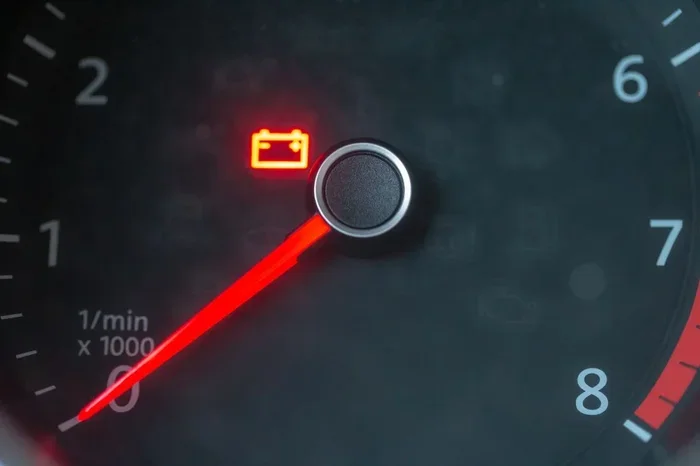
You are driving down the road, and suddenly the battery light glows on your dashboard. Your car still runs fine. The engine is smooth. The steering feels normal. So why is that little light on? This is a common situation that puzzles many drivers. You might think, “If the car runs fine, what is the big deal?” The big deal is that your charging system is telling you something is wrong. The battery light is a warning sign. It means your car is not getting a proper charge. Even if the engine is running, you could be one breakdown away from a stalled car. In this article, we will explore exactly why your battery light is on but your car still runs fine. We will cover the main causes, simple checks you can do at home, and when you need a mechanic. You will learn how the alternator, battery terminals, and serpentine belt work together. By the end, you will know exactly what to do next.
The dashboard warning light can look scary, but it is just your car talking to you. It uses symbols to tell you about problems. The battery light specifically points to the charging system. Many people confuse it with the check engine light. They are different. The check engine light can mean many things. The battery light is almost always about the battery or the alternator. When the light stays on, it means the voltage is too low. Your car can run on battery power for a while. But once the battery drains, the engine will stop. That is why you must take this light seriously, even if the car feels fine right now.
Key Takeaways
- Battery light on but car runs fine: Your car can temporarily run on battery power alone, but you should fix the issue quickly.
- Common causes: Loose terminals, a failing alternator, a worn serpentine belt, or a voltage regulator problem.
- Quick check: Inspect battery terminals and the serpentine belt first—they are easy to see and often the fix.
- Do not ignore it: Driving with the light on can leave you stranded if the battery dies.
- Use a multimeter: A simple voltage test can tell you if your charging system is working.
- Seek help when needed: If you cannot find the cause, a mechanic can diagnose parasitic draws and complex electrical faults.
📑 Table of Contents
- Understanding the Battery Light and Charging System
- Common Reasons Your Battery Light Is On but Car Runs Fine
- Why Your Car Still Runs Fine When the Light Is On
- How to Diagnose the Problem
- Quick Tips and Common Mistakes
- When to Seek Professional Help
- Comparison Table: Common Causes and Fixes
- Key Takeaways from Your Battery Light Issue
Understanding the Battery Light and Charging System
Before we dive into causes, let us understand what the battery light actually means. The light is part of your car’s electrical system. It monitors the voltage output from the alternator. When you start the car, the ignition switch sends power to the starter motor. The alternator then takes over to keep the battery charged. If the alternator fails or the voltage regulator malfunctions, the light comes on. The charging system includes the alternator, the voltage regulator, the battery, and the wires that connect them. A problem in any part can trigger the light. Your car can still run because the battery acts as a backup. It supplies power to the spark plugs, lights, and computer. But this backup will not last forever. Once the battery voltage drops too low, the engine will stall.
How the Battery Light Works
The battery light is a simple circuit. It checks if the alternator is producing the right voltage. A healthy alternator outputs about 13.5 to 14.5 volts. If the voltage falls below 13 volts, the light turns on. This is a voltage drop warning. The light does not tell you exactly what is broken. It just tells you the charging system is not working properly. That is why you need to do a little detective work. You have to find the root cause.
Common Reasons Your Battery Light Is On but Car Runs Fine
Several issues can cause the battery light to glow while the car runs smoothly. Let us look at the most common ones. Each one has a clear explanation and a simple fix. In many cases, you can solve the problem in your driveway with basic tools.
Faulty Alternator
The alternator is the heart of your charging system. It turns mechanical energy into electrical energy. It keeps the battery full while the engine runs. When the alternator starts to fail, it cannot produce enough voltage output. The battery light comes on to warn you. A bad alternator often makes a whining noise. You might also notice dim headlights when you idle. If the alternator fails completely, the car will run only on battery power. Once the battery dies, the engine stops. Replacing an alternator is a common repair. A mechanic can test the alternator with a multimeter to see if it is outputting the right voltage.
Loose or Corroded Battery Terminals
This is the number one cause of a battery light that comes and goes. The battery terminals are the metal clamps that connect the wires to the battery. Over time, these terminals can loosen. They can also build up a white or blue powdery substance called corrosion. Corrosion blocks the electrical current. Even if the alternator is working perfectly, the power cannot reach the car’s systems. The battery light turns on because the voltage drop is too high. The good news is that this is an easy fix. You can clean the terminals with a wire brush and a baking soda solution. Tightening the clamps often solves the problem instantly.
Serpentine Belt Issues
The serpentine belt is the long rubber belt that wraps around several engine components. It powers the alternator, water pump, and air conditioning compressor. If this belt becomes loose, worn, or cracked, it can slip. A slipping belt means the alternator spins slower. This reduces the voltage output. The battery light comes on as a result. You might hear a squealing noise when you start the car. A visual inspection can reveal a frayed or glazed belt. Replacing a serpentine belt is inexpensive and quick. It is one of the first things a mechanic checks when the battery light is on.
Voltage Regulator Failure
The voltage regulator controls the amount of power the alternator sends to the battery. It keeps the voltage steady at about 14 volts. If the regulator fails, the alternator might send too much or too little voltage. Too little voltage triggers the battery light. Too much voltage can damage the battery and other electronics. The regulator is often built into the alternator. When it fails, you usually need to replace the whole alternator. A multimeter test can reveal irregular voltage readings that point to a regulator problem.
Parasitic Draw
A parasitic draw happens when an electrical device drains power from the battery when the car is off. But a parasitic draw can also cause issues while driving if it is severe. The alternator struggles to keep up with the power drain. The battery light comes on because the system is working overtime. Common culprits include a faulty dome light, a stuck relay, or an aftermarket audio system. You can test for a parasitic draw with a multimeter placed in series with the battery. If the draw is more than 50 milliamps, you have a problem that needs fixing.
Why Your Car Still Runs Fine When the Light Is On
It is confusing when the battery light is on but the car feels completely normal. The engine has plenty of power. The accessories work. The radio plays clearly. So why does the light stay on? The answer lies in how your car’s electrical system is designed. Your car has a battery that stores energy. When the charging system fails, the battery takes over. It powers the spark plugs, fuel injectors, and computer. The car continues to run on this stored energy. You might not notice any change in performance at first. However, the battery is not being recharged. It is slowly draining. Once the battery voltage drops below 12 volts, the engine will start to misfire. Eventually, it will stall completely. This is why you should never ignore the battery light, even if the car runs fine right now.
Think of it like a phone with a cracked charger. The phone still works until the battery dies. You can keep using it, but you cannot recharge it. Your car is the same. The battery light tells you the charger is broken. You have a limited amount of time to get it fixed before you are stranded.
How to Diagnose the Problem
You do not need to be a mechanic to figure out why the battery light is on. A few simple checks can point you in the right direction. Always start with the easiest and safest checks first.
Step 1: Check the Battery Terminals
Open the hood and locate the battery. Look at the battery terminals. Are they tight? Do you see any white or greenish buildup? If the terminals are loose, try tightening them with a wrench. If they are corroded, mix baking soda with water and scrub the terminals with an old toothbrush. This simple step fixes many battery light issues. After cleaning, start the car and see if the light goes off.
Step 2: Inspect the Serpentine Belt
Look at the serpentine belt. Is it cracked, glazed, or frayed? Does it seem loose? You can press on the belt with your finger. It should feel firm but slightly flexible. A belt that is too loose will slip on the alternator pulley. If the belt looks bad, replace it. This is a cheap and easy fix that often solves the problem.
Step 3: Test the Voltage with a Multimeter
A multimeter is a handy tool that measures voltage. Set it to DC volts. Touch the red probe to the positive battery terminal and the black probe to the negative terminal. With the engine off, you should see about 12.6 volts. Start the car. The voltage should rise to between 13.5 and 14.5 volts. If the voltage stays below 13 volts with the engine running, your alternator is not charging properly. This test confirms whether the charging system is working.
Step 4: Look for Warning Signs
Pay attention to other symptoms. Do your dim headlights get brighter when you rev the engine? Do you hear a grinding noise from the alternator? Is the check engine light also on? These clues help you narrow down the cause. A slow crank when starting the car is another sign of a charging system problem. If you notice any of these, address them quickly.
Quick Tips and Common Mistakes
Here are some practical tips and mistakes to avoid when dealing with a battery light.
Quick Tips
- Keep jumper cables in your trunk. They can save you if the battery dies unexpectedly.
- Carry a portable battery charger. It can give your battery a boost and keep the car running.
- Clean battery terminals every six months. This prevents corrosion buildup and keeps the connection strong.
- Check the serpentine belt during oil changes. A mechanic can spot wear early before it causes the battery light to come on.
- Turn off all accessories when the light is on. This reduces the drain on the battery and gives you more time to reach a repair shop.
Common Mistakes
- Ignoring the light because the car runs fine. This is the biggest mistake. The car will not run fine forever.
- Replacing the battery when the alternator is the real problem. A new battery will die quickly if the alternator cannot charge it.
- Driving at night with the light on. The battery powers the headlights. A dead battery means no lights and no engine.
- Trying to jump-start a car with a faulty alternator. The jump start might work temporarily, but the alternator will not recharge the battery. You will be stranded again soon.
- Over-tightening battery terminals. This can crack the battery post or damage the clamp. Tighten just until snug.
When to Seek Professional Help
Some problems are easy to fix at home. Others need a trained mechanic. You should seek professional help if you cannot find the cause after basic checks. If the multimeter test shows low voltage and the alternator seems fine, the voltage regulator might be the issue. A mechanic has the tools to test the regulator and the entire charging system. They can also check for parasitic draws that drain the battery while you drive. If you notice a burning smell, see smoke, or hear loud grinding noises, stop driving immediately. These are signs of a serious electrical fault. Do not try to fix them yourself. A professional mechanic can safely diagnose and repair complex electrical system problems. They can also check if the ignition switch or starter motor is contributing to the issue.
Comparison Table: Common Causes and Fixes
| Cause | Symptoms | DIY Fix? | Cost to Repair |
|---|---|---|---|
| Loose or corroded battery terminals | Battery light flickers, car starts intermittently | Yes – clean and tighten terminals | Free to $20 |
| Faulty alternator | Battery light on, dim headlights, whining noise | No – needs testing and replacement | $300 – $600 |
| Worn serpentine belt | Squealing noise, battery light on, belt visible cracks | Yes – replace belt | $50 – $150 |
| Voltage regulator failure | Voltage irregular, battery light on, electronics act erratically | No – usually requires alternator replacement | $300 – $600 |
| Parasitic draw | Battery drains overnight, battery light may come on while driving | Yes – with a multimeter, trace the draw | Free to $100 (parts) |
Key Takeaways from Your Battery Light Issue
A battery light on but car running fine is a warning you should not ignore. Your car is telling you the charging system needs attention. The most common causes are loose terminals, a bad alternator, or a worn serpentine belt. You can often fix the simple issues yourself with basic tools. Always test the voltage with a multimeter to confirm the problem. If the fix is beyond your skill level, visit a trusted mechanic. Remember, your car can run on battery power alone for a short time, but it will not last. Address the issue quickly to avoid being stranded. Keep your electrical system healthy, and your car will reward you with reliable starts and smooth rides.
Frequently Asked Questions
Can I drive my car with the battery light on?
You can drive a short distance, but it is risky. The car runs on battery power alone when the charging system fails. Once the battery drains, the engine will stall. It is best to get the issue checked right away.
How long can a car run with the battery light on?
It depends on the battery condition and how much power you use. A healthy battery might keep the car running for 30 to 60 minutes. If you use the headlights or radio, the battery will drain faster. Do not count on having a lot of time.
Is a battery light the same as a check engine light?
No. The battery light specifically warns about the charging system. The check engine light can mean many different issues, from emissions to sensor problems. They are separate warnings with different meanings.
What should I do if the battery light comes on while driving?
Turn off all non-essential accessories like the radio and air conditioning. Find a safe place to pull over. Check the battery terminals and serpentine belt if you can. If you cannot fix it, call for roadside assistance.
Can a loose battery cable cause the battery light to come on?
Yes, absolutely. A loose or corroded battery terminal creates resistance in the electrical circuit. This causes a voltage drop that triggers the battery light. Cleaning and tightening the terminals often solves the problem.
Does the battery light mean the battery is bad?
Not necessarily. The light means the charging system is not working properly. It could be the alternator, the voltage regulator, or even the serpentine belt. The battery itself might be fine but not receiving a charge.