What Are the Signs of a Bad Ignition Coil and How to Fix It
A bad ignition coil can cause a range of driving problems, from engine misfires to rough idle and stalling. In this guide, you’ll learn the key signs of a bad ignition coil, how to test it yourself, and when to replace it. Ignition coil failure is often easy to spot if you know what to look for.
You’re driving down the highway, and the engine starts to stumble. The check engine light blinks on. You feel a loss of power. What could be causing this?
Many drivers assume it’s a fuel issue or a clogged air filter. But the real cause is often a bad ignition coil. This small part plays a huge role in making your engine run smoothly. When it fails, your car can’t fire on all cylinders.
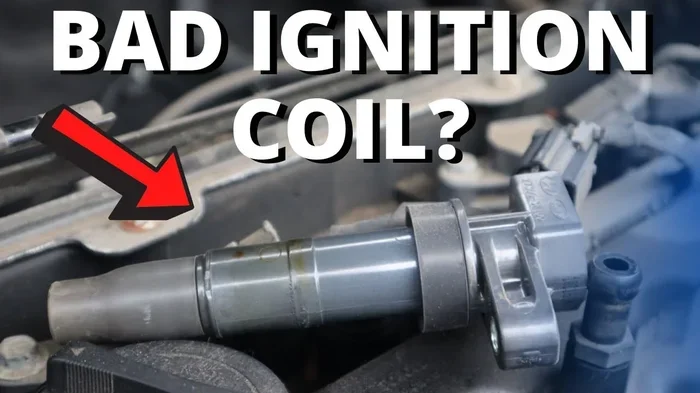
Ignition coils are part of the ignition system. They take the battery’s low voltage and turn it into the high voltage needed to create a spark. That spark jumps across the spark plug gap and ignites the fuel-air mixture. Without a working coil, the engine misfires or won’t start at all.
Knowing the signs of a bad ignition coil can save you from a breakdown. It also helps you avoid costly repairs. In this article, you’ll learn the most common ignition coil symptoms. I’ll show you how to test a coil at home. You’ll also get a step-by-step guide for replacing it.
Whether you drive a modern coil-on-plug setup or an older ignition coil pack, this guide covers it. Let’s dive in and get your car running right again.
Key Takeaways
- Engine misfires are the #1 sign: A failing ignition coil often causes noticeable misfires, especially under load.
- Rough idle and stalling point to coil issues: If your engine shakes at a stop or dies unexpectedly, check the coils.
- Check engine light with misfire codes is a red flag: Codes like P0300 to P0304 often point directly to a bad ignition coil.
- You can test coils at home: A simple swap test or multimeter check can confirm failure without a shop visit.
- Replacement is straightforward: Most coil-on-plug setups let you swap the coil in under 20 minutes.
- Cost is usually low: A single ignition coil costs $20–$100, and DIY labor is free.
📑 Table of Contents
What Does an Ignition Coil Do?
Think of the ignition coil as a transformer. It takes the 12 volts from your battery and boosts it to thousands of volts. That high voltage is what creates the spark at the spark plug.
Inside the coil, there are two sets of wires. The primary winding receives the low voltage. The secondary winding multiplies that voltage many times over. When the ignition module sends a signal, the coil releases the stored energy as a spark.
In older cars, a single ignition coil pack serves all cylinders. In modern engines, each spark plug has its own coil. This is called a coil-on-plug or COP setup. COP systems are more reliable and easier to diagnose.
When the coil works well, the engine runs smoothly. When it fails, you get engine misfire and other problems. Let’s look at the top signs.
The Top Signs of a Bad Ignition Coil
A failing ignition coil doesn’t just stop working all at once. It usually shows warning signs first. Here are the most common ignition coil symptoms you should watch for.
Engine Misfires
An engine misfire is the #1 sign of a bad ignition coil. You’ll feel a jerky sensation when accelerating. The engine may sound rough or uneven. Misfires often get worse under load, like when you’re climbing a hill.
Misfires happen because the coil can’t create enough voltage to fire the spark plug. The fuel in that cylinder doesn’t burn. This unburned fuel can damage the catalytic converter over time.
Quick Tip: If you notice a misfire only at idle or under load, it’s often a coil issue. A fuel problem usually causes misfires at all times.
Rough Idle
A rough idle is another classic sign. The engine shakes or vibrates when you’re stopped at a red light. You might hear the RPMs fluctuating up and down.
When an ignition coil starts to fail, it may spark inconsistently. This causes the engine to run unevenly at low speeds. A rough idle can also point to vacuum leaks or dirty fuel injectors. But if you also have a misfire, the coil is the likely culprit.
Stalling
A bad ignition coil can cause the engine to stall. This happens when the coil completely fails while driving. The engine suddenly dies and won’t restart right away.
Stalling is dangerous, especially at high speeds or intersections. If your car stalls and the check engine light comes on, pull over safely. A failing coil can cut power to one or more cylinders entirely.
Hard Starts
Does your engine crank for a long time before starting? A weak ignition coil may not provide enough spark to ignite the fuel easily. You might notice this more in cold weather.
Hard starts can also be caused by a weak battery or old spark plugs. But if the battery is new and the plugs are fresh, check the coils. A single failing coil can make starting a real hassle.
Check Engine Light
The check engine light is a broad warning. But when it comes on with a specific code, it can point directly to a bad ignition coil. Common misfire codes include P0300 (random misfire), P0301 (cylinder 1 misfire), P0302 (cylinder 2), and so on.
These codes often mean the ignition coil is not firing properly. You can use an OBD-II scanner to read the codes. If you see a misfire code, the coil should be your first suspect.
Poor Fuel Economy
A failing coil causes incomplete combustion. The engine runs rich, meaning it uses more fuel than needed. You might notice you’re filling up more often.
Unburned fuel can also foul the spark plugs and damage the catalytic converter. So a small coil problem can lead to big expenses if ignored.
| Symptom | Likely Cause | Ignition Coil Related? |
|---|---|---|
| Engine misfire | Bad coil, worn spark plug, fuel injector issue | Yes |
| Rough idle | Failing coil, vacuum leak, dirty throttle body | Yes |
| Stalling | Coil failure, fuel pump problem, sensor fault | Yes |
| Hard starts | Weak coil, old spark plugs, low battery | Yes |
| Check engine light (misfire codes) | Coil failure, spark plug gap, wiring fault | Yes |
| Poor fuel economy | Misfires causing rich mixture, leaking injectors | Yes |
Quick Tips: Don’t ignore a check engine light. Even if the car seems to drive fine, a misfire can hurt your engine. Address it quickly to avoid bigger repairs.
What Causes Ignition Coil Failure?
Ignition coils don’t just fail for no reason. Understanding the causes can help you prevent future problems. Here are the most common reasons a coil goes bad.
Age and Wear
Ignition coils are designed to last a long time. Many last over 100,000 miles. But heat, vibration, and electrical stress take a toll. Over time, the insulation inside the coil breaks down. This leads to short circuits or open circuits.
As the coil ages, it becomes weaker. It can no longer produce the high voltage needed for a strong spark. This is a normal part of the car’s life cycle.
Moisture and Corrosion
Water is the enemy of electrical parts. If moisture gets inside the coil boot or connector, it can cause corrosion. Corrosion increases resistance and weakens the spark.
Carbon tracking is another moisture-related issue. A thin carbon trail forms on the inside of the boot. This trail lets the high voltage leak to ground instead of jumping the spark plug gap. The result is a weak or missing spark.
Spark Plug Problems
A worn or fouled spark plug puts extra strain on the ignition coil. If the plug gap is too wide, the coil has to work harder to create a spark. Over time, this extra work can cause the coil to overheat and fail.
Always replace spark plugs at the recommended interval. A new plug with the correct spark plug gap helps the coil last longer. Think of it as teamwork: the plug and coil need each other.
Overheating
Ignition coils are located near the engine. They endure high temperatures every day. If your engine runs hot, the coils can overheat. Heat breaks down the internal insulation and shortens the coil’s life.
Engine overheating can be caused by a cooling system problem. If you notice your temperature gauge running high, get it checked. Fixing the cooling issue also protects your ignition coils.
Common Mistake: Many people replace the ignition coil without checking the spark plugs. A worn plug can overload the new coil and cause it to fail again. Always inspect and replace plugs when you change a coil.
Expert Insight: “I’ve seen coils fail because of oil leaks from the valve cover. Oil gets into the boot and causes carbon tracking. Fix the leak first, or the new coil will fail too.” — ASE-certified mechanic
How to Test an Ignition Coil at Home
You don’t need a professional mechanic to check a coil. With a few basic tools, you can test it yourself. Here’s how to do it step by step.
Visual Inspection
Start with a visual check. Look at the coil and its connector. Do you see any cracks, burn marks, or corrosion? A damaged coil housing is a clear sign of failure.
Check the spark plug boot for carbon tracking. A black, powdery line on the inside of the boot means the voltage is leaking. Replace the coil and boot if you see this.
Multimeter Test
A multimeter can measure the resistance of the coil’s windings. This test checks the primary winding and secondary winding resistance.
Set your multimeter to the ohms setting. Disconnect the coil connector. Place the probes on the primary terminals. You should see a resistance between 0.4 and 2 ohms. If it’s open or too high, the primary winding is bad.
Next, place one probe on the primary terminal and the other on the secondary terminal (the center plug). You should see 6,000 to 15,000 ohms. Exact specs vary by vehicle, so check your service manual. If the reading is outside the range, the coil needs replacement.
Swap Test
If you have a misfire code for one cylinder, try swapping the coil with another cylinder’s coil. Clear the codes and drive again.
If the misfire code moves to the new cylinder, the original coil is bad. If the code stays on the same cylinder, the problem is likely a spark plug or fuel injector.
This simple test can save you from buying a new coil that isn’t needed.
Quick Tip: Always disconnect the battery before testing coils. Also, wait a few minutes after turning off the engine. The coils can hold a charge and cause a shock.
How to Replace a Bad Ignition Coil
Replacing a coil is one of the easiest repairs you can do at home. Most modern cars use a coil-on-plug setup. This makes the job quick and simple. Here’s how to do it.
Tools Needed
You’ll need a few basic tools:
- Ratchet and spark plug socket
- Dielectric grease
- New ignition coil (match your vehicle’s part number)
- OBD-II scanner (optional, to clear codes)
- Safety glasses and gloves
Removing the Old Coil
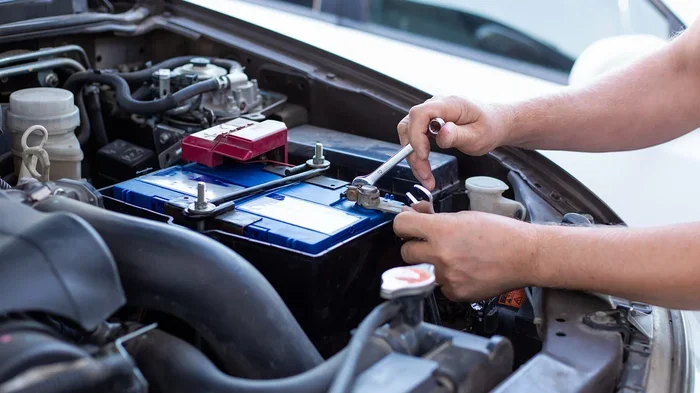
First, disconnect the negative battery cable. This prevents any electrical shorts. Locate the coil you need to replace. It will be sitting on top of the spark plug.
Unplug the electrical connector. Press the tab and pull it straight out. Next, remove the bolt or screw that holds the coil in place. Carefully pull the coil straight up. Do not twist or pry it. You might need a little wiggle, but it should come out smoothly.
Installing the New Coil
Before installing the new coil, apply a thin layer of dielectric grease to the inside of the spark plug boot. This prevents moisture and makes future removal easier.
Place the new coil over the spark plug. Push it down gently until it seats fully. Reinstall the bolt or screw. Tighten it snugly, but don’t overtighten. Plug the electrical connector back in. Reconnect the battery.
Start the engine and let it idle. If the misfire was caused by the coil, it should be gone. Use an OBD-II scanner to clear any stored codes. Take the car for a test drive to make sure everything runs smoothly.
Common Mistake: Forgetting to apply dielectric grease. This can lead to moisture entry and corrosion. It also makes the boot stick to the spark plug, risking damage when you remove it next time.
Expert Insight: “I always keep a few spare coils in my trunk. They’re cheap insurance against a roadside breakdown. A failed coil can happen anytime, and roadside replacement is expensive.”
Ignition Coil Replacement Cost and Money-Saving Tips
The cost of replacing an ignition coil varies. It depends on your vehicle, the type of coil, and where you do the work. Here’s a breakdown.
Average Cost
A single ignition coil part costs between $20 and $100. If you take it to a mechanic, labor adds $50 to $100. So the total cost per coil is usually $70 to $200.
If your car has a coil pack that serves multiple cylinders, the part cost is higher. A pack can range from $80 to $300. But you replace all coils at once, so it’s still a good deal.
| Coil Type | Part Cost | Labor Cost (if DIY) | Total DIY Cost |
|---|---|---|---|
| Single Coil (COP) | $20–$100 | $0 | $20–$100 |
| Coil Pack (4-6 cyl) | $80–$300 | $0 | $80–$300 |
| Mechanic Shop (single) | $20–$100 | $50–$100 | $70–$200 |
| Mechanic Shop (pack) | $80–$300 | $50–$100 | $130–$400 |
DIY vs. Mechanic
If you’re comfortable with basic car maintenance, replacing a coil is a great DIY job. It takes about 20 minutes per coil. You save on labor costs and learn something new.
If you’re not sure, a mechanic can do it quickly. Many shops charge a flat rate for ignition coil replacement. Ask for a quote before committing.
Preventive Maintenance
You can extend the life of your ignition coils with simple habits:
- Replace spark plugs at the recommended interval.
- Keep the engine cool. Fix overheating issues promptly.
- Inspect coil boots for cracks or corrosion regularly.
- Use dielectric grease when installing new coils.
- Avoid driving with a rough idle for long periods.
These steps reduce stress on the coils and help them last longer.
Conclusion
A bad ignition coil can cause a lot of trouble, but the fix is often simple. By recognizing the signs early, you can prevent a small problem from becoming a big one. Misfires, rough idle, stalling, and a check engine light are all clues that your coil may be failing.
Testing and replacing a coil is a job most car owners can do at home. It saves money and gets you back on the road quickly. Don’t ignore the symptoms. A little attention now can save you hundreds of dollars later.
Take care of your ignition system, and your car will reward you with smooth, reliable performance. Start by checking your coils if you notice any of the signs we covered. Your engine will thank you.
Frequently Asked Questions
What are the first signs of a bad ignition coil?
The first sign is usually an engine misfire. You might feel a jerky sensation when accelerating. A rough idle or stalling can also appear early. The check engine light may come on with a misfire code like P0300 or P0301. Don’t ignore these symptoms. They often point directly to a bad ignition coil.
Can you drive with a bad ignition coil?
You can drive short distances, but it’s not recommended. A failing coil can cause the engine to stall unexpectedly. It can also damage the catalytic converter by letting unburned fuel pass through. If you notice a misfire, get the coil checked or replaced as soon as possible.
How much does it cost to replace an ignition coil?
A single ignition coil part costs $20 to $100. If you do it yourself, labor is free. A mechanic will charge an additional $50 to $100 for labor. So the total cost is usually between $70 and $200 per coil. Coil packs for multiple cylinders cost more, but they save time and ensure all cylinders are firing properly.
How do you test an ignition coil with a multimeter?
Set your multimeter to the ohms setting. Disconnect the coil connector. Measure the resistance across the primary terminals. You should see 0.4 to 2 ohms. Then measure from the primary terminal to the secondary terminal (center plug). You should see 6,000 to 15,000 ohms. If the readings are outside these ranges, the coil is likely bad. Always compare your readings to your vehicle’s service manual specs.
What causes an ignition coil to fail prematurely?
Several factors can shorten a coil’s life. Age and wear are the most common. Moisture and corrosion can cause carbon tracking. Worn spark plugs put extra strain on the coil. Engine overheating also damages coils. Oil leaks from the valve cover can get into the coil boot and cause failure. Regular maintenance helps prevent these issues.
Is it better to replace the coil or the whole pack?
In a coil-on-plug system, you only replace the faulty coil. In an older system with a coil pack, if one section fails, you often replace the entire pack. This ensures all cylinders get consistent spark. If you have a pack system and one coil is bad, the others are likely near failure too. Replacing the whole pack is a smart preventive move.