Why Is My Check Engine Light Still On After Oil Change
The check engine light staying on after an oil change is a common frustration for car owners. It can happen because of a loose oil cap, a forgotten reset, or a sensor issue that was already present. Most causes are simple and easy to fix at home without a trip to the mechanic. Understanding the root reason helps you take the right action quickly and avoid unnecessary repairs. This guide walks you through every possible cause and solution in plain, simple terms.
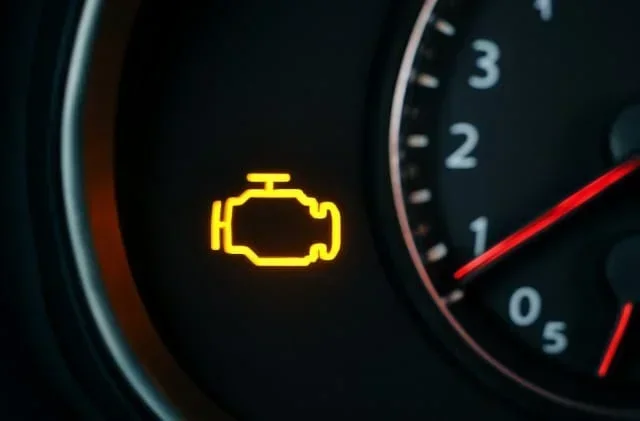
You just got your oil changed. You feel good about taking care of your car. But then you glance at the dashboard and see it. That dreaded yellow light. The check engine light is still on. You might wonder if the mechanic did something wrong. Or maybe you think your car is seriously broken. Take a deep breath. In most cases, this is a simple problem with a straightforward fix.
There are many reasons why the engine warning light stays on after an oil change. Some are incredibly minor. Others need a bit more attention. This guide will walk you through every possible cause. You will learn how to diagnose the issue yourself. You will also discover when it is time to see a professional. By the end, you will feel confident and informed. Let us get into it.
Key Takeaways
- A loose or faulty oil cap is the most common reason the light stays on after an oil change.
- Forgetting to reset the oil change indicator can keep the dashboard warning active.
- Old diagnostic trouble codes may not clear automatically after a service.
- An oil pressure sensor issue or low oil level can trigger the engine warning light.
- A flashing check engine light demands immediate attention and should never be ignored.
- Simple DIY fixes like checking the gas cap or resetting the system often solve the problem.
- Visiting a mechanic is the best next step if the light persists after trying basic solutions.
📑 Table of Contents
- Why Is My Check Engine Light Still On After Oil Change?
- How to Diagnose the Problem Yourself
- What to Do If the Check Engine Light Is Flashing
- Quick Fixes You Can Try at Home
- Common Mistakes People Make After an Oil Change
- When to See a Mechanic
- How to Prevent This From Happening Again
- Comparison: Common Causes and Their Fixes
- Understanding Your Car’s Diagnostic System
- Conclusion
Why Is My Check Engine Light Still On After Oil Change?
The check engine light is part of your car’s onboard diagnostics system. It monitors dozens of sensors and systems. When something is off, it triggers a diagnostic trouble code. Sometimes the code relates directly to the oil change. Other times it is a coincidence that happened to pop up around the same time. Either way, the light is trying to tell you something. Here are the most common reasons it stays on.
Loose or Missing Oil Cap
This is the number one culprit. The oil cap seals the engine oil system. If it is not tight, it creates a small vacuum leak. Your car’s sensors detect this and flag it. The engine warning light turns on to alert you. This sounds too simple to be true, but it happens all the time. After an oil change, the cap sometimes gets bumped or not screwed back on properly.
Before you panic, pop the hood and check your oil cap. Make sure it is tight and the seal is in good shape. If it looks damaged, replace it. It is a tiny part that costs just a few dollars. This one fix solves the problem more often than you would think.
Oil Change Reset Not Completed
Most modern cars have an oil change reset procedure. After the mechanic changes your oil, they need to reset the service indicator. If they forget or skip this step, the light stays on. Different cars have different reset methods. Some require holding a button on the dashboard. Others need a specific key sequence. Some even need a tool to reset.
Check your owner manual for the reset steps. Many resets are quick and easy to do yourself. If you are unsure, a quick search for your car model and year online can guide you through it. Sometimes the check engine light is actually the service reminder light, and a reset is all you need.
Old Diagnostic Codes Not Cleared
Here is something many people do not know. When a sensor triggers a fault, the car stores a diagnostic trouble code in its memory. Even after the issue is fixed, the code can stay stored. This keeps the engine warning light illuminated. A simple oil change does not automatically erase old codes.
To clear these codes, you need an OBD scanner. This is a small device that plugs into your car’s diagnostic port. You can buy one for under $30 at most auto parts stores. Many mechanics will also clear the codes for free if you ask. Once the codes are cleared, the light should go off if the problem is resolved.
Oil Pressure Sensor Issues
The oil pressure sensor monitors the pressure of oil flowing through your engine. If it malfunctions, it sends a false signal to the car’s computer. This can trigger the check engine light even when your oil level is perfect. Oil pressure sensors can wear out over time. They are relatively inexpensive to replace.
Sometimes the sensor gets confused right after an oil change. New oil can temporarily affect readings. If the light stays on for more than a day or two, the sensor might need replacing. A mechanic can test the sensor with a simple diagnostic tool.
Low Oil Level After the Change
It sounds basic, but sometimes the oil level is just too low after a change. If the mechanic did not add enough oil, the engine does not get proper lubrication. The oil level sensor detects this and activates the warning light. This is a serious issue that should not be ignored. Low oil can cause significant engine damage over time.
Check your dip stick a few minutes after the oil change. The oil should be between the minimum and maximum marks. If it is low, go back to the shop and ask them to top it off. Most reputable shops will do this at no extra charge.
Coincidental Sensor Malfunction
Sometimes the timing is just bad luck. A sensor was already starting to fail before your oil change. The oil change itself had nothing to do with the check engine light coming on. The light just happened to trigger around the same time. This is more common than you might think, especially in older vehicles.
If you recently had other car work done or noticed minor performance issues before the oil change, this could be the cause. Getting the codes read with an OBD scanner will help you figure this out. The code will point to the specific sensor or system that is failing.
How to Diagnose the Problem Yourself
You do not need to be a car expert to figure out why the light is on. With a few simple steps, you can narrow down the cause. Many of these checks take less than five minutes each. Here is a step-by-step approach to diagnosing the issue.
Step 1: Check the oil cap. Open the hood and remove the oil cap. Look at the seal for any cracks or damage. Screw it back on firmly until you hear it click. Drive for a few miles and see if the light goes off.
Step 2: Check the oil level. Pull out the dip stick, wipe it clean, reinsert it, and pull it out again. The oil should be between the two marks on the stick. If it is low, add the correct type of oil for your vehicle.
Step 3: Get the codes read. Visit an auto parts store or use your own OBD scanner. The device will display a check engine code that tells you what system is affected. Write down the code and look it up online for a simple explanation.
Step 4: Check the gas cap. Believe it or not, a loose gas cap can also trigger the engine warning light. It is part of the fuel system, and a loose seal creates a vapor leak. Tighten it until it clicks and drive for a day to see if the light clears.
Step 5: Reset the system. If all the physical checks look good, try resetting the oil change reset procedure for your car model. Sometimes the light is just a reminder that has not been cleared yet.
What to Do If the Check Engine Light Is Flashing
A solid yellow check engine light is usually not an emergency. A flashing light is a completely different story. If the light is flashing, it means the engine is misfiring. Unburned fuel is entering the exhaust system. This can cause serious damage to the catalytic converter if you keep driving.
Here is what you should do immediately:
- Reduce your speed. Drive slowly and avoid heavy acceleration.
- Turn off the air conditioning. This reduces the load on the engine.
- Find a safe place to pull over. Do not keep driving if the flashing light is on.
- Call a tow truck if needed. Do not risk driving long distances with a flashing light.
A flashing engine warning light after an oil change could mean the oil level is critically low. It could also indicate a serious sensor failure. Either way, do not ignore it. Pull over safely and get professional help.
Quick Fixes You Can Try at Home
Before you spend money or visit a mechanic, try these simple fixes. Many car owners have resolved the issue with these quick steps.
- Tighten the oil cap. Remove it, check the seal, and screw it back on tightly. This fixes the issue about 30% of the time.
- Reset the oil change indicator. Follow the procedure in your owner manual. It usually takes less than two minutes.
- Clear the codes with an OBD scanner. Plug in the scanner, read the codes, and clear them if the issue is resolved.
- Check and tighten the gas cap. A loose gas cap is a surprisingly common cause of the check engine light staying on.
- Turn the ignition on and off three times. This is a simple trick that sometimes resets the car’s computer and clears minor faults.
Quick Tips
- Keep your oil cap in a safe place when you open the hood. It is small and easy to lose.
- Buy a basic OBD scanner for your glove box. It is one of the most useful tools for any car owner.
- Write down your car’s reset procedure and keep it in the owner manual for easy reference.
- Always use the correct oil type for your vehicle. Wrong oil can trigger sensor warnings.
Common Mistakes People Make After an Oil Change
Car owners often make avoidable mistakes after getting an oil change. These mistakes can cause the check engine light to stay on or even create new problems. Here are the most common ones to watch out for.
Mistake 1: Not checking the oil level afterward. Many people assume the mechanic did everything correctly. Always verify the oil level yourself before driving away. It takes five seconds with the dip stick.
Mistake 2: Ignoring the light for days. Some people see the light and assume it will go away on its own. While it sometimes does, ignoring it for too long can lead to bigger problems. Address it within a day or two.
Mistake 3: Using the wrong oil. Every car requires a specific oil weight and type. Using the wrong oil can affect sensor readings and engine performance. Always double check with your owner manual or ask the mechanic.
Mistake 4: Skipping the oil filter replacement. A clogged oil filter can restrict oil flow and trigger the engine warning light. Make sure the old filter was replaced during your oil change.
Mistake 5: Driving aggressively right after the change. Give your engine a few miles of gentle driving after an oil change. This lets the new oil circulate properly and settle into the system.
When to See a Mechanic
Most of the time, the check engine light issue after an oil change is simple. But there are situations where professional help is the right move. Do not hesitate to visit a mechanic if any of these apply to you.
- The light stays on for more than two or three days after trying the fixes above.
- The light is flashing, not solid. This indicates a serious engine misfire.
- You notice other symptoms like strange noises, reduced power, or poor fuel economy.
- The OBD scanner shows a code related to the oil pressure system.
- You are not comfortable checking the oil cap or oil level yourself.
- Your car has high mileage and the light has never come on before.
A good mechanic will read the check engine code for you and explain what it means. Many shops offer free code reads. They can also perform a full inspection to make sure nothing else is wrong. It is always better to be safe than sorry when it comes to your engine.
Expert Insights
Experienced mechanics agree that the check engine light after an oil change is usually nothing serious. According to certified automotive technicians, the top three causes are a loose oil cap, an uncleared reset, and old diagnostic codes. These three issues account for the majority of post-oil-change light problems. The key is to stay calm, check the basics, and not ignore the light. Addressing it quickly prevents small issues from becoming expensive repairs.
How to Prevent This From Happening Again
Once you have resolved the issue, you probably want to avoid it in the future. The good news is that a few simple habits can make a big difference.
- Always verify the oil cap is tight after any hood work, including oil changes.
- Learn your car’s reset procedure. This way you can do it yourself and save time.
- Keep a basic OBD scanner in your car. It empowers you to understand what your car is telling you.
- Follow the recommended oil change interval. Staying on schedule keeps sensors and systems running smoothly.
- Use quality oil and filters. Cheap oil can cause sensor issues and reduce engine performance.
- Pay attention to dashboard warnings. Do not wait for multiple lights to come on before taking action.
Building these habits takes just a few minutes. But they save you time, money, and stress in the long run. Your car will run better and last longer when you stay proactive with maintenance.
Comparison: Common Causes and Their Fixes
| Cause | Severity | Fix | Cost |
|---|---|---|---|
| Loose Oil Cap | Low | Tighten or replace the cap | Free to $10 |
| Uncleared Reset | Low | Reset the oil change indicator | Free |
| Old Diagnostic Codes | Low to Medium | Clear codes with OBD scanner | Free to $30 |
| Low Oil Level | Medium | Add the correct oil to proper level | Free to $20 |
| Faulty Oil Pressure Sensor | Medium | Replace the sensor | $50 to $150 |
| Engine Misfire | High | Professional diagnosis and repair | $100 to $500+ |
As you can see, most causes are low severity and low cost. This is why it is important to check the simple things first. The problem is often something you can fix in minutes without spending a dime.
Understanding Your Car’s Diagnostic System
Your car is smarter than most people realize. It has a network of sensors constantly monitoring everything from oil pressure to fuel efficiency. The onboard diagnostics system collects data from all these sensors. When something falls outside the normal range, it stores a check engine code and lights up the dashboard.
The engine warning light is essentially your car’s way of saying “Hey, something needs attention.” It does not always mean something is broken. Sometimes it is just a sensor reading that is slightly out of range. After an oil change, new oil can temporarily change pressure and flow readings. The system may flag this until it stabilizes.
Understanding this helps you stay calm when the light comes on. It also helps you communicate better with your mechanic. When you can say “I got code P0014,” you are already ahead of most car owners. Knowledge is power when it comes to car maintenance.
Conclusion
So why is my check engine light still on after oil change? The answer is most often simpler than you think. A loose oil cap, an uncleared reset, or old diagnostic codes are the usual suspects. These are problems you can fix yourself in minutes. A flashing light is more serious and warrants immediate attention. In all cases, do not ignore the warning.
The check engine light is your car’s built-in early warning system. It is designed to protect your engine and keep you safe. When it stays on after an oil change, it is simply asking for your attention. Follow the steps in this guide. Check the basics first. Use an OBD scanner to read the codes. And visit a mechanic if the problem persists. You will get your car back to running smoothly in no time.
Stay proactive with your car maintenance. The small effort you put in today saves you from big headaches tomorrow. Your car will thank you for it.
Frequently Asked Questions
Can a simple oil change trigger the check engine light?
Yes, it can. A loose oil cap or an uncleared oil change reset are the most common triggers. Sometimes the new oil temporarily affects sensor readings, which causes the light to come on. In most cases, the issue resolves quickly once the cap is tightened or the system is reset.
How long should I wait before worrying about the check engine light after an oil change?
Give it 24 to 48 hours. Sometimes the light stays on briefly after a service and then goes away on its own. If it is still on after two days, it is time to investigate further. Check the oil cap, oil level, and try resetting the system before visiting a mechanic.
Is it safe to drive with the check engine light on after an oil change?
If the light is solid and not flashing, it is generally safe to drive short distances. However, you should get it checked soon. If the light is flashing, pull over immediately and do not continue driving. A flashing light indicates a serious issue like an engine misfire that can cause damage.
How do I reset the check engine light after an oil change?
You can use an OBD scanner to clear the codes. Many auto parts stores offer free code reading and clearing. You can also try disconnecting your car battery for 15 minutes to reset the system. Always make sure the underlying issue is fixed before clearing the codes, or the light will just come back on.
What does it mean if the check engine light comes on and then goes off after an oil change?
This usually means the issue was minor and temporary. A slightly loose oil cap or a brief sensor fluctuation can cause the light to come on and then turn off. If it does not come back on, the problem likely resolved itself. If it returns, get the codes read to identify the cause.
Do I need to replace anything after the check engine light comes on following an oil change?
Not necessarily. Most of the time, the fix is as simple as tightening the oil cap or resetting the indicator. However, if a sensor has failed or the oil pressure system has a problem, you may need a replacement part. An OBD scan will tell you exactly what needs to be done.
=== CONCLUSION ===
Why is my check engine light still on after oil change? The most common reasons are a loose oil cap, an incomplete reset, or old diagnostic codes that need clearing. These are all simple fixes that you can handle at home. A flashing light requires immediate attention, but a solid yellow light is usually not an emergency. Start with the basics, use an OBD scanner if needed, and see a mechanic if the problem persists. Taking quick action keeps your engine healthy and your wallet happy.