How Many Catalytic Converters Does a 4-Cylinder Have
Most 4-cylinder engines use one or two catalytic converters depending on the vehicle model and year. The number depends on your engine layout, exhaust design, and local emissions laws. A single converter handles the job in most older and simpler setups, while newer models often use two for better efficiency. Understanding your setup helps with maintenance, repairs, and avoiding costly problems. This guide breaks it all down in plain, easy-to-follow terms.
If you own or drive a car with a 4-cylinder engine, you have probably wondered about your catalytic converter at some point. Maybe you heard a strange noise under your car. Or perhaps a friend mentioned converter theft and got you worried. Either way, the question is simple: how many catalytic converters does a 4-cylinder have?
The answer is not always straightforward. Most 4-cylinder engines use one catalytic converter. However, some vehicles use two. The number depends on several factors. These include your car model, engine design, exhaust system layout, and the emissions laws in your area. In this article, we will walk you through everything you need to know. You will learn about converter locations, why some cars use more than one, and how to spot problems early.
We will also cover replacement costs, maintenance tips, and common mistakes car owners make. Whether you are a DIY mechanic or just someone who wants to understand your car better, this guide has you covered. Let us dive right in.
Key Takeaways
- One or two converters: Most 4-cylinder engines have either one or two catalytic converters based on the exhaust system design.
- Location matters: The converter sits between the exhaust manifold and the muffler, usually close to the engine.
- Emissions laws drive the count: Stricter state and federal regulations often require dual converters for cleaner exhaust output.
- Watch for warning signs: A clogged or failing converter causes poor fuel economy, rough idling, and a glowing check engine light.
- Replacement cost varies: Expect to pay between $900 and $2,500 depending on your vehicle and converter type.
- Regular maintenance helps: Keeping your engine tuned and using quality fuel extends the life of your catalytic converter.
📑 Table of Contents
- How Many Catalytic Converters Does a 4-Cylinder Have
- The Role of a Catalytic Converter in Your Exhaust System
- Where Is the Catalytic Converter Located on a 4-Cylinder Engine
- What Factors Determine the Number of Catalytic Converters
- Warning Signs Your Catalytic Converter Needs Attention
- Maintenance Tips to Keep Your Catalytic Converter Healthy
- Common Mistakes Car Owners Make With Catalytic Converters
- How Much Does It Cost to Replace a Catalytic Converter
- How to Find Out Exactly How Many Converters Your Car Has
- Conclusion
How Many Catalytic Converters Does a 4-Cylinder Have
The short answer is that most 4-cylinder engines have one catalytic converter. But the full answer is a little more nuanced. Let us break it down by vehicle type and design.
Single Converter Setup
Many older cars and simpler 4-cylinder engines use just one converter. This setup is common in vehicles built before the mid-2000s. The single converter sits in the exhaust system and cleans up harmful gases before they exit the tailpipe. This one-converter design is straightforward and easy to maintain. It also costs less to replace if needed.
Cars like the Honda Civic, Toyota Corolla, and Ford Focus often use this setup. If your car has a single exhaust pipe coming from the middle of the vehicle, there is a good chance it has one converter. This is the most common configuration for standard 4-cylinder sedans and compact cars.
Dual Converter Setup
Some 4-cylinder engines use two catalytic converters. This design is called a “dual exhaust” or “twin converter” setup. Newer vehicles and performance-oriented models often use this configuration. The two converters work together to clean exhaust gases more efficiently.
Cars with turbocharged 4-cylinder engines frequently use dual converters. The turbocharger creates more exhaust pressure, and two converters handle the increased flow better. Vehicles like the BMW 2 Series, Mercedes-Benz A-Class, and some Subaru models use this setup. If your car has two exhaust pipes coming from the rear, it likely has two converters.
Why the Difference Matters
The number of converters affects your car in several ways. Two converters usually mean better emissions control. They also mean a more complex exhaust system. This can affect repair costs and maintenance needs. Understanding your setup helps you make smarter decisions about repairs and replacements.
The Role of a Catalytic Converter in Your Exhaust System
Your catalytic converter plays a vital role in your car. It is part of the exhaust system. Its job is to reduce harmful emissions. Let us look at how it works and why it matters.
How a Catalytic Converter Works
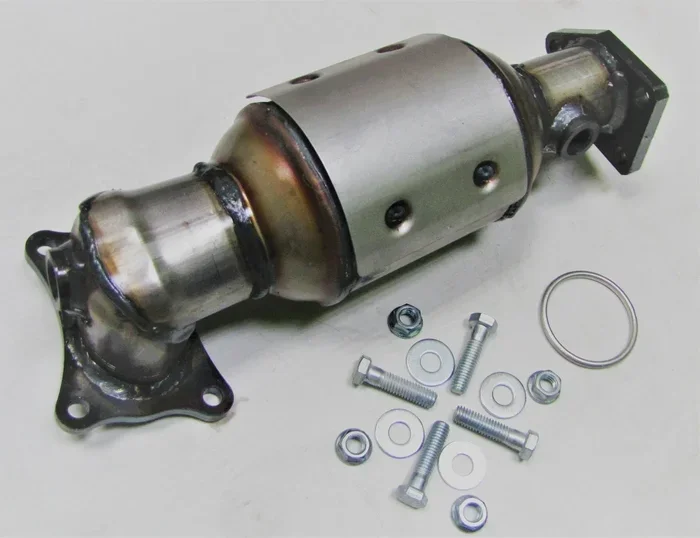
Inside the converter, there is a honeycomb-like structure called the substrate. This substrate is coated with precious metals like platinum, palladium, and rhodium. When hot exhaust gases flow through the converter, these metals trigger chemical reactions. The reactions convert harmful gases into less dangerous ones.
For example, carbon monoxide becomes carbon dioxide. Nitrogen oxides break down into nitrogen and oxygen. Unburned hydrocarbons turn into water vapor and carbon dioxide. This whole process happens in seconds as the exhaust passes through the converter.
Why Emissions Control Is So Important
Federal emissions laws require all cars sold in the United States to have a working catalytic converter. These laws exist to protect air quality and public health. Cars without functioning converters release toxic fumes into the atmosphere. This contributes to smog, acid rain, and respiratory problems.
Your car also needs to pass a vehicle emissions test in many states. A bad converter will cause you to fail. This can prevent you from registering your car or renewing your license plate. Keeping your converter in good shape is not just about performance. It is also about following the law.
The Connection Between the Oxygen Sensor and the Converter
The oxygen sensor plays a big role in how well your converter works. This sensor measures the amount of oxygen in your exhaust gases. It sends this data to your car’s computer, also known as the ECU. The ECU then adjusts the fuel-to-air mixture to keep combustion efficient.
If the oxygen sensor fails, the converter cannot do its job properly. Too much fuel in the exhaust can clog the converter. Too little fuel can cause it to overheat. Both situations lead to premature converter failure. Using an OBD-II scanner to check sensor readings is a smart move during regular maintenance.
Where Is the Catalytic Converter Located on a 4-Cylinder Engine
Knowing where your converter sits helps you understand your car better. It also makes repairs and inspections easier. Let us look at the typical locations.
Single Converter Location
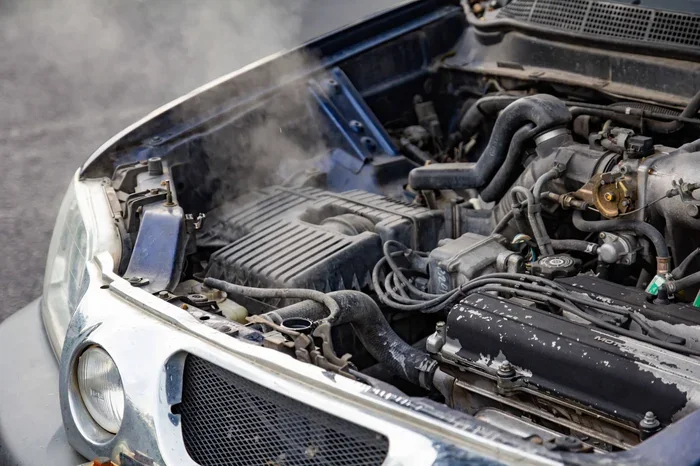
In most 4-cylinder cars with one converter, you will find it close to the engine. It sits between the exhaust manifold and the muffler. The exhaust manifold collects gases from the engine cylinders. The converter then processes those gases before they move to the muffler and tailpipe.
This location is ideal because the converter needs heat to work. Being close to the engine keeps it hot. A hot converter processes emissions more efficiently. If you look under your car near the front, you will likely spot a cylindrical or box-shaped component. That is your converter.
Dual Converter Location
Cars with two converters usually have one near the engine and one further back in the exhaust system. The first converter handles the bulk of emission cleaning. The second one polishes the exhaust gases even further. This two-stage approach is more effective at reducing harmful pollutants.
On turbocharged 4-cylinder engines, the first converter often sits right after the turbo. The second converter is closer to the muffler. This layout helps manage the higher volume and temperature of exhaust gases. If you have two exhaust pipes, you likely have two converters working in tandem.
Common Converter Locations by Car Brand
Different brands place converters in slightly different spots. Here are some common examples:
- Honda and Toyota: Usually one converter near the front of the car, close to the engine.
- BMW and Mercedes: Often two converters, one near the turbo and one mid-exhaust.
- Subaru: Some models use two converters due to the flat engine design and twin exhaust setup.
- Ford and Chevrolet: Most 4-cylinder models use one converter, but some newer models use two.
What Factors Determine the Number of Catalytic Converters
Several factors decide how many converters your 4-cylinder engine uses. Let us go through them one by one.
Engine Design and Configuration
The way your engine is built affects the exhaust system. Inline-4 engines, which are the most common 4-cylinder type, usually have one exhaust outlet. This means one converter handles the job. However, some inline-4 engines use a split exhaust design that feeds into two converters.
Flat-4 engines, like those in Subaru cars, often have two exhaust outlets. Each outlet typically has its own converter. This design helps with engine balance and exhaust flow. The engine configuration is the biggest factor in determining converter count.
Emissions Standards and Regulations
Emissions laws vary by country and even by state. The federal emissions law in the United States sets a baseline. But some states, like California, have stricter standards. These stricter rules often require more advanced exhaust treatment.
Cars sold in California or other strict-emission states may come with two converters even if the same model sold elsewhere has one. This is because the dual converter setup provides better emission reduction. If you live in a state with strict emissions standards, your car may have more converters than you expect.
Aftermarket Modifications
Some car owners modify their exhaust systems after purchase. They might add a second converter for better performance or emissions compliance. Others might remove a converter entirely, which is illegal in most places. Aftermarket catalytic converters are available for those who need replacements or upgrades.
Performance exhaust systems sometimes include high-flow converters. These allow better exhaust flow while still meeting emissions requirements. If your car has been modified, the original converter count may have changed. Always check your local laws before making any exhaust modifications.
Model Year and Trim Level
The year your car was made matters too. Newer models tend to have more advanced emissions systems. A 2010 4-cylinder car might have one converter, while a 2022 version of the same car might have two. Automakers continuously improve emissions technology to meet tightening regulations.
Trim level also plays a role. Higher trims often come with more features, including better emissions equipment. A base model 4-cylinder might have one converter, while the premium trim of the same car could have two. Always check your specific vehicle for the exact setup.
Warning Signs Your Catalytic Converter Needs Attention
Catalytic converters do not last forever. They wear out over time. Knowing the warning signs helps you catch problems early. This can save you money and prevent bigger issues down the road.
The Check Engine Light
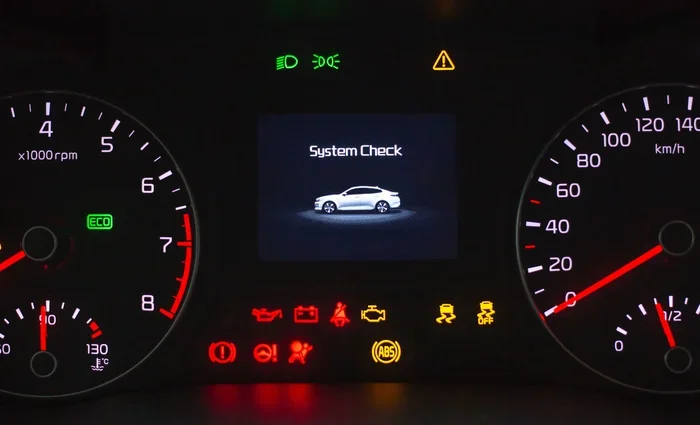
The check engine light is one of the first signs of converter trouble. When the converter efficiency drops, your car’s computer notices. It triggers the check engine light to alert you. Using an OBD-II scanner can give you the specific error code. Common codes related to converter issues include P0420 and P0430.
Do not ignore this light. A glowing check engine light could mean your converter is failing. It could also signal a problem with the oxygen sensor or exhaust leak. Either way, you should get it checked as soon as possible.
Reduced Fuel Economy
A failing converter can hurt your gas mileage. When the converter becomes clogged, exhaust gases cannot flow freely. This creates back pressure in the exhaust system. Your engine has to work harder to push gases out. The result is poor fuel economy and reduced performance.
If you notice you are filling up more often, the converter could be to blame. This is especially true if you also feel a loss of power. A clogged converter is one of the most common causes of sudden fuel economy drops.
Rough Idling and Stalling
A bad converter can cause your car to idle roughly. You might feel vibrations at a stoplight. In worse cases, the engine may stall altogether. This happens because the clogged converter disrupts the normal exhaust flow. The engine cannot breathe properly, leading to uneven combustion.
If your car idles rough and the check engine light is on, do not delay repairs. A converter problem left unchecked can lead to more serious engine damage over time.
Rotten Egg Smell
A healthy converter turns sulfur compounds into odorless sulfur dioxide. When the converter fails, sulfur builds up in the exhaust. This creates a strong rotten egg smell. If you notice this odor coming from under your car, the converter needs attention.
This smell is more than just unpleasant. It signals that your emissions system is not working properly. Harmful gases may be leaking into the cabin or releasing into the atmosphere. Have your car inspected right away.
Catalytic Converter Theft Warning
Catalytic converter theft has become a serious problem in recent years. Thieves target converters because they contain precious metals like platinum and palladium. These metals can be sold for high prices on the black market. 4-cylinder cars are often targeted because the converter is easier to access.
You can protect your converter by parking in well-lit areas. Some companies offer converter anti-theft devices. These are metal shields that make it harder to steal the converter. Check with your insurance provider to see if converter theft is covered under your policy.
Maintenance Tips to Keep Your Catalytic Converter Healthy
A well-maintained converter lasts a long time. Most converters survive 100,000 miles or more with proper care. Here are some tips to keep yours in great shape.
Keep Your Engine Tuned
A poorly tuned engine puts extra stress on the converter. Misfiring spark plugs, dirty fuel injectors, and faulty sensors all cause problems. Unburned fuel entering the exhaust system can overheat the converter. This leads to premature failure.
Follow your manufacturer’s recommended maintenance schedule. Replace spark plugs on time. Change your air filter regularly. Keep your fuel system clean. A well-tuned engine means a healthy converter.
Use Quality Fuel
Cheap or contaminated fuel can damage your converter over time. Low-quality fuel contains more impurities and additives. These can leave deposits in the exhaust system. Over time, these deposits clog the converter substrate.
Try to use fuel from reputable stations. Top-tier gasoline contains fewer impurities and keeps your engine and exhaust system cleaner. This small habit can extend the life of your converter significantly.
Address Oil and Coolant Leaks Promptly
Oil or coolant leaking into the exhaust system is very harmful to the converter. Oil creates carbon deposits that clog the substrate. Coolant creates a thick residue that coats the converter internals. Both situations reduce efficiency and can cause total failure.
If you notice blue or white smoke from your exhaust, get your car checked immediately. These are signs of internal leaks that can damage the converter if left unaddressed.
Avoid Short Trips When Possible
The converter needs to reach a certain temperature to work properly. Short trips that do not allow the converter to fully warm up can cause problems. Over time, unburned fuel and moisture accumulate inside the converter. This leads to clogging and reduced efficiency.
If you mostly take short drives, try to combine trips when possible. Longer drives allow the converter to reach optimal operating temperature. This helps burn off any accumulated deposits and keeps the system running smoothly.
Get Regular Emissions Checks
If your state requires emissions testing, do not skip it. These tests catch converter problems early. A failing converter will show up clearly on an emissions test. Catching the problem early means cheaper repairs and less environmental damage.
Even if your state does not require testing, consider getting a voluntary emissions check. Many auto shops offer this service for a small fee. It is a quick way to make sure your converter is working properly.
Common Mistakes Car Owners Make With Catalytic Converters
Avoiding these common mistakes can save you time, money, and headaches.
Ignoring the Check Engine Light
Many drivers ignore the check engine light for weeks or even months. This is a big mistake. A glowing light often signals an emissions problem. By the time the light comes on, the issue may already be affecting your converter. Prompt attention can prevent a small problem from becoming an expensive repair.
Using Cheap Aftermarket Parts
Some owners opt for the cheapest aftermarket catalytic converter available. These budget converters often use less precious metal and lower-quality substrate materials. They may fail within a year or two. Investing in a quality converter or OEM replacement saves money in the long run.
Skipping Regular Maintenance
Many car owners skip oil changes, spark plug replacements, and other routine services. This neglect takes a toll on the converter. A poorly maintained engine produces more unburned fuel and harmful deposits. These directly damage the converter over time. Staying on top of maintenance is the best thing you can do for your converter.
Assuming All 4-Cylinder Cars Have the Same Setup
Not all 4-cylinder engines are the same. Some have one converter, others have two. Assuming your car has a single converter when it actually has two can lead to confusion during repairs. Always check your specific vehicle’s manual or consult a trusted mechanic to confirm your setup.
How Much Does It Cost to Replace a Catalytic Converter
Converter replacement is not cheap. The cost depends on several factors. Let us look at what drives the price.
A single converter replacement typically costs between $900 and $2,500. The converter part itself can range from $400 to $2,000 depending on the brand and quality. Labor costs add another $100 to $500 in most cases. If your car uses two converters, the total cost roughly doubles.
Luxury and imported vehicles tend to have more expensive converters. This is because they use more precious metals and more advanced designs. Aftermarket converters are cheaper but may not last as long or meet emissions standards. Always check local laws before installing an aftermarket unit.
How to Find Out Exactly How Many Converters Your Car Has
If you are not sure how many converters your 4-cylinder has, there are a few ways to find out. First, check your owner’s manual. The manual lists the exhaust system components and their locations. Second, look under your car and count the converter-shaped objects in the exhaust path. Third, use an OBD-II scanner to check for converter-related codes. Each converter has its own efficiency monitoring system, so the scanner can tell you how many are present.
You can also ask a trusted mechanic during your next oil change or inspection. They can quickly confirm your converter count and let you know if any are showing signs of wear. This is a great way to stay ahead of potential problems.
Conclusion
So, how many catalytic converters does a 4-cylinder have? The answer is usually one or two. Most standard 4-cylinder engines use a single converter. Turbocharged models, newer vehicles, and cars sold in strict-emission states often use two. The number depends on your engine design, exhaust layout, and local regulations.
Your catalytic converter is a critical part of your car. It keeps your exhaust clean and your engine running smoothly. Taking care of it through regular maintenance, quality fuel, and prompt repairs pays off in the long run. Watch for warning signs like the check engine light, rough idling, and poor fuel economy. Address problems early to avoid expensive converter replacement costs.
Understanding your car’s exhaust system gives you confidence as a car owner. You will make smarter decisions about repairs, maintenance, and upgrades. Keep this guide handy the next time you have questions about your 4-cylinder engine and its catalytic converter setup. A little knowledge goes a long way toward keeping your car running strong for years to come.
Frequently Asked Questions
Can a 4-cylinder engine run without a catalytic converter?
Technically yes, but it is illegal in most places. Removing the converter violates federal emissions laws and many state regulations. Your car will also fail emissions tests and may release harmful pollutants. It is not worth the legal or environmental risk.
How long does a catalytic converter typically last on a 4-cylinder engine?
Most catalytic converters last between 100,000 and 150,000 miles. However, lifespan depends on driving habits, fuel quality, and engine maintenance. Regular tune-ups and quality fuel can extend converter life significantly.
Is catalytic converter theft more common on 4-cylinder cars?
Yes, 4-cylinder cars are frequently targeted for converter theft. The converters are easier to access and often contain enough precious metals to make theft worthwhile. Parking in secure, well-lit areas and using anti-theft devices can help protect your converter.
Can I drive with a bad catalytic converter on a 4-cylinder engine?
You can drive short distances with a failing converter, but it is not recommended. A severely clogged converter can cause engine damage over time. It can also cause your car to fail emissions tests and release harmful fumes. Have it repaired as soon as possible.
Does a twin exhaust 4-cylinder always have two catalytic converters?
Not always. Some twin exhaust setups still use a single converter with a Y-pipe design. However, most dual exhaust systems do have two converters. Check your specific vehicle to confirm the exact setup.
What is the difference between an OEM and aftermarket catalytic converter?
OEM converters are made by the original manufacturer and meet factory specifications. Aftermarket converters are made by third-party companies and vary in quality. OEM units typically last longer and meet emissions standards more reliably. Aftermarket options are cheaper but may not provide the same longevity or compliance.
=== META TITLE ===
How Many Catalytic Converters Does a 4-Cylinder Have
=== SEO TITLE ===
How Many Catalytic Converters Does a 4-Cylinder Have
=== URL SLUG ===
how-many-catalytic-converters-does-a-4-cylinder-have