Why Is My Maintenance Light On And What You Should Know
The maintenance light on your dashboard can mean many things. It often signals that your car is due for routine service or an oil change. Sometimes it points to a deeper issue that needs immediate attention. Understanding what this light means can save you time, money, and stress. This guide covers every reason your maintenance light might be on and how to fix it.
The maintenance light on your dashboard can feel unsettling. One moment you’re driving along, and the next, a yellow or orange symbol pops up on your dash. It catches your eye and makes you wonder what’s wrong. Is it serious? Can you keep driving? Should you pull over right now?
Most of the time, a maintenance light is not a dire emergency. It usually means your car needs routine attention. But sometimes it signals something that needs a closer look. Either way, understanding what this light means helps you take the right action fast.
In this article, we will break down every reason your maintenance light might be on. We will walk you through how to reset it, when to see a mechanic, and how to prevent it from coming back. Let’s dive in.
Key Takeaways
- Routine Service Reminder: The maintenance light often simply means your car is due for scheduled service or an oil change.
- Multiple Causes: It can be triggered by low oil pressure, faulty sensors, or issues with the oil life monitor system.
- Easy to Reset: Most vehicles let you reset the maintenance light through a simple button sequence or with an OBD2 scanner.
- Don’t Ignore It: Driving with the maintenance light on for too long can lead to engine damage or costly repairs.
- Check Your Owner’s Manual: Every car brand has different maintenance light meanings and reset procedures.
- Prevention Works: Staying on top of your service schedule helps avoid unexpected maintenance light warnings.
📑 Table of Contents
- What Does the Maintenance Light Mean?
- Common Reasons Why Your Maintenance Light Is On
- How to Reset Your Maintenance Light
- When to See a Mechanic About the Maintenance Light
- Preventing the Maintenance Light From Coming On
- Maintenance Light vs. Check Engine Light: What Is the Difference?
- Key Takeaways
- Final Thoughts
What Does the Maintenance Light Mean?
Your maintenance light is part of your car’s onboard diagnostics system. It is a reminder tool built into your vehicle’s computer. Unlike the check engine light, which often signals a specific problem, the maintenance light is usually tied to your service schedule.
Different car brands use different names for this light. Toyota calls it “Maintenance Required.” Honda uses “Maintenance Minder.” Ford and Chevrolet might show a “Service Due” message. No matter the name, the purpose is the same. It tells you it is time to visit a service center or perform basic upkeep.
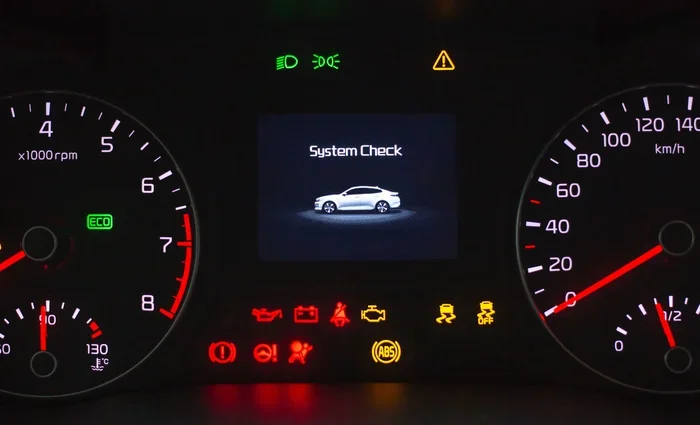
The light typically appears as a small wrench icon or the word “SERVICE” on your dashboard. It may flash or stay solid. A solid light usually means scheduled maintenance is coming due. A flashing light could indicate a more urgent issue, though this varies by vehicle model.
The maintenance light works hand in hand with your oil life monitor. This system tracks your driving habits and engine conditions. It estimates when your oil and other fluids need replacing. When the system determines service is due, it triggers the light.
How the Maintenance Reminder System Works
Modern vehicles use a mileage-based or condition-based maintenance system. The mileage-based system counts miles and lights up when you hit a set interval, like every 5,000 or 7,500 miles. The condition-based system, also called the oil life monitor, watches real-time engine data. It tracks factors like engine temperature, driving style, and hours of operation.
When the system decides your oil is worn out or a service interval has been reached, it turns on the maintenance light. This is a smart feature. It means you get a personalized reminder instead of relying on a fixed mileage number. However, the system can sometimes malfunction, causing the light to come on too early or too late.
Common Reasons Why Your Maintenance Light Is On
There are several reasons your maintenance light might be glowing. Some are simple and easy to fix. Others need a professional eye. Here are the most common causes.
1. Routine Oil Change Due
The number one reason for a maintenance light is a scheduled oil change. Most cars need an oil change every 5,000 to 7,500 miles. If you have driven past your oil change interval, the light will turn on. This is normal and expected.
Ignoring an overdue oil change can hurt your engine. Old oil loses its ability to lubricate moving parts. This leads to more friction, more heat, and eventually engine wear. Getting your oil changed on time is the easiest way to keep your car healthy.
2. Faulty Oil Life Monitor
Sometimes the maintenance light comes on even when your oil is fine. This can happen if the oil life monitor sensor gives a false reading. The sensor might be dirty, damaged, or simply miscalibrated.
A faulty sensor does not always mean your car has a real problem. But it does mean the light will keep coming on until the sensor is fixed or reset. A mechanic can run a diagnostic test to check if the sensor is working properly.
3. Low Oil Level
If your oil level drops too low, the maintenance light may turn on. Low oil can happen from a slow leak or simply from not checking your oil regularly. When there is not enough oil circulating, your engine does not get proper lubrication.
You should check your oil level at least once a month. Pull out the dipstick, wipe it clean, reinsert it, and pull it out again. If the level is below the minimum mark, add the right type of oil for your vehicle. Never ignore a low oil level.
4. Recent Service That Was Not Reset
After you get an oil change or routine service, the mechanic should reset your maintenance light. If they forget to do this, the light will stay on. This is a very common issue and easy to fix.
You can reset it yourself at home in most vehicles. We will cover how to do that in the next section. If you are not comfortable doing it yourself, any auto shop can reset it in a few minutes.
5. Electrical or Wiring Issues
Sometimes the problem is not with your oil or service schedule. It could be a wiring issue or a loose connection. Corroded wires, a blown fuse, or a loose connector can all trigger the maintenance light.
Electrical issues are tricky because they do not always show other symptoms. The car might run perfectly fine, but the light stays on. A mechanic with diagnostic tools can trace the problem to its source and fix it.
6. Engine or Transmission Problems
In rare cases, the maintenance light can come on due to a bigger issue. Engine misfires, transmission trouble, or problems with the fuel system can all trigger the light. These situations usually come with other warning signs.
If you notice strange noises, reduced power, or poor fuel economy along with the light, do not delay. Take your car to a mechanic as soon as possible. Catching problems early saves you from expensive repairs later.
How to Reset Your Maintenance Light
Resetting the maintenance light is usually a straightforward process. The exact steps depend on your car’s make and model. Below are the most common methods.
Method 1: Using the Odometer Button
Many cars let you reset the light using the odometer or trip meter button. Here is the general process:
- Turn the ignition to the “ON” position without starting the engine.
- Press the odometer or trip button until you see the maintenance message.
- Hold the button down for about 10 seconds.
- The light should turn off and the message should reset.
- Turn the ignition off and then back on to confirm.
This method works for many Toyota, Honda, and Nissan models. Check your owner’s manual for exact steps for your specific vehicle.
Method 2: Using the Gas Pedal Trick
Some vehicles require a different approach. For certain Ford and Chevrolet models, you can try this:
- Turn the ignition off.
- Press and hold the gas pedal all the way down.
- While holding the pedal, turn the ignition to the “ON” position.
- Wait for the light to flash or turn off.
- Release the gas pedal and turn the ignition off.
- Start the engine to confirm the light is off.
Method 3: Using an OBD2 Scanner
An OBD2 scanner is a handy tool for any car owner. You plug it into the diagnostic port under your dashboard. The scanner reads error codes and lets you reset maintenance lights and other reminders.
This method is especially useful if the light keeps coming back after a reset. The scanner can show you whether there is an underlying issue causing the light to return. Basic OBD2 scanners cost between $20 and $50 and are worth having in your garage.
Quick Tips for Resetting the Maintenance Light
- Always reset the light after completing the actual service. Never reset it just to make the light go away.
- Keep your owner’s manual handy. It has the exact reset procedure for your car.
- If the light comes back within a few days, there may be a deeper issue that needs fixing.
- Do not try to disconnect the battery as a reset method. This can erase important computer settings and codes.
When to See a Mechanic About the Maintenance Light
Most of the time, the maintenance light is nothing to worry about. But there are situations where you should see a professional right away.
If the light comes on and stays on after you reset it, something is wrong. The system might be detecting a real issue that needs attention. A mechanic can plug in a diagnostic scanner and read the trouble codes stored in your car’s computer. These codes tell exactly what is triggering the light.
You should also see a mechanic if the light flashes instead of staying solid. A flashing maintenance light often means a more urgent problem. It could indicate low oil pressure, engine trouble, or a failing sensor.
Another reason to visit a mechanic is if you notice other symptoms. These include strange engine noises, a drop in fuel efficiency, warning smells like burning oil, or smoke from the exhaust. Any of these signs paired with the maintenance light means your car needs professional care.
Finding a Reliable Mechanic
Not all auto shops are the same. When choosing a mechanic, look for certified technicians with good reviews. Ask friends or family for recommendations. Check online ratings and reviews on platforms like Google or Yelp.
A good mechanic will explain what is wrong in plain language. They will show you the problem and give you a clear estimate before doing any work. Never go to a shop that pressures you into expensive repairs without explaining why they are needed.
Preventing the Maintenance Light From Coming On
The best way to deal with the maintenance light is to prevent it from coming on in the first place. Regular care and attention go a long way.
Follow Your Vehicle’s Service Schedule
Every car comes with a manufacturer-recommended maintenance schedule. This schedule lists every service your car needs and when. It covers oil changes, tire rotations, brake inspections, fluid flushes, and more.
Follow this schedule closely. Even if the light has not come on, staying on top of your service intervals keeps your car running smoothly. It also prevents unexpected breakdowns and expensive repairs down the road.
Keep a Maintenance Log
Writing down your service dates and mileage helps you stay organized. You can keep a simple notebook or use a phone app. A maintenance log makes it easy to spot patterns. If the light comes on at the same mileage every time, you will know it is time for service.
Check Your Fluids Regularly
Beyond oil, your car has other fluids that need attention. Check your coolant, transmission fluid, brake fluid, and power steering fluid regularly. Low fluid levels can trigger warning lights and cause damage to your car’s systems.
Make it a habit to check under the hood once a month. It only takes a few minutes and can save you from big problems later.
Drive with Care
Your driving habits affect how often your car needs service. Aggressive driving, frequent short trips, and towing heavy loads all put extra stress on your engine. These habits can cause the maintenance light to come on sooner than expected.
Smooth driving, regular breaks on long trips, and avoiding overloading your vehicle all help extend the time between services.
Maintenance Light vs. Check Engine Light: What Is the Difference?
Many people confuse the maintenance light with the check engine light. They look different and mean different things. Understanding the difference helps you respond appropriately.
The maintenance light is usually yellow or orange and shows a wrench icon. It is a service reminder. It means your car is due for routine maintenance like an oil change or tire rotation. It is not usually urgent.
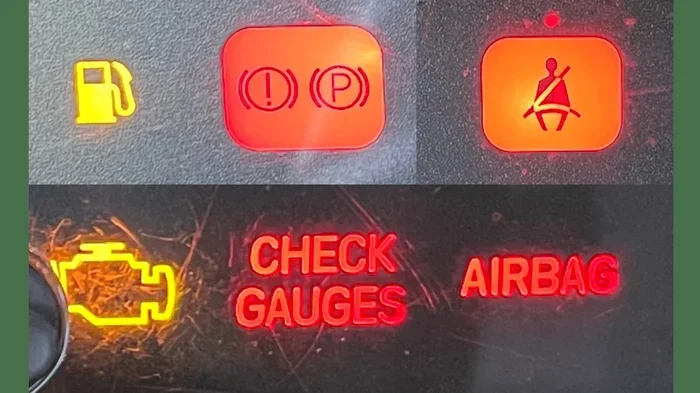
The check engine light, on the other hand, is often yellow or red and shows an engine icon. It signals a specific problem detected by the onboard diagnostics system. It could be something minor like a loose gas cap or something serious like a misfire. When the check engine light comes on, you should get a diagnostic scan done soon.
If both lights are on at the same time, do not panic. But do get your car checked. The check engine light takes priority because it could indicate a problem that needs immediate attention.
Key Takeaways
- Routine Service Reminder: The maintenance light often simply means your car is due for scheduled service or an oil change.
- Multiple Causes: It can be triggered by low oil pressure, faulty sensors, or issues with the oil life monitor system.
- Easy to Reset: Most vehicles let you reset the maintenance light through a simple button sequence or with an OBD2 scanner.
- Don’t Ignore It: Driving with the maintenance light on for too long can lead to engine damage or costly repairs.
- Check Your Owner’s Manual: Every car brand has different maintenance light meanings and reset procedures.
- Prevention Works: Staying on top of your service schedule helps avoid unexpected maintenance light warnings.
Final Thoughts
The maintenance light is your car’s way of asking for attention. Most of the time, it just means it is time for a routine oil change or service appointment. It is a helpful reminder, not a reason to panic.
Now that you know the common causes, you can respond with confidence. Check your oil level first. Reset the light if the service is done. And if the light keeps coming back, see a mechanic. A little attention goes a long way in keeping your car reliable and safe.
Do not let the maintenance light stress you out. Use this guide as your go-to resource whenever that little symbol pops up on your dash. Your car will thank you for it, and your wallet will too.
Frequently Asked Questions
Can I drive with the maintenance light on?
Yes, in most cases you can drive safely with the maintenance light on. It usually means your car is due for routine service, not an emergency. However, if you notice other symptoms like strange noises or poor performance, get your car checked right away.
How do I know if my maintenance light is serious?
A solid maintenance light is usually not serious. It is typically a service reminder. If the light flashes or you see other warning signs like smoke, strange sounds, or loss of power, take it seriously and see a mechanic immediately.
How often should I reset my maintenance light?
You should reset the maintenance light every time you complete a service. This includes oil changes, tire rotations, and other scheduled maintenance. Resetting it ensures the system tracks your next service interval accurately.
Will disconnecting the battery reset the maintenance light?
Disconnecting the battery might reset the light temporarily, but it is not recommended. This method can erase important computer settings and stored codes. It is better to use the proper reset procedure or an OBD2 scanner.
Why does my maintenance light keep coming back after resetting?
If the light keeps returning, there is likely an underlying issue your car’s system is detecting. This could be a faulty sensor, low oil, or a problem with the oil life monitor. A diagnostic scan at a repair shop can reveal the exact cause.
Does the maintenance light affect my car’s performance?
The maintenance light itself does not affect performance. It is just a reminder. However, if the light is on because of an actual problem like low oil or engine trouble, you might notice reduced performance. Always address the root cause, not just the light.