Why Is My Oil Light On When I Have Oil In My Engine
Your oil light can turn on even when you have enough oil in the engine. This is a common problem that many drivers face, and it usually points to an oil pressure issue, a faulty sensor, or a clogged filter. Understanding the real cause can save you from costly engine repairs and keep your car running safely.
You are driving down the road, and suddenly that little yellow oil can icon lights up on your dashboard. You pull over, check the dipstick, and… there is plenty of oil. So what gives? This is one of the most confusing and frustrating things a driver can experience. The oil light on when oil is full situation is more common than you might think.
Many people assume the oil light means they are low on oil. But that is only part of the story. The warning light is really about oil pressure, not just oil volume. Understanding this difference is the first step to fixing the problem. In this guide, we will walk you through every reason your oil light stays on even with oil in the engine. We will also cover what you should do right now and how to prevent it from happening again.
Whether you are a new driver or a seasoned car owner, this article will help you make sense of what your car is trying to tell you. Let us dive in.
Key Takeaways
- Oil level is not the only factor: The light often relates to oil pressure, not just oil volume.
- A faulty oil sensor is a common culprit: Your oil pressure switch can fail and give false readings.
- Low oil pressure is serious: Driving with low pressure can cause major engine damage over time.
- Old or wrong oil can trigger the light: Oil viscosity and condition matter just as much as quantity.
- Simple fixes exist: Many causes are easy and inexpensive to repair at home or at a shop.
- Don’t ignore the light: Even if you have oil, the warning means something needs attention right away.
📑 Table of Contents
What Does the Oil Light Actually Mean?
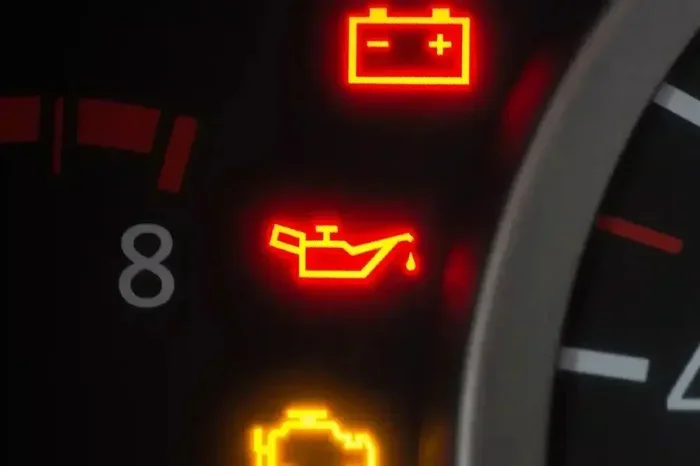
The oil warning light on your dashboard is one of the most important signals your car can give you. It is shaped like an old-fashioned oil can, and it lights up in red or yellow depending on your vehicle. But many drivers do not fully understand what it is monitoring.
The light is connected to your oil pressure sensor, also called the oil pressure switch. This sensor measures the pressure of oil flowing through your engine. When the pressure drops below a safe level, the light comes on to warn you. So the light is not just telling you about oil amount. It is telling you about oil flow and pressure.
Think of it like water pressure in your home. You can have a full water tank, but if the pipes are clogged or the pump is broken, water will not flow properly. The same idea applies to your engine oil. You can have the right oil level in the oil pan, but if the oil is not moving at the right pressure, the light will come on.
Oil Pressure vs. Oil Level
It is really important to understand the difference between these two things. Oil level means how much oil is sitting in the engine. You check this with your dipstick. Oil pressure means how hard the oil is being pushed through the engine’s passages. A low oil pressure warning light can come on even when your oil level is perfect.
Here is a simple way to think about it:
- Oil level = How much oil you have
- Oil pressure = How well the oil is moving through the engine
When your dashboard warning light comes on, it is almost always about pressure, not level. This is why so many people are confused when they see the light and their oil looks fine on the dipstick.
Common Reasons the Oil Light Comes On With Oil Present
Now let us get into the real meat of the topic. There are several reasons your oil light stays on when you have oil. Some are simple fixes. Others need professional attention. Let us go through them one by one.
1. Faulty Oil Pressure Sensor
The most common reason for a false oil light is a bad oil pressure sensor or oil pressure switch. This small part sits on the engine block and measures oil pressure. Over time, it can wear out, get corroded, or develop electrical problems.
When the sensor fails, it may send incorrect signals to your car’s computer. This can make the light come on even when your oil pressure is perfectly normal. It is like a smoke detector that goes off because the battery is dying, not because there is fire.
How do you know if the sensor is the problem? Here are some signs:
- The light comes on and off randomly
- Your engine runs fine with no strange noises
- The oil level and quality look good on the dipstick
- You recently had an oil change and the light appeared shortly after
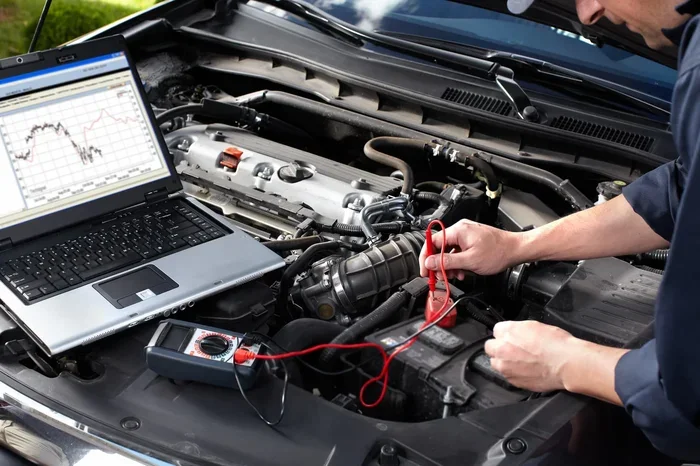
A mechanic can test the sensor with a manual oil pressure gauge. If the real pressure is fine but the sensor still triggers the light, you need a new sensor. This is usually a quick and affordable fix.
2. Low Oil Pressure From a Failing Oil Pump
The oil pump is the heart of your engine’s oil system. It pushes oil through all the passages to keep everything lubricated. If the pump starts to fail, oil pressure drops, and the warning light comes on.
Even if you have plenty of oil in the oil pan, a weak pump cannot move it properly. This is a serious issue because low oil pressure means your engine parts are not getting the lubrication they need.
Common causes of oil pump failure include:
- High mileage and normal wear
- Dirty oil that has not been changed regularly
- Debris and sludge blocking the pump intake
- Using the wrong oil viscosity for your engine
If you suspect a bad oil pump, do not keep driving. Get your car inspected right away. A failing pump can lead to engine damage that costs thousands of dollars to repair.
3. Clogged Oil Filter
Your oil filter catches dirt, metal particles, and other contaminants as oil circulates through the engine. Over time, the filter gets clogged and restricts oil flow. When oil cannot flow freely, pressure drops, and the light comes on.
This is especially common if you have not changed your oil and filter in a while. Even if the oil level is full, a clogged filter can starve the engine of properly pressurized oil.
Quick tip: Always change your oil filter every time you get an oil change. A new filter is cheap insurance for your engine. Most filters cost between 10 and 30 dollars and take just minutes to replace.
4. Wrong Oil Viscosity or Poor Oil Condition
The viscosity of your oil refers to its thickness and how well it flows at different temperatures. If you put in oil that is too thick or too thin for your engine, it can affect oil pressure and trigger the light.
For example, using 20W-50 oil when your engine needs 5W-30 can cause pressure problems, especially in cold weather. The oil may be too thick to flow properly through the passages.
Old oil also breaks down over time. It gets thinner, loses its additives, and becomes less effective at maintaining pressure. This is why regular oil changes are so important. Old, degraded oil is one of the hidden causes of the oil light coming on even when the level looks okay.
5. Oil Leak That Has Not Been Noticed
Sometimes the oil level really is dropping, but you have not noticed it yet. A small oil leak can slowly drain oil from the engine without you realizing it. At first, the level may still be on the dipstick, but the pressure drops because there is simply less oil to circulate.
Common places for oil leaks include:
- The oil drain plug on the oil pan
- The oil filter housing
- Valve cover gaskets
- Oil pan gasket
- Crankshaft seals
If you see any oil spots under your car or notice a burning oil smell, check your level right away. Even a small leak can escalate into a big problem if left unchecked.
6. Engine Wear and Excessive Clearances
In older or high-mileage engines, internal wear can create larger clearances between moving parts. This means oil passes through these gaps too quickly, and oil pressure drops as a result.
This is especially common in engines with worn cam bearings, crankshaft bearings, or cylinder walls. The engine may have the right amount of oil, but it cannot build enough pressure because of the extra space the oil is leaking into.
This type of problem usually requires a professional mechanic to diagnose. In some cases, an engine rebuild or replacement may be necessary, but early detection can prevent the worst outcomes.
7. Electrical or Wiring Issues
Not every oil light problem is mechanical. Sometimes the issue is electrical. A loose connection, corroded wire, or short in the wiring harness can send a false signal to the oil pressure sensor or the car’s computer.
This is more common in older vehicles or cars that have been in accidents. Corrosion on the sensor connector is a frequent cause of intermittent oil light warnings.
If your mechanic rules out all mechanical causes, it is worth having them check the electrical side of the system. A simple wiring repair can often solve the mystery of the oil light on with good oil.
8. Aftermarket Oil Additives or Wrong Oil Products
Some drivers use aftermarket oil additives to try to improve performance or reduce noise. While some additives can be helpful, others can interfere with the oil’s ability to maintain proper pressure. Certain additives can thin the oil too much or react poorly with the existing oil formulation.
Similarly, using non-recommended oil products or mixing different types of oil can create compatibility issues. Always stick with the oil type and brand recommended in your owner’s manual.
How to Diagnose the Real Cause of Your Oil Light
Now that you know the common causes, let us talk about how to figure out what is actually going on with your car. Diagnosing the problem step by step can save you time and money.
Step 1: Check Your Oil Level and Condition
Start with the basics. Pull your car onto a level surface, turn off the engine, and wait a few minutes for the oil to settle. Pull the dipstick, wipe it clean, reinsert it, and check the level. You want the oil between the minimum and maximum marks.
While you are at it, look at the oil color. Fresh oil is amber or golden brown. Dark black or brown oil means it is time for a change. Milky or foamy oil can indicate a coolant leak, which is a different but serious problem.
Step 2: Check for Oil Leaks
Look under your car for any fresh oil spots. Check around the oil filter and drain plug. Also peek under the engine for any wet or oily areas. Even small drips can lead to low pressure over time.
Step 3: Listen to Your Engine
Turn the key and let the engine idle. Listen carefully for any unusual sounds. A ticking, knocking, or rattling noise, especially when the oil light is on, can indicate low oil pressure reaching the top of the engine. This is a red flag that should not be ignored.
Step 4: Get a Professional Oil Pressure Test
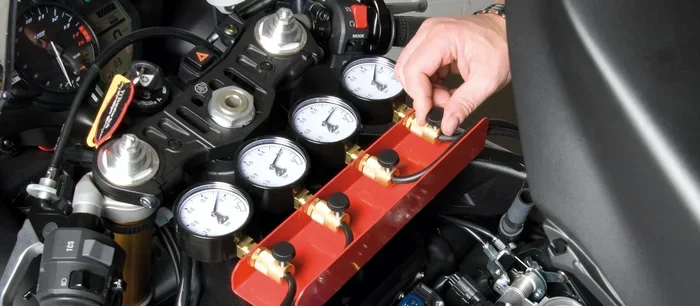
If the basics check out but the light is still on, it is time for a professional oil pressure test. A mechanic will attach a mechanical gauge to the engine and measure the real pressure. This test can confirm whether the problem is with the sensor, the pump, or something else entirely.
What Happens If You Ignore the Oil Light?
This is the part that really matters. Ignoring your oil pressure warning light, even when you have oil, can lead to serious consequences. Let us be honest about this because it is important.
When the light comes on, it means your engine is not getting proper lubrication at the current moment. Engine components like bearings, camshafts, and crankshafts rely on a constant film of pressurized oil to move smoothly against each other. Without that film, metal grinds against metal.
Here is what can happen if you keep driving:
- Increased friction and heat inside the engine
- Premature wear on bearings and other components
- Oil starvation to critical engine areas
- Seized engine in severe cases
- Catastrophic engine failure requiring a full rebuild or replacement
Even a few minutes of driving with low oil pressure can cause damage. The repair cost for a seized engine can range from 3,000 to 7,000 dollars or more. Compare that to the 50 to 200 dollars it typically costs to fix an oil sensor or oil pump issue.
The bottom line is simple. If your oil light is on, take it seriously. Pull over safely, turn off the engine, and investigate. It is always better to be safe than sorry.
Prevention Tips to Keep Your Oil Light Off
Preventing oil pressure problems is much easier and cheaper than fixing them. Here are some practical tips to keep your engine healthy and your dashboard light off.
Follow Your Oil Change Schedule
Stick to the oil change interval recommended by your car manufacturer. Most modern cars need an oil change every 5,000 to 7,500 miles, but check your owner’s manual. Regular oil changes keep the oil clean and the oil filter working properly.
Use the Right Oil
Always use the oil viscosity and type recommended for your engine. This information is in your owner’s manual. Using the correct oil ensures proper pressure and lubrication in all conditions.
Check Your Oil Level Regularly
Make it a habit to check your oil level at least once a month. A quick dipstick check takes less than a minute and can catch slow leaks before they become big problems.
Address Warning Signs Early
Do not wait for the light to come on. If you notice any unusual engine sounds, a burning smell, or decreased performance, get your car checked. Early detection of engine maintenance issues can save you from expensive repairs down the road.
Keep Your Oil System Clean
Over time, sludge and debris can build up in the oil passages. Using quality oil and changing it on schedule helps prevent this buildup. Some mechanics also recommend occasional engine flush treatments for high-mileage vehicles.
When to See a Mechanic
Some oil light issues are simple enough to handle yourself, but others require professional help. You should see a mechanic if:
- The light stays on after checking and topping off the oil
- You hear knocking or ticking noises from the engine
- The light flickers on and off while driving
- You notice a significant drop in oil level over a short period
- The oil looks milky or contaminated
- You have tried replacing the sensor but the light remains
A qualified mechanic has the tools and experience to properly diagnose oil pressure problems and recommend the right fix. Do not hesitate to seek professional help, especially if you are unsure about the cause.
Final Thoughts
Seeing your oil light on when you have oil can be unsettling, but it is also a solvable problem. The key is understanding that the light is about oil pressure, not just oil quantity. From a faulty sensor to a failing oil pump, there are many possible causes, and most of them are fixable when caught early.
Take the warning seriously, follow the diagnostic steps we covered, and do not ignore the light. Your engine is the heart of your vehicle, and proper oil pressure is what keeps it beating strong. Stay on top of your engine maintenance, use the right oil, and you will keep that warning light off for miles to come.
Remember, a few minutes of attention now can save you from a major headache later. Your car is counting on you to listen to what it is telling you.
Frequently Asked Questions
Can I keep driving if my oil light is on but I have oil?
It is not recommended. The light indicates a pressure problem, and driving with low oil pressure can damage your engine. Pull over safely, turn off the engine, and check the oil level and condition. If everything looks normal on the dipstick, have the car towed to a mechanic rather than risk driving it.
How much does it cost to fix an oil pressure sensor?
Replacing an oil pressure sensor typically costs between 50 and 250 dollars, depending on your vehicle make and model. The part itself is usually inexpensive, and the labor is straightforward. This is one of the most affordable repairs related to the oil light.
What oil viscosity should I use to prevent oil light issues?
Always use the oil viscosity recommended in your owner’s manual. Common grades include 5W-30, 5W-20, and 10W-30. Using the wrong viscosity can affect oil pressure and trigger the warning light. Check your manual or ask a trusted mechanic for the right specification for your engine.
Can a clogged oil filter cause the oil light to come on?
Yes, absolutely. A clogged oil filter restricts oil flow and can cause a drop in oil pressure. This is one of the most common reasons the light comes on even when the oil level is fine. Always replace your oil filter with every oil change to prevent this issue.
Is it normal for the oil light to flicker at idle?
A slight flicker at idle can sometimes be normal, especially in older vehicles. However, if the light stays on or flashes steadily, it is a sign of low oil pressure that needs immediate attention. Do not ignore a flickering oil light, as it can indicate a developing problem that will get worse over time.
How often should I check my oil level?
You should check your oil level at least once a month and before any long trips. Regular checks help you catch slow leaks early and ensure your engine always has the right amount of oil. It only takes a minute and can prevent serious engine problems down the road.