How Much Fuel Is in a Full Tank and Why It Matters
How much fuel is in a full tank depends on your vehicle type, but most cars hold between 12 and 18 gallons. Understanding your fuel tank capacity helps you plan trips, save money, and avoid getting stranded. This guide breaks down everything you need to know about fuel levels, tank size, and driving range.
How much fuel is in a full tank is a question every driver should be able to answer. Your fuel tank capacity determines how far you can travel, how often you need to stop for gas, and how much money you spend on fuel each month. Many drivers never think about their gas tank size until they are stranded on the side of the road. Understanding your fuel capacity and driving range gives you confidence and helps you plan better trips. This guide covers everything from tank sensors to fuel efficiency, so you can take control of your fuel consumption starting today.
Knowing the basics about your fuel system is simple, but the details can surprise you. The fuel gauge on your dashboard is not always perfectly accurate. Temperature, driving style, and even the angle of the road can affect your readings. By learning more about your fuel tank capacity and how it works, you can avoid common problems and save money at the pump. Let us walk through the key facts every driver needs to know.
The answer to how much fuel is in a full tank depends on several factors, including your vehicle type, engine size, and the design of the fuel system. A compact car might hold 12 gallons, while a full-size truck could carry over 30 gallons. Each vehicle has a specific fuel capacity that engineers determine during the design process. Understanding these numbers helps you make smarter decisions about refueling, trip planning, and vehicle care.
Key Takeaways
- Fuel tank capacity varies by vehicle: Most cars hold 12 to 18 gallons, while trucks and SUVs can hold 25 or more.
- The fuel gauge is not always accurate: Sensors can drift, so your actual fuel level may differ from what the dashboard shows.
- Driving on empty damages your car: Running an empty tank can harm the fuel pump and lead to costly repairs.
- Knowing your tank size helps with trip planning: You can estimate driving range and avoid range anxiety on long trips.
- Fuel efficiency changes with driving habits: Speed, acceleration, and load all affect how far you can go on a full tank.
- Overfilling the tank is risky: It can damage the charcoal canister and create fuel waste.
📑 Table of Contents
What Does “Full Tank” Actually Mean?
When you pull into a gas station and fill up, you might assume the tank is completely full. But the truth is more nuanced. A full tank means different things depending on your vehicle, the fuel system design, and even how you define “full.” Let us break this down so you understand exactly what is happening when you top off your tank.
Understanding Tank Capacity
Fuel tank capacity refers to the maximum volume of fuel the tank can safely hold. This number is set by the manufacturer and printed in your owner’s manual. It is not the same as the total volume of the physical tank, because engineers leave a small buffer space to allow for fuel expansion. Fuel expands when it gets warm, and that extra space prevents pressure buildup and potential leaks.
Here are some typical fuel tank capacities for common vehicle types:
- Compact cars: 10 to 14 gallons
- Mid-size sedans: 14 to 18 gallons
- SUVs and crossovers: 16 to 24 gallons
- Pickup trucks: 20 to 36 gallons
- Large trucks and vans: 25 to 40+ gallons
These numbers give you a general idea, but always check your specific vehicle. The fuel capacity listed on the manufacturer’s website or in the owner’s manual is the most accurate source.
How Manufacturers Determine Tank Size
Engineers consider several factors when designing a gas tank size. They look at the engine’s fuel consumption rate, the vehicle’s weight, the expected driving range, and the needs of the target market. For example, a truck designed for hauling heavy loads needs a larger tank than a small commuter car. The goal is to balance range with practicality and weight.
Vehicle weight plays a big role here. A heavier vehicle uses more fuel, so manufacturers sometimes pair larger tanks with powerful engines to offset the fuel economy penalty. This is why trucks and SUVs often have much bigger tanks than passenger cars.
Expert Insight: “The fuel tank capacity is a balancing act between range, weight, and packaging. We want drivers to go far without adding unnecessary weight that hurts fuel efficiency.” — Automotive Design Engineer
How Much Fuel Is Really in a Full Tank?
You might think your tank is full when the pump clicks off, but that is not always the case. Several factors influence the actual amount of fuel in a full tank, including sensor accuracy, temperature, and how you fill up. Let us explore what really happens inside your tank.
Fuel Gauge Accuracy and Calibration
The fuel gauge on your dashboard uses a fuel level sensor to estimate how much fuel is in the tank. This sensor is typically a float-style device that moves up and down with the fuel level. Over time, these sensors can drift or become less accurate. That means your gauge might show half a tank when there is actually a little more or less fuel than that.
Here are some tips to get a better sense of your actual fuel level:
- Reset your trip odometer each time you fill up to track real-world range.
- Note how many miles you get between fill-ups to establish your personal baseline.
- Do not rely solely on the gauge when planning long trips.
- Fill up at the same station when possible, as pump calibration can vary.
Quick Tip: If your fuel gauge seems off, have a mechanic check the fuel level sensor during your next service. A simple fix can save you from unexpected fuel surprises.
The Reserve Fuel and Empty Light
Most vehicles have a reserve fuel level that kicks in after the tank full light or gauge drops below a quarter tank. The reserve amount varies by vehicle, but it is typically between 1 and 3 gallons. This is not meant for regular driving. It is a safety buffer to get you to the nearest gas station.
Many drivers make the mistake of running on the reserve for too long. This can cause several problems:
- Fuel pump overheating: The fuel pump relies on fuel for cooling. Running low starves it of fuel and causes wear.
- Debris pickup: Sediment settles at the bottom of the tank. Running low stirs it up and can clog the fuel pump filter.
- Unexpected stalling: You might run out of fuel in a dangerous or inconvenient location.
Expert Insight: “I always tell my students to never let the tank drop below a quarter full. The fuel pump is one of the most expensive parts to replace, and running on empty is the fastest way to shorten its life.” — Certified Automotive Instructor
Why Knowing Your Fuel Level Matters
Understanding how much fuel you have is about more than just avoiding a breakdown. It affects your wallet, your safety, and even your vehicle’s long-term health. Let us look at why this knowledge is so important.
Fuel Efficiency and Driving Range
Fuel efficiency is measured in miles per gallon (MPG). It tells you how far your vehicle can travel on one gallon of fuel. When you combine MPG with your fuel tank capacity, you get your total driving range on a full tank.
Here is a simple way to calculate your driving range:
Driving Range = Fuel Tank Capacity × Miles Per Gallon
For example, if your car has a 15-gallon tank and gets 28 MPG, your driving range is about 420 miles. This number helps you plan road trips and choose the right time to refuel.
Several factors can change your real-world MPG and driving range:
- Speed: Driving at high speeds increases fuel consumption significantly.
- Acceleration: Aggressive acceleration uses more fuel than smooth, gradual starts.
- Air conditioning: Running the AC puts extra load on the engine.
- Tire pressure: Underinflated tires create more rolling resistance.
- Vehicle load: Carrying heavy cargo reduces fuel economy.
Cost Savings from Monitoring Fuel
Tracking your fuel level and fuel consumption can save you a surprising amount of money over time. When you know how far you can go on a full tank, you can choose the best time and place to refuel. You avoid the panic of finding an expensive gas station right before your tank hits empty.
Here is a simple comparison of how fuel monitoring affects costs:
| Driving Habit | Avg. Refuels per Month | Est. Monthly Fuel Cost | Risk Level |
|---|---|---|---|
| Keep tank above half | 2-3 | $120-$180 | Low |
| Drive until tank is low | 3-4 | $140-$200 | Medium |
| Run on reserve regularly | 4-5 | $160-$220+ | High |
As you can see, drivers who keep their tank above half tend to spend less and face fewer risks. It is a small habit that adds up to real savings over months and years.
Factors That Affect Your Fuel Tank and Range
Not all vehicles are the same, and not all driving conditions are equal. Several factors influence how much fuel your tank holds and how far you can go on it. Understanding these factors helps you make better decisions every time you get behind the wheel.
Vehicle Type and Size
The type of vehicle you drive has a huge impact on fuel tank capacity and fuel efficiency. Here is a closer look at how different vehicles compare:
| Vehicle Type | Avg. Tank Size (Gallons) | Avg. MPG (Combined) | Est. Driving Range (Miles) |
|---|---|---|---|
| Compact Sedan | 12 | 32 | 384 |
| Mid-Size SUV | 18 | 26 | 468 |
| Full-Size Truck | 26 | 20 | 520 |
| Hybrid Sedan | 11.9 | 52 | 619 |
| Electric Vehicle | N/A (Battery) | N/A (MPGe) | 250-350 |
Notice how hybrid vehicles often achieve a much longer driving range despite having smaller tanks. This is because they use fuel much more efficiently. If range anxiety is a concern, a hybrid or electric vehicle might be worth considering.
Driving Habits and Road Conditions
Your driving style affects how quickly you burn through fuel. Aggressive driving, with rapid acceleration and hard braking, can lower your miles per gallon by 15 to 30 percent on highways and up to 40 percent in stop-and-go traffic. Smooth, steady driving is the best way to maximize your fuel efficiency.
Road conditions also play a role. Hilly terrain, unpaved roads, and heavy traffic all increase fuel consumption. If you live in a mountainous area or commute through a busy city, you may need to refuel more often than someone who drives on flat, open highways.
Quick Tips to Maximize Your Fuel Tank and Range
Getting the most out of your full tank of gas is easier than you might think. These simple tips can help you stretch every gallon and save money over time:
- Keep your tires properly inflated: Correct tire pressure improves fuel economy by up to 3 percent.
- Remove excess weight: Every 100 pounds of extra cargo can reduce MPG by about 1 percent.
- Use cruise control on highways: Steady speeds are more fuel-efficient than frequent speed changes.
- Avoid idling for long periods: Idling gets zero miles per gallon and wastes fuel.
- Fill up in the morning: Fuel is denser when it is cool, so you get slightly more fuel per gallon.
- Keep your air filter clean: A clogged filter reduces engine efficiency and fuel consumption.
- Use the recommended octane rating: Higher octane does not help unless your engine requires it.
Quick Tip: The octane rating on the fuel pump tells you the fuel’s resistance to knocking. Most cars run fine on regular unleaded (87 octane). Only use premium fuel if your owner’s manual specifically requires it.
Common Mistakes People Make About Fuel Tanks
Even experienced drivers sometimes make mistakes when it comes to managing their fuel. These errors can cost money, damage your vehicle, and create safety risks. Here are the most common ones to avoid.
Running on Empty Too Often
We have all been there. The fuel light comes on, and you tell yourself you will make it to the next station. Sometimes you do. Other times, you do not. Making a habit of running on empty puts unnecessary stress on your fuel pump and can lead to premature failure. The cost of replacing a fuel pump can range from $400 to over $1,000, depending on your vehicle.
Common Mistake Alert: Many drivers think the reserve fuel is “free” extra gas. It is not. The reserve is there for emergencies only. Treat it as a warning to refuel as soon as possible.
Overfilling the Tank
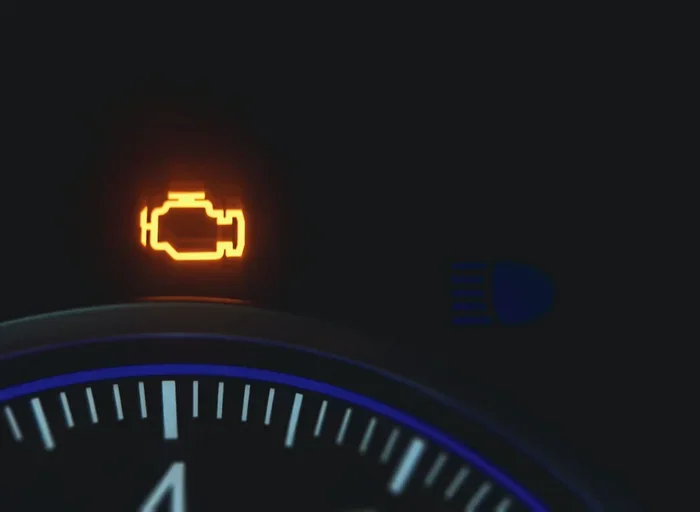
Some people try to squeeze every last drop into the tank by continuing to pump after the nozzle clicks off. This is a bad idea. Overfilling can cause liquid fuel to enter the charcoal canister, which is part of your vehicle’s emissions system. This can trigger check engine lights, reduce fuel efficiency, and lead to expensive repairs.
Additionally, overfilling can cause fuel to spill, which is wasteful and harmful to the environment. Always let the pump do its job and stop when it clicks off.
Ignoring the Fuel Gauge
Some drivers pay no attention to their fuel gauge until it is too late. This is especially common among people who drive the same route every day and feel they “know” how much fuel they have. But gauges can malfunction, and conditions change. Make it a habit to check your fuel level regularly and plan refuels before you get too low.
Conclusion
How much fuel is in a full tank is a simple question with a complex answer. Your fuel tank capacity depends on your vehicle type, and your actual driving range depends on how you drive, the road conditions, and your vehicle’s fuel efficiency. By understanding your fuel capacity, monitoring your fuel level, and avoiding common mistakes, you can save money, stay safe, and keep your vehicle running smoothly for years to come.
Take a moment right now to check your owner’s manual for your vehicle’s specific fuel tank capacity. Track your miles per gallon for a few fill-ups. You might be surprised by what you learn. The more you know about your fuel, the better equipped you are to make smart decisions at the pump and on the road.
Remember, a well-managed fuel system means fewer surprises, lower costs, and a happier driving experience. Start paying attention to your fuel gauge today, and your future self will thank you.
Frequently Asked Questions
How do I find out my vehicle’s fuel tank capacity?
Check your owner’s manual or look up your vehicle on the manufacturer’s website. The fuel tank capacity is usually listed in gallons. You can also search online for your specific make, model, and year to find the exact number.
Is it bad to drive with a low fuel tank?
Yes, driving with a low fuel level too often can damage your fuel pump. The pump relies on fuel for cooling and lubrication. When the tank is very low, the pump can overheat and wear out faster, leading to costly repairs.
How accurate is the fuel gauge in my car?
Fuel gauges are approximate, not precise. The fuel level sensor can drift over time, and readings may vary based on driving conditions, temperature, and vehicle position. It is best to use the gauge as a general guide rather than an exact measurement.
Does the type of fuel I use affect how much fuel is in a full tank?
The volume of fuel in a full tank is the same regardless of octane rating. However, different fuel types have different energy densities, which can affect your fuel economy and miles per gallon. Always use the fuel type recommended by your vehicle manufacturer.
Can cold weather change how much fuel my tank holds?
Fuel expands when warm and contracts when cold. In very cold weather, the fuel takes up slightly less volume, which can cause the gauge to read a bit higher than the actual fuel weight. The difference is small but can affect driving range estimates slightly.
How often should I fill up my tank to keep the fuel pump healthy?
Try to keep your tank at least a quarter full at all times. This ensures the fuel pump stays submerged and cooled by the fuel. Refueling before the tank gets too low is one of the simplest ways to extend the life of your fuel system components.