Why Is My Rear Windshield Wiper Not Turning Off At All
Why Is My Rear Windshield Wiper Not Turning Off? This frustrating problem usually stems from a faulty wiper switch, a stuck wiper relay, or wiring issues inside the car electrical system. If your rear windshield wiper keeps running nonstop, it drains your battery and creates safety hazards on the road. In this guide, we walk you through the most common causes, simple diagnostic steps, and practical fixes you can try at home. By the end, you will know exactly what to check and how to get your rear window wiper back to normal operation.
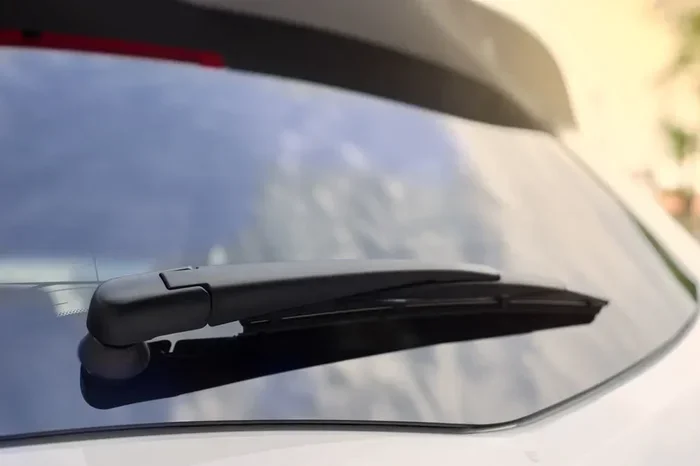
There is nothing more annoying than flipping your car’s ignition off and hearing the rear windshield wiper keep going. You turn the key, step out, and there it is — the little arm scraping away at your back window for absolutely no reason. It is one of those small problems that nags at you every single time you get in and out of the vehicle.
So, why is my rear windshield wiper not turning off? The answer could be simpler than you think, or it might point to an electrical issue that needs a closer look. Either way, ignoring it is not a great idea. A rear wiper that runs constantly will drain your car battery, wear out the wiper blade prematurely, and can even cause damage to the wiper motor over time.
In this article, we are going to break down every possible reason your rear window wiper refuses to shut off. We will cover the basic parts involved, the most common culprits, and step-by-step fixes you can try yourself. Whether you are a complete beginner or a weekend garage warrior, this guide has something useful for you.
Let us get into it. By the time you finish reading, you will have a clear picture of what is going wrong and how to make it right.
Key Takeaways
- Faulty Wiper Switch: A worn-out or damaged windshield wiper switch is the most common reason your rear wiper stays on.
- Stuck Relay: A stuck wiper relay sends continuous power to the wiper motor, keeping it running endlessly.
- Wiring Problems: Damaged wiper wiring harness or short circuits can cause the rear windshield wiper to malfunction.
- DIY Fixes Are Possible: Many rear wiper issues can be resolved at home with basic tools and a little patience.
- Regular Maintenance Matters: Simple vehicle maintenance habits can prevent most wiper system problems before they start.
- Know When to Call a Pro: Some electrical issues require a certified mechanic and proper automotive electrical repair tools.
- Safety First: A wiper that won’t turn off can drain your battery and distract you while driving.
📑 Table of Contents
How Your Rear Windshield Wiper System Works
Before we dive into the reasons your rear windshield wiper might not be turning off, it helps to understand how the whole system works. When you know what each part does, diagnosing problems becomes much easier. Think of it like understanding how a heart works before you treat a chest pain.
The Basic Components of the Wiper System
Your rear window wiper system is made up of several key parts working together. Each one plays a specific role in starting, stopping, and controlling the wiper movement.
- Wiper Switch: This is the knob or button on your dashboard or steering column. It sends a signal telling the wiper to start, stop, or switch to intermittent wiper setting modes.
- Wiper Relay: The relay acts like a switch within a switch. It takes a small electrical signal from the windshield wiper switch and uses it to control the much larger power flowing to the wiper motor.
- Wiper Motor: This is the small electric motor that actually moves the wiper arm and wiper blade back and forth across the rear glass.
- Wiring Harness: A bundle of wires that carries electrical current from the switch to the relay and then to the motor.
- Fuse: A safety device that protects the wiper circuit from power surges or short circuits.
- Wiper Control Module: In some vehicles, a small computer module manages the wiper timing and speed settings.
How the Wiper Relay Controls Power
The wiper relay is a small but mighty part of the equation. When you turn the windshield wiper switch on, it sends a low-power signal to the relay. The relay then closes an internal contact, allowing full battery power to flow to the wiper motor. When you turn the switch off, the relay should open that contact and cut the power immediately.
If the relay gets stuck in the closed position, power keeps flowing even when the switch is off. That is why your rear wiper keeps running. It is like a door that someone forgot to close. The power just keeps coming through no matter what you do with the switch.
Top Reasons Why Your Rear Wiper Won’t Turn Off
Now that you understand the basics, let us look at the most common reasons why is my rear windshield wiper not turning off. These are the issues we see most often in real repair scenarios. Some are easy to fix. Others might need a bit more effort.
Faulty Wiper Switch
The windshield wiper switch is the most common culprit behind a rear windshield wiper that will not turn off. Over time, the internal contacts inside the switch wear down. Dirt, moisture, and regular use all take a toll. When the contacts become corroded or pitted, they can stick together. This means the switch stays in the “on” position even when you have turned it off.
You might notice that the wiper works fine in some modes but not others. For example, it might stop in the low setting but keep running in the intermittent mode. This is a strong sign that the wiper switch is failing. In some vehicles, the rear wiper switch is built into the multi-function lever on the steering column. In others, it is a separate knob on the dashboard. Either way, a faulty wiper switch needs to be replaced to fix the problem.
Stuck Wiper Relay
A stuck wiper relay is the second most common cause. Relays are electromechanical devices. They have a coil and a set of internal contacts. When the coil energizes, a magnetic field pulls the contacts closed. When it de-energizes, a spring pushes them back open.
Over time, the contacts can wear, pit, or develop a layer of oxide. In some cases, the contacts literally weld themselves together from repeated arcing. When this happens, the relay stays closed and the wiper motor keeps receiving power. You can test a relay by swapping it with a similar relay in the fuse box. If the rear wiper stops after the swap, you have found your problem.
Wiring Issues and Short Circuits
Your car’s wiper wiring harness runs through areas that experience a lot of temperature changes and vibration. Over time, wires can chafe against sharp edges, develop bare spots, or get pinched. When a live wire touches a ground wire or a metal surface, it creates a short circuit.
A short circuit can bypass the wiper switch entirely. This means power reaches the wiper motor through an unintended path, and the switch has no control over it. Wiring issues are more common in older vehicles or cars that have been in accidents. Corrosion from moisture entering through damaged seals can also cause wiper circuit problems.
Problems With the Wiper Control Module
Some modern vehicles use a wiper control module to manage wiper operations. This small computer receives inputs from the windshield wiper switch and controls the wiper motor speed and timing accordingly. If the module develops a fault, it can send continuous signals to the motor regardless of the switch position.
Control module failures are less common than switch or relay issues, but they do happen. Water intrusion is a leading cause of module failure. If the module is located in a vulnerable spot under the dashboard or behind the glove box, moisture can seep in and cause corrosion on the circuit board. A faulty wiper control module usually requires professional diagnosis and replacement.
Rain Sensor Malfunction
If your vehicle has a rain sensor system, it could be the reason your rear windshield wiper keeps running. The rain sensor detects moisture on the windshield and automatically activates the wipers. When the sensor malfunctions, it can send a constant signal that the glass is wet, even when it is completely dry.
This causes the rear wiper to operate continuously. Rain sensor issues are more common in vehicles with advanced driver assistance features. A dirty sensor lens, a damaged sensor, or a software glitch can all trigger this behavior. Cleaning the sensor or recalibrating the system sometimes resolves the issue.
How to Diagnose the Problem Yourself
Before you rush to the auto parts store or call a mechanic, it is worth spending a few minutes diagnosing the problem yourself. A little detective work can save you time and money. Here is a step-by-step approach to figure out why is my rear windshield wiper not turning off.
Checking the Wiper Fuse
Start with the simplest thing first. Locate your fuse box and find the wiper fuse. The wiper fuse protects the entire wiper circuit from overloads. If the fuse is blown, the wiper will not work at all. But a partially blown fuse can cause strange behavior, including continuous operation.
Pull the fuse out and inspect it visually. Look for a broken metal strip inside the fuse. If the fuse looks intact, use a multimeter to check for continuity. A good fuse should show continuity. If the fuse is fine, move on to the next step.
Testing the Wiper Switch
Next, test the windshield wiper switch. Turn the ignition on and set the wiper switch to the off position. Use a multimeter to check for voltage at the switch output terminals. If you are reading voltage when the switch is off, the switch is likely faulty.
You can also listen for a clicking sound when you toggle the switch. A healthy switch should produce a clear click in each position. If the switch feels loose, sticky, or makes no sound, it is probably time for a wiper switch replacement. This is one of the easiest and most affordable repairs you can do yourself.
Inspecting the Wiper Relay
Find the wiper relay in your fuse box. Most vehicles have a relay diagram on the fuse box cover or in the owner’s manual. Pull the relay out and examine it closely.
Look for signs of burning, melting, or corrosion on the relay terminals. You can also swap the wiper relay with a similar relay from another circuit, like the horn or headlight relay. If the rear wiper stops after the swap, you have confirmed a bad relay. Replacing a relay is inexpensive and straightforward.
Checking the Wiper Wiring Harness
Inspect the wiper wiring harness for visible damage. Follow the wires from the rear wiper motor up through the vehicle body to the fuse box. Look for frayed wires, corroded connectors, or places where the wiring is pinched against metal edges.
Pay special attention to areas where the harness passes through the vehicle body. These are common points for wire chafing. If you find damaged wiring, repair it with solder and heat shrink tubing or replace the affected section of the harness. Always disconnect the battery before working on any electrical connections.
Step-by-Step Fixes You Can Do at Home
Once you have identified the cause, you can start fixing the problem. Many of these repairs are simple enough for a beginner. Here is how to tackle the most common issues.
Replacing a Bad Wiper Switch
If your windshield wiper switch is the problem, replacing it is usually a straightforward job. Start by purchasing the correct replacement switch for your vehicle make and model. You can find the part number in your owner’s manual or by searching online with your vehicle’s year and trim level.
- Disconnect the negative battery terminal to ensure safety.
- Remove the steering column cover or dashboard panel to access the switch.
- Unplug the electrical connector from the back of the switch.
- Remove the mounting screws holding the switch in place.
- Install the new switch and reverse the removal steps.
- Reconnect the battery and test the rear windshield wiper operation.
This repair typically takes about 30 to 60 minutes and costs between $20 and $80 for the switch itself. It is one of the most satisfying DIY fixes you can do.
Fixing a Stuck Relay
A stuck wiper relay is a quick fix. Buy a replacement relay that matches the part number on the old relay. Relay replacement is one of the simplest electrical repairs in any vehicle.
- Locate the wiper relay in the fuse box.
- Pull the relay straight out using pliers or a relay puller tool.
- Compare the old relay to the new one to confirm they match.
- Push the new relay firmly into the same slot.
- Reconnect the battery and test the rear wiper operation.
Relays cost as little as $5 to $15. If you are comfortable working with basic tools, this is a five-minute fix. Always keep a few spare relays in your glove box for emergencies.
Repairing Wiring Issues
Wiring repairs require a bit more patience and attention to detail. If you have identified a damaged section of the wiper wiring harness, here is how to fix it.
- Minor Damage: For a single frayed wire, strip the damaged section, twist the bare ends together, solder the joint, and cover it with heat shrink tubing.
- Corroded Connector: Clean the connector pins with electrical contact cleaner. If the corrosion is severe, cut the connector off and install a new one.
- Chafed Harness: Use wire loom or electrical tape to protect the damaged section from further wear. Route the harness away from sharp edges.
Always test the repair by turning the wiper on and off several times. If the rear windshield wiper still does not turn off, there may be additional wiring issues you have not found yet.
Replacing the Wiper Motor
In rare cases, the wiper motor itself may be the problem. An internally shorted motor can draw power continuously and ignore the switch and relay signals. If you have ruled out the switch, relay, and wiring, the motor may need wiper motor replacement.
Replacing a wiper motor involves removing the wiper assembly from the rear window, disconnecting the motor, and installing a new unit. This is a moderate difficulty repair that takes about one to two hours. The cost of a replacement motor ranges from $50 to $200 depending on your vehicle.
Preventing Rear Wiper Problems Before They Start
The best way to deal with a rear windshield wiper that will not turn off is to prevent the problem in the first place. Regular vehicle maintenance keeps your wiper system healthy and extends the life of every component.
Regular Maintenance Tips
- Check Fuses Periodically: A quick visual inspection of your wiper fuse every few months can catch problems early.
- Keep Connections Clean: Use electrical contact cleaner on wiper wiring harness connectors once or twice a year.
- Listen for Unusual Sounds: A clicking or buzzing noise from the rear wiper area can signal a failing relay or switch.
- Test Wiper Operation Regularly: Cycle through all wiper modes — off, low, high, and intermittent — to make sure everything works correctly.
- Keep the Wiper Area Dry: Moisture is the enemy of electrical connections. Make sure the wiper assembly area is sealed properly.
Seasonal Care for Your Wipers
Different seasons bring different challenges for your rear window wiper. In winter, ice and snow can freeze the wiper linkage in place. When you force the wipers through frozen buildup, you can damage the motor or the wiper blade. Always clear ice from the rear window before using the wipers.
In summer, intense heat can degrade rubber components and cause wiring insulation to crack. The rear defroster and wiper system both rely on the electrical system, so heavy summer use can strain the car electrical system. Give your wipers a break when the rear window is dry. Running the rear windshield wiper on a dry surface wears out the wiper blade faster and puts unnecessary stress on the motor.
When to Seek Professional Help
Not every rear wiper problem is a DIY fix. Some issues require professional tools, expertise, or access to manufacturer-specific diagnostic equipment. Knowing when to call a mechanic can save you from making the problem worse.
Signs You Need a Mechanic
There are clear signs that your wiper issue is beyond a simple home repair. If you have checked the fuse, switch, relay, and wiring, and the rear windshield wiper still will not turn off, it is time to see a professional. Other warning signs include burning smells, blown fuses that keep coming back, or warning lights on your dashboard.
A faulty wiper control module or a complex wiring short hidden inside the vehicle’s body panels are not easy to diagnose without the right tools. A mechanic with an automotive electrical repair background can use diagnostic scanners and wiring diagrams to pinpoint the exact problem quickly.
What to Expect at the Shop
When you take your vehicle in for wiper repair, the mechanic will typically start with a visual inspection of the wiper assembly. They will check the fuse, test the switch, and probe the relay. If those components are all working, they will move on to testing the wiring harness and the wiper control module.
Most shops charge a diagnostic fee of $50 to $100. Repair costs vary depending on the part that needs replacement. A wiper switch replacement might cost $100 to $200 including labor. A wiper motor replacement could run $150 to $350. Always ask for a written estimate before approving any work.
Key Takeaways
- Faulty Wiper Switch: A worn-out or damaged windshield wiper switch is the most common reason your rear wiper stays on.
- Stuck Relay: A stuck wiper relay sends continuous power to the wiper motor, keeping it running endlessly.
- Wiring Problems: Damaged wiper wiring harness or short circuits can cause the rear windshield wiper to malfunction.
- DIY Fixes Are Possible: Many rear wiper issues can be resolved at home with basic tools and a little patience.
- Regular Maintenance Matters: Simple vehicle maintenance habits can prevent most wiper system problems before they start.
- Know When to Call a Pro: Some electrical issues require a certified mechanic and proper automotive electrical repair tools.
- Safety First: A wiper that won’t turn off can drain your battery and distract you while driving.
Conclusion
Dealing with a rear windshield wiper that will not turn off is more than just an annoyance. It is a drain on your battery, a wear factor on your wiper blade, and a potential safety issue every time you get behind the wheel. The good news is that most causes of this problem are easy to identify and fix.
Whether the issue is a faulty windshield wiper switch, a stuck wiper relay, damaged wiring, or a malfunctioning wiper control module, you now have the knowledge to diagnose and address the problem. Start with the simplest checks — the fuse and the switch — and work your way up to more complex diagnostics if needed.
Regular vehicle maintenance goes a long way in preventing rear wiper problems from developing in the first place. Keep your connections clean, inspect your wiring periodically, and replace worn components before they fail. Your rear window wiper is a small but important part of driving safely, especially in rain or snow.
If you have tried everything and the problem persists, do not hesitate to visit a trusted mechanic. A professional diagnosis can uncover hidden issues that are not visible to the naked eye. The most important thing is to take action quickly. A rear windshield wiper that runs continuously will not fix itself, and the longer you ignore it, the more damage and battery drain it causes.
Now that you understand the system, the common problems, and the fixes, you are well equipped to handle this issue head-on. Grab your multimeter, pop the hood, and get to work. Your rear windshield wiper — and your battery — will thank you.
Frequently Asked Questions
Can a faulty wiper switch drain my car battery?
Yes, absolutely. If the windshield wiper switch is stuck in the on position, the rear windshield wiper will keep running even when the engine is off. This constant draw on the electrical system can drain your battery completely, especially if the vehicle sits unused for several hours or overnight.
How much does it cost to replace a rear wiper switch?
The cost of a wiper switch replacement is quite affordable. The switch itself typically costs between $15 and $60, and labor at a shop runs about $50 to $100. If you are handy, you can do the replacement yourself and save on labor costs entirely.
Is it safe to drive with a rear wiper that won’t turn off?
It is not ideal. A rear wiper that keeps running creates a constant distraction and puts extra strain on your car electrical system. It will also drain your battery over time. While it may not cause an immediate safety hazard, it is best to address the issue promptly to avoid being stranded with a dead battery.
Can water damage cause rear wiper problems?
Yes, moisture is a common cause of wiper system issues. Water can corrode connectors, short out wiring, and damage the wiper control module. If your vehicle has been exposed to heavy rain, flooding, or car washing with high-pressure water near the rear wiper area, moisture intrusion could be the root cause of your problem.
How do I know if my wiper relay is bad?
The most obvious sign of a bad wiper relay is a rear windshield wiper that runs continuously or does not respond to the switch at all. You can also test the relay by swapping it with an identical relay from another circuit. If the wiper behavior changes after the swap, the relay is faulty and needs replacement.
What should I do if the wiper fuse keeps blowing?
A wiper fuse that keeps blowing indicates a deeper problem in the wiper circuit. It could be a short circuit in the wiper wiring harness, a failing wiper motor, or a grounded wire. Do not keep replacing the fuse without finding the root cause, as this can lead to more serious electrical damage or even a fire risk.