How Long to Let Your Car Sit Before Checking the Oil
Knowing how long to let your car sit before checking the oil is essential for getting an accurate dipstick reading and protecting your engine. The ideal waiting time depends on whether your engine is cold or warm, and how long you have been driving. Most experts recommend waiting 5 to 10 minutes after turning off the engine to let the oil settle back into the oil reservoir.
Knowing how long to let your car sit before checking the oil is one of the simplest yet most overlooked steps in basic car care. Whether you just finished a drive or your vehicle has been parked for days, the waiting time before you pull out the dipstick matters a lot. Checking your oil at the right moment gives you an accurate reading and helps you protect your engine from unnecessary wear. In this guide, we will walk you through the exact timing, the step-by-step process, and the common mistakes that throw off your engine oil level reading. By the end, you will feel confident every time you open the hood.
Many drivers skip this small step or rush through it, which leads to false readings and potential engine problems down the road. Letting your car rest for the correct amount of time ensures the oil settles properly and fills the oil reservoir completely. This article covers everything you need to know about checking oil after sitting, from cold engine checks to warm engine checks. We also share expert tips and practical advice that make the whole process quick and easy.
The information here is based on standard automotive guidance and real-world maintenance experience. You do not need to be a mechanic to understand or apply these steps. Just follow along, and you will master the oil check procedure in no time.
Key Takeaways
- Wait 5 to 10 minutes after turning off the engine before checking the oil for the most accurate reading.
- Checking oil on a cold engine is best done before you start the car, ideally in the morning.
- Parking on level ground is critical because an uneven surface can give you a false dipstick reading.
- Never check oil right after a long drive because hot oil is still circulating and has not settled yet.
- Letting a car sit for too long without checking the oil can lead to oil degradation and engine wear.
- Always wipe the dipstick clean before reinserting it to avoid inaccurate oil level readings.
- Follow your vehicle’s owner manual for specific oil check intervals and recommended oil type.
📑 Table of Contents
- Why Waiting Matters for an Accurate Oil Check
- How Long to Wait: The Right Timing for Different Situations
- Step-by-Step Guide to Checking Your Oil the Right Way
- Common Mistakes People Make When Checking Oil
- How Long Is Too Long to Let a Car Sit Without Checking Oil
- Expert Tips and Quick Advice for Better Oil Maintenance
- Conclusion
Why Waiting Matters for an Accurate Oil Check
When your engine is running, the oil pump pushes engine oil through every passage and channel inside the motor. This oil circulation keeps all the moving parts lubricated and cool. The moment you turn off the ignition, the oil stops flowing and begins to drain back down into the oil reservoir, also called the oil pan. If you check the dipstick reading too soon, the oil has not fully settled, and you will get an inaccurate result.
What Happens to Oil When a Car Sits
After you shut off the engine, gravity pulls the oil downward. Within a few minutes, the oil starts pooling at the bottom of the engine block. The oil level on the dipstick will appear lower than it actually is if you check too early. This happens because the oil is still distributed throughout the engine passages and has not returned to the reservoir completely.
Waiting gives the oil time to drain fully. Once settled, the dipstick reading reflects the true amount of oil in the system. This is why patience is so important. A few extra minutes can save you from adding oil when you do not really need to, or worse, driving with low oil and risking engine wear.
Cold Engine vs Warm Engine Oil Check
There is an ongoing debate about whether to check oil on a cold engine or a warm engine. Both approaches have merit, but they serve different purposes.
Checking oil on a cold engine means doing it before you start the car, usually in the morning. The oil has had hours to settle completely, and the oil viscosity is at its thickest state. This gives you the most stable and reliable reading. Most car manufacturers recommend this method for routine checks.
Checking oil on a warm engine means doing it a few minutes after you turn off the car. The oil is thinner and flows more easily, which can help you spot leaks or low oil levels more quickly. However, you must wait for the oil to cool slightly so it does not burn your fingers and so it has time to settle.
Here is a simple comparison of the two methods:
| Factor | Cold Engine Check | Warm Engine Check |
|---|---|---|
| Best Time | Morning before starting | 5 to 10 minutes after turning off |
| Oil Viscosity | Thick and fully settled | Thinner and still settling |
| Accuracy | Very high | Good if you wait long enough |
| Risk of Burns | None | Low if you wait 5+ minutes |
| Recommended By | Most manufacturers | Some mechanics for leak detection |
How Long to Wait: The Right Timing for Different Situations
The exact waiting time depends on your situation. There is no single answer that fits every driver. Let us break it down by scenario so you know exactly what to do each time.
After a Short Drive
If you only drove for a few minutes around the neighborhood, the engine oil will not be extremely hot. In this case, waiting about 5 minutes is usually enough. The oil has not been under heavy stress, so it settles relatively quickly. After 5 minutes, pull the dipstick and get your reading.
One of the best car maintenance tips is to make this a habit. After a short drive, the oil is not too hot and not too cold. This is a convenient window for a quick oil check procedure that takes less than two minutes.
After a Long Road Trip
A long road trip puts a lot of stress on your engine. The oil gets very hot, and its oil viscosity changes as it heats up. In this case, you should wait at least 10 to 15 minutes before checking the engine oil level. The oil needs more time to cool down and settle back into the reservoir.
If you check the oil right after a long drive, the reading will almost always show a lower level than reality. The oil is still circulating through the engine passages and has not fully returned to the pan. Waiting ensures you get a true dipstick reading and avoid unnecessary top-ups.
After the Car Has Been Parked for Days
If your car has been sitting in the driveway for several days, the oil has had plenty of time to settle. In this case, you can check the oil almost immediately after starting the car, or even better, check it before you start. The oil reservoir is completely full, and the oil level on the dipstick will be at its most accurate point.
However, there is a catch. If a car sits for too long, the oil can degrade. We will cover this in a later section. For now, just know that a car parked for days gives you the easiest and most reliable oil check procedure of all scenarios.
Step-by-Step Guide to Checking Your Oil the Right Way
Timing is only half the battle. You also need to know the correct method for pulling the dipstick and reading the results. Follow these steps every time for consistent and accurate engine oil level readings.
Tools You Will Need
Checking your oil does not require any special tools. Here is what you need:
- A clean cloth or paper towel to wipe the dipstick
- Your vehicle owner manual for the correct dipstick location
- Gloves if you do not want to get oil on your hands
- A level surface to park your car on
The Checking Process
First, park your car on a flat, level surface. This is one of the most important steps people skip. If the ground is tilted, the oil will pool to one side, and your dipstick reading will be off. Turn off the engine and let the car rest for the appropriate amount of time based on the situation we discussed above.
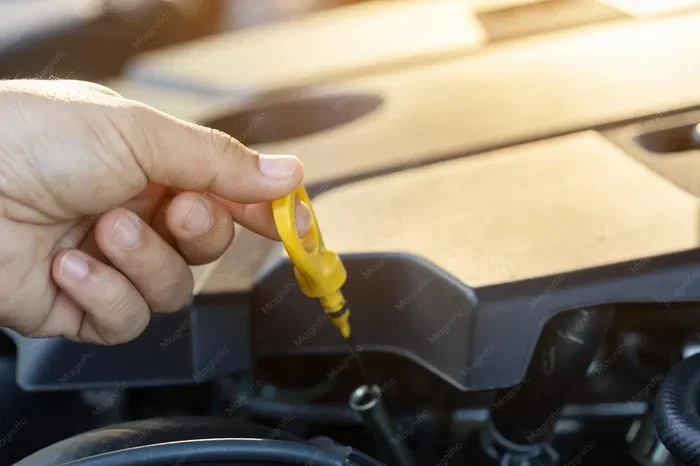
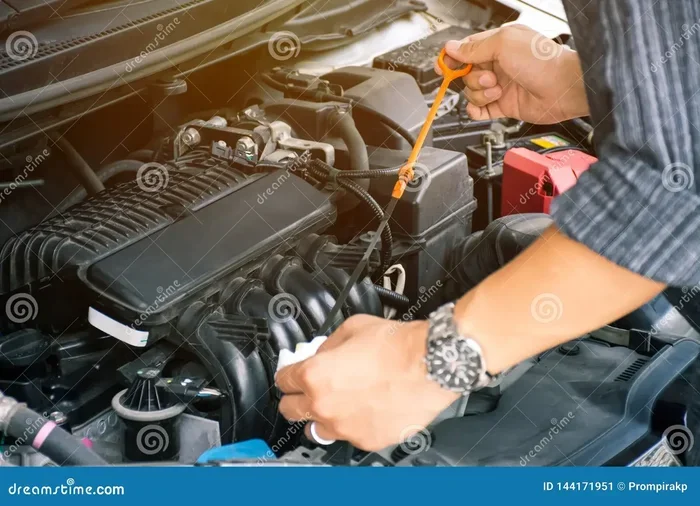
Next, open the hood and locate the dipstick. It usually has a brightly colored handle, often yellow or orange. Pull the dipstick out completely. Use your clean cloth to wipe the oil off the end. Then reinsert the dipstick all the way back in. Wait a second, then pull it out again.
Now look at the oil on the dipstick. You will see marks or lines that indicate the minimum and maximum levels. The oil should fall between these two marks. If it is below the minimum, you need to add oil. If it is above the maximum, you have overfilled, which can also cause problems.
While you are at it, take a moment to look at the color and texture of the oil. Fresh oil is amber or golden brown. Dark, gritty, or burnt-smelling oil means it is time for an oil change interval check. Clean oil protects your engine health, while old oil loses its ability to lubricate properly.
Common Mistakes People Make When Checking Oil
Even experienced drivers sometimes make errors when checking their oil. These mistakes can lead to false readings and poor engine maintenance. Here are the most common ones and how to avoid them.
Checking Oil on an Uneven Surface
This is the number one mistake people make. If your car is parked on a slope or a bumpy surface, the oil will not sit evenly in the reservoir. The dipstick reading will be inaccurate, and you might think you have low oil when you do not. Always park on a flat, hard surface before you check anything.
Overfilling or Underfilling the Oil
Adding too much oil can be just as harmful as having too little. Overfilled oil creates excess pressure inside the engine, which can lead to oil leaks or even damage to the oil pressure system. On the other hand, underfilling oil means the engine parts are not getting proper lubrication, which causes increased friction and engine wear.
Always add oil in small amounts and recheck the dipstick reading after each addition. This prevents the common mistake of overfilling.
Ignoring the Oil Color and Texture
Many people only look at the oil level and ignore the oil condition. This is a missed opportunity. The color and texture of your oil tell you a lot about your engine maintenance routine. If the oil looks very dark or has a burnt smell, it has broken down and needs to be replaced. Do not wait for the next oil change interval if the oil looks bad earlier than expected.
How Long Is Too Long to Let a Car Sit Without Checking Oil
On the other end of the spectrum, letting a car sit for too long without checking the oil can also cause problems. Even if you are not driving, your engine oil can degrade over time. Understanding the limits helps you keep your car in good shape, whether it is a daily driver or a weekend cruiser.
Effects of Extended Parking on Engine Oil
When a car sits unused for weeks or months, several things happen to the engine oil. First, the oil absorbs moisture from the air. This moisture mixes with the oil and reduces its lubricating ability. Second, the oil additives break down over time. These additives are what give the oil its ability to clean, cool, and protect the engine.
After about a month of sitting, the oil starts to lose its effectiveness. The oil viscosity changes, and the oil becomes less able to flow smoothly through the engine passages. This is why it is important to check the oil regularly, even if you have not been driving much.
Signs Your Oil Has Gone Bad
How do you know if the oil in a parked car has gone bad? Look for these warning signs:
- Dark or black oil color on the dipstick
- Gritty or gritty texture when you rub the oil between your fingers
- Burnt or acrid smell coming from the oil
- Low oil level that does not match your last recorded reading
- Engine noise such as knocking or ticking when you start the car
If you notice any of these signs, do not start the car and drive it. Instead, change the oil before you drive. Running an engine with degraded oil can cause serious and expensive damage. This is especially true for cars that have been sitting for more than a few months.
Expert Tips and Quick Advice for Better Oil Maintenance
Here are some extra tips from experienced mechanics and car care professionals. These small habits can make a big difference in your engine maintenance routine.
Tip 1: Check your oil at the same time each month. Consistency helps you notice changes early. If you always check on the first Sunday of the month, you will build a baseline and spot problems faster.
Tip 2: Keep a log of your oil levels. Write down the dipstick reading each time you check. Over time, this log helps you see if your oil is dropping faster than normal, which could indicate a leak or excessive oil consumption.
Tip 3: Use the right oil for your vehicle. Not all oils are the same. Check your owner manual for the recommended oil viscosity grade. Using the wrong oil can affect your oil pressure and lead to poor engine performance.
Tip 4: Set a reminder for oil changes. Even if your oil level looks fine, the oil degrades over time. Stick to the oil change interval recommended by your car manufacturer, which is usually every 5,000 to 7,500 miles for modern vehicles.
Tip 5: Inspect the oil reservoir and surrounding area. While you are checking the oil, take a quick look around the engine for any visible leaks. Oil spots on the ground or oily residue on engine parts can signal a problem that needs attention before it gets worse.
Quick Tips
- Always wait at least 5 minutes after turning off the engine before checking the oil.
- Park on a flat surface to get the most accurate dipstick reading.
- Wipe the dipstick clean before reinserting it for a precise result.
- Check the oil color, not just the level, to monitor oil degradation.
- Keep your engine oil capacity and recommended oil type handy in the glove box.
Common Mistakes to Avoid
- Checking oil immediately after driving without waiting for it to settle.
- Ignoring the oil condition and only focusing on the oil level.
- Topping off oil without checking for leaks that may be causing the drop.
- Using the wrong oil viscosity grade for your engine.
- Skipping regular vehicle maintenance schedule checks.
Conclusion
How long to let your car sit before checking the oil is a simple question with a big impact on your engine’s health. The right timing, the correct method, and regular attention to your engine oil level can extend the life of your vehicle and save you from expensive repairs. Whether you wait 5 minutes after a short drive or check the oil on a cold morning before starting the car, the key is consistency and accuracy.
Remember to park on a level surface, wait the right amount of time, and always wipe the dipstick clean before taking a reading. Pay attention not just to the oil level but also to the oil color and texture. These small habits add up over time and keep your engine running smoothly for years to come.
Take a few minutes today to review your vehicle maintenance schedule and make oil checking a regular part of your routine. Your engine will thank you every time you turn the key. Start now, and you will never have to worry about engine wear from poor oil maintenance again.
Frequently Asked Questions
Can I check my oil right after turning off the engine?
It is not recommended. The oil needs time to settle back into the reservoir. Wait at least 5 to 10 minutes after turning off the engine to get an accurate dipstick reading. Checking too soon can give you a false low reading and lead to unnecessary oil top-ups.
Is it better to check oil when the engine is cold or warm?
Most manufacturers recommend checking oil on a cold engine, which means before you start the car in the morning. The oil has had hours to settle completely and is at its most stable state. If you check on a warm engine, wait at least 5 to 10 minutes after turning it off to let the oil cool and settle.
How often should I check my car’s oil level?
You should check your oil at least once a month or before any long trip. Regular checks help you catch leaks, monitor oil degradation, and stay on top of your engine maintenance routine. Consistent monitoring is one of the easiest ways to protect your engine from damage.
What happens if I overfill my engine oil?
Overfilling oil creates excess pressure inside the engine, which can cause leaks, damage seals, and even affect the oil pressure system. It can also cause the oil to foam, reducing its ability to lubricate properly. If you overfill, drain the excess oil to bring the level back to the correct range on the dipstick.
Can I check the oil with the car running?
No, you should never check the oil while the engine is running. The oil is actively circulating, which gives you an inaccurate dipstick reading. Always turn off the engine and wait for the oil to settle before checking. This also prevents any safety risks from hot engine parts.
How long can a car sit without the oil being checked?
You should check your oil at least once a month, even if you are not driving regularly. Oil can degrade over time, absorb moisture, and lose its protective properties. If a car sits for more than three months without being driven, it is especially important to check the oil condition and level before starting the engine.