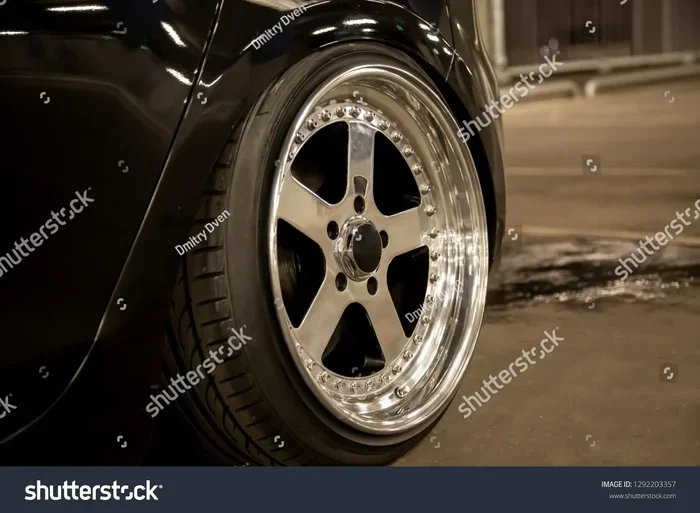
Benefits of Alloy Wheels in Cars for Better Driving
Alloy wheels transform your car by boosting performance, improving fuel efficiency, and adding stunning visual appeal. These lightweight wheels offer better handling, cooler brakes, and greater durability compared to traditional steel options. Whether you drive daily or hit the track, alloy wheels deliver real advantages that enhance every trip.
Key Takeaways
- Better Performance: Alloy wheels reduce weight, improving acceleration, braking, and cornering.
- Fuel Savings: Lighter wheels mean less engine effort and better miles per gallon.
- Superior Style: Alloy wheels come in many designs that elevate your car’s look.
- Heat Management: They dissipate brake heat more effectively, reducing wear and fade.
- Long-Term Value: Durable construction means fewer replacements and higher resale value.
- Easy Care: With proper cleaning, alloy wheels stay shiny and protected for years.
📑 Table of Contents
- What Are Alloy Wheels and Why Do They Matter?
- Improved Performance and Handling on the Road
- Better Fuel Efficiency for Your Daily Drive
- Enhanced Aesthetics and Vehicle Style
- Durability and Long-Term Value
- Heat Dissipation and Brake Performance
- Easy Maintenance and Care Tips for Alloy Wheels
- Common Mistakes People Make with Alloy Wheels
- Conclusion
What Are Alloy Wheels and Why Do They Matter?
Alloy wheels are car wheels made from a mix of aluminum and other metals. Unlike standard steel wheels, they combine light weight with strength. This blend gives drivers a better experience on the road every single day.
If you have ever wondered what makes a car feel more responsive and stylish, alloy wheels are a big part of the answer. They have become the go-to choice for car owners who want more from their vehicles. Whether you drive a compact sedan or a sporty SUV, upgrading to alloy wheels can make a noticeable difference.
The automotive world has shifted heavily toward alloy wheels over the past few decades. Car manufacturers now fit them as standard on most new models. And for good reason. They offer real benefits that go far beyond just looking good.
Understanding what alloy wheels bring to the table helps you make smarter choices for your car. From performance gains to aesthetic upgrades, the advantages are wide-ranging and easy to see. Let us dive into the details.
Improved Performance and Handling on the Road
The biggest advantage of alloy wheels is the performance boost they deliver. Lighter wheels mean less rotating mass for the engine to move. This simple physics change translates into faster acceleration and sharper braking.
When you turn a corner, your car relies on the wheels to grip the road. Heavier steel wheels can create a lag in steering response. Alloy wheels reduce that lag significantly. You feel more connected to the road, which makes every drive more enjoyable and safer.
Better Steering Response
Lightweight alloy wheels respond faster to steering inputs. This means tighter turns and smoother lane changes. You will notice the difference especially during quick maneuvers or highway driving. The reduced rotational inertia allows the wheels to spin up and slow down more quickly.
Enhanced Cornering and Stability
When you take a curve at speed, centrifugal force pushes outward on the wheels. Lighter alloy wheels handle this force better because there is less mass to manage. The result is improved cornering stability and a more planted feel on the road.
Shorter Braking Distances
Less weight at the wheels also means shorter stopping distances. When you hit the brakes hard, every pound matters. Alloy wheels help your tires grip the road more effectively during emergency stops. This is a safety benefit that should never be overlooked.
Quick Tip: When choosing alloy wheels, look for sizes that match your car’s specifications. Going too large can actually hurt ride quality and handling.
Better Fuel Efficiency for Your Daily Drive
Fuel economy matters to almost every car owner today. The good news is that alloy wheels can help you save at the pump. Because they weigh less than steel wheels, your engine does not have to work as hard to keep the car moving.
Studies show that reducing unsprung weight improves fuel efficiency by up to 5 to 10 percent. While the exact savings depend on your driving habits and car model, the numbers add up over time. For daily commuters, those savings can be significant over a year of driving.
How Lighter Wheels Save Fuel
Your car’s engine burns fuel to overcome inertia. Heavier wheels require more energy to accelerate from a stop. Alloy wheels reduce this energy demand. Over thousands of miles, those small efficiency gains compound into real fuel savings.
Think of it this way. Carrying heavy bags in your trunk makes your car use more gas. The same principle applies to heavy wheels. Swapping steel for alloy wheels is like lightening your car’s load without losing any cargo space.
Eco-Friendly Driving Benefits
Beyond saving money, alloy wheels contribute to greener driving. Less fuel consumption means fewer carbon emissions. If you care about your environmental footprint, choosing lightweight alloy wheels is a practical step in the right direction.
| Wheel Type | Average Weight per Wheel | Fuel Efficiency Impact | Typical Cost Range |
|---|---|---|---|
| Steel Wheels | 45-60 lbs | Baseline | $50-$150 |
| Alloy Wheels | 30-45 lbs | 5-10% improvement | $150-$500+ |
| Carbon Fiber Wheels | 20-30 lbs | 10-15% improvement | $1,000-$3,000+ |
The table above shows how alloy wheels compare to steel and carbon fiber options. While carbon fiber offers the best performance, alloy wheels strike the perfect balance between cost and benefit for most drivers.
Enhanced Aesthetics and Vehicle Style
Let us be honest. We all want our cars to look great. Alloy wheels offer a wide range of designs, finishes, and styles that instantly elevate a car’s appearance. They are one of the first things people notice when they look at your vehicle.
Stock steel wheels often come wrapped in plastic wheel covers. These covers hide the wheels but do not make your car stand out. Alloy wheels remove that cover and showcase the wheels themselves as a design element. The result is a more polished and premium look.
Design Variety and Customization
Manufacturers offer alloy wheels in countless designs. From sleek multi-spoke patterns to bold aggressive mesh styles, there is something for every taste. You can choose a finish that matches your car perfectly. Popular options include chrome, matte black, silver, and even two-tone designs.
Many car enthusiasts use alloy wheels as a way to personalize their ride. A simple wheel swap can completely change the character of a vehicle. It is one of the most cost-effective ways to refresh your car’s look without a full makeover.
Resale Value and First Impressions
First impressions matter, especially if you plan to sell your car later. Clean, well-maintained alloy wheels make a strong visual statement. Buyers notice the details. A car with attractive alloy wheels often commands a higher resale price than one with worn-out stock wheels.
Expert Insight: “A set of quality alloy wheels can increase a car’s perceived value by up to 10 percent in the resale market. Buyers associate nice wheels with overall vehicle care,” says automotive stylist Mark Jennings.
Durability and Long-Term Value
When you invest in alloy wheels, you are investing in durability. These wheels are built to last. The aluminum-magnesium blend makes them resistant to cracking and bending under normal driving conditions.
Of course, alloy wheels can get damaged from potholes or curbs. However, with proper care and maintenance, they hold up remarkably well over many years. Many drivers find that alloy wheels outlast the vehicles they come with.
Corrosion Resistance
One of the standout benefits of alloy wheels is their resistance to rust. Unlike steel wheels that corrode when the paint chips, aluminum alloys naturally resist oxidation. This means your wheels stay looking clean and shiny for longer, even in harsh weather conditions.
Modern alloy wheels often come with protective coatings that add an extra layer of defense against road salt and moisture. This makes them especially valuable for drivers in cold climates where winter road treatments can damage standard wheels quickly.
Impact on Tire Wear
Properly fitted alloy wheels help tires wear more evenly. The rigid construction maintains the wheel’s shape under load, ensuring consistent tire contact with the road. Uneven tire wear is a common problem with damaged or warped wheels, and alloy wheels help prevent this issue.
Evenly worn tires last longer and perform better. This means fewer tire replacements and more money saved over the life of your car. When you factor in the extended tire life, alloy wheels prove to be a smart financial choice.
Heat Dissipation and Brake Performance
Your car’s brakes generate enormous heat, especially during hard driving or downhill braking. How that heat dissipates affects brake performance and longevity. Alloy wheels excel at this because aluminum conducts heat far better than steel.
Better heat dissipation means your brakes stay cooler during extended use. This reduces brake fade, which is the loss of braking power caused by overheating. If you have ever driven down a long mountain road, you know how critical this can be.
Cooler Brakes for Safer Driving
When brakes overheat, stopping distances increase. This is a serious safety concern. Alloy wheels allow air to flow more freely around the brake assembly. The improved ventilation keeps brake temperatures in check, even during demanding driving situations.
Performance-oriented drivers often choose alloy wheels specifically for this benefit. Whether you track your car or simply enjoy spirited driving on twisty roads, the cooling advantage of alloy wheels gives you more confidence in your brakes.
Reduced Brake Dust Buildup
Another practical benefit is reduced brake dust on alloy wheels. While all wheels collect some brake dust, the smooth surfaces of quality alloy wheels make cleaning easier. The dust does not bond as strongly to the alloy surface, so your wheels stay looking cleaner for longer between washes.
Common Mistakes to Avoid: Many drivers use harsh chemical cleaners on their alloy wheels that strip away protective coatings. Always use wheel-specific cleaners that are safe for alloy surfaces. A soft brush and gentle soap go a long way in preserving the finish.
Easy Maintenance and Care Tips for Alloy Wheels
Taking care of alloy wheels is simpler than most people think. With a few regular habits, you can keep them looking fantastic and performing well for many years. Maintenance is the key to getting the most out of your investment.
Regular Cleaning Routine
Wash your alloy wheels every time you wash your car. Brake dust builds up quickly and can etch into the wheel surface if left too long. Use a dedicated wheel cleaner and a soft-bristle brush to gently remove grime without scratching the finish.
After cleaning, apply a wheel sealant or wax. This creates a protective barrier against road grime, salt, and UV rays. A good sealant makes future cleaning much easier and keeps your alloy wheels looking brand new.
Inspecting for Damage
Get into the habit of checking your alloy wheels regularly for cracks, scratches, or curb damage. Small chips can lead to corrosion if left untreated. Catching damage early allows for simple repairs before it becomes a more serious and expensive problem.
Pay special attention to the wheel edges and the area near the valve stem. These are the most vulnerable spots on any alloy wheel. A quick inspection once a month takes only a few minutes but can save you from costly replacements later.
Proper Tire Pressure Matters
Maintaining correct tire pressure is essential for alloy wheel longevity. Underinflated tires cause the sidewalls to flex excessively, which puts stress on the wheel rim. Overinflated tires create a harsh ride and uneven wear patterns. Check your tire pressure at least once a month to keep everything in balance.
Common Mistakes People Make with Alloy Wheels
Even though alloy wheels are durable, some common mistakes can shorten their lifespan. Avoiding these errors helps you get the most value from your investment.
- Using harsh cleaning products: Strong chemicals can damage the protective coating on alloy wheels. Stick to pH-neutral wheel cleaners.
- Ignoring curb rash: Scrapes from curbs may seem minor but can expose the metal to corrosion. Get curb damage repaired promptly.
- Over-tightening lug nuts: This can warp the wheel surface and cause vibration. Use a torque wrench and follow your car manufacturer’s specifications.
- Skipping wheel alignment: After installing new alloy wheels, always get a proper wheel alignment. Misaligned wheels cause uneven tire wear and poor handling.
- Using incorrect tire sizes: Oversized or undersized tires on alloy wheels affect speedometer accuracy and can rub against the fender.
Quick Tip: Keep a small touch-up paint pen in your glove box that matches your alloy wheel color. A quick dab on any small chip prevents rust from forming and keeps your wheels looking sharp.
Conclusion
The benefits of alloy wheels in cars go far beyond simple aesthetics. From better performance and handling to improved fuel economy and brake cooling, these wheels deliver real value in every aspect of driving. They make your car look better, drive better, and last longer.
Whether you are a daily commuter or a weekend enthusiast, upgrading to alloy wheels is one of the smartest improvements you can make. The combination of lightweight construction, corrosion resistance, and stunning design makes them a win-win for any vehicle.
Take the time to choose the right set of alloy wheels for your car. Consider your driving style, local weather conditions, and personal taste. With proper care and maintenance, your new alloy wheels will reward you with years of better driving and greater satisfaction every time you hit the road.
Do not wait another day to experience the difference. Upgrade to alloy wheels today and feel the improvement in every drive. Your car, and your wallet, will thank you for it.
Frequently Asked Questions
Are alloy wheels worth the extra cost compared to steel wheels?
Yes, alloy wheels are worth the investment for most drivers. They offer better performance, improved fuel efficiency, and enhanced aesthetics. While they cost more upfront, the long-term benefits in durability and tire life often offset the initial price difference.
Do alloy wheels really improve fuel economy?
They do. Because alloy wheels weigh less than steel wheels, your engine uses less fuel to move the car. The weight reduction reduces rotational inertia, which means the engine does not have to work as hard during acceleration and maintaining speed.
Can alloy wheels get damaged by potholes?
Yes, alloy wheels can crack or bend from severe pothole impacts. However, they are generally more resistant to minor bumps than steel wheels. To prevent damage, drive carefully over potholes and avoid mounting curbs at high speed.
How often should I clean my alloy wheels?
You should clean your alloy wheels at least once every two weeks, or every time you wash your car. Regular cleaning prevents brake dust buildup, which can cause corrosion over time. More frequent cleaning is recommended if you drive in areas with road salt or harsh weather.
What is the best way to maintain the shine of alloy wheels?
Use a dedicated alloy wheel cleaner and a soft brush to wash them regularly. After cleaning, apply a protective sealant or wax. Avoid high-pressure washers directly on the wheel hub area, as this can force water past the seals and damage bearings.
Can I install alloy wheels on any car model?
Most cars can accept alloy wheels, but you must match the correct bolt pattern, offset, and diameter. Always check your vehicle’s specifications before purchasing. Consulting a tire professional ensures you get the right fit for your specific car model.