Does Your Car Insurance Cover Hurricane Damage Now
Does car insurance cover hurricane damage? The answer depends on your policy type and the coverage you carry. Comprehensive coverage typically pays for storm and flood damage, while basic liability plans usually do not. Here is everything you need to know about protecting your vehicle before, during, and after a hurricane.
Every year, hurricanes cause billions of dollars in damage to homes, cars, and businesses across the country. If you live in a coastal state or an area prone to severe weather, you have probably wondered about one thing: does car insurance cover hurricane damage? The short answer is that it depends on your policy, but the full picture is more nuanced than most people think.
Many car owners assume their insurance will pay for storm damage. Others believe their basic plan covers everything. The truth is that does car insurance cover hurricane damage is a question with a layered answer. Your coverage type, your deductible, and even the specific cause of damage all play a role in whether you get paid.
In this article, we will walk through exactly what your car insurance covers when a hurricane hits. We will look at comprehensive coverage, collision coverage, deductibles, flood damage, and the claims process. By the end, you will know exactly what to do to protect your vehicle and your wallet before the next big storm rolls in.
Key Takeaways
- Comprehensive coverage is key: It is the main type of car insurance that pays for hurricane and storm damage to your vehicle.
- Flood damage needs special attention: Standard policies often exclude flood damage, so you may need separate flood insurance or a comprehensive plan.
- Deductibles matter a lot: Many insurers apply a named storm deductible that can be much higher than your standard deductible.
- File claims quickly: The sooner you file after a hurricane, the better your chances of a smooth insurance claim process.
- Preparation saves money: Taking steps to protect your car before a storm can reduce damage and lower your costs.
- Total loss is possible: If damage exceeds your car’s value, your insurer may declare it a total loss and pay the replacement cost.
📑 Table of Contents
What Does Car Insurance Cover During a Hurricane?
Understanding what your car insurance covers during a hurricane starts with knowing the different types of coverage on your policy. Not all coverage types are the same. Some pay for damage to your car. Others pay for damage you cause to someone else. Let us break this down so you know exactly where you stand.
Understanding Comprehensive Coverage
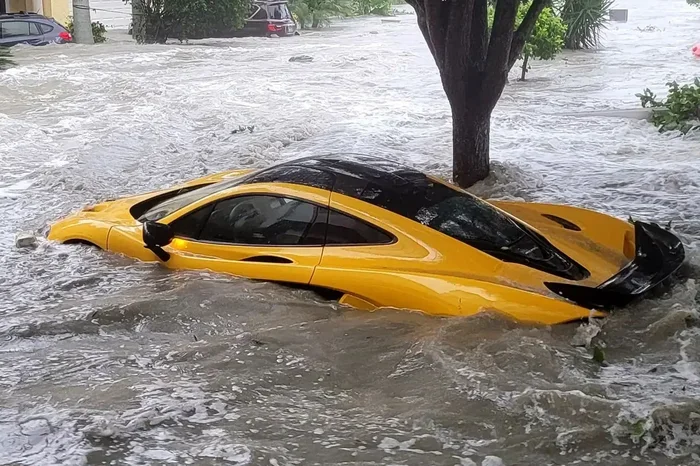
Comprehensive coverage is the type of car insurance that pays for damage to your vehicle from events that are not collisions. This is the coverage that matters most when it comes to hurricanes. If a tree falls on your car, if flood water rises and covers your vehicle, or if flying debris hits your car during a storm, comprehensive coverage is what steps in to help.
Here are the types of hurricane-related damage that comprehensive coverage typically pays for:
- Flood damage from storm surge or heavy rainfall
- Wind damage from flying debris or falling trees
- Hail damage to your car’s body or windshield
- Theft or vandalism that happens during or after a storm
- Fire damage caused by downed power lines or other storm-related incidents
It is important to know that comprehensive coverage is optional in most states. If you have a loan on your car, your lender may require it. But if your car is paid off, you can choose to drop it. That choice can save you money on premiums, but it also means you will pay out of pocket if a hurricane damages your vehicle.
What Collision Coverage Covers
Collision coverage pays for damage to your car when you crash into something or when your car rolls over. During a hurricane, collision coverage might apply if you lose control of your car on a flooded road and hit a tree or a curb. However, if your car is simply sitting in your driveway and a storm blows a tree onto it, collision coverage will not pay for that. That is where comprehensive coverage comes in.
What Liability Coverage Does Not Cover
Liability coverage is the most basic type of car insurance. It pays for damage you cause to other people or their property. If you accidentally hit another car during a storm, your liability coverage helps pay for the other driver’s repairs. But liability coverage does not pay for damage to your own car. This is a common mistake many drivers make. They assume their basic plan covers everything, but it does not.
Comparison Table: Coverage Types and Hurricane Damage
| Coverage Type | Covers Hurricane Damage? | What It Pays For |
|---|---|---|
| Comprehensive | Yes | Flood, wind, hail, falling objects, theft, fire |
| Collision | Sometimes | Crash damage during a storm (e.g., hitting a tree on a flooded road) |
| Liability | No | Damage you cause to others, not your own car |
| Uninsured/Underinsured Motorist | No | Damage caused by drivers without enough insurance |
As you can see from this table, does car insurance cover hurricane damage depends almost entirely on whether you carry comprehensive coverage. Without it, your policy likely will not pay for most hurricane-related car damage.
The Hurricane Deductible You Need to Know
Even if you have comprehensive coverage, you still need to understand your deductible. A deductible is the amount you pay out of your own pocket before your insurance company pays the rest. Most standard deductibles range from $250 to $1,000. But when it comes to hurricanes, things work a little differently.
Named Storm Deductibles Explained
Many insurance companies in hurricane-prone states apply something called a named storm deductible. This is a special deductible that only applies when a hurricane or named tropical storm damages your car. Unlike your standard deductible, which might be $500, a named storm deductible can be anywhere from 2% to 10% of your car’s actual cash value.
For example, if your car is worth $25,000 and your named storm deductible is 5%, you would need to pay $1,250 out of pocket before your insurance company starts paying. That is a lot more than a standard $500 deductible. This is one of the most important things to understand about does car insurance cover hurricane damage because even with full coverage, you still have to meet this higher deductible.
How Much Will You Pay Out of Pocket?
The amount you pay depends on several factors:
- Your specific deductible amount
- Your car’s actual cash value
- The total cost of repairs
- Whether the damage exceeds your car’s value (leading to a total loss)
If the cost of repairs is less than your deductible, your insurance company will not pay anything. You would need to cover all repair costs yourself. This is why it is so important to understand your deductible before a storm hits.
Common Mistakes with Hurricane Deductibles
Here are some mistakes that many car owners make when it comes to hurricane deductibles:
- Not knowing you have a named storm deductible. Many drivers do not realize their policy has a separate hurricane deductible until they file a claim.
- Assuming the standard deductible applies. During a named storm, the higher deductible kicks in, which surprises many policyholders.
- Not saving enough to cover the deductible. If you cannot pay your deductible, you may not get your car repaired even if you have coverage.
Avoid these mistakes by reading your policy carefully and asking your agent questions before hurricane season begins.
Filing a Claim After Hurricane Damage
Once the storm passes, the next step is to file your auto insurance claim. This process can feel overwhelming, especially after a major storm. But knowing what to do ahead of time can make a big difference.
Step-by-Step Claim Process
Here is the typical process for filing a hurricane damage claim:
- Document the damage. Take photos and videos of all damage to your car from multiple angles. Include close-ups of dents, scratches, flood lines, and any broken glass.
- Contact your insurance company. Call your insurer as soon as it is safe to do so. Most companies have dedicated storm claim hotlines that are active after major hurricanes.
- Get a claims adjuster assigned. Your insurer will assign an adjuster to evaluate the damage. They may come to your location or ask you to bring your car to a designated shop.
- Get repair estimates. Take your car to a licensed repair shop and get a written estimate of the repair costs.
- Submit all documentation. Provide your insurer with photos, estimates, your policy number, and any other required documents.
- Wait for the payout. Once approved, your insurer will pay for repairs minus your deductible.
How Long Does the Claims Process Take?
The timeline for an insurance claim process after a hurricane varies widely. In a normal situation, you might hear back within a few days. But after a major hurricane, when thousands of people are filing claims at the same time, it can take weeks or even months. Insurance companies often face a high volume of claims, which slows everything down.
Here are some tips to speed up your claim:
- File your claim as soon as possible after the storm
- Keep all receipts for any temporary repairs or towing costs
- Respond quickly to any requests from your adjuster
- Keep a log of all communication with your insurance company
Common Mistakes When Filing a Hurricane Claim
Avoid these common mistakes that can delay or even deny your claim:
- Waiting too long to file. Most policies require you to file within a certain timeframe. Delaying can hurt your chances of getting paid.
- Not documenting damage properly. Without clear photos and written descriptions, your insurer may question the extent of the damage.
- Making permanent repairs before the adjuster visits. Always let your adjuster inspect the damage before you start fixing anything.
- Filing a claim for damage that is not covered. If you do not have comprehensive coverage, filing a claim for flood damage will only waste time.
These mistakes are easy to avoid with a little preparation. The key is to act quickly and be thorough in your documentation.
Does Flood Damage Get Covered by Car Insurance?
This is one of the most common questions drivers ask after a hurricane. The answer is not always straightforward. Flood damage is one of the most frequent types of damage caused by hurricanes, but it is also one of the most misunderstood when it comes to insurance coverage.
Why Standard Policies Exclude Flood Damage
Most standard car insurance policies exclude flood damage. This means that if your car gets submerged in water during a hurricane, a basic policy will not pay for the repairs. The reason is simple: flood damage is considered a catastrophic event that affects many policyholders at the same time. Insurers handle this risk separately through comprehensive coverage.
This is why does car insurance cover hurricane damage is such an important question. Without comprehensive coverage, flood damage to your car will not be covered. Period.
Do You Need Separate Flood Insurance for Your Car?
You do not need a separate flood insurance policy for your car the way you might for your home. Instead, you need comprehensive coverage on your auto insurance policy. Comprehensive coverage is designed to cover flood damage, along with other non-collision events like theft, vandalism, and weather-related damage.
However, it is worth noting that comprehensive coverage has limits. Your insurer will pay up to the actual cash value of your car. If the flood damage exceeds your car’s value, your insurer may declare it a total loss rather than paying for expensive repairs.
What Happens If You Do Not Have Comprehensive Coverage?
If you do not have comprehensive coverage and your car suffers flood damage during a hurricane, you will need to pay for all repairs yourself. There is no government program or federal aid that covers car flood damage for individual drivers. Some disaster relief organizations may offer assistance, but it is not guaranteed and usually not enough to cover full repairs.
This is why so many financial advisors and insurance professionals stress the importance of having comprehensive coverage, especially if you live in an area that is prone to hurricanes and flooding.
How to Protect Your Car Before a Hurricane Hits
The best way to deal with hurricane damage is to prevent it from happening in the first place. While you cannot stop a hurricane, you can take steps to reduce the risk of damage to your vehicle.
Pre-Storm Preparation Tips
Here are practical steps you can take before a hurricane arrives:
- Know your policy. Understand what is covered and what your deductible is. Call your agent if you have any questions.
- Take photos of your car. Document your car’s condition before the storm. This makes filing a claim much easier later.
- Move your car to higher ground. If you live in a flood-prone area, park your car on higher ground or in a garage.
- Avoid parking under trees. Falling branches and trees are a leading cause of hurricane car damage.
- Keep your gas tank full. You may need to evacuate quickly, and gas stations may be closed after the storm.
- Cover your car if possible. A car cover or even a heavy tarp can protect your vehicle from hail and debris.
Best Parking Strategies During Hurricane Season
Where you park your car during hurricane season can make a big difference:
- Garage or carport: The best option. Parking indoors protects your car from wind, rain, and falling debris.
- Interior parking garage: If you live in an apartment complex, use the indoor garage.
- Higher elevation: If you must park outside, choose a spot on higher ground away from trees and power lines.
- Avoid low-lying areas: Streets and parking lots near waterways are prone to flooding during hurricanes.
When Your Car Is a Total Loss After a Hurricane
In the worst cases, a hurricane can cause so much damage that your car is not worth repairing. When this happens, your insurance company may declare your car a total loss.
What Does Total Loss Mean?
A total loss means the cost of repairs exceeds the actual cash value of your car. For example, if your car is worth $8,000 and the repair estimate is $9,500, your insurer will likely declare it a total loss. Instead of paying for repairs, they will pay you the actual cash value of your car.
How Insurance Companies Determine Value
Insurance companies determine the actual cash value of your car based on several factors:
- The make, model, and year of your car
- The mileage on your odometer
- The condition of your car before the storm
- Recent sales of similar vehicles in your area
If you disagree with the value your insurer offers, you have the right to dispute it. You can provide your own evidence, such as recent maintenance records or comparable car listings in your area. Being prepared with this information before a storm can strengthen your position if your car is declared a total loss.
Remember, if you still owe money on your car loan, the insurance payout goes to your lender first. Any remaining amount is paid to you. This is another reason why gap insurance is so valuable for drivers who have a loan or lease on their vehicle.
Conclusion
The question of does car insurance cover hurricane damage does not have a simple yes or no answer. It depends on your coverage type, your deductible, and the specific cause of the damage. Comprehensive coverage is the key to getting paid for hurricane damage, including flood damage, wind damage, and falling objects. Without it, you will likely pay for repairs out of your own pocket.
Understanding your policy before a hurricane hits can save you a lot of stress and money. Know your deductible, document your car’s condition, and take steps to protect your vehicle before a storm arrives. If you do need to file a claim, act quickly and be thorough in your documentation.
Hurricanes are powerful and unpredictable. But with the right insurance coverage and a solid plan, you can protect your car and your financial well-being when the next storm comes.
Frequently Asked Questions
Does full coverage car insurance cover hurricane damage?
Full coverage typically includes both comprehensive and collision coverage. Comprehensive coverage pays for hurricane damage like flood, wind, and hail. Collision coverage may apply if you crash during a storm. However, liability coverage alone will not pay for damage to your own car from a hurricane.
What is a named storm deductible?
A named storm deductible is a special deductible that applies when your car is damaged by a named hurricane or tropical storm. It is usually a percentage of your car’s value, such as 2% to 10%, and is much higher than a standard deductible. This deductible only applies to hurricane and named storm claims.
Will my insurance pay if my car was flooded during a hurricane?
If you have comprehensive coverage, yes, your insurance should pay for flood damage. Comprehensive coverage is designed to cover non-collision events, including flooding from hurricanes and heavy storms. Without comprehensive coverage, flood damage will not be covered.
How long do I have to file a hurricane damage claim?
Most insurance policies require you to file a claim within a reasonable timeframe, often within 30 to 90 days of the damage. However, it is always best to file as soon as possible after the storm. Delaying can cause complications or even lead to a denied claim.
What happens if I cannot afford my hurricane deductible?
If you cannot afford your deductible, you may need to delay repairs or explore other options. Some repair shops offer payment plans, and some insurers may allow you to pay your deductible in installments. Contact your insurance company to discuss your options if you are struggling to pay the deductible.
Can I dispute the value my insurance company offers for a total loss?
Yes, you can dispute the value. If you believe your insurer has undervalued your car, you can provide evidence such as maintenance records, comparable car listings, and independent appraisals. Being prepared with this information before a storm can make the dispute process much smoother.