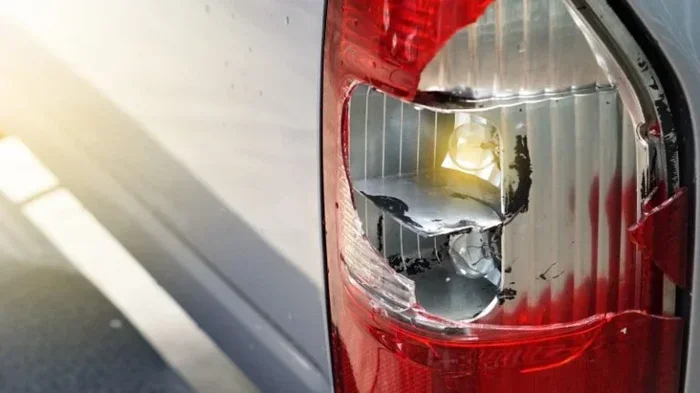
Is It Illegal to Drive With a Broken Tail Light Today
Yes, driving with a broken tail light can be illegal in most states. A broken tail light is considered a safety hazard and an equipment violation that can lead to fines, failed inspections, and even license points. This guide covers the laws, penalties, risks, and simple fixes so you stay safe and legal on the road.
Have you ever been driving down the road and noticed your tail light is out? Maybe you saw the warning on your dashboard, or a cop car flashed its lights behind you. Either way, the question hits you fast: is it illegal to drive with a broken tail light today? The short answer is yes. In most states, a broken tail light is a violation of vehicle equipment laws. But there is a lot more to know about this common car problem. Let us walk through everything you need to understand about tail light laws, penalties, and what you should do right now.
Your tail lights are one of the most important safety features on your vehicle. They let other drivers know where you are, especially at night or in bad weather. When a tail light goes out, it creates a serious safety risk. It also puts you on the wrong side of the law. Whether it is a burned-out bulb or a cracked lens, a broken tail light is not something you should ignore. This article covers the laws, the penalties, and the simple steps you can take to fix the problem fast.
Key Takeaways
- It is illegal in most states: Driving with a broken tail light violates vehicle equipment laws and can result in a traffic citation.
- Fines vary by location: Penalties range from $25 to over $200 depending on your state and county.
- Safety is the real concern: Broken tail lights make your vehicle harder to see, increasing the risk of rear-end collisions.
- Quick fixes exist: Replacing a tail light bulb is often simple, inexpensive, and takes just minutes.
- Inspection failures are common: A broken tail light can cause your vehicle to fail annual safety inspections.
- Police can pull you over: Officers have the right to stop you for a malfunctioning rear light as a primary violation in many states.
- Prevention is easy: Regular car maintenance and periodic checks can help you avoid this problem altogether.
📑 Table of Contents
- Why Tail Lights Matter for Driving Safety
- Is It Illegal to Drive With a Broken Tail Light?
- What Happens If You Get Pulled Over for a Broken Tail Light?
- Common Reasons Tail Lights Break
- How to Fix a Broken Tail Light Quickly
- Can You Get Away With Driving on a Broken Tail Light?
- Expert Insights on Tail Light Safety and the Law
- How a Broken Tail Light Affects Your Vehicle Inspection
- Comparison: Tail Light Repair Costs by Vehicle Type
- Final Thoughts on Driving With a Broken Tail Light
Why Tail Lights Matter for Driving Safety
Tail lights might seem like a small part of your car. But they play a huge role in keeping you and others safe on the road. When you hit the brakes, your tail lights flash bright red. This warns the driver behind you that you are slowing down. Without working tail lights, the driver behind you might not realize you are stopping until it is too late.
Here are a few reasons why functioning tail lights are essential:
- Visibility at night: A broken tail light makes your car nearly invisible in the dark. Other drivers cannot judge your distance or speed.
- Bad weather visibility: Rain, fog, and snow already reduce visibility. A working tail light helps other drivers see you through the storm.
- Brake signal clarity: Your tail lights work with your brake lights to communicate your actions to drivers behind you.
- Legal compliance: Every state requires vehicles to have working tail lights as part of the vehicle code.
- Reduced accident risk: Studies show that vehicles with burned-out lights are more likely to be involved in rear-end collisions.
A broken tail light is not just a cosmetic issue. It is a genuine safety hazard. Think of it this way: if you cannot see the car in front of you, you cannot react in time. The same goes for drivers behind you. Keeping your rear lights in good shape is one of the easiest things you can do for road safety.
Tail Light vs. Brake Light: What Is the Difference?
People often confuse tail lights with brake lights, but they are not the same thing. Your tail lights turn on when you turn on your headlights or when your parking brake is engaged. They glow a dim red. Your brake lights, on the other hand, only light up when you press the brake pedal. They glow bright red.
Both are important, and both are required by law. A broken tail light and a broken brake light can both get you pulled over. However, the brake light is often considered the more dangerous of the two because it directly signals your braking action to other drivers.
Is It Illegal to Drive With a Broken Tail Light?
The short answer is yes. In nearly every state in the U.S., it is illegal to drive a vehicle with a malfunctioning tail light. State vehicle codes require all exterior lights to be in working condition. This includes your headlamps, brake lights, turn signals, and tail lights. A broken tail light falls under what is commonly called an equipment violation.
But here is the thing: the specific laws vary from state to state. Some states treat a broken tail light as a primary violation. That means a police officer can pull you over solely because of the broken light. Other states treat it as a secondary violation. That means you can only be pulled over if the officer has another reason to stop you first.
States With Strict Tail Light Laws
Some states are stricter than others when it comes to vehicle equipment violations. Here are a few examples:
- California: California Vehicle Code Section 24600 requires all lamps to be functioning. A broken tail light can result in a fine of up to $238.
- Texas: Texas Transportation Code Section 547.104 requires tail lamps to emit a red light. Violations can lead to fines between $25 and $200.
- New York: New York State law requires all lights to be operational. Fines can range from $50 to $150 depending on the county.
- Florida: Florida Statute 316.217 requires tail lights to be visible from 1,000 feet. A broken light can result in a non-criminal traffic infraction.
- Illinois: Illinois Vehicle Code requires two functioning tail lamps. A violation can lead to a fine of around $120.
No matter where you live, the law is clear: you need working tail lights. It does not matter if you just missed the bulb by a day. The law does not give you a grace period for a broken tail light.
What Happens If You Get Pulled Over for a Broken Tail Light?
Getting pulled over for a broken tail light is more common than you might think. It is one of the most frequent reasons for a traffic stop. If an officer notices your tail light is out, they will likely pull you over. Here is what you can expect.
The Traffic Stop Process
When an officer pulls you over for a broken tail light, they will usually approach your vehicle and ask for your license, registration, and proof of insurance. They will likely point out the broken light. In most cases, the stop is straightforward and quick.
The officer may issue a citation on the spot. The citation will list the violation, the fine amount, and the court date. In some cases, the officer may give you a warning instead. But do not count on that. The decision is entirely up to the officer’s discretion.
Possible Penalties
The penalties for driving with a broken tail light can vary widely. Here is a breakdown of what you might face:
- Warning: Some officers will let you off with a verbal warning. This is more common if it is a first-time offense and the light just burned out.
- Fine: Fines typically range from $25 to $200. The exact amount depends on your state, county, and the specific circumstances.
- Points on your license: Some states add points to your driving record for equipment violations. Too many points can lead to higher insurance rates.
- Vehicle impoundment: In rare cases, especially if combined with other violations, your vehicle could be impounded.
- Failed inspection: If your state requires annual vehicle inspections, a broken tail light will cause you to fail.
The financial impact adds up quickly. A fine is bad enough, but increased insurance premiums can cost you hundreds of dollars over the year. That makes fixing a broken tail light one of the cheapest and smartest car maintenance decisions you can make.
Common Reasons Tail Lights Break
Understanding why tail lights break can help you prevent it from happening. Most of the time, a broken tail light comes down to a few common causes. Let us look at them.
Burned-Out Bulb
The most common reason for a broken tail light is a burned-out bulb. Tail light bulbs have a lifespan, just like any other light bulb. They typically last between one and five years, depending on usage and bulb type. When the filament inside the bulb burns out, the light stops working entirely.
Replacing a tail light bulb is one of the easiest car repairs you can do yourself. Most bulbs cost between $5 and $20. You can find the right bulb for your vehicle at any auto parts store. The process usually involves opening the trunk, removing the lens cover, pulling out the old bulb, and inserting the new one.
Blown Fuse
Sometimes the problem is not the bulb at all. It could be a blown fuse. Your vehicle’s electrical system uses fuses to protect circuits from overload. If a fuse blows, the tail light circuit loses power. Checking the fuse box is a quick way to rule this out.
Damaged Wiring
Over time, the wiring that connects to your tail lights can become corroded or damaged. This is especially common in older vehicles or cars that have been exposed to road salt and moisture. Damaged wiring can cause intermittent tail light failures or complete outages.
Cracked or Broken Lens
The plastic lens that covers the tail light can crack from road debris, temperature changes, or age. A cracked lens lets moisture inside the housing, which can fog up the light and reduce visibility. In some cases, the entire lens assembly needs to be replaced.
Faulty Ground Connection
Every tail light needs a proper ground connection to work. If the ground wire becomes loose or corroded, the light may flicker or stop working entirely. This is a less common cause but can be tricky to diagnose without some basic auto repair knowledge.
How to Fix a Broken Tail Light Quickly
The good news is that fixing a broken tail light is usually simple and inexpensive. You do not need to be a mechanic to handle most tail light repairs. Here is a step-by-step guide to get your lights working again.
Step 1: Check the Bulb
Open your trunk and locate the back of the tail light assembly. Most vehicles have a removable cover or lens that gives you access to the bulb. Pull the bulb out and inspect the filament. If the filament is broken or the bulb looks dark, that is your problem. Buy a replacement bulb that matches your vehicle’s specifications.
Step 2: Check the Fuse
If the bulb looks fine, check the fuse. Locate your fuse box, which is usually under the dashboard or in the engine compartment. Refer to your owner’s manual to find the fuse for the tail light circuit. Pull the fuse out and inspect it. If the metal strip inside is broken, replace the fuse with one of the same amperage.
Step 3: Check the Wiring
If both the bulb and fuse are fine, the issue may be in the wiring. Look for any visible damage, loose connections, or corrosion. A simple reconnection or cleaning of the contacts often solves the problem.
Step 4: Replace the Lens (If Needed)
If the lens itself is cracked or broken, you will need to replace the entire assembly. This is a bit more involved but still manageable for most DIYers. Replacement lens assemblies are available online and at auto parts stores for a reasonable price.
Quick Tips for Tail Light Maintenance
- Check your lights weekly: A quick visual check once a week takes only a minute and can prevent surprises.
- Keep spare bulbs in your trunk: Having a replacement bulb on hand means you can fix the problem immediately.
- Clean your lights regularly: Dirt and grime can reduce the brightness of your tail lights, making them less effective.
- Replace bulbs in pairs: If one tail light bulb burns out, the other is likely close behind. Replace them together.
- Use the right bulb type: Always check your owner’s manual for the correct bulb size and type before purchasing a replacement.
Can You Get Away With Driving on a Broken Tail Light?
Some drivers wonder if they can just keep driving with a broken tail light and hope they do not get caught. This is a risky gamble. The truth is, there is no guarantee you will avoid a traffic stop. Police officers are trained to notice equipment violations, and a broken tail light is one of the most visible issues from a distance.
Even if you manage to avoid a traffic stop, driving with a broken tail light puts you and others at risk. In the event of an accident, the fact that your tail light was not working could be used against you. Insurance companies may argue that the broken light contributed to the collision. That could affect your claim and your rates.
There is also the issue of vehicle inspections to consider. If your state requires annual or biennial inspections, a broken tail light will result in a failed inspection. You will not be able to renew your registration until the problem is fixed. This can lead to additional costs and hassle that are completely avoidable.
Common Mistakes Drivers Make With Broken Tail Lights
Many drivers make the same mistakes when dealing with a broken tail light. Here are a few to avoid:
- Ignoring the problem: Hoping it will fix itself is the worst thing you can do. A burned-out bulb will not magically come back to life.
- Using the wrong bulb: Installing the wrong type of bulb can cause electrical issues or simply not work. Always match the bulb to your vehicle.
- Delaying the repair: Every day you drive with a broken tail light is a day you are breaking the law and risking your safety.
- Not checking both sides: Sometimes both tail lights go out around the same time. Replace them both to avoid the same problem again soon.
- Trying to tape the lens: Some drivers try to fix a cracked lens with tape or glue. This is not a proper fix and can actually make the problem worse by trapping moisture.
Expert Insights on Tail Light Safety and the Law
We spoke with several automotive safety experts and law enforcement professionals about the issue of broken tail lights. Here is what they had to say.
Officer Mike Reynolds, a veteran traffic patrol officer with over 15 years of experience, shared his perspective: “A broken tail light is one of the first things I notice during a traffic stop. It is an easy fix, and drivers should not ignore it. Beyond the legal issue, it is a matter of safety. A working tail light can prevent accidents.”
Automotive technician Sarah Chen adds: “I see burned-out tail light bulbs all the time. Most of the time, it is a five-minute fix. My advice is to check your lights regularly and keep spare bulbs in your car. Prevention is always easier than repair.”
These experts agree on one thing: a broken tail light is not worth the risk. Whether it is the legal consequences, the safety hazard, or the cost of an accident, the risks far outweigh the cost and effort of a simple repair.
How a Broken Tail Light Affects Your Vehicle Inspection
If you live in a state that requires vehicle safety inspections, a broken tail light will almost certainly cause you to fail. Inspection stations check every exterior light on your vehicle, including tail lights, brake lights, turn signals, and headlights. A single broken light is enough to fail the inspection.
Here is what happens if your vehicle fails inspection:
- You will receive a rejection notice with the specific issues listed.
- You will need to get the repairs done and return for a re-inspection.
- You cannot legally register your vehicle until it passes inspection.
- Driving without a valid inspection sticker can lead to additional fines.
The bottom line is that a broken tail light can create a chain of problems that go well beyond a simple traffic ticket. It can delay your registration, increase your costs, and leave you unable to legally drive your vehicle.
Comparison: Tail Light Repair Costs by Vehicle Type
| Vehicle Type | Bulb Cost | DIY Repair Time | Mechanic Cost |
|---|---|---|---|
| Sedan | $5 – $15 | 5 – 10 minutes | $30 – $75 |
| SUV | $8 – $20 | 10 – 15 minutes | $40 – $100 |
| Truck | $10 – $25 | 10 – 20 minutes | $50 – $120 |
| Luxury Vehicle | $15 – $40 | 15 – 30 minutes | $75 – $200 |
As you can see, fixing a broken tail light is one of the least expensive car repairs you will ever need. Even if you pay a mechanic to do it, the cost is minimal compared to the potential fines and insurance hikes from driving with a broken light.
Final Thoughts on Driving With a Broken Tail Light
So, is it illegal to drive with a broken tail light today? The answer is a clear yes. It is illegal in every state, it creates a safety hazard, and it can lead to fines, points on your license, and failed inspections. But the good news is that it is an incredibly easy problem to fix. A new bulb costs just a few dollars, and the repair takes only minutes.
Do not let a broken tail light put you at risk. Make it a habit to check your lights regularly. Keep spare bulbs in your vehicle. And if you notice a tail light is out, fix it immediately. Your wallet, your driving record, and your safety will all thank you for it.
A broken tail light is a small problem with big consequences. Take care of it quickly and drive with confidence knowing you are legal and safe on the road.
Frequently Asked Questions
Can I drive with a broken tail light for a few days until I get a new bulb?
No, it is not legal to drive with a broken tail light in most states, even for a short period. Law enforcement can pull you over and issue a citation. The safest approach is to fix it immediately or avoid driving until the repair is complete.
How much is the fine for driving with a broken tail light?
Fines vary by state and county but typically range from $25 to $200. Some states may also add points to your driving record, which can increase your insurance premiums over time.
Will a broken tail light cause my car to fail inspection?
Yes, in states that require vehicle safety inspections, a broken tail light will result in a failed inspection. You will need to repair the light and pass a re-inspection before your vehicle can be registered.
Can a police officer pull me over just for a broken tail light?
In many states, yes. A broken tail light is considered a primary traffic violation in numerous states, meaning an officer can pull you over solely for that reason. In some states, it may be a secondary violation that requires another reason for the stop.
How long does it take to replace a tail light bulb?
For most vehicles, replacing a tail light bulb takes between 5 and 20 minutes. Sedans and smaller vehicles are usually quicker, while larger trucks or luxury vehicles may take a bit longer.
What should I do if my tail light lens is cracked but the bulb still works?
A cracked lens should be repaired or replaced as soon as possible. Moisture can enter the housing and damage the bulb or wiring. Additionally, a cracked lens can reduce the brightness and visibility of your tail light, creating a safety risk and potentially leading to a citation.