Does Car Insurance Cover Scratches Heres What To Know
Does car insurance cover scratches? The answer depends on your policy type and what caused the damage. Comprehensive coverage typically handles scratches from vandalism, falling objects, or theft. Collision coverage may apply if a scratch results from an accident you caused. However, minor scratches often cost less to fix than your deductible, making a claim unnecessary. Understanding your car insurance policy helps you make smart decisions about when to file and when to pay out of pocket.
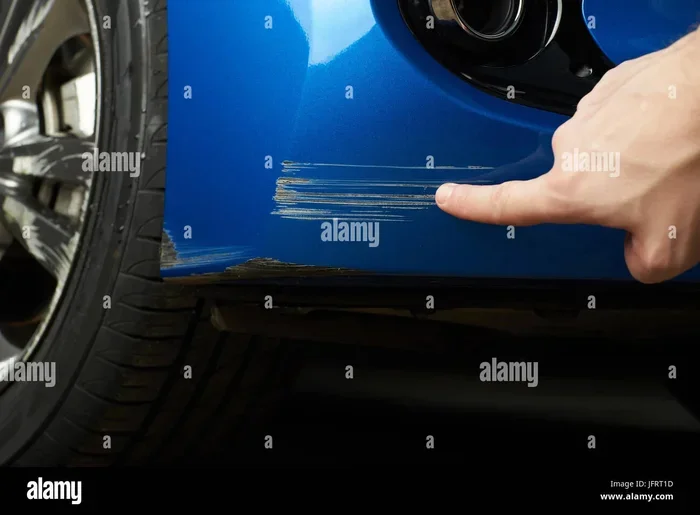
You just walked out to your car and spotted a long scratch running down the door. Maybe someone opened their car door in a tight parking spot. Or perhaps a stray branch swung down during a storm. Either way, your first thought is probably the same: will my car insurance pay for this?
The truth is, there is no one-size-fits-all answer. Whether your insurance covers scratch damage depends on several factors. These include your policy type, what caused the scratch, and how severe the damage is. This guide breaks it all down in plain language so you never have to guess again.
Let us walk through everything you need to know about scratch coverage, claims, and how to decide the best move for your wallet.
Key Takeaways
- Comprehensive coverage usually covers scratches from non-collision events like vandalism or weather damage.
- Collision coverage applies when scratches result from an accident you are at fault for.
- Filing a claim for minor scratches may not be worth it if repair costs are below your deductible.
- Your insurance deductible plays a big role in deciding whether to file a claim.
- Small scratches can often be fixed affordably without involving your car insurance policy.
- Always check your coverage limits and policy details before assuming full coverage.
- Preventing scratches through careful parking and protective measures can save you money long-term.
📑 Table of Contents
- What Does Car Insurance Usually Cover for Scratches?
- When Does Comprehensive Coverage Apply to Scratches?
- How Filing a Claim for Scratch Damage Works
- Is It Worth Filing a Claim for Scratch Damage?
- How Much Does Scratch Repair Cost?
- How to Prevent Scratch Damage on Your Car
- Common Mistakes Drivers Make with Scratch Claims
- Expert Insights on Scratch Coverage
- Key Takeaways
- Conclusion
What Does Car Insurance Usually Cover for Scratches?
Most drivers assume their car insurance policy handles all types of damage. But that is not always true. Auto insurance is made up of different coverage types. Each one applies to specific situations. Understanding these categories helps you figure out if your scratches are eligible for a payout.
Liability Coverage and Scratches
Liability coverage pays for damage you cause to other people or their property. It does not cover damage to your own car. So if you scratch someone else’s vehicle, your liability coverage helps pay for their repairs. But if your car gets scratched, liability coverage will not help at all.
Comprehensive Coverage for Scratch Damage
Comprehensive coverage is the big one when it comes to scratches. This coverage pays for damage caused by events that are not collisions. Common examples include:
- Vandalism — someone keying your car or scratching the paint
- Falling objects — tree branches, hail, or debris hitting your vehicle
- Theft — damage that occurs during a break-in or theft attempt
- Weather damage — wind-blown debris or storms causing marks
- Animal damage — a pet or wild animal scratching your car
If your scratch falls into any of these categories, comprehensive insurance may cover the repair cost. Just remember that you will need to pay your deductible first. Deductibles typically range from $250 to $1,000. If the repair cost is lower than your deductible, filing a claim makes no financial sense.
Collision Coverage and Scratches
Collision coverage kicks in when your car gets damaged in an accident you caused. This includes scratches that result from a fender bender or hitting a stationary object like a pole or wall. If another driver hits your car and causes scratches, their liability insurance should cover your repairs.
However, if you were at fault in the accident, your own collision coverage would apply. You would still pay your deductible, and your insurance premium could go up as a result.
When Does Comprehensive Coverage Apply to Scratches?
Comprehensive coverage is often called “other than collision” coverage. It covers a wide range of non-accident-related damage. Let us look at the most common scenarios where this coverage applies to scratches.
Vandalism-Related Scratches
Vandalism is one of the top reasons drivers file comprehensive claims for scratches. If someone deliberately scratches your car — whether with a key, a sharp object, or a tire iron — comprehensive coverage usually pays for repairs. This is true even if you do not know who did it.
Quick Tip: Always file a police report for vandalism. Your insurance company will likely ask for a copy. A police report strengthens your claim and speeds up the process.
Weather and Environmental Damage
Nature can be tough on your car. Hailstorms, strong winds, and falling tree branches can all leave scratches. In these cases, comprehensive insurance typically covers the damage. Even something like a baseball flying through your windshield and scratching the roof counts.
Here is a quick look at common weather-related scratch scenarios:
- Hail damage — small dents and scratches from ice pellets
- Wind-blown debris — branches, rocks, or trash hitting your car
- Flood damage — debris in floodwater scratching the paint
- Sun damage — not typically covered, but paint deterioration from UV exposure is not a scratch claim scenario
Scratches from Falling Objects
Parking under trees is convenient, but it comes with risks. Nuts, branches, and even birds can scratch your car. If a tree branch falls on your car during a storm and leaves scratches, comprehensive coverage should handle it. The same goes for debris falling from a construction site.
How Filing a Claim for Scratch Damage Works
Deciding to file a claim is a big decision. The process is straightforward, but the outcome depends on your specific situation. Let us walk through what happens when you file a scratch insurance claim.
Step 1: Document the Damage
Before you call your insurer, gather evidence. Take clear photos of every scratch from multiple angles. Note the date, time, and location. If there were witnesses, get their contact information. The more documentation you have, the smoother your claim will go.
Step 2: Contact Your Insurance Company
Call your insurance provider or use their app to start a claim. Explain what happened and provide all the photos and details you collected. Your insurer will assign a claim adjuster to evaluate the damage.
Step 3: Get an Estimate
The adjuster may ask you to visit a repair shop or a certified car body repair center. A mechanic will assess the scratches and provide a written estimate. This estimate is what your insurer uses to decide how much they will pay.
Step 4: Pay Your Deductible
Once the claim is approved, you pay your deductible. Your insurance company pays the rest, up to your coverage limits. If the repair cost is $800 and your deductible is $500, your insurer pays $300.
Step 5: Get Repaired
After you pay your deductible, the repair shop handles the rest. Some insurers have preferred shops, but many allow you to choose your own. Make sure to ask about OEM parts versus aftermarket parts when getting your car repaired.
Is It Worth Filing a Claim for Scratch Damage?
This is the question every driver faces after discovering a scratch. The answer is not always obvious. Let us look at the factors that help you decide.
Compare Repair Cost to Your Deductible
The golden rule is simple: if the repair cost is less than your deductible, do not file a claim. You would pay the full amount out of pocket anyway, and you would still risk raising your insurance premium. For example, if a scratch repair costs $400 and your deductible is $500, paying cash makes more sense.
Consider the Impact on Your Premium
Filing a claim can cause your insurance premium to increase. Even a small claim for scratch damage might raise your rates by 10% to 30% over the next three years. Sometimes the premium increase costs more than the repair itself. Always do the math before filing.
When Filing a Claim Makes Sense
There are clear situations where filing a comprehensive claim or collision claim is worth it:
- The repair cost is significantly higher than your deductible
- The damage is widespread, affecting multiple panels or areas
- The scratch was caused by vandalism and a police report was filed
- You have a vanishing deductible or a claims forgiveness policy
- The damage affects safety features like sensors near the scratched area
When Paying Out of Pocket Is Better
Sometimes the smart move is to skip the claim entirely. Pay out of pocket if:
- The scratch is minor and costs less than your deductible
- The repair is cosmetic and does not affect vehicle function
- You have a clean driving record and a recent claim could raise your rates significantly
- You have a car scratch repair option like touch-up paint or a quick fix
How Much Does Scratch Repair Cost?
The cost of repairing a scratch varies widely. It depends on the depth, length, and location of the scratch. Here is a general breakdown of what you might expect to pay.
Surface-Level Scratches
These scratches only affect the clear coat on top of the paint. They are the least expensive to fix. A touch-up pen or a quick paintless dent repair session can handle them. Cost range: $50 to $150.
Mid-Level Scratches
These scratches reach the base coat and sometimes the primer. They usually need professional buffing or spot painting. Cost range: $150 to $400.
Deep Scratches
Deep scratches expose the bare metal or primer. These require full panel repainting and may need rust prevention treatment. Cost range: $400 to $1,500 or more, depending on the panel size.
How to Prevent Scratch Damage on Your Car
Prevention is always cheaper than repair. Taking a few simple steps can protect your car from scratches and save you from the hassle of filing a claim.
Park Smart
Choose parking spots away from high-traffic areas. Avoid parking near shopping cart corrals, tight spaces between large vehicles, or under trees that drop debris. A garage parking spot is always the best option if you have one available.
Use Protective Accessories
Consider investing in a car cover if you park outdoors. Door edge guards can prevent scratches from other car doors. Clear paint protection film on vulnerable areas like the front bumper and hood adds a strong barrier against scratches.
Wash and Wax Regularly
Regular washing removes dirt and debris that can scratch your paint. Waxing adds a protective layer that makes your car more resistant to minor marks and swirls. This simple habit goes a long way in preserving your car’s finish.
Be Careful with Keys and Sharp Objects
Keep keys, jewelry, and pet nails away from your car’s surface. If you have young children, teach them not to drag toys or sharp objects across the car. A little awareness can prevent most intentional and accidental scratches.
Common Mistakes Drivers Make with Scratch Claims
Avoiding common mistakes can save you time, money, and frustration. Here are the pitfalls to watch out for.
- Filing a claim for every scratch — small claims add up and hurt your record
- Not checking your deductible — always compare the deductible to the estimated repair cost first
- Waiting too long to report — file promptly, especially for vandalism, to avoid claim denial
- Ignoring policy exclusions — some policies exclude certain types of damage, so read the fine print
- Choosing the cheapest repair shop — quality repairs matter more than saving a few dollars
Expert Insights on Scratch Coverage
Insurance experts agree that understanding your policy is the first step to making smart decisions. According to industry professionals, most drivers overestimate what their car insurance covers for minor damage. The key is knowing your specific coverage type, deductible amount, and coverage limits before a scratch happens.
Expert Tip: Review your policy once a year. Ask your agent about scratch-specific scenarios and what your insurance payout would look like in different situations. This preparation helps you act quickly and confidently when damage occurs.
Another piece of advice from seasoned agents: keep a car scratch repair kit in your trunk. A touch-up pen and some sandpaper can handle minor scratches on the spot. This buys you time to decide whether a claim is worth the effort.
Key Takeaways
- Comprehensive coverage usually covers scratches from non-collision events like vandalism or weather damage.
- Collision coverage applies when scratches result from an accident you are at fault for.
- Filing a claim for minor scratches may not be worth it if repair costs are below your deductible.
- Your insurance deductible plays a big role in deciding whether to file a claim.
- Small scratches can often be fixed affordably without involving your car insurance policy.
- Always check your coverage limits and policy details before assuming full coverage.
- Preventing scratches through careful parking and protective measures can save you money long-term.
Conclusion
So, does car insurance cover scratches? The answer is: it depends. Comprehensive coverage handles most non-accident scratches, while collision coverage applies to accident-related damage. But that does not mean you should always file a claim. Weigh the repair cost against your deductible and consider how a claim might affect your insurance premium over time.
The best approach is to understand your car insurance policy before you need it. Know your coverage types, your deductible, and your coverage limits. When a scratch happens, you will be ready to make the smartest decision for your wallet and your vehicle.
Take a few minutes today to review your policy. Ask questions. Get clarity. Being prepared turns a stressful moment into a simple, manageable one. Your future self will thank you.
Frequently Asked Questions
Will my car insurance cover a scratch I got in a parking lot?
It depends on what caused the scratch. If another car door hit yours, your collision coverage or the other driver’s liability coverage may pay. If someone vandalized your car, comprehensive coverage usually applies. Check your specific policy to confirm what is covered.
Does filing a scratch claim raise my insurance rates?
It can. Filing any claim may lead to a higher insurance premium, especially if you are at fault. However, some policies include claim forgiveness or vanishing deductibles that protect your rates. Always ask your insurer about the potential impact before filing.
What is the deductible for scratch damage claims?
Your insurance deductible is the amount you pay before your coverage kicks in. Deductibles typically range from $250 to $1,000 for comprehensive and collision claims. If the repair cost is below your deductible, you will pay out of pocket.
Can I get scratch damage fixed without filing an insurance claim?
Absolutely. Many car body repair shops offer affordable scratch repair services. Paintless dent repair and touch-up pens are quick, budget-friendly options. Paying out of pocket avoids claims and keeps your insurance record clean.
How long does a scratch insurance claim take to process?
Most claims are processed within a few days to two weeks. The timeline depends on your insurer, the complexity of the damage, and how quickly you provide documentation. Having photos and a clear description speeds things up significantly.
Is it worth claiming scratch damage on older cars?
Usually not. If your car is older and has a low market value, the repair cost might exceed the vehicle’s worth. In these cases, paying out of pocket is often the better choice. Filing a claim could also reduce your car’s resale value through a claims history record.