Is It Okay to Leave Traction Control On All the Time
Is It Okay to Leave Traction Control On All the Time? For most drivers, the answer is a simple yes. The traction control system is designed to keep your vehicle stable and safe on slippery or uneven road conditions. Keeping it active improves driving safety and helps prevent wheel slip during everyday driving. However, there are a few specific situations where turning it off can be helpful. Let us walk you through everything you need to know.
Is It Okay to Leave Traction Control On All the Time? This is one of the most common questions drivers ask. You see the button on your dashboard. Maybe you have even pressed it once or twice just to see what happens. But do you really know what traction control does? And more importantly, should you leave it on every single time you drive?
The short answer is yes. For the vast majority of drivers, keeping traction control on is the safest choice. It helps you maintain tire grip on wet roads, icy patches, and loose gravel. It works quietly in the background to prevent wheel slip and keep your car tracking straight. But there are a few exceptions. Off-road trails, deep snow, and certain performance situations are times when you might want to turn it off. In this article, we will break down exactly when to keep it on, when to turn it off, and why it matters for your driving safety.
Whether you drive a sedan, SUV, or truck, understanding your traction control system can make a real difference. It is one of those driving assist features that most people take for granted. So let us dive in and clear up the confusion.
Key Takeaways
- Leave it on by default: Traction control helps maintain vehicle stability on most surfaces and should stay active for daily driving.
- Turn it off when stuck: In deep snow, mud, or sand, disabling the system can help your wheels spin free and get you moving again.
- It works with ABS: The traction control system relies on the same sensors as the anti-lock braking system to monitor wheel speed.
- Watch for the light: A flashing or steady traction control light may signal a sensor malfunction that needs attention.
- Minimal fuel impact: Keeping traction control on has a negligible effect on fuel economy for most vehicles.
- Know when to disable it: Off-road driving and certain performance situations are the main exceptions where turning it off makes sense.
- It complements other systems: Electronic stability control and driving assist features work together with traction control to keep you safe.
📑 Table of Contents
What Is Traction Control and How Does It Work?
The Basic Idea Behind Traction Control
Traction control is a safety system built into your vehicle. Its job is simple: prevent your wheels from spinning out when you accelerate. You know that feeling when you hit the gas on a wet road and your tires start to spin? Traction control steps in to stop that from happening. It uses wheel speed sensors to monitor how fast each tire is turning. If it detects that one or more wheels are spinning faster than the others, it takes action.
The system can reduce engine power or apply the brakes to the spinning wheel. This helps your tires regain tire grip and keeps your car moving in the direction you want to go. It is closely linked to your anti-lock braking system (ABS) and electronic stability control (ESC). All three systems share sensors and work together to keep you safe.
How the System Monitors Your Wheels
Your car has wheel speed sensors on each wheel. These sensors send data to the traction control system in real time. The computer processes this information instantly. If it notices a difference in wheel speed, it reacts within milliseconds. This happens so fast that you barely notice it. You might feel a slight vibration or hear a faint sound from the engine. That is just the system doing its job.
The system also works hand in hand with your ABS system. When traction control applies the brakes to a spinning wheel, it uses the same technology as ABS. This prevents the wheel from locking up. Together, these systems give you better vehicle stability during acceleration, cornering, and braking.
What the Traction Control Light Tells You
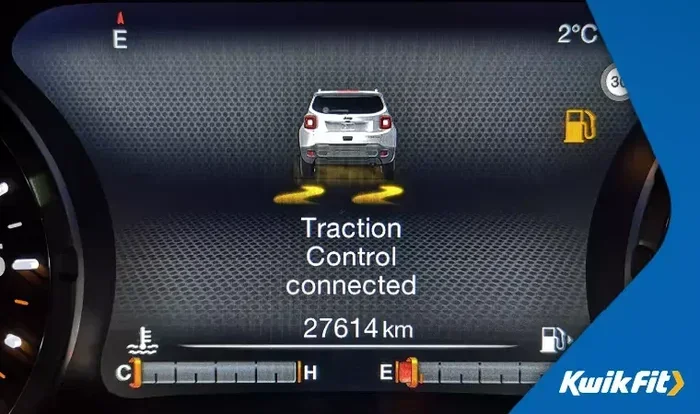
Your dashboard has a traction control light that looks like a car with wavy lines behind it. When the light stays on, it means the system is active. If it flashes, the system is currently intervening to prevent wheel slip. If the light stays on constantly, it may mean there is a problem. A sensor malfunction or a wiring issue could trigger this warning. When you see a steady light, it is a good idea to get your vehicle checked.
Is It Okay to Leave Traction Control On All the Time?
Is It Okay to Leave Traction Control On All the Time? For most people, the answer is absolutely yes. Leaving it on gives you an extra layer of protection every time you drive. The system is designed to work in the background without any effort from you. You do not need to think about it. It just helps keep your car stable and your tires gripping the road.
Why Keeping It On Is the Safest Default
Modern cars are built with driving safety as a top priority. The traction control system is one of the core safety features that manufacturers include for good reason. It helps you in situations you might not even notice. A sudden patch of oil on the road. A damp leaf on an asphalt street. A gravel shoulder when you need to pull over quickly. In all of these cases, traction control can make a real difference.
When the system is active, it constantly watches your wheel slip and adjusts power delivery. This means smoother acceleration and better control. You are less likely to fishtail or lose grip unexpectedly. For everyday driving conditions, this is exactly what you want.
Does It Affect Your Throttle Response?
Some drivers worry that traction control makes their car feel sluggish. There is a tiny bit of truth to this. When the system kicks in, it may slightly reduce throttle response. You might notice that your engine does not rev as freely on a loose surface. But for normal driving, this effect is barely noticeable. The trade-off is well worth it. A small reduction in power is a small price to pay for staying on the road.
In fact, the system only reduces power when it detects wheel spin. On dry pavement with good grip, you will not feel it working at all. Your throttle response stays normal and your car feels just as responsive.
Impact on Fuel Economy
Another common concern is whether traction control hurts fuel economy. The short answer is no, not really. The system uses very little energy to operate. It only activates when needed, and the intervention is brief. You will not see a noticeable drop in gas mileage from keeping it on. Some studies suggest the impact is less than one percent. So there is no real reason to turn it off to save fuel.
When Should You Turn Off Traction Control?
While keeping traction control on is the right choice most of the time, there are a few situations where turning it off makes sense. Knowing when to disable the system is just as important as knowing when to leave it on.
Off-Road Driving and Loose Surfaces
If you are heading off-road, you might want to turn off the system. When driving on loose gravel, deep mud, or sand, your wheels need to spin to find traction. Traction control will fight this by cutting engine power. This can actually make it harder to get unstuck. In these situations, allowing the wheels to spin freely helps you dig in and move forward. This is especially true for off-road driving scenarios where tire grip comes from momentum rather than friction.
Deep Snow and Ice
Here is a tricky one. On flat, packed snow, traction control can actually help you move forward. But when you are stuck in deep snow, the system can work against you. It will keep cutting power to prevent wheel spin. This means your tires never build up enough momentum to push through the snow. Turning the system off lets your wheels spin and slowly work you free. Once you are moving, you can turn it back on for the rest of your drive.
Performance Driving and Racing
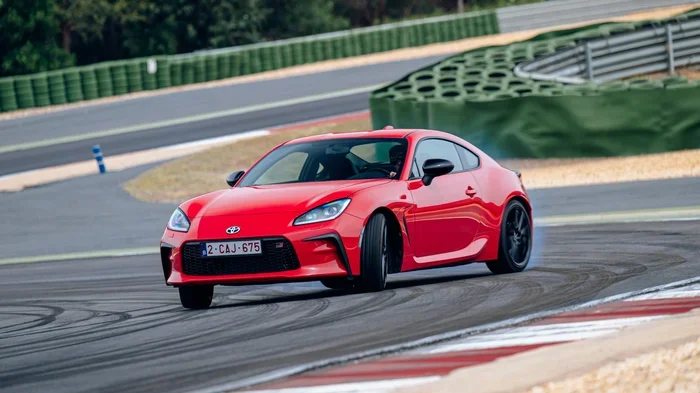
If you are on a track or doing performance driving, you may want to disable traction control. Race car drivers often turn it off so they can control wheel slip themselves. Allowing some spin on acceleration can help you launch the car faster. However, this is only relevant for experienced drivers on closed tracks. Never disable safety systems on public roads.
Rear-Wheel Drive Vehicles
Drivers of rear-wheel drive vehicles sometimes turn off traction control in slippery conditions. The reason is that RWD cars can oversteer when power is cut too aggressively. The system might brake the rear wheels in a way that makes the car feel unstable. That said, for most everyday drivers, keeping the system on is still the safer choice. If you are unsure, leave it on and learn how your specific car handles first.
Towing Heavy Loads
When you are towing a trailer, the dynamics of your vehicle change. The extra weight can affect how your tires grip the road. In some cases, traction control may intervene too early or too often. If you are struggling to get a heavy load moving on a slight incline, turning the system off briefly can help. Just remember to turn it back on once you are rolling.
What Happens If You Leave Traction Control On Constantly?
Some drivers wonder if leaving traction control on all the time could damage their car. The good news is that it will not. The system is designed to run continuously. It uses minimal resources and has no negative long-term effects on your vehicle. Here is what happens when you keep it on:
- Better stability in wet conditions: The system constantly monitors wheel slip and adjusts power to keep you on track.
- Smoother acceleration: You get a more controlled launch from stops, especially on slick surfaces.
- Reduced risk of skidding: The system helps prevent skid control situations before they start.
- Works with all-wheel drive: If your car has all-wheel drive, traction control complements the system by managing individual wheel speed.
- No extra wear on brakes: The system only applies brakes briefly and selectively. It does not cause extra brake wear.
Leaving it on also means you always have the benefit of electronic stability control. These systems share sensors and work together. When traction control is active, stability control is also ready to step in if your car starts to slide. This layered protection is one of the best reasons to keep the system enabled at all times.
Can You Turn It Off and Back On Easily?
Yes, you can. Most vehicles have a simple button to toggle traction control on and off. The traction control reset is usually instant. You press the button, and the system switches modes right away. Check your owner manual to find the button location. It is often found near the gear shift, on the center console, or on the steering wheel.
Some newer vehicles with advanced driving assist features may have more complex settings. They might offer different levels of traction control intervention. Always refer to your vehicle manual for specific instructions. And remember, when in doubt, turn it back on.
Common Traction Control Myths Debunked
Myth 1: Traction Control Replaces Good Tires
This is a big one. Traction control helps manage wheel slip, but it cannot create grip that does not exist. If your tires are worn out or not suited for the season, no electronic system can fully compensate. Good tires are your first line of defense. Traction control is your backup. Always make sure your tire grip is adequate for the conditions you are driving in.
Myth 2: Turning It Off Saves Gas
We already touched on this, but it is worth repeating. The fuel savings from turning off traction control are essentially zero. The system uses so little energy that you will never notice a difference at the pump. Do not turn it off for fuel savings. It is not worth the trade-off in safety.
Myth 3: Traction Control and ABS Are the Same Thing
These systems are related but not the same. ABS prevents your wheels from locking up when you brake. Traction control prevents wheels from spinning when you accelerate. They share sensors and work together, but they serve different purposes. Your ABS system and traction control system are partners, not duplicates.
Myth 4: You Should Turn It Off in the Rain
Some people think traction control is not useful in rain. This is the opposite of the truth. Wet roads are exactly where traction control shines. It helps prevent hydroplaning and wheel slip on rain-slicked pavement. Keep it on during rainy weather and let the system do its work.
Expert Tips for Using Traction Control Safely
Know Your Vehicle
Every car handles a little differently. Take time to learn how your specific vehicle responds with traction control on and off. Find a safe, empty parking lot and test the system in different conditions. This hands-on knowledge will help you make better decisions on the road.
Keep Your Sensors Clean
The wheel speed sensors that feed data to the traction control system can get dirty. Mud, ice, and road grime can interfere with their readings. If you notice the traction control light coming on unexpectedly, check your sensors. A quick cleaning might solve the problem. If not, a traction control reset or professional inspection may be needed.
Do Not Rely on It Alone
Traction control is a great tool, but it is not a replacement for safe driving habits. Keep a safe following distance. Adjust your speed for road conditions. Avoid sudden maneuvers. The system works best when combined with attentive, defensive driving. Think of it as a safety net, not a substitute for careful driving.
Address Warning Lights Promptly
If your traction control light stays on, do not ignore it. It could indicate a sensor malfunction, a wiring issue, or a problem with the traction control system itself. Get it checked by a qualified mechanic as soon as possible. Driving with a faulty traction control system means you are missing out on an important layer of driving safety.
Pair It with Winter Tires
For winter driving, traction control works best when paired with proper winter tires. The combination of good tire grip and electronic intervention gives you the best possible control on ice and snow. Do not skip winter tires just because your car has traction control. They work together to keep you safe.
Conclusion
So, is it okay to leave traction control on all the time? The answer is a clear yes for the vast majority of drivers. The traction control system is one of the most important driving safety features in your vehicle. It works silently and effectively to prevent wheel slip, maintain vehicle stability, and keep you in control on a wide range of road conditions. Keeping it on should be your default setting every time you start the engine.
There are a few exceptions. Deep snow, off-road trails, and performance driving are the main situations where turning it off can be helpful. But for your daily commute, grocery runs, and road trips, leave it on. The system is designed to work alongside your ABS system, electronic stability control, and other driving assist features to give you the best protection possible.
Understanding your car’s safety systems gives you confidence behind the wheel. It also helps you make smarter decisions when conditions get tricky. So the next time you see that traction control light on your dashboard, you will know exactly what it means and why it is there. Keep it on, stay alert, and enjoy the peace of mind that comes with knowing your car is working to keep you safe.
Frequently Asked Questions
Will leaving traction control on damage my car?
No, it will not. The traction control system is designed to run continuously without causing any damage. It uses very little energy and only activates when it detects wheel slip. There is no extra wear on your engine, brakes, or transmission from keeping it on.
Can I drive with the traction control light on?
You can, but you should not ignore it. A steady traction control light usually means there is a problem with the system. It could be a sensor malfunction or a wiring issue. While your car is still drivable, you are missing some of the safety benefits. Have it checked by a mechanic as soon as possible.
Does traction control affect fuel economy?
Not in any meaningful way. The system uses minimal energy and only activates briefly when needed. Studies show the impact on fuel economy is less than one percent. There is no reason to turn it off to save gas.
Should I turn off traction control in snow?
It depends on the situation. On flat, packed snow, keeping it on helps you maintain tire grip. But if you are stuck in deep snow, turning it off allows your wheels to spin and build momentum to get you moving. Once you are free, turn it back on for the rest of your drive.
What causes the traction control light to come on?
Several things can trigger the light. A sensor malfunction is the most common cause. Dirty wheel speed sensors, damaged wiring, or a problem with the ABS system can also be responsible. Sometimes the light comes on briefly during startup as part of a normal traction control reset check.
Can I turn off traction control on a daily driver?
You can, but you should not make it a habit. For everyday driving on public roads, keeping traction control on is the safest choice. The only times you should consider turning it off are during off-road driving, when you are stuck in deep snow or mud, or when participating in performance driving on a closed track.