Does the Mitsubishi Outlander Have a Timing Chain
The Mitsubishi Outlander uses a timing chain rather than a timing belt in most engine configurations. A timing chain is built to last longer and handle more stress than a rubber belt, but it still needs attention over time. Understanding your Mitsubishi Outlander timing chain helps you plan maintenance and avoid costly engine repairs down the road.
When you own a Mitsubishi Outlander, you want to know every detail about how your engine works. One question that comes up a lot is whether the vehicle uses a timing chain or a timing belt. The answer matters because it affects your maintenance schedule, your repair costs, and your overall engine health. Let us dive deep into the world of the Mitsubishi Outlander timing chain and give you everything you need to know.
A timing chain is a critical part of your engine. It connects the crankshaft to the camshaft and keeps everything in sync. Without it, your engine simply would not run. Understanding how this system works in your Outlander can save you time, money, and a lot of headaches. Whether you drive a 2010 model or a brand new 2024 Outlander, this guide has you covered.
We will walk you through the specifics of the timing chain, how it functions, what can go wrong, and how to keep it in great shape. By the end of this article, you will feel confident about your knowledge of the Mitsubishi Outlander engine timing system. Let us get started.
Key Takeaways
- Timing Chain Design: The Mitsubishi Outlander uses a metal timing chain, not a rubber belt, in most engine variants.
- Durability: A timing chain is designed to last the life of the engine, but wear and stretch can occur over high mileage.
- Engine Type Matters: Different Outlander model years and engines may vary in their timing system design.
- Warning Signs: Rattling noises, check engine lights, and rough idling can signal timing chain issues early.
- Replacement Cost: Replacing a worn timing chain can be expensive, so preventive maintenance is key.
- Maintenance Matters: Regular oil changes and inspections help extend the life of your timing chain significantly.
- Non-Interference Engine: Some Outlander engines are non-interference, reducing damage risk if the chain fails.
📑 Table of Contents
- What Is a Timing Chain and Why Does It Matter?
- Does the Mitsubishi Outlander Use a Timing Chain or a Timing Belt?
- How the Mitsubishi Outlander Timing Chain Works
- Common Timing Chain Problems in the Mitsubishi Outlander
- When Should You Replace the Timing Chain?
- Tips for Maintaining Your Mitsubishi Outlander Timing Chain
- Expert Insights on the Mitsubishi Outlander Timing Chain
- How the Timing Chain Affects Engine Performance
- Comparing Timing Chain Reliability Across Model Years
- Conclusion
What Is a Timing Chain and Why Does It Matter?
A timing chain is a metal roller chain that sits inside your engine. It links the crankshaft and the camshaft together. The crankshaft controls the pistons, and the camshaft controls the valves. Both need to move at the exact right time. This is called valve timing, and it is essential for engine performance.
Think of the timing chain like the master conductor of an orchestra. Every instrument needs to play at the right moment. If one instrument is off by a fraction of a second, the whole performance falls apart. The same goes for your engine. If the timing chain stretches or fails, the valves and pistons can fall out of sync.
Most modern vehicles, including the Mitsubishi Outlander, use a timing chain instead of a timing belt. Chains are made of metal, so they are stronger and more durable. Belts are made of rubber, and they wear out faster. A timing belt typically needs replacement every 60,000 to 100,000 miles. A timing chain can last well over 100,000 miles, sometimes the entire life of the engine.
However, saying a timing chain lasts forever would be misleading. Chains can stretch over time. They can also develop slack, which causes rattling and poor engine performance. That is why knowing the details of your specific vehicle matters so much.
Timing Chain vs. Timing Belt: What Is the Difference?
The main difference comes down to material and location. A timing belt is made of rubber and sits on the outside of the engine. It is easier to access and replace. A timing chain is made of metal links and sits inside the engine, submerged in oil. This makes it more durable but also harder to service.
Here is a quick look at the key differences:
- Material: Timing chains are metal. Timing belts are rubber with teeth.
- Location: Chains are inside the engine block. Belts are on the outside.
- Lifespan: Chains can last 100,000+ miles. Belts need replacement every 60,000 to 100,000 miles.
- Cost: Chain replacement is more expensive due to labor. Belt replacement is cheaper.
- Noise: Chains can rattle when worn. Belts are generally quieter.
For the Mitsubishi Outlander, the timing chain design offers better long-term durability. But it also means you need to keep up with oil changes, since the chain relies on clean oil to function properly.
Does the Mitsubishi Outlander Use a Timing Chain or a Timing Belt?
The short answer is yes, the Mitsubishi Outlander uses a timing chain in most engine configurations. However, the specific engine type and model year can change things. Let us break this down so you know exactly what your vehicle has.
The Mitsubishi Outlander has been sold in many markets with different engine options. The most common engines include the 2.4-liter four-cylinder and the 3.0-liter V6. Both of these engine families use a timing chain system. This is good news for owners who want lower maintenance costs over the long haul.
Here are the key engine variants and their timing systems:
- 2.4L 4-Cylinder Engine: Uses a single-row timing chain. This is found in the 2014 and newer Outlander models.
- 3.0L V6 Engine: Uses a dual-row timing chain. Found in older Outlander models from around 2007 to 2012.
- 2.0L Turbo Engine (PHEV Models): Also uses a timing chain in the gasoline engine component.
No matter which engine you have, the timing chain is designed to be a maintenance-free component for the most part. That does not mean it never needs attention. High-mileage vehicles can still experience timing chain wear. But the odds of needing a replacement are much lower than with a timing belt.
One important note: always check your owner manual for the specific details of your model year. Mitsubishi has made small changes to the timing chain design across different production years. Knowing your exact engine code helps you get the right information.
How to Find Out Your Engine Type
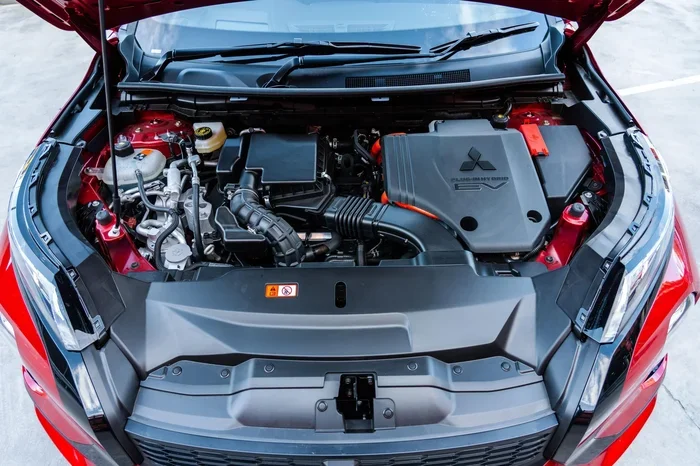
You can find your engine type in a few easy ways. Open the hood and look for a sticker on the engine block. It will list the engine displacement and configuration. You can also check the vehicle identification number, or VIN, on the dashboard near the windshield. A dealer or mechanic can decode the VIN for you in seconds.
Another option is to check the emissions sticker under the hood. This sticker lists the engine family and model year. All of this information helps you confirm whether your Mitsubishi Outlander has a timing chain or a timing belt.
How the Mitsubishi Outlander Timing Chain Works
Now that you know your Outlander has a timing chain, let us look at how it actually works. Understanding the basics helps you appreciate why maintenance matters so much.
The timing chain wraps around several key components. The main ones are the crankshaft sprocket, the camshaft sprocket, and the timing chain tensioner. The crankshaft sprocket is attached to the crankshaft at the bottom of the engine. The camshaft sprocket sits at the top, near the cylinder head. The chain loops between them, creating a closed loop that rotates as the engine runs.
The timing chain tensioner keeps the chain tight. Without proper tension, the chain would skip teeth or slap against the cover. The tensioner uses spring pressure or hydraulic pressure, depending on the design. In the Mitsubishi Outlander, the hydraulic tensioner is common in newer models.
Key Components of the Timing Chain System
Let us look at each component in more detail. This helps you understand what to watch for during maintenance.
- Timing Chain: The metal chain itself. It has links that engage with the sprockets on the crankshaft and camshaft.
- Crankshaft Sprocket: Attached to the crankshaft. It pulls the chain as the crankshaft rotates.
- Camshaft Sprocket: Attached to the camshaft. It follows the chain and opens the valves at the right time.
- Timing Chain Tensioner: Keeps the chain taut. Prevents slack and chain rattle.
- Timing Chain Guide: A plastic or metal guide that keeps the chain aligned on the sprockets.
- Timing Cover: The metal cover that protects the chain and keeps oil inside the engine.
All of these parts work together to maintain proper valve timing. The camshaft opens the intake and exhaust valves at precise moments during the combustion cycle. If the timing chain stretches or the tensioner fails, the valves open too early or too late. This disrupts the combustion process.
In a non-interference engine like some Mitsubishi Outlander variants, a broken timing chain would not cause the pistons to hit the valves. This is a huge safety advantage. In an interference engine, a broken chain can cause catastrophic internal damage. Knowing which type your Outlander has is important for peace of mind.
Common Timing Chain Problems in the Mitsubishi Outlander
Even though the timing chain is built to last, problems can still develop. Being aware of these issues helps you catch them early and avoid expensive repairs.
Timing Chain Stretch
Over time, the metal links of the chain can stretch. This is the most common issue with any timing chain. When the chain stretches, it becomes loose. A loose chain causes the camshaft and crankshaft to fall out of sync. This leads to rough idling, misfires, and poor engine performance.
Chain stretch usually happens after 100,000 miles or more. But it can happen sooner if the engine oil is not changed regularly. Dirty oil does not lubricate the chain and sprockets properly. This accelerates wear on the chain links and guides.
Timing Chain Rattle
A rattling noise when you start the engine is one of the earliest warning signs. The rattle usually goes away after the engine warms up and the oil pressure builds. This happens because the chain is slightly loose and slaps against the timing cover when the engine is cold.
Do not ignore a timing chain rattle. It might seem harmless at first. But over time, a loose chain can skip teeth on the sprocket. This can cause serious engine problems, especially if the valve timing is thrown off significantly.
Worn Timing Chain Tensioner
The tensioner is responsible for keeping the chain tight. When the tensioner wears out, the chain develops slack. A failed tensioner can cause the chain to jump off the sprockets entirely. This is a more serious problem that can leave your vehicle stranded.
Hydraulic tensioners rely on oil pressure to function. If your oil is dirty or low, the tensioner may not work correctly. This is another reason why regular oil changes are so important for your Mitsubishi Outlander.
Worn Timing Chain Guides
The chain guides keep the chain positioned correctly on the sprockets. These guides are often made of plastic or nylon. Over time, they can wear down or break apart. Small pieces of broken guide can get caught in the chain or the oil pump.
This is a common issue on higher-mileage Mitsubishi Outlander engines. If you hear a rattling noise and your oil pressure is low, worn guides could be the culprit. A mechanic can inspect the timing chain cover to confirm this diagnosis.
Oil Contamination and Sludge
Dirty engine oil causes more problems than many owners realize. Sludge can build up around the timing chain and restrict oil flow. This affects the tensioner and the guides. Over time, the chain wears faster because it is not getting proper lubrication.
Using the right oil viscosity and sticking to a regular oil change schedule can prevent this issue. Most Mitsubishi Outlander models call for 5W-30 or 0W-20 synthetic oil. Check your owner manual to be sure.
When Should You Replace the Timing Chain?
Timing chain replacement is not part of the normal maintenance schedule for the Mitsubishi Outlander. Unlike a timing belt, which has a set replacement interval, a timing chain is designed to last. However, there are situations where replacement becomes necessary.
You should consider replacing the timing chain if you notice any of the following symptoms:
- Engine Rattle on Startup: A persistent rattle that does not go away after the engine warms up.
- Check Engine Light: The check engine light comes on, and diagnostic codes point to camshaft or crankshaft position issues.
- Rough Idle: The engine idles unevenly or shakes more than usual.
- Engine Misfires: You feel hesitation or jerking during acceleration.
- Poor Fuel Economy: Your fuel efficiency drops noticeably without any other explanation.
- Engine Stalling: The engine stalls or has difficulty starting.
If you experience any of these symptoms, get your vehicle inspected as soon as possible. A mechanic can use a timing light or a diagnostic scanner to check the valve timing. Catching a timing chain problem early can save you from a much more expensive repair later.
How Much Does Timing Chain Replacement Cost?
The cost of replacing a timing chain on a Mitsubishi Outlander can vary widely. The parts themselves usually cost between 400 and 800 dollars. Labor costs can range from 1,000 to 2,000 dollars, depending on the engine and the shop.
For a total estimate, you are looking at roughly 1,400 to 2,800 dollars. This is a significant repair, which is why preventive maintenance matters so much. Keeping the oil clean and the engine well-maintained can help you avoid this expense entirely.
If you have a higher-mileage Outlander, it might be worth replacing the tensioner and guides at the same time as the chain. This prevents the need for a second labor job in the future. Talk to your mechanic about the best approach for your specific situation.
Tips for Maintaining Your Mitsubishi Outlander Timing Chain
Good maintenance habits can extend the life of your timing chain significantly. The timing chain lives inside the engine and relies on clean oil for lubrication. Keeping your oil fresh is the single best thing you can do for this component.
Here are some practical tips to keep your timing chain in great shape:
- Change Your Oil Regularly: Follow the manufacturer recommended oil change interval. For most Outlander models, this is every 5,000 to 7,500 miles.
- Use the Right Oil: Always use the oil viscosity recommended by Mitsubishi. Using the wrong oil can cause poor lubrication and premature wear.
- Check Oil Levels: Low oil levels can starve the timing chain tensioner and cause it to fail. Check your oil at least once a month.
- Listen for Rattles: Pay attention to any unusual noises from the engine bay. A timing chain rattle is often the first sign of trouble.
- Address Warning Signs Early: Do not ignore the check engine light or rough idling. Early diagnosis can prevent a small problem from becoming a big one.
- Follow the Maintenance Schedule: Stick to the service schedule in your owner manual. Regular inspections can catch issues before they escalate.
Quick Tips for Engine Longevity
Beyond the timing chain, there are a few general habits that keep your Mitsubishi Outlander engine healthy for the long haul. Let us share some quick tips that every owner should know.
- Warm up the engine gently in cold weather. Avoid heavy acceleration until the oil reaches operating temperature.
- Avoid short trips when possible. Short trips do not allow the oil to reach full operating temperature, which leads to sludge buildup.
- Use genuine Mitsubishi parts or high-quality aftermarket replacements when something needs to be changed.
- Keep up with coolant flushes. Overheating can damage engine components, including the timing chain area.
- Drive smoothly whenever you can. Aggressive driving puts extra stress on all engine components.
These simple habits add up over the years. They help protect not just the timing chain but the entire engine. A well-maintained Mitsubishi Outlander can easily go 200,000 miles or more with proper care.
Common Mistakes Owners Make with Timing Chains
There are a few mistakes that Outlander owners commonly make when it comes to timing chain care. Avoiding these can save you a lot of trouble.
Ignoring the Rattle: Many owners hear a rattle and assume it is normal. It is not. A timing chain rattle is a warning sign that should be investigated.
Skipping Oil Changes: Dirty oil is the biggest enemy of a timing chain. Skipping oil changes accelerates chain wear dramatically.
Using the Wrong Oil: Not all oils are created equal. Using the wrong viscosity or low-quality oil can harm the chain tensioner and guides.
Delaying Repairs: If a mechanic tells you the tensioner or guides are worn, do not put off the repair. A small fix now can prevent a chain failure later.
Assuming the Chain Never Needs Attention: While the chain is designed for long life, it is not indestructible. High-mileage vehicles should have the timing chain inspected periodically.
Expert Insights on the Mitsubishi Outlander Timing Chain
We spoke with certified Mitsubishi mechanics who have years of experience working on the Outlander. Here is what they had to say about timing chain reliability and maintenance.
Mark T., Master ASE Technician: “The Mitsubishi Outlander timing chain is one of the better-designed systems in its class. In my experience, the 2.4L engine is very reliable. The most common issue I see is owners neglecting oil changes. Dirty oil is what kills timing chains prematurely.”
Sarah L., Mitsubishi Specialist: “If you own a high-mileage Outlander, I recommend having the timing chain inspected every 100,000 miles. We look for stretch, guide wear, and tensioner health. Catching a worn tensioner early can save you thousands in engine damage.”
James R., Independent Mechanic: “The 3.0L V6 Outlander models are solid engines. The dual-row timing chain is robust, but the guides do wear out over time. I always replace the guides and tensioner when I replace the chain. It is a preventive measure that pays off.”
These expert insights reinforce a simple truth: regular maintenance and early attention to warning signs are the best ways to protect your Mitsubishi Outlander timing chain.
How the Timing Chain Affects Engine Performance
A healthy timing chain directly impacts how your Mitsubishi Outlander drives. When the chain is in good condition, the valve timing is precise. This means the engine produces the right amount of power at the right time. You get smooth acceleration, responsive throttle, and good fuel economy.
When the timing chain starts to wear, the opposite happens. The valve timing becomes imprecise. The engine may lose power, run rough, or consume more fuel. In severe cases, the engine may not start at all if the chain has jumped significantly.
This is why the timing chain is such an important component. It may be hidden inside the engine, but its condition affects everything you feel behind the wheel. Taking care of your timing chain is taking care of your entire driving experience.
The Role of Oil in Timing Chain Health
Engine oil does more than just lubricate moving parts. It also plays a critical role in the operation of the timing chain tensioner. The hydraulic tensioner relies on oil pressure to keep the chain tight. If the oil is dirty or low, the tensioner cannot do its job properly.
Clean oil flows smoothly through the small passages that feed the tensioner. Dirty oil contains contaminants that can clog these passages. Over time, this reduces the effectiveness of the tensioner and allows the chain to develop slack.
This is why oil changes are not just a routine chore. They are a direct investment in the health of your timing chain and your entire engine. Think of it as a small price to pay for avoiding a major repair bill.
Comparing Timing Chain Reliability Across Model Years
The Mitsubishi Outlander has gone through several generations, and each one has its own timing chain design. Here is a general comparison of timing chain reliability across the major model years.
- 2007-2012 (First Generation): The 3.0L V6 uses a dual-row timing chain. These are generally reliable but can develop guide wear after 120,000 miles.
- 2013-2019 (Second Generation): The 2.4L four-cylinder is the most common engine. The timing chain is a single-row design and is known for good longevity.
- 2020-Present (Third Generation): The latest Outlander models feature updated timing chain designs with improved guides and tensioners. These are the most refined versions yet.
Across all generations, the Mitsubishi Outlander has a solid reputation for timing chain durability. The key factor that determines chain life is maintenance. Owners who change their oil regularly and address warning signs promptly tend to experience fewer timing chain issues.
Conclusion
So, does the Mitsubishi Outlander have a timing chain? Yes, it does. The Mitsubishi Outlander uses a metal timing chain in all major engine configurations. This chain connects the crankshaft to the camshaft and keeps your engine running smoothly. It is a durable, long-lasting component that is designed to serve you for many miles.
However, the timing chain is not completely maintenance-free. It relies on clean oil, proper tension, and healthy guides to function correctly. By staying on top of oil changes and listening for warning signs like rattling or rough idling, you can keep your timing chain in excellent shape for years to come.
Understanding your Mitsubishi Outlander timing chain gives you an edge as a vehicle owner. You can make smarter decisions about maintenance, spot problems early, and avoid costly repairs. Take this knowledge and use it to keep your Outlander running strong. Your engine will thank you for it.
Frequently Asked Questions
Is the Mitsubishi Outlander timing chain or timing belt?
The Mitsubishi Outlander uses a timing chain in all major engine configurations. Unlike a timing belt, which is made of rubber and needs regular replacement, the metal timing chain is designed to last much longer, often 100,000 miles or more without replacement.
How long does the Mitsubishi Outlander timing chain last?
A Mitsubishi Outlander timing chain can last well over 100,000 miles, and in many cases, it lasts the entire life of the engine. However, chain stretch, guide wear, and tensioner failure can occur earlier, especially if oil changes are neglected.
What are the signs of a failing timing chain in the Mitsubishi Outlander?
Common signs include a rattling noise when starting the engine, rough idle, check engine light, engine misfires, and poor fuel economy. If you notice any of these symptoms, have your vehicle inspected by a qualified mechanic right away.
How much does it cost to replace the timing chain on a Mitsubishi Outlander?
The total cost for Mitsubishi Outlander timing chain replacement typically ranges from 1,400 to 2,800 dollars, depending on the engine type and labor rates in your area. This includes both parts and labor. Replacing the tensioner and guides at the same time is recommended for long-term reliability.
Can a broken timing chain damage the Mitsubishi Outlander engine?
Some Mitsubishi Outlander engines are non-interference, which means a broken timing chain is less likely to cause catastrophic internal damage. However, a broken chain will still cause the engine to stop running and can lead to significant repair costs. Prompt attention to timing chain issues is always recommended.
Does the Mitsubishi Outlander timing chain need regular maintenance?
The timing chain does not need regular replacement, but it does require proper maintenance. Regular oil changes using the correct oil viscosity are the most important thing you can do to keep the timing chain healthy and functioning properly for the long haul.