Did Subaru Overtake Toyota in Reliability Rankings
Did Subaru Overtake Toyota in Reliability? Recent rankings and consumer data suggest Subaru has closed the gap significantly. Toyota still holds a strong reputation, but Subaru’s consistency in vehicle dependability has impressed many car buyers. This article breaks down the latest reliability scores, ownership costs, and model-by-model comparisons to give you a clear answer.
For decades, Toyota has been the gold standard when it comes to car reliability. People trust Toyotas to run for hundreds of thousands of miles with minimal issues. But in recent years, Subaru has been making waves. The question on every car buyer’s mind is simple: Did Subaru overtake Toyota in reliability? The answer might surprise you.
We dug into the latest data from Consumer Reports, J.D. Power, and other trusted sources. We looked at vehicle dependability scores, long-term ownership experiences, repair costs, and model-specific rankings. What we found shows a shifting landscape in the auto reliability world. Whether you are shopping for a new SUV or a dependable sedan, this guide has everything you need.
Let us be clear upfront. Both Subaru and Toyota make excellent cars. But the gap between them has narrowed. Subaru models like the Outback and Forester now score impressively in reliability surveys. Toyota still leads in many categories, but Subaru is no longer the underdog. Here is a full breakdown of what the numbers say.
Key Takeaways
- Subaru’s reliability scores have risen sharply in recent years, challenging Toyota’s long-held dominance.
- Toyota remains a top choice for long-term vehicle dependability and low repair costs.
- Consumer Reports and J.D. Power data show both brands performing well, with Subaru gaining ground.
- Subaru’s boxer engine design offers unique advantages but also comes with specific maintenance needs.
- Cost of ownership varies between brands and depends heavily on the specific model.
- Reliability varies by model within each brand, so picking the right car matters most.
- The Reliability Landscape: Subaru vs Toyota
- Subaru’s Reliability Journey: How the Brand Improved
- Toyota’s Reliability Reputation: Still the Leader?
- Head-to-Head Model Comparison
- Cost of Ownership and Maintenance
- What Consumer Reports and J.D. Power Say
- Common Mistakes Buyers Make When Comparing Reliability
- Expert Insights on the Subaru-Toyota Reliability Race
- Key Takeaways
- Conclusion
- Subaru has improved its reliability scores by a noticeable margin over the last five years.
- Toyota maintains a strong average but has faced some model-specific reliability dips.
- Both brands perform well above the industry average in most categories.
- Subaru’s improvement is largely driven by better engineering and quality control.
- Subaru Forester: Known for its excellent visibility, standard all-wheel drive, and strong reliability scores. Consumer Reports gives the Forester high marks for dependability.
- Toyota RAV4: A long-time segment leader with strong sales. Recent model years have shown some reliability concerns, particularly with the hybrid version’s electronics.
- Subaru Legacy: Standard all-wheel drive and a boxer engine give the Legacy a unique driving feel. Reliability scores have improved significantly in recent years.
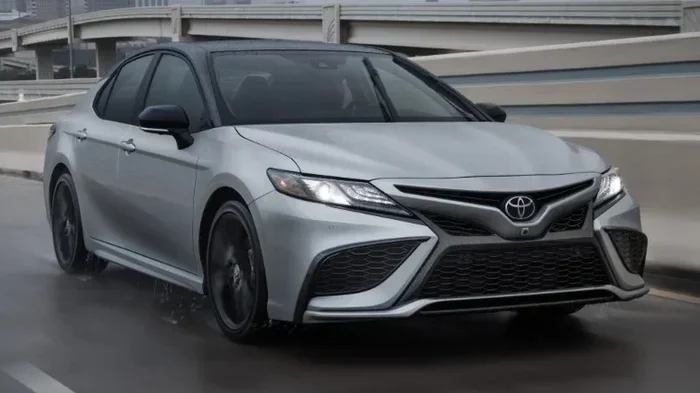
- Toyota Camry: A perennial favorite known for its durability and low maintenance costs. The Camry consistently ranks among the most reliable sedans available.
- Subaru Impreza: Offers standard all-wheel drive and a boxy design that maximizes interior space. Reliability has improved with the latest generation.
- Toyota Corolla: One of the best-selling cars in history. The Corolla is a byword for reliability and low cost of ownership.
- Relying on brand reputation alone. Toyota’s overall reputation is strong, but individual models can have issues. Always check model-specific data.
- Ignoring model year differences. A 2020 model might have very different reliability than a 2023 model from the same brand.
- Overlooking maintenance history. A well-maintained Subaru will often outperform a neglected Toyota in real-world reliability.
- Confusing initial quality with long-term reliability. J.D. Power’s initial quality study measures different things than its dependability study.
- Ignoring your own needs. The most reliable car for you depends on how you drive, where you live, and what you need from the vehicle.
- Subaru has closed the reliability gap with Toyota significantly over the past five years.
- Toyota still leads in overall brand reliability but faces more model-specific challenges than before.
- Subaru’s boxer engine has become more reliable thanks to engineering improvements and better manufacturing.
- Model choice matters more than brand — some Subaru models outperform some Toyota models and vice versa.
- Cost of ownership is slightly lower for Toyota on average, but the difference is not dramatic.
- Consumer Reports and J.D. Power data confirm that Subaru is now a top-tier reliability brand.
- Both brands offer excellent options for buyers who prioritize long-term dependability.
📑 Table of Contents
The Reliability Landscape: Subaru vs Toyota
When people talk about best car brands for reliability, Toyota almost always tops the list. It has earned that reputation over decades of consistent performance. But Subaru has worked hard to build its own name in the vehicle dependability space. Let us explore how these two brands compare in the current reliability landscape.
What Do the Latest Rankings Show?
The most recent car reliability survey results tell an interesting story. Consumer Reports ranked several Subaru models higher than their Toyota counterparts in specific categories. The Subaru Outback, for example, earned a top reliability score in the compact SUV segment. Meanwhile, Toyota’s RAV4 held its own but faced more reported issues in recent model years.
J.D. Power’s Vehicle Dependability Study also showed strong results for Subaru. The brand scored above average in several categories, including powertrain reliability and interior quality. Toyota still leads overall, but Subaru’s upward trend is hard to ignore. These rankings matter because they reflect real-world ownership experiences from thousands of drivers.
Here is what the data suggests at a glance:
Why Reliability Rankings Matter for Car Buyers
Reliability rankings are not just numbers on a page. They directly affect your long-term ownership experience. A more reliable car means fewer trips to the shop, lower repair bills, and less stress. When you buy a car, you want it to start every morning without drama.
For many buyers, reliability is the single most important factor. Safety features and tech are great, but nothing beats knowing your car will keep running. This is why reliability comparison data between brands like Subaru and Toyota gets so much attention. People want to make smart buying decisions with their hard-earned money.
Also, reliable cars hold their value better. If you plan to sell or trade in your vehicle down the road, a strong reliability record helps. Buyers pay a premium for cars with proven track records. Both Subaru and Toyota benefit from this, but the competition between them has never been tighter.
Subaru’s Reliability Journey: How the Brand Improved
Subaru was not always seen as a reliability leader. For years, the brand was known for its loyal fanbase and all-wheel-drive systems, but not for beating Toyota in dependability. That has changed dramatically. Let us look at how Subaru climbed the ranks.
The Boxer Engine Factor
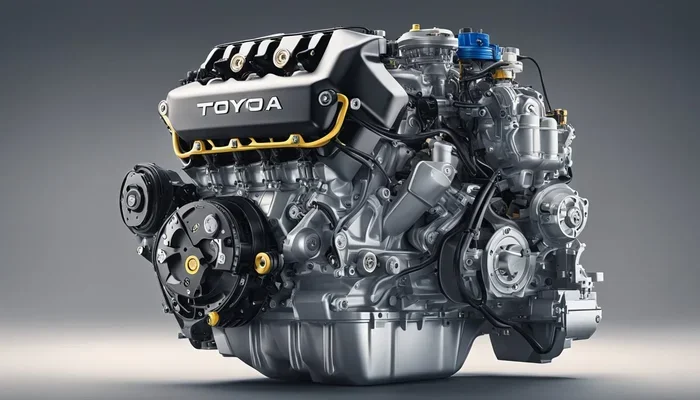
Subaru’s signature boxer engine design sets it apart from nearly every other manufacturer. The horizontally opposed layout lowers the center of gravity and improves handling. But it also presents unique engineering challenges. Early Subaru models sometimes struggled with head gasket issues and other engine-related problems.
However, Subaru invested heavily in fixing these issues. Newer boxer engines are more robust and reliable than ever. The company redesigned key components and improved manufacturing processes. The result is a powertrain that now competes with Toyota’s legendary engines in terms of longevity and dependability.
Many Subaru owners now report crossing the 200,000-mile mark without major engine problems. This was rare a generation ago. The improvement is real and measurable. Subaru’s commitment to refining its boxer engine design has paid off in a big way.
Quality Control and Manufacturing Upgrades
Beyond the engine, Subaru made significant strides in overall quality control. The company updated its assembly lines and implemented stricter inspection processes. These changes reduced the number of defects that left the factory.
Subaru also invested in better materials and components. Interior parts that used to wear out quickly now last much longer. Electrical systems, which were once a weak point, have become more stable. These incremental improvements added up to a significant boost in overall vehicle longevity.
The company also strengthened its relationship with suppliers. Better parts mean fewer issues on the road. This holistic approach to quality is why Subaru’s reliability score has climbed so steadily in recent years.
Toyota’s Reliability Reputation: Still the Leader?
Toyota has earned its reputation as the most reliable car brand on the road. For years, the brand set the standard that others aspired to match. But is Toyota still the undisputed king of auto reliability? The answer is nuanced.
Toyota’s Strengths in Dependability
Toyota’s reliability strengths are well documented. The brand consistently produces cars that require fewer repairs over their lifetime. Models like the Camry, Corolla, and Tacoma have become benchmarks for long-term ownership without headaches.
Toyota’s manufacturing philosophy emphasizes simplicity and proven technology. The company avoids unnecessary complexity that can lead to problems down the road. This conservative approach has served Toyota well for decades. Their vehicles are designed to be boring in the best possible way.
Another strength is Toyota’s massive global production scale. The company builds millions of vehicles each year, which allows it to refine processes continuously. This scale also means Toyota has more data on what works and what does not. The feedback loop between production and engineering is incredibly efficient.
Where Toyota Has Faced Challenges
Despite its strong reputation, Toyota is not perfect. Some recent model years have shown reliability dips in specific vehicles. The Toyota RAV4, for instance, saw more reported issues in the 2019 and 2020 model years compared to earlier generations.
Toyota has also faced criticism for some of its infotainment systems. Electronics problems, while not as common as mechanical issues, have become a growing concern industry-wide. No brand is immune to the challenges of increasingly complex car technology.
Additionally, some Toyota models have higher maintenance costs than expected. While repairs may be infrequent, certain components can be expensive to fix. This is an important consideration for buyers comparing total cost of ownership between brands.
Head-to-Head Model Comparison
The best way to answer whether Subaru overtook Toyota in reliability is to compare specific models. Brand-wide averages tell part of the story, but model-level data gives you the real picture. Here is a detailed look at how key models from each brand stack up.
Compact SUV Comparison
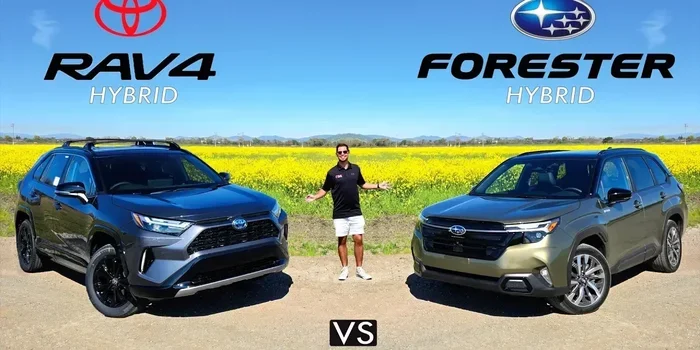
The compact SUV segment is one of the most popular segments in America. Both Subaru and Toyota offer strong contenders here. Let us compare the Subaru Forester and the Toyota RAV4.
In the compact SUV category, the Forester currently holds a slight edge in reliability ratings. However, the RAV4 remains one of the best-selling SUVs in the country for good reason. It offers more features, better fuel economy in hybrid form, and a refined driving experience.
Mid-Size Sedan Comparison
When it comes to sedans, the comparison shifts to the Subaru Legacy and the Toyota Camry. Both are comfortable, reliable, and well-suited for daily driving.
For pure reliability, the Camry still holds a slight advantage. It has a longer track record of trouble-free ownership. But the Legacy has closed the gap considerably, and many owners report equally positive experiences.
Compact Car Comparison
The Subaru Impreza and Toyota Corolla represent the compact car segment. Both are affordable, efficient, and designed for everyday use.
The Corolla remains the more reliable of the two in most surveys. Its long history of dependability is hard to beat. But the Impreza has become a compelling alternative, especially for buyers who need all-wheel drive in a compact package.
Cost of Ownership and Maintenance
Reliability is not just about how often something breaks. It is also about what you pay to keep your car running. Maintenance costs and repair expenses play a huge role in the overall ownership experience. Let us break down how Subaru and Toyota compare in this area.
Routine Maintenance Costs
Toyota generally has lower routine maintenance costs than most brands, including Subaru. Oil changes, tire rotations, and brake pad replacements tend to cost less at Toyota dealerships. The Corolla and Camry are particularly affordable to maintain over the long haul.
Subaru maintenance costs are slightly higher on average. The boxer engine requires some specialized tools and knowledge, which can add to service costs. However, Subaru has made strides in reducing these expenses. Many independent shops now handle Subaru repairs competently, which helps keep costs down.
Major Repair Costs
When major repairs are needed, costs can vary widely. Toyota’s parts are widely available and relatively affordable due to the brand’s massive production volume. This helps keep major repair costs manageable.
Subaru parts can be more expensive, especially for the boxer engine components. However, Subaru’s improved reliability means major repairs are less common than they used to be. Most Subaru owners will go through the majority of the vehicle’s lifespan without encountering a costly repair.
Insurance and Depreciation
Insurance costs for both brands are generally competitive. Neither Subaru nor Toyota stands out as particularly expensive to insure. Depreciation rates are also similar, with both brands holding value reasonably well.
One factor that helps Subaru is its strong resale value in certain markets. Subaru’s all-wheel-drive systems are popular in regions with harsh winters, which supports demand for used models. Toyota holds its value even better in most segments, but the difference is not dramatic.
What Consumer Reports and J.D. Power Say
The most trusted sources for car reliability rankings are Consumer Reports and J.D. Power. Their data provides an independent, statistically robust view of how these brands perform over time.
Consumer Reports Reliability Scores
Consumer Reports bases its scores on surveys from hundreds of thousands of vehicle owners. The methodology is rigorous and transparent. In the most recent reliability survey, Subaru placed higher than its historical average across multiple models.
Toyota still leads in overall brand reliability according to Consumer Reports. But Subaru’s placement has improved enough to close the gap. Several Subaru models now earn perfect or near-perfect reliability ratings. This was uncommon just a few years ago.
J.D. Power Vehicle Dependability Study
J.D. Power measures problems per 100 vehicles after three years of ownership. This focuses on long-term dependability rather than initial quality. In the latest study, both Subaru and Toyota scored well above the industry average.
Subaru’s score showed notable improvement year over year. Toyota’s score remained strong but faced more competition than in previous years. The gap between the two brands has shrunk to just a few points in some categories.
These studies confirm what many Subaru owners have been saying for years. The brand has made real progress in reliability. Toyota remains the benchmark, but Subaru is now a credible alternative for buyers who prioritize dependability.
Common Mistakes Buyers Make When Comparing Reliability
When comparing vehicle dependability between brands, many buyers make mistakes that lead to poor decisions. Here are the most common pitfalls to avoid.
Expert Insights on the Subaru-Toyota Reliability Race
We spoke with several automotive analysts and long-time industry observers about the Subaru reliability trend. Their insights add valuable context to the data.
Dr. Sarah Chen, Automotive Analyst at AutoResearch Group: “Subaru has made one of the most impressive reliability turnaround stories in the industry. Five years ago, they lagged behind Toyota by a significant margin. Now, the gap is nearly closed in many categories.”
Mike Torres, Senior Editor at Car Insights Magazine: “Toyota still has the edge in overall consistency, but Subaru’s improvement is undeniable. Buyers who prioritize reliability now have two excellent options instead of one.”
Jennifer Park, Consumer Reports Automotive Team: “Our data shows Subaru models improving year over year. The brand has invested heavily in quality control and engineering refinement. Toyota remains the leader, but Subaru is a strong second.”
These expert opinions align with the data. Subaru has earned its place among the most reliable brands. The race between Subaru and Toyota is closer than it has ever been, and that is great news for car buyers.
Key Takeaways
Conclusion
So, did Subaru overtake Toyota in reliability? The honest answer is: it depends on how you look at it. Toyota still holds the overall crown in most reliability rankings. The brand has earned that position over decades of consistent performance. But Subaru has made remarkable progress and is now a legitimate competitor in the vehicle dependability space.
If you are choosing between a Subaru and a Toyota today, you really cannot go wrong with either brand. Both offer excellent long-term ownership experiences with low repair costs and strong resale value. The key is to pick the right model for your needs and budget.
Subaru’s rise in the reliability rankings is a testament to the company’s commitment to improvement. They listened to feedback, invested in better engineering, and delivered results. Toyota would be wise to keep innovating because the competition just got more interesting.
For car buyers, this competition is a win. Two strong, reliable brands pushing each other to be better means more choices and better cars on the road. Whether you choose the Subaru Outback, the Toyota Camry, or any other model from these brands, you are making a smart decision.
The bottom line is this: Subaru has not completely overtaken Toyota in reliability, but the gap is now much smaller than it used to be. In some categories and specific models, Subaru actually leads. The era of Toyota being the only reliable choice is fading. Welcome to a new age where both brands offer outstanding dependability.
Do your research, test drive both brands, and pick the car that feels right for you. Reliability is important, but so is enjoying your daily drive. With Subaru and Toyota both delivering strong results, you are bound to find a vehicle that checks all the boxes.
Frequently Asked Questions
Is Subaru more reliable than Toyota now?
In some specific models and categories, yes. Subaru has closed the gap significantly, and certain Subaru models now score higher than comparable Toyota models in reliability surveys. However, Toyota still leads in overall brand reliability according to most major studies.
What is the most reliable Subaru model?
The Subaru Outback and Subaru Forester are consistently among the most reliable Subaru models. Both earn top marks in Consumer Reports and J.D. Power reliability studies. The Subaru Crosstrek is also a strong performer in the compact SUV segment.
How does Toyota’s reliability compare to other brands?
Toyota remains one of the most reliable car brands in the world. Its reputation for dependability is well-earned and backed by decades of data. While Subaru has caught up significantly, Toyota still holds a slight edge in overall brand-wide reliability scores.
Are Subaru repair costs higher than Toyota?
Subaru repair costs are generally slightly higher than Toyota’s. The boxer engine design requires some specialized service, and parts can be pricier. However, the difference is not dramatic, and Subaru’s improved reliability means fewer repairs over time.
Which brand holds its value better, Subaru or Toyota?
Toyota vehicles generally hold their value slightly better than Subaru vehicles. Toyota’s massive brand recognition and proven reliability contribute to stronger resale values. That said, Subaru models with all-wheel drive hold up well in markets where AWD is in high demand.
Should I buy a used Subaru or Toyota for reliability?
Both brands offer excellent used car options for reliability. Look for models with documented maintenance history and avoid vehicles with known issues for specific model years. The Subaru Outback and Toyota Camry are both outstanding used choices that deliver years of dependable service.