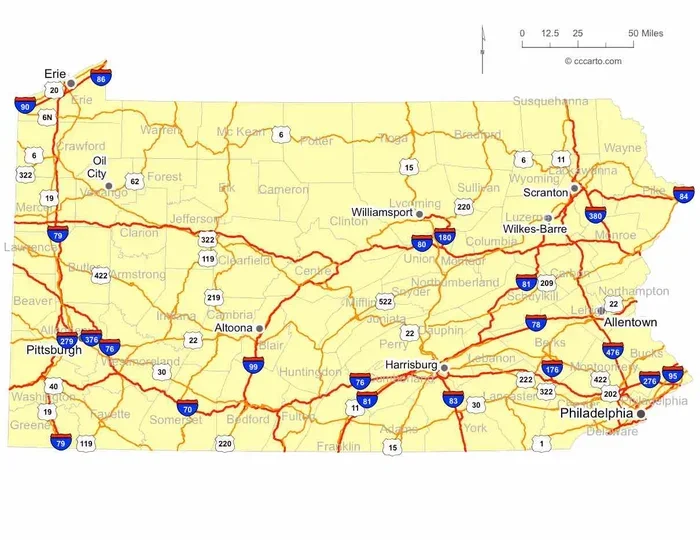
How Much Is Car Insurance in Pennsylvania Right Now
Car insurance in Pennsylvania costs an average of $1,400 to $1,800 per year for full coverage. Rates vary based on your driving record, location, age, and the coverage levels you choose. This guide breaks down everything you need to know about car insurance rates Pennsylvania drivers pay today.
Car insurance is one of those things every driver needs but nobody wants to spend too much on. If you live in Pennsylvania, you have probably wondered, “How much is car insurance in Pennsylvania right now?” The answer depends on a lot of factors. Your age, where you live, your driving history, and the type of coverage you pick all play a role.
This guide walks you through everything you need to know about auto insurance premiums in Pennsylvania. We will look at average costs, what the law requires, and how you can save money. Whether you are a new driver or have been on the road for years, this article has practical tips to help you find the best rates.
Let us break down the numbers and give you a clear picture of what Pennsylvania drivers pay for car insurance today. No fluff, no jargon, just straightforward information you can use.
Key Takeaways
- Average Cost: Pennsylvania drivers pay around $1,400 to $1,800 per year for full coverage auto insurance.
- Minimum Coverage: PA requires $15,000/$30,000 bodily injury and $5,000 property damage liability coverage.
- Location Matters: Urban areas like Philadelphia and Pittsburgh have higher premiums than rural areas.
- Discounts Help: Bundling, safe driving, and good credit can lower your car insurance quotes significantly.
- Full Coverage Costs More: But it protects your vehicle, while liability-only only covers others.
- Shop Around: Comparing policies from multiple insurers is the best way to find cheap car insurance PA drivers love.
📑 Table of Contents
- Average Car Insurance Rates in Pennsylvania
- Factors That Affect Car Insurance Rates in PA
- What Pennsylvania Law Requires
- How to Find Cheap Car Insurance in Pennsylvania
- Special Situations and Insurance Needs
- Common Mistakes That Increase Your Insurance Costs
- Expert Tips to Lower Your Car Insurance
- Conclusion
Average Car Insurance Rates in Pennsylvania
The average cost of car insurance in Pennsylvania sits between $1,400 and $1,800 per year for full coverage. That works out to roughly $120 to $150 per month. Minimum coverage policies cost less, usually around $600 to $900 per year. But remember, cheap policies often mean less protection.
These numbers come from major insurance data sources and reflect what typical Pennsylvania drivers pay. Your personal rate could be higher or lower depending on your situation. Let us look at what drives these differences.
Full Coverage vs. Minimum Coverage
Full coverage includes liability, collision, and comprehensive insurance. It covers damage to your car as well as other people’s vehicles and property. Minimum coverage only meets Pennsylvania’s legal requirements. It covers damage you cause to others but not your own car.
Most drivers in PA choose full coverage because it offers better protection. The extra cost is usually worth the peace of mind. Here is a quick comparison:
- Full Coverage: $1,400 to $1,800 per year. Covers your car and others’ cars.
- Minimum Coverage: $600 to $900 per year. Only covers damage you cause to others.
- Liability-Only: $500 to $800 per year. The cheapest option but least protection.
The difference between full coverage and minimum coverage can be hundreds of dollars a year. Think about your vehicle’s value and your financial situation when choosing.
Factors That Affect Car Insurance Rates in PA
Insurance companies use many factors to set your premium. Understanding these can help you make smarter choices. Some factors you can control, and some you cannot. Let us go through the biggest ones.
Your Driving Record
Your driving record is one of the biggest factors in your car insurance quotes. A clean record with no accidents or tickets means lower rates. If you have speeding tickets, at-fault accidents, or DUI convictions, expect to pay more. Insurance companies view these as signs of risk.
A single speeding ticket can raise your premium by 20% or more. A DUI can double or even triple your rates. The good news is that tickets and accidents eventually fall off your record. Most insurers look at the past three to five years.
Your Age and Driving Experience
Young drivers, especially those under 25, pay the highest auto insurance premiums. This is because they have less experience on the road. Teenage drivers in Pennsylvania often pay $3,000 or more per year for coverage.
Rates start to drop as you gain experience. Drivers in their 30s and 40s usually see the best rates. After age 65, rates may creep back up slightly. But overall, mature drivers with clean records enjoy the lowest costs.
Where You Live in Pennsylvania
Your location has a big impact on your car insurance rates Pennsylvania drivers face. Urban areas like Philadelphia and Pittsburgh have higher premiums than rural towns. More cars on the road means more accidents, which means higher costs for insurers.
Here is how location affects rates:
- Philadelphia: The highest rates in the state, often $2,000 or more per year.
- Pittsburgh: Also expensive, with average rates around $1,700 to $2,000 per year.
- Suburban Areas: Moderate rates, usually between $1,400 and $1,700 per year.
- Rural Areas: The cheapest rates, sometimes under $1,200 per year.
If you live in a dense city, you pay more for the higher risk of theft, vandalism, and accidents. Moving to a quieter area can lower your premiums, but that is not always practical.
Your Vehicle Type
The car you drive matters more than you might think. Expensive vehicles cost more to insure because they cost more to repair or replace. Sports cars and luxury vehicles come with the highest premiums.
Safe, reliable cars with good safety ratings tend to have lower rates. Here are some general rules:
- Sedans and Family SUVs: Usually the cheapest to insure.
- Trucks and Luxury Vehicles: Higher premiums due to repair costs and theft risk.
- Older Vehicles: May cost less, but dropping comprehensive and collision might make sense.
- New Vehicles with Safety Features: Some insurers offer discounts for advanced safety tech.
Before buying a car, it is smart to get car insurance quotes for the models you are considering. This helps you avoid surprise costs.
Your Credit Score
In Pennsylvania, insurers can use your credit score to set your rates. Drivers with good credit typically pay less than those with poor credit. This is because studies show that people with higher credit scores file fewer claims.
Improving your credit score can lower your auto insurance premiums over time. Pay your bills on time, reduce debt, and check your credit report for errors. These steps help both your financial health and your insurance costs.
What Pennsylvania Law Requires
Every state sets its own car insurance rules. Pennsylvania is a no-fault insurance state. This means that after an accident, each driver’s own insurance pays for their medical expenses, regardless of who caused the crash.
Minimum Legal Requirements
Pennsylvania law requires all drivers to carry a minimum amount of insurance. These are the legal minimums you must meet:
- Bodily Injury Liability: $15,000 per person and $30,000 per accident.
- Property Damage Liability: $5,000 per accident.
- Personal Injury Protection (PIP): $5,000 per person.
These minimums are quite low compared to other states. Many Pennsylvania drivers choose to buy more coverage than the legal minimum. A serious accident can easily cost tens of thousands of dollars in medical bills or vehicle repairs.
Full Tort vs. Limited Tort
When you buy car insurance in Pennsylvania, you must choose between full tort and limited tort. This choice affects your right to sue after an accident.
Limited tort limits your ability to sue for non-economic damages like pain and suffering. Full tort gives you the right to sue for any damages. Full tort coverage costs more, but it gives you more legal protection. Most financial advisors recommend full tort unless you are on a tight budget.
How to Find Cheap Car Insurance in Pennsylvania
Everyone wants to save money on their auto insurance premiums. The good news is that there are many ways to lower your rates. Small changes can lead to big savings over time.
Shop Around and Compare
The single best way to find cheap car insurance PA drivers love is to compare quotes from multiple companies. Each insurer uses its own formula to set rates. What one company charges, another might offer for much less.
Get at least three or four car insurance quotes before you decide. Use online comparison tools to save time. Comparing takes just a few minutes and can save you hundreds of dollars a year.
Bundle Your Insurance Policies
Most insurance companies offer discounts if you bundle your home and auto policies together. Bundling insurance policies can save you 10% to 25% on your premiums. If you also have renters or life insurance, ask about multi-policy discounts.
This is one of the easiest ways to reduce your car insurance rates. It takes almost no extra effort and pays off every month.
Take Advantage of Discounts
Insurance companies offer many discounts that most drivers do not take advantage of. Here are some common ones:
- Safe Driver Discount: For drivers with clean records.
- Good Student Discount: For students maintaining a B average or higher.
- Defensive Driving Course: Completing an approved course can lower rates.
- Low Mileage Discount: If you drive less than 7,500 miles per year.
- Military Discount: For active duty and veterans.
- Paperless Discount: For choosing electronic billing and documents.
Ask your insurer about every discount they offer. You might be surprised at how much you can save.
Raise Your Deductible
Your deductible is the amount you pay out of pocket before insurance kicks in. Raising your deductible lowers your monthly premium. For example, going from a $500 deductible to a $1,000 deductible can save you 15% to 30% on your rates.
Just make sure you can afford the higher deductible if you need to file a claim. Only raise it if you have enough savings to cover the cost.
Maintain Continuous Coverage
Insurance companies reward drivers who maintain uninterrupted coverage. Lapses in coverage can raise your rates significantly. Even if you are between cars or moving, keep your policy active. Set up automatic payments to avoid missed due dates.
Special Situations and Insurance Needs
Not every driver fits the standard profile. Some situations require special coverage or come with unique cost considerations. Let us look at a few common scenarios.
Teenage and New Drivers
Insuring a teenage driver is one of the biggest expenses for Pennsylvania families. Young drivers have the highest accident rates, which drives up auto insurance premiums. But there are ways to manage these costs.
Good student discounts can help a lot. Many insurers offer 10% to 25% off for teens who maintain a B average or higher. Some companies also offer telematics programs that track driving habits and reward safe behavior with lower rates.
SR-22 Insurance in Pennsylvania
An SR-22 is a certificate of financial responsibility required after certain violations like a DUI or driving without insurance. SR-22 insurance Pennsylvania costs more than standard policies. Expect to pay an additional fee on top of your regular premium.
SR-22 requirements typically last for three years. Maintaining a clean driving record during this period can help your rates drop once the requirement ends. Always keep your SR-22 filing active to avoid license suspension.
Uninsured and Underinsured Motorist Coverage
Despite Pennsylvania’s insurance laws, some drivers operate vehicles without coverage. Uninsured motorist coverage protects you if you are in an accident with an uninsured driver. Underinsured motorist coverage kicks in when the other driver’s insurance is not enough to cover your damages.
These coverages are not required in Pennsylvania, but they are highly recommended. They are relatively affordable and can save you from significant financial hardship after an accident.
Common Mistakes That Increase Your Insurance Costs
Many Pennsylvania drivers unknowingly make mistakes that raise their premiums. Avoiding these pitfalls can keep your rates lower.
Not Shopping Around Regularly
Many drivers stick with the same insurer for years without checking other options. Insurance rates change frequently. A company that was competitive last year might not be the best deal today. Review your policy and compare quotes at least once a year.
Skipping Coverage to Save Money
Dropping coverage to lower premiums is tempting but risky. If you cause an accident without enough insurance, you pay out of pocket. In Pennsylvania, driving without insurance can also lead to fines, license suspension, and vehicle registration suspension.
Ignoring Your Credit Score
Since insurers in Pennsylvania use credit-based insurance scores, ignoring your credit can cost you. Check your credit report for errors and work on improving your score. Even a small improvement can lead to lower premiums.
Not Reporting Life Changes
Life changes like moving, getting married, or buying a new car affect your rates. Not telling your insurer about these changes can mean you miss out on discounts or pay too much. Always update your policy when something changes.
Expert Tips to Lower Your Car Insurance
We asked insurance experts for their top tips for Pennsylvania drivers. Here is what they recommend:
- Compare at least three quotes every year. No single company always has the best rate.
- Ask about every available discount. You might qualify for discounts you did not know about.
- Keep your credit score healthy. It directly impacts your premiums in Pennsylvania.
- Drive safely and avoid claims. A clean claim history keeps your rates low.
- Review your coverage annually. Your needs change, and so should your policy.
- Consider usage-based insurance. If you drive low miles, pay-per-mile programs can save significantly.
These tips are simple but effective. They can save you hundreds of dollars over the life of your policy without sacrificing coverage.
Conclusion
So how much is car insurance in Pennsylvania right now? For most drivers, the answer is between $1,400 and $1,800 per year for full coverage. But your personal rate depends on your driving record, location, age, vehicle, and the coverage you choose.
The best thing you can do is shop around and compare car insurance quotes from multiple insurers. Take advantage of discounts, maintain a clean driving record, and review your policy regularly. These steps will help you find the best rates and the right protection for your needs.
Car insurance is not just a legal requirement. It is a financial safety net. Investing the time to find the right policy pays off every time you get behind the wheel. Start comparing today and see how much you can save on your car insurance rates Pennsylvania drivers trust.
Frequently Asked Questions
What is the average cost of car insurance in Pennsylvania?
The average cost of car insurance in Pennsylvania ranges from $1,400 to $1,800 per year for full coverage. Minimum coverage policies cost between $600 and $900 per year. Your actual rate depends on factors like your age, driving record, location, and vehicle type.
What is the minimum car insurance required in Pennsylvania?
Pennsylvania requires $15,000 per person and $30,000 per accident for bodily injury liability, $5,000 for property damage liability, and $5,000 for personal injury protection (PIP). However, many experts recommend buying more coverage than the legal minimum to fully protect yourself financially.
How can I find cheap car insurance in Pennsylvania?
To find cheap car insurance in Pennsylvania, compare quotes from at least three different insurers, bundle your policies, take advantage of all available discounts, raise your deductible if you can afford it, and maintain a clean driving record. Shopping around regularly is the most effective strategy.
Does my credit score affect car insurance rates in Pennsylvania?
Yes, in Pennsylvania, insurers can use your credit-based insurance score to help determine your rates. Drivers with good credit typically pay lower premiums than those with poor credit. Improving your credit score over time can lead to significant savings on your auto insurance premiums.
Is Pennsylvania a no-fault insurance state?
Yes, Pennsylvania is a no-fault insurance state. This means that after an accident, each driver’s own insurance pays for their medical expenses regardless of who caused the crash. You must also choose between full tort and limited tort coverage when purchasing your policy.
How much does SR-22 insurance cost in Pennsylvania?
SR-22 insurance in Pennsylvania costs more than standard policies because it is required after violations like DUIs or driving without insurance. The exact cost depends on your driving history and the insurer, but expect higher premiums for the three years the SR-22 filing is required. Maintaining a clean record can help reduce costs over time.