Car Wheel Alignment Cost and What It Actually Costs
Car wheel alignment cost typically ranges from $75 to $200, depending on the type of alignment and your vehicle. Front-end alignment is the most affordable option, while four-wheel alignment costs more but offers better handling and tire longevity. Understanding what drives the price helps you make informed decisions and avoid overpaying.
Every driver has felt that subtle pull to the left or right while cruising down a straight road. Maybe your steering wheel sits crooked even when you are driving straight. These are clear signs that your car wheel alignment is off. But here is the question most car owners ask: how much does it actually cost to fix?
The truth is, alignment cost varies quite a bit depending on several factors. The type of alignment you need, your vehicle model, and where you take it all play a role. This guide breaks down everything you need to know about wheel alignment pricing, so you never overpay or skip a service that keeps you safe.
Car wheel alignment is not just about comfort. It directly affects your tire life, fuel efficiency, and overall safety. A proper alignment service can add thousands of miles to your tires and save you money in the long run. Let us dive into the details.
Key Takeaways
- Average cost: Most drivers pay between $75 and $200 for a standard alignment service.
- Type matters: Four-wheel alignment costs more than front-end alignment but provides better results.
- Vehicle type affects price: Luxury and SUV models often cost more due to complex suspension systems.
- Frequency: Most vehicles need alignment every 2-3 years or after hitting a pothole or curb.
- DIY is not recommended: Professional alignment requires specialized equipment and expertise.
- Ignoring alignment issues: Leads to uneven tire wear, poor fuel economy, and unsafe driving conditions.
📑 Table of Contents
What Is Car Wheel Alignment?
Wheel alignment, also called tire alignment, is the process of adjusting the angles of your wheels so they sit perpendicular to the ground and parallel to each other. When your wheels are correctly aligned, your car drives straight and true. Your tires wear evenly, your steering feels natural, and your vehicle handles the way the manufacturer intended.
Think of it like adjusting the legs on a wobbly table. If one leg is too short or too long, the table rocks. The same idea applies to your car. When one or more wheels are angled incorrectly, your car pulls to one side, your steering wheel vibrates, or your tires wear down faster on one side.
How Alignment Works
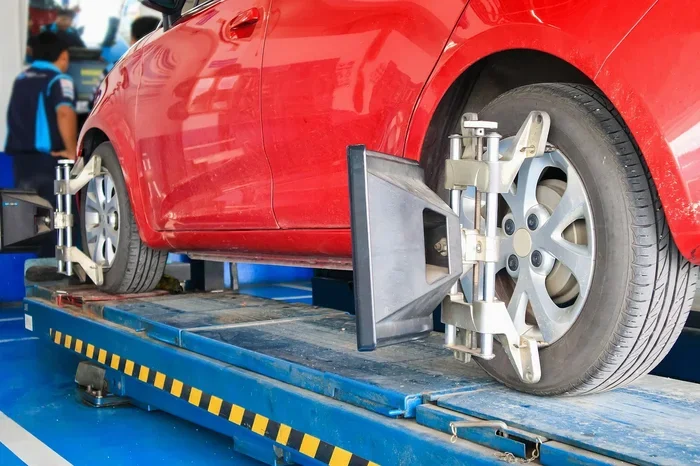
During an alignment service, a technician uses an alignment machine to measure the angles of each wheel. The machine attaches to the wheels using clamps and targets. It then reads the current angles and compares them to the manufacturer specifications.
The technician adjusts three key angles:
- Toe alignment: Whether the tires point inward or outward when viewed from above.
- Camber alignment: The inward or outward tilt of the tire when viewed from the front.
- Caster alignment: The forward or backward tilt of the steering axis when viewed from the side.
Each of these angles plays a specific role in how your car drives and how your tires wear. Getting all three adjusted correctly is what makes a proper alignment service so effective.
The Three Key Angles Explained
Toe alignment is the most common adjustment. If your toes point inward, it is called toe-in. If they point outward, it is toe-out. Even a small deviation can cause uneven tire wear and handling problems.
Camber alignment affects how much of your tire touches the road. Too much inward camber wears the outer edge of the tire. Too much outward camber wears the inner edge. This type of misalignment often happens after hitting a deep pothole or curb.
Caster alignment helps your steering return to center after a turn. It also contributes to straight-line stability. Most cars have positive caster, which means the steering axis tilts slightly toward the rear of the vehicle.
Why Wheel Alignment Matters
Some drivers ignore alignment issues for months or even years. That is a costly mistake. When your wheels are out of alignment, your tires scrub against the road instead of rolling smoothly. This creates a cascade of problems that affect your wallet and your safety.
Proper alignment extends tire life significantly. Tires that are correctly aligned can last 5,000 to 10,000 miles longer than misaligned tires. For a set of quality tires costing $600 or more, that is a serious savings.
Alignment also impacts your fuel economy. Misaligned wheels create more rolling resistance, which means your engine works harder and burns more fuel. Studies show that poor alignment can reduce gas mileage by up to 10 percent. Over a year of driving, that adds up to real money at the pump.
Most importantly, alignment affects safety. A car that pulls to one side requires constant correction from the driver. In an emergency, that extra effort can make a difference. Proper alignment gives you confidence and control behind the wheel.
Signs Your Wheels Are Out of Alignment
Knowing the symptoms of misalignment helps you catch problems early. Here are the most common signs:
- Your car pulls to the left or right on a flat road.
- Your steering wheel is off-center when driving straight.
- You notice uneven or rapid tire wear on one side.
- Your steering wheel vibrates or feels loose.
- Your tires squeal or make unusual noises while turning.
If you notice any of these symptoms, get an alignment check as soon as possible. The longer you wait, the more damage the misalignment causes to your tires and suspension components.
Car Wheel Alignment Cost Breakdown
The alignment cost for most passenger vehicles falls between $75 and $200. But this range is just the starting point. Several factors can push the price higher or keep it lower. Understanding these factors helps you know what to expect and avoid surprise bills.
Front-End vs Four-Wheel Alignment
The biggest factor in wheel alignment pricing is the type of service you need. Front-end alignment adjusts only the two front wheels. It is the most basic and affordable option.
Four-wheel alignment adjusts all four wheels. This service is more comprehensive and costs more, but it is essential for vehicles with independent rear suspension or all-wheel drive. Many modern cars, SUVs, and trucks require four-wheel alignment for optimal results.
Here is a quick comparison:
- Front-end alignment: $75 to $100 on average. Best for older vehicles with solid rear axles.
- Four-wheel alignment: $100 to $200 on average. Required for most modern cars, SUVs, and AWD vehicles.
- Thrust alignment: $80 to $120. A middle-ground option that checks all four wheels but adjusts only the front.
What Affects the Price
Several factors influence how much you will pay for car wheel alignment:
- Vehicle type: Luxury cars, performance vehicles, and large SUVs often cost more. Their suspension systems are more complex and require more time and expertise.
- Location: Alignment prices vary by region. Shops in urban areas or high-cost-of-living cities typically charge more than rural shops.
- Shop type: Dealerships usually charge more than independent shops or tire centers. Quick-lube shops may offer lower prices but sometimes use less experienced technicians.
- Additional repairs: If your suspension system has worn parts, the technician may need to replace components before performing the alignment. This adds to the total cost.
- Labor rates: Shop labor rates vary widely, from $75 per hour at budget shops to $150 or more at dealerships.
Average Alignment Costs by Vehicle Type
The type of vehicle you drive has a big impact on alignment cost. Here is a general breakdown:
- Compact cars and sedans: $75 to $120 for four-wheel alignment. These vehicles have simpler suspension systems, so the service takes less time.
- Mid-size sedans and minivans: $85 to $130. These vehicles fall in the middle of the price range.
- SUVs and light trucks: $100 to $175. Larger vehicles with heavier suspensions require more adjustments.
- Luxury and performance vehicles: $120 to $250. Brands like BMW, Mercedes, and Audi often require specialized equipment and trained technicians.
- Heavy-duty trucks: $150 to $300. Commercial vehicles and large pickups have the most complex alignment requirements.
These are general estimates. Your actual alignment service cost may differ based on your location and the specific shop you visit. Always ask for a quote before committing to the service.
When Alignment Costs More
Sometimes the basic alignment is not enough. Here are situations where you might pay more:
- After an accident or major impact: Severe pothole damage or a collision can bend suspension components. The technician may need to replace parts before aligning the wheels.
- Modified vehicles: Lift kits, lowered suspensions, or aftermarket parts can change alignment angles. These vehicles often need custom alignment settings.
- Vehicles with advanced suspension: Adaptive air suspension or electronic steering systems require specialized alignment procedures and equipment.
In these cases, the total cost can easily reach $300 or more. However, the investment is worth it for proper handling and tire longevity.
DIY vs Professional Alignment
Some car owners wonder if they can save money by doing the alignment themselves. The short answer is no. Professional alignment requires a precision alignment machine that costs thousands of dollars. These machines measure angles to fractions of a degree.
DIY alignment tools exist, but they are not accurate enough for modern vehicles. Even a small error in alignment can cause uneven tire wear within a few hundred miles. You could end up spending more on new tires than you saved on the alignment service.
Professional technicians also know how to identify underlying issues. A worn ball joint or a bent control arm can cause alignment problems that a simple adjustment cannot fix. A trained eye catches these issues before they become expensive repairs.
For the best results and safety, always trust a qualified professional for your wheel alignment needs. Look for shops with certified technicians and modern alignment equipment.
Quick Tips for Saving Money on Alignment
- Get aligned at a tire shop rather than a dealership. Tire centers often charge less for the same service.
- Ask about package deals. Many shops offer alignment discounts when you purchase a set of tires.
- Check for coupons and promotions online before visiting a shop.
- Get your alignment checked regularly. Catching small issues early prevents expensive repairs later.
- Avoid potholes and curbs whenever possible. These are the leading causes of misalignment.
How Often Should You Get an Alignment?
Most manufacturers recommend getting a wheel alignment check every 6,000 to 12,000 miles or at least once a year. However, your driving habits and road conditions play a big role in how often you actually need the service.
If you frequently drive on rough roads, hit potholes, or park on curbs, you may need alignment more often. City driving with lots of stop-and-go traffic also puts more stress on your suspension system.
Here are some general guidelines:
- Normal driving conditions: Alignment check every 12,000 miles or annually.
- Rough roads or harsh conditions: Alignment check every 6,000 miles.
- After new tires: Always get an alignment when you install new tires. This ensures even wear from day one.
- After suspension repairs: Any work on your suspension, steering, or tires should be followed by an alignment.
Some drivers never notice their wheels are out of alignment because the change happens gradually. That is why regular checks are so important. A quick alignment check takes about 15 minutes and can save you hundreds of dollars in premature tire replacement.
Common Mistakes That Mess Up Your Alignment
Understanding what causes misalignment helps you prevent it. Here are the most common culprits:
- Hitting potholes: This is the number one cause of misalignment. Even small potholes at low speeds can knock your wheels out of spec.
- Curb impacts: Parking too close to a curb and scraping it can damage alignment angles over time.
- Worn suspension parts: Ball joints, tie rod ends, and control arm bushings wear out with age. When they fail, alignment suffers.
- Modifications: Lift kits, lowering springs, and aftermarket wheels change the geometry of your suspension.
- Overloading the vehicle: Excess weight puts stress on suspension components and can alter alignment angles.
Being mindful of these causes can extend the time between alignment services and keep your tires wearing evenly.
Expert Insights
Experienced alignment technicians say that most drivers wait too long between alignment checks. By the time visible tire wear appears, the damage is already done. The tire tread on the affected side is often beyond saving.
Another common misconception is that alignment lasts forever. In reality, alignment shifts gradually over time. Normal driving, road conditions, and suspension wear all contribute to slow changes in alignment angles. Regular checks catch these shifts before they cause visible damage.
Technicians also emphasize the importance of choosing the right shop. Not all alignment services are created equal. A shop with a good reputation, calibrated equipment, and experienced technicians will deliver better results than a quick-lube place trying to upsell you on every visit.
Conclusion
Car wheel alignment cost is one of the most affordable car maintenance services you can invest in. For $75 to $200, you protect your tires, improve fuel economy, and enhance your driving safety. The cost of skipping alignment is far higher than the cost of getting it done.
Remember that wheel alignment is not a luxury service. It is a necessary part of regular car maintenance. Whether you drive a compact sedan or a heavy-duty truck, keeping your wheels properly aligned pays for itself many times over through longer tire life and better fuel economy.
Do not wait for obvious symptoms to appear. Schedule regular alignment checks, watch for early warning signs, and choose a reputable shop for your service. Your tires, your wallet, and your safety will all thank you.
The bottom line is simple: car wheel alignment cost is a small price to pay for peace of mind on the road. Make it a regular part of your vehicle care routine and enjoy the benefits of a properly aligned car.
Frequently Asked Questions
How long does a wheel alignment take?
A standard wheel alignment typically takes between 30 minutes and one hour. Four-wheel alignments may take slightly longer, especially for vehicles with complex suspension systems. Most shops can complete the service while you wait.
Can I drive with bad alignment?
You can drive with bad alignment, but you should not. Misaligned wheels cause uneven tire wear, reduce fuel efficiency, and compromise handling. Driving on misaligned wheels for extended periods can lead to premature tire failure and unsafe driving conditions.
Does insurance cover wheel alignment?
Most insurance policies do not cover wheel alignment because it is considered routine maintenance. However, if the misalignment resulted from an accident or collision, your insurance may cover the cost as part of the repair claim.
What is the difference between wheel alignment and wheel balancing?
Wheel alignment adjusts the angles of the wheels to match manufacturer specifications. Wheel balancing ensures the weight is evenly distributed around the tire and wheel assembly. Both services are important but serve different purposes in maintaining your vehicle.
Can potholes cause alignment problems?
Yes, potholes are one of the most common causes of misalignment. Even a single hard impact can shift your wheel angles out of specification. If you hit a deep pothole, it is wise to get your alignment checked soon after.
How can I tell if my alignment is still good?
The easiest way is to check your tire wear. Uneven wear on the inside or outside edges of your tires often signals misalignment. You can also check if your steering wheel is centered when driving straight on a level road. For a definitive answer, get a professional alignment check at a reputable shop.