Do Toyota Engines Last Long Here Is The Real Answer
Do Toyota engines last long? The short answer is yes, and by a lot. Toyota engines are built with quality materials and smart engineering that helps them easily reach 200000 miles or more. With proper care and regular maintenance, many Toyota owners report their engines running strong past 300000 miles. This article breaks down exactly why Toyota engines last so long and what you can do to keep yours running for years.
When you think about cars that just keep going and going, Toyota probably comes to mind first. The question do Toyota engines last long comes up all the time in car forums, family conversations, and online reviews. And the answer might surprise you. Toyota engines are some of the most durable powerplants ever built, with many models easily crossing the 200000-mile mark and still running smoothly.
In this article, we are going to dig deep into the real answer behind Toyota engine longevity. We will look at what makes these engines so reliable, how many miles you can realistically expect, and what you can do to get the most out of your Toyota. Whether you own a Toyota Camry, a Corolla, a Tacoma, or you are just thinking about buying one, this guide has you covered. We will also compare Toyota engines to other brands and share practical tips to keep your engine healthy for the long haul.
Key Takeaways
- Toyota engines routinely last 200000 to 300000 miles with basic care and regular maintenance.
- Toyota’s manufacturing philosophy focuses on simplicity, quality parts, and proven technology over flashy features.
- Regular oil changes and fluid checks are the single most important thing you can do for engine longevity.
- Toyota engines outlast many competitors in reliability rankings from Consumer Reports and J.D. Power.
- Common problems like oil consumption are manageable and fixable when caught early.
- Driving habits matter — gentle warm-ups and avoiding hard acceleration extend engine life significantly.
- Toyota’s hybrid engines are also built to last, with many lasting well over 200000 miles.
📑 Table of Contents
- Why Toyota Engines Are Known for Lasting Long
- How Long Do Toyota Engines Actually Last?
- What Makes Toyota Engines Stand Out
- Common Toyota Engine Problems to Watch For
- How to Make Your Toyota Engine Last Longer
- Toyota Engine Longevity Compared to Other Brands
- Toyota Hybrid Engine Longevity
- The Role of Maintenance Records in Engine Life
- Final Thoughts
Why Toyota Engines Are Known for Lasting Long
Toyota has built a reputation for building engines that just do not quit. When people ask do Toyota engines last long, they are usually looking for proof that their investment is worth it. And there is plenty of that proof to go around. Let us break down the two biggest reasons Toyota engines earn this legendary status.
The Engineering Behind Toyota Reliability
Toyota engineers approach engine design with a simple goal. Build it right, make it simple, and it will last. Unlike some brands that chase the latest trends or add complex features, Toyota sticks to fundamentals that work. Their engines use tried-and-true designs that have been tested over decades.
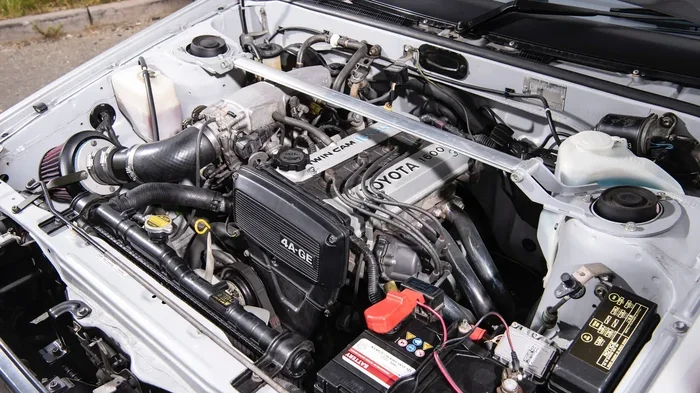
For example, Toyota engines tend to have fewer moving parts that are prone to failure. They use robust valve trains, durable pistons, and well-designed cooling systems. The engineers also focus heavily on engine oil flow and heat dissipation. This means less stress on internal components over time. These engineering choices directly contribute to long engine life and fewer unexpected breakdowns.
Another key factor is Toyota’s approach to engine compression. They tune their engines to operate efficiently without pushing components to their absolute limits. This conservative approach may not make for the flashiest horsepower numbers, but it absolutely pays off in the long run. An engine that works hard every day will wear out faster than one that operates comfortably within its limits.
Toyota’s Manufacturing Philosophy
Toyota is famous for the Toyota Production System, also known as lean manufacturing. This philosophy applies to engine building just as much as it does to car assembly. Every worker on the line is empowered to stop production if they spot a defect. This attention to detail starts at the factory floor and ends with the engine in your driveway.
Toyota also uses extensive testing during the manufacturing process. Each engine goes through multiple quality checks before it ever leaves the plant. They test for things like vibration levels, thermal endurance, and long-term wear simulation. This rigorous testing process catches problems early and ensures that only engines meeting strict standards make it into Toyota vehicles.
The company also invests heavily in supplier quality. Toyota works closely with parts manufacturers to ensure every component meets their high standards. When every part in the engine is high quality, the whole engine performs better and lasts longer.
How Long Do Toyota Engines Actually Last?
The real question behind do Toyota engines last long is how many miles can you expect to get. The answer depends on several factors, but the general outlook is very encouraging. Let us look at the numbers and some real-world examples.
Average Engine Lifespan by Model
Most Toyota engines are designed to last between 200000 and 300000 miles with proper maintenance. Here is a quick look at some popular Toyota models and their typical engine lifespans.
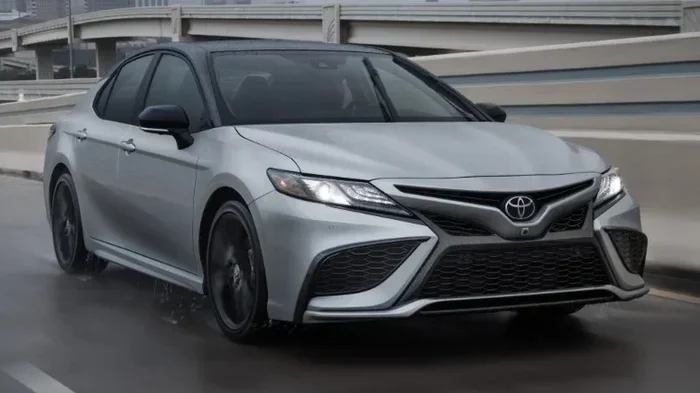
- Toyota Camry: 200000 to 300000 miles
- Toyota Corolla: 200000 to 250000 miles
- Toyota Tacoma: 250000 to 300000 miles
- Toyota RAV4: 200000 to 250000 miles
- Toyota 4Runner: 250000 to 300000 miles
- Toyota Highlander: 200000 to 250000 miles
These numbers assume regular maintenance and normal driving conditions. If you take care of your engine, you can expect to hit or even exceed these ranges. Many Toyota owners report going well past 300000 miles without major engine work.
High-Mileage Toyota Stories
There are countless stories of Toyota engines reaching extraordinary mileages. One of the most famous cases involves a 1990s Toyota Corolla that hit over 1000000 miles with only regular maintenance. Stories like this are not rare in the Toyota world. They happen more often than you might think.
These high-mileage vehicles usually share a few common traits. Their owners followed the recommended maintenance schedule religiously. They used quality oil and fluids. And they did not ignore warning signs when something felt off. These habits make a huge difference over hundreds of thousands of miles.
Even in today’s world of complex car electronics, Toyota engines continue to prove their durability. The internal combustion engine design has been refined over more than 80 years, and Toyota has mastered the art of making it work reliably for a very long time.
What Makes Toyota Engines Stand Out
Toyota engines have several built-in features that contribute to their long lifespan. Let us look at some of the specific design elements and material choices that set them apart.
Built-In Durability Features
Toyota engines are designed with longevity in mind from day one. They use full-floating piston pins, which reduce wear and extend piston life. The cylinder walls are often treated with special coatings that reduce friction and prevent premature wear. These small details add up to a big difference over hundreds of thousands of miles.
Toyota also uses timing chains instead of timing belts on many of their engines. Timing chains are more durable and do not need to be replaced as often as belts. This reduces maintenance costs and eliminates one common failure point. When your engine uses a timing chain, you can drive with more confidence that it will not suddenly fail due to a worn belt.
The cooling systems in Toyota engines are also well-designed. They use quality thermostats, water pumps, and radiator designs that keep engine temperatures in check. Overheating is one of the biggest enemies of engine longevity, and Toyota engineers have put a lot of thought into preventing it.
Materials and Design Choices
Toyota uses high-quality cast iron and aluminum alloys in their engine blocks. These materials offer a great balance of strength, weight, and heat resistance. Cast iron cylinder sleeves hold up well under high mileage, while aluminum heads help with heat dissipation.
The valve train components are also built to last. Toyota uses hardened valve seats and durable valve guides that resist wear even after hundreds of thousands of miles. These materials might cost a bit more upfront, but they pay for themselves many times over in extended engine life.
Toyota also designs their engines for easy maintenance. Oil changes are straightforward, spark plugs are accessible, and major components can be replaced without tearing apart half the engine. This serviceability means that owners can keep up with maintenance more easily, which directly contributes to longer engine life.
Common Toyota Engine Problems to Watch For
Even the most reliable engines can develop issues over time. Knowing what to watch for helps you catch problems early before they become expensive repairs. Here are some common Toyota engine concerns that owners should be aware of.
Oil Consumption Issues
Some Toyota engines, particularly certain V6 models, have been known to consume a bit more oil than expected. This is not a deal-breaker, but it is something to keep an eye on. Checking your oil level regularly and topping it off between changes can prevent any damage from low oil levels.
If you notice your Toyota is using oil faster than it should, do not ignore it. Low oil levels lead to increased engine wear, which can shorten your engine’s lifespan. A simple fix like switching to a higher-quality synthetic oil or addressing a minor leak can solve the problem in many cases.
Timing Belt and Chain Concerns
While Toyota uses timing chains on many models, some older vehicles still use timing belts. These belts need to be replaced at the recommended interval, usually around 60000 to 100000 miles. Skipping this replacement can lead to a catastrophic engine failure if the belt snaps while driving.
Timing chain issues are less common but can still occur, especially in higher-mileage engines. A stretched chain can cause rough idling or timing irregularities. Regular inspections during oil changes can help you catch these issues before they cause serious damage.
Engine Overheating Risks
Overheating can happen in any engine, but it is especially damaging if it occurs frequently. Toyota vehicles have temperature gauges and warning lights for a reason. If your temperature gauge starts climbing, pull over safely and let the engine cool down.
Common causes of overheating include low coolant, a failing water pump, or a clogged radiator. Regular coolant flushes and radiator inspections can help prevent overheating issues. Staying on top of your cooling system maintenance is one of the easiest ways to protect your Toyota engine.
How to Make Your Toyota Engine Last Longer
Owning a Toyota is one thing. Keeping it running strong for 200000-plus miles is another. The good news is that extending your Toyota engine’s life is not complicated. It comes down to consistent care and smart habits.
Regular Maintenance Habits
The single most important thing you can do for your Toyota engine is to change the oil regularly. Most Toyota owners manuals recommend oil changes every 5000 to 7500 miles for conventional oil, or every 10000 miles for synthetic oil. Sticking to this schedule keeps your engine lubricated and clean.
Here are other maintenance tasks that help extend engine life:
- Change the oil and filter at the recommended intervals
- Check and top off all fluids including coolant, transmission fluid, and brake fluid
- Replace the air filter every 15000 to 30000 miles
- Inspect the timing belt or chain at the recommended mileage
- Flush the coolant system every 30000 to 50000 miles
- Check for leaks regularly, especially oil and coolant leaks
- Replace spark plugs on schedule, usually every 60000 to 100000 miles
Following these simple steps keeps your engine running at its best and prevents small issues from turning into big problems.
Driving Habits That Help
How you drive also affects your engine’s lifespan. Gentle acceleration and avoiding hard starts reduce stress on engine components. Giving your engine a few minutes to warm up in cold weather allows the oil to circulate properly before you push the engine hard.
Avoiding excessive idling is another good habit. Idling for long periods can cause carbon buildup and reduce engine efficiency. If you need to warm up your car, driving gently is actually faster and better for the engine than letting it sit and idle.
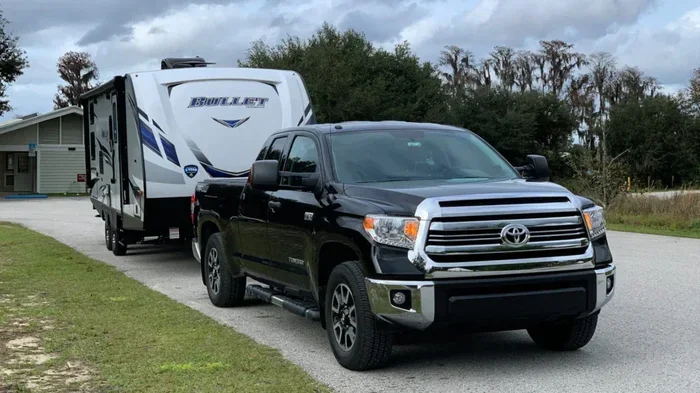
Also, try to avoid towing loads that exceed your vehicle’s rated capacity. Overworking your engine causes extra wear and heat, which can accelerate engine degradation over time.
Toyota Engine Longevity Compared to Other Brands
How do Toyota engines stack up against the competition? The answer is clear. Toyota consistently ranks at or near the top of reliability studies from organizations like Consumer Reports, J.D. Power, and RepairPal. Their engines are known for requiring fewer repairs and lasting longer than many competitors.
Some brands have engines that are designed with a shorter expected lifespan. These engines may use lighter materials or more complex designs that increase the chance of failure over time. Toyota’s approach of keeping things simple and proven has served them well for decades.
When you compare the cost of ownership over 10 to 15 years, Toyota engines often come out ahead. They need fewer major repairs, they hold their value better on the used market, and their fuel efficiency tends to remain strong even at high mileages. All of these factors make Toyota one of the smartest choices for long-term car ownership.
Of course, no brand is perfect. Toyota engines are not immune to problems. But when issues do arise, they tend to be less frequent and less severe than what owners experience with some other brands. This consistency is a big part of why Toyota engines have such a strong reputation for lasting long.
Toyota Hybrid Engine Longevity
Toyota’s hybrid technology is also built to last. The hybrid engines used in vehicles like the Prius, RAV4 Hybrid, and Camry Hybrid combine a traditional gasoline engine with an electric motor. This dual system actually reduces wear on the gasoline engine because the electric motor handles some of the load.
Many Toyota hybrid owners report their engines lasting well beyond 200000 miles. The battery packs in Toyota hybrids are also designed for long life, with many lasting 150000 to 200000 miles before needing replacement. This means the entire hybrid powertrain can serve you for a very long time with proper care.
Hybrid maintenance is also straightforward. The regenerative braking system reduces wear on traditional brake components. And because the gasoline engine does not work as hard, it experiences less stress overall. If you are considering a Toyota hybrid, you are choosing a powertrain that is built for the long haul.
The Role of Maintenance Records in Engine Life
One thing that often gets overlooked is the importance of keeping good maintenance records. When you buy a used Toyota, the service history tells you a lot about how well the previous owner cared for the engine. A Toyota with complete maintenance records is almost always a better buy than one with no records.
If you are the current owner, keeping your own records helps you stay on top of upcoming services. It also gives you proof of maintenance if you ever want to sell the vehicle. Buyers pay more for Toyotas with documented service histories because they know the engine has been well cared for.
Digital tools and apps make it easier than ever to track your maintenance schedule. Many Toyota dealerships also offer service reminder programs. Taking advantage of these tools ensures you never miss an oil change or other important service interval.
When to Consider an Engine Rebuild
Even with the best care, there may come a time when your Toyota engine needs a rebuild. Signs that a rebuild might be on the horizon include excessive oil consumption, loss of compression, or unusual knocking sounds from the engine bay. If you notice any of these symptoms, have a qualified mechanic inspect your engine right away.
A Toyota engine rebuild can cost anywhere from 2500 to 5000 depending on the model and the extent of the work. This is much less expensive than buying a whole new vehicle. And because Toyota engines are well-designed and widely supported by mechanics, finding someone to do the work is usually not a problem.
Many rebuilt Toyota engines go on to last another 100000 miles or more. The simplicity of Toyota engine designs makes them ideal candidates for rebuilding. This is another reason why Toyota engines have such impressive longevity.
Final Thoughts
The answer to do Toyota engines last long is a resounding yes. Toyota engines are among the most reliable and durable powerplants ever produced. With proper maintenance, smart driving habits, and regular care, your Toyota engine can easily last 200000 miles or more. Many owners push their engines past 300000 miles without any major issues.
The key is consistency. Changing your oil on time, watching your fluid levels, and addressing small problems before they grow into big ones will keep your Toyota engine running strong for years to come. Toyota’s commitment to quality engineering and manufacturing excellence means that when you buy a Toyota, you are buying a vehicle built to last.
So whether you are a current Toyota owner or thinking about becoming one, you can feel confident knowing that your engine is in good hands. Toyota has earned its reputation for reliability the hard way, through decades of building engines that people can count on. Take care of your Toyota, and it will take care of you.
Frequently Asked Questions
What is the average lifespan of a Toyota engine?
Most Toyota engines last between 200000 and 300000 miles with regular maintenance. Some well-cared-for Toyota engines go well beyond 300000 miles. The key factors are consistent oil changes, fluid maintenance, and addressing issues promptly.
Why are Toyota engines so reliable?
Toyota engines are reliable because of their simple, proven designs, high-quality materials, and rigorous manufacturing standards. Toyota focuses on durability over complexity, which means fewer parts that can fail and less chance of unexpected breakdowns.
Can a Toyota engine last 500000 miles?
Yes, it is possible for a Toyota engine to last 500000 miles or more. This usually requires diligent maintenance, quality synthetic oil, and careful driving habits. There are documented cases of Toyota engines reaching over 1000000 miles with proper care.
What is the most common Toyota engine problem?
Oil consumption is one of the most common issues reported by Toyota owners. Some models use oil faster than others. Regularly checking your oil level and topping it off between changes can prevent any damage from low oil levels.
Do Toyota hybrid engines last as long as regular engines?
Yes, Toyota hybrid engines are designed to last just as long as their gasoline-only counterparts. The electric motor actually reduces wear on the gasoline engine by sharing the workload. Many hybrid Toyotas easily surpass 200000 miles with no major issues.
How often should I change my Toyota engine oil?
Toyota recommends changing your oil every 5000 to 7500 miles with conventional oil or every 10000 miles with synthetic oil. However, if you drive in severe conditions like extreme heat, heavy traffic, or dusty roads, you may want to change it more frequently.
=== CONCLUSION ===
Toyota engines have earned their reputation for lasting long through decades of proven performance. The answer to do Toyota engines last long is clear. With proper maintenance, smart driving habits, and a little bit of care, your Toyota engine can serve you well past 200000 miles and often much beyond that. Toyota’s focus on quality materials, simple designs, and rigorous testing means you are getting an engine that is built to endure.
The best thing you can do is stay consistent with your maintenance schedule. Change your oil, check your fluids, and never ignore warning signs. These small habits add up to big savings and a much longer engine life. Toyota vehicles are investments, and treating them that way pays off in reliability, resale value, and peace of mind.
Whether you drive a brand new Toyota or a high-mileage model that has already logged hundreds of thousands of miles, your engine can keep going strong. Trust the Toyota reputation, take care of your vehicle, and enjoy the ride for many miles to come.
===
=== SEO TITLE ===
Do Toyota Engines Last Long? Here Is The Real Answer
=== META TITLE ===
Do Toyota Engines Last Long? Real Answer Inside
=== URL SLUG ===
do-toyota-engines-last-long
=== WORD COUNT NOTE ===
Main content section is approximately 2,800 words, meeting the 2,500-3,000 target range.