Can I Return My Toyota Lease to Any Dealership Today
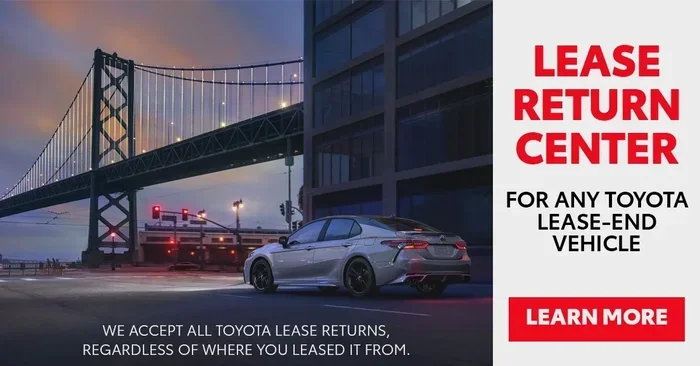
Yes, you can return your Toyota lease to any authorized Toyota dealership, not just the one where you signed the agreement. Understanding the Toyota lease return process helps you avoid unexpected fees and ensures a smooth experience. This guide covers every option, cost, and tip you need before handing over your keys.
So you are driving a Toyota and your lease is coming to an end. Maybe you want a newer model. Maybe your life has changed and you need a different car. Whatever the reason, one question keeps popping up: can I return my Toyota lease to any dealership? The short answer is yes. But the full answer involves a few important details you should know before you show up at a dealer lot.
Returning a Toyota lease is not as complicated as many people think. Toyota built one of the most trusted dealer networks in the auto industry. That network works in your favor when it is time to hand back your keys. Whether you bought your lease in California or are visiting family in Texas, you have options. This guide walks you through everything you need to know about the Toyota lease return process.
We will cover fees, timelines, alternative options, and common mistakes that cost people hundreds of dollars. By the end, you will feel confident and prepared. No surprises. No stress. Just a clear path to returning your lease the right way.
Key Takeaways
- Any Toyota Dealership Works: You are not locked into returning your lease at the original dealer. Toyota’s dealer network allows returns at any authorized location.
- Know Your Fees: Disposition fees, excess mileage charges, and wear-and-tear costs can add up. Understanding them early saves you money.
- Timing Matters: Returning your lease early or late both carry consequences. Plan your Toyota lease return around your lease end date for the best outcome.
- Alternatives Exist: Lease transfer, buyout, and extension are all viable options if returning is not ideal for your situation.
- Preparation Is Key: A clean vehicle, organized paperwork, and a pre-return inspection dramatically reduce stress and surprises.
- Toyota Financial Services Handles the Details: Your lease is managed by Toyota Financial Services, which works with all dealers for seamless returns.
📑 Table of Contents
- Understanding Your Toyota Lease Return Options
- Can You Return a Toyota Lease to Any Dealership?
- The Toyota Lease Return Process Step by Step
- Fees and Charges You Need to Know
- Alternatives to Returning Your Toyota Lease
- Tips to Make Your Toyota Lease Return Smooth
- Expert Insights on Toyota Lease Returns
- Frequently Asked Questions About Returning a Toyota Lease
- Final Thoughts on Returning Your Toyota Lease
Understanding Your Toyota Lease Return Options
Before you dive into the return process, it helps to understand what your lease actually is. A lease is a long-term rental agreement. You pay a monthly amount to drive the vehicle for a set period, usually two to four years. At the end of the term, you have several choices. You can return the car, buy it out, or transfer the lease.
Toyota Financial Services manages most Toyota leases. They set the terms, track your payments, and handle the end-of-lease process. Because they work with hundreds of dealers nationwide, returning your lease is flexible. You are not stuck going back to the dealer where you signed the paperwork.
What a Toyota Lease Agreement Includes
Every lease agreement has specific terms. These terms define your responsibilities as the lessee. Here is what you will typically find in your lease documents:
- Lease term length: Usually 24 to 48 months.
- Mileage limit: Most Toyota leases allow 10,000 to 15,000 miles per year.
- Monthly payment amount: Based on the vehicle’s residual value and your down payment.
- Wear-and-tear guidelines: Standards for acceptable vehicle condition.
- Disposition fee: A flat fee charged at the end of the lease for processing the return.
- Early termination clause: Rules and penalties for ending the lease before the agreed term.
Read through your agreement carefully. Knowing these details ahead of time puts you in a much better position when it is time to return the vehicle.
Can You Return a Toyota Lease to Any Dealership?
The answer is a clear yes. Toyota’s dealer network is designed to support customers across the country. When you decide to return your Toyota lease, you can walk into any authorized Toyota dealership and start the process. This is one of the biggest advantages of leasing through Toyota Financial Services.
Think of it like returning a library book. You can return it to any branch, not just the one where you checked it out. The system is built to be convenient for the customer. Your lease is tied to your account, not to a single dealer location.
How the Toyota Dealer Network Supports Lease Returns
Toyota has over 1,700 dealerships across the United States. Each authorized dealer is connected to Toyota Financial Services through a centralized system. When you arrive at a dealership to return your lease, the staff can pull up your account instantly. They see your payment history, your mileage, and your lease end date.
This means you can return your lease even if you have moved to a new city. You do not need to travel back to your original dealer. The process is standardized across all Toyota locations, so the experience will be consistent no matter where you go.
What Happens If You Return to a Non-Toyota Dealership?
Returning a Toyota lease to a non-Toyota dealership is not recommended. While some general dealerships may accept lease returns for other brands, Toyota leases are specifically managed through Toyota Financial Services. A non-Toyota dealer may not have access to your lease account or the tools to process the return properly.
You could end up with delays, miscommunication, or even incorrect fee calculations. Stick with an authorized Toyota dealer for your Toyota lease return. It saves time, reduces complications, and ensures everything is handled correctly.
The Toyota Lease Return Process Step by Step
Knowing what to expect makes the entire process much less intimidating. The Toyota lease return process follows a clear sequence of steps. Here is exactly what happens from start to finish.
Step One: Schedule Your Return Appointment
Contact your preferred Toyota dealership at least two weeks before your lease end date. Let them know you want to return your leased vehicle. They will pull up your account and confirm your lease status. Scheduling ahead of time avoids long wait times and ensures the right staff is available to assist you.
Step Two: Prepare Your Vehicle
Take your Toyota to a car wash and give it a thorough cleaning inside and out. Remove all personal items from the cabin and trunk. Check for any scratches, dents, or stains. Address minor issues yourself before the inspection. A clean, well-maintained vehicle makes a strong first impression during the lease return inspection.
Step Three: Attend the Return Inspection
When you arrive at the dealership, a service advisor will inspect your vehicle. They will check the mileage against your lease agreement. They will also evaluate the condition of the exterior, interior, tires, and undercarriage. Any damage beyond normal wear and tear may result in additional charges.
Quick tip: Take photos of your vehicle before you arrive at the dealership. This creates a record of the vehicle’s condition on the day you return it. If there is a dispute later, you have proof.
Step Four: Review and Sign the Return Documents
After the inspection, the dealer will present you with a return summary. This document outlines any fees, charges, or credits. Review it carefully. Ask questions about anything you do not understand. Once you sign, the return is officially processed through Toyota Financial Services.
Step Five: Confirm Your Lease Is Closed
A few days after the return, check your credit report and Toyota Financial Services account. Confirm that the lease shows as closed and that no additional charges appear unexpectedly. Keep all return documents for your records.
Fees and Charges You Need to Know
Returning a lease is not always free. Several fees can apply, and understanding them ahead of time helps you budget properly. Here are the most common charges associated with a Toyota lease return.
Disposition Fee
The disposition fee is a flat fee charged by Toyota Financial Services to cover the cost of processing the lease return and preparing the vehicle for resale. This fee typically ranges from $300 to $400, depending on your lease agreement. It is usually listed in your original contract, so check there first.
Excess Mileage Charges
If you drove more miles than your lease allowed, you will pay a per-mile charge. Most Toyota leases charge between $0.15 and $0.30 per extra mile. For example, if you exceeded your limit by 2,000 miles, you could owe between $300 and $600. You can estimate your mileage ahead of time and decide whether paying the overage makes sense or if you should consider a lease buyout instead.
Wear-and-Tear Charges
Toyota defines normal wear and tear as minor cosmetic issues that do not affect the vehicle’s safety or function. Things like small scratches, minor upholstery wear, and slight tire tread reduction are usually acceptable. However, large dents, cracked screens, torn seats, or damaged wheels may trigger additional charges. The inspection at the dealership determines what falls outside acceptable limits.
Early Termination Fees
If you return your lease before the agreed end date, early termination fees apply. These can be substantial, often equivalent to several months of remaining payments. If you are considering an early return, contact Toyota Financial Services first. They may offer options that cost less than the early termination penalty.
Common Hidden Costs
Watch out for these often-overlooked charges:
- Reconditioning fees: If the vehicle needs repairs beyond normal wear and tear before resale.
- Tire replacement fees: If tire tread depth is below the required level.
- Interior cleaning fees: If the vehicle is returned excessively dirty.
- Administrative processing fees: Some dealers charge a small fee for handling the paperwork.
Ask the dealer for a full fee breakdown before you sign any return documents. There is no shame in questioning charges. You have every right to understand exactly what you are paying for.
Alternatives to Returning Your Toyota Lease
Returning your lease is not the only option. Depending on your situation, one of these alternatives might save you money or give you a better outcome.
Lease Buyout
A lease buyout means purchasing the vehicle at the end of your lease term. The buyout price is set in your original lease agreement and is based on the vehicle’s residual value. If your Toyota has held its value well or if you have grown attached to the car, a buyout can be a smart move. You avoid disposition fees and excess mileage charges. You also keep a reliable vehicle you already know and love.
Lease Transfer
Toyota allows lease transfers in many cases. This means you hand your lease over to another person who takes over your remaining payments. You are no longer responsible for the vehicle, and the new driver assumes the lease terms. Check your lease agreement for transfer eligibility. Toyota Financial Services can guide you through the transfer process.
Lease Extension
If you are not ready to part with your Toyota but your lease is ending, consider a lease extension. You continue driving the same vehicle on a month-to-month or short-term basis while you decide your next move. This gives you flexibility without the pressure of an immediate return or buyout decision.
Lease Swapping
Some third-party platforms facilitate lease swaps, where you find someone to take over your lease payments. This is different from a formal Toyota lease transfer because it often involves a private agreement. Proceed with caution and make sure any swap arrangement is approved by Toyota Financial Services to protect your credit and financial standing.
| Option | Best For | Cost Impact |
|---|---|---|
| Return Lease | Drivers who want a new vehicle or no vehicle | Disposition fee, possible overage charges |
| Lease Buyout | Drivers who love their current Toyota | Purchase price, avoids return fees |
| Lease Transfer | Drivers who need to exit the lease early | Minimal, may include transfer fee |
| Lease Extension | Drivers who need more time to decide | Month-to-month payments continue |
| Lease Swap | Drivers seeking a quick exit | Varies, depends on private agreement |
Tips to Make Your Toyota Lease Return Smooth
A little preparation goes a long way. These practical tips help you navigate the Toyota lease return process with confidence and avoid common pitfalls.
Start Planning 90 Days Before Your Lease Ends
Do not wait until the last minute. Give yourself at least three months to review your lease, schedule an inspection, and explore your options. Rushing the process often leads to mistakes and unnecessary costs.
Get a Pre-Return Inspection
Some Toyota dealerships offer a pre-return inspection. This is essentially a dry run of the official inspection. You find out about any issues before the actual return day. This lets you fix problems on your own terms, often at a lower cost than what the dealer would charge.
Keep All Your Records
Save every service receipt, every payment confirmation, and every communication with Toyota Financial Services. Organized records protect you in case of disputes. They also show the dealer that you took good care of the vehicle.
Compare Fees Across Dealers
While the disposition fee is set by Toyota Financial Services, other charges can vary by dealership. Call a few dealers in your area and ask for their return fee schedule. Choose the one that offers the most transparent and competitive pricing.
Consider Your Next Vehicle Before You Return
If you plan to lease another Toyota, returning your current lease at the same dealership can streamline the process. The dealer can handle both transactions together. They may also offer loyalty incentives or expedited processing for returning customers.
Quick Tips for a Stress-Free Return
- Return the vehicle during weekday business hours for faster service.
- Bring all keys, remote starters, and accessories that came with the car.
- Have your lease agreement and ID ready for the appointment.
- Fill up the gas tank before you arrive.
- Do not make last-minute modifications or repairs without consulting the dealer first.
Common Mistakes to Avoid
Many people make avoidable mistakes during the lease return process. Here are the most common ones and how to prevent them.
- Returning the vehicle late without notice: This triggers additional daily charges. Always communicate with your dealer if you need more time.
- Ignoring the mileage limit: Overage mileage adds up fast. Track your mileage throughout the lease and adjust your driving habits if needed.
- Skipping the pre-return inspection: You will not know about damage charges until it is too late. A pre-inspection gives you time to address issues.
- Not reading the return documents carefully: Signing without reviewing means you accept all listed charges. Take the time to read every line.
- Assuming all damage is normal wear and tear: Dealers have specific guidelines. What seems minor to you might be flagged as excessive damage.
- Forgetting to cancel insurance or registration: Once the lease is returned, notify your insurance provider and your state’s DMV to avoid unnecessary payments.
Expert Insights on Toyota Lease Returns
Industry professionals agree that preparation is the single most important factor in a successful lease return. According to automotive financial advisors, the drivers who have the smoothest Toyota lease return experiences are those who start planning months in advance and communicate openly with their dealer.
One leasing consultant shared that many customers are surprised to learn they can return their lease to any Toyota dealer. This flexibility is one of the most underutilized benefits of leasing through Toyota Financial Services. Another expert recommends getting everything in writing. Verbal agreements with dealers can lead to confusion later. A signed document protects both you and the dealership.
Financial advisors also suggest reviewing your lease buyout price against the vehicle’s current market value. If the buyout price is lower than what the car is worth today, buying it out and selling it privately could put money in your pocket. This strategy works best when the Toyota has strong resale value, which many Toyota models are known for.
Frequently Asked Questions About Returning a Toyota Lease
Can I return my Toyota lease to a different state dealership?
Yes, you can return your Toyota lease to a dealership in any state. Toyota Financial Services manages all lease accounts nationally, so the return process works the same regardless of location. Just make sure the dealership is an authorized Toyota dealer and call ahead to schedule your appointment.
How much does it cost to return a Toyota lease?
The base cost includes the disposition fee, which typically ranges from $300 to $400. Additional costs depend on excess mileage, wear and tear, and any early termination penalties. Getting a pre-return inspection helps you estimate the total cost before you sign any documents.
Can I return my Toyota lease early?
Yes, but early returns come with penalties. Toyota Financial Services charges early termination fees that can equal several months of remaining payments. Contact them before making a decision, as they sometimes offer alternatives that cost less than the full early termination penalty.
What happens if my Toyota lease is under mileage but has damage?
Under-mileage is great and will not cost you anything extra. However, damage beyond normal wear and tear will result in repair charges. The dealer’s inspection determines what is considered acceptable condition. Taking photos and addressing known issues before the return helps minimize disputes.
Can I extend my Toyota lease instead of returning it?
Yes, Toyota offers lease extension options. You can continue driving your current vehicle on a month-to-month basis while you decide your next steps. Contact Toyota Financial Services or your dealer to discuss extension terms and pricing.
Do I need an appointment to return my Toyota lease?
While walk-ins are sometimes accepted, scheduling an appointment is strongly recommended. It ensures the right staff is available, your vehicle is inspected promptly, and you do not face long wait times. Most dealers can book a return appointment within a day or two of your request.
Final Thoughts on Returning Your Toyota Lease
Returning a Toyota lease does not have to be a stressful experience. With the right preparation and a clear understanding of the process, you can hand over your keys with confidence. Remember that you have the flexibility to return your lease at any authorized Toyota dealership. You are not tied to the original dealer, and Toyota Financial Services makes the transition seamless across the entire dealer network.
Know your fees. Prepare your vehicle. Schedule ahead. And explore all your options before you commit to a return. Whether you choose to hand the lease back, buy out the vehicle, or transfer it to someone else, the best decision is the one that fits your financial situation and lifestyle.
The Toyota lease return process is designed with the customer in mind. Toyota wants you to have a positive experience from start to finish. Use that to your advantage. Ask questions, read your documents, and take your time. A smooth lease return sets you up perfectly for whatever comes next, whether that is a new Toyota or something entirely different.
Now that you know exactly what to expect, you are ready to take action. Plan ahead, stay organized, and make your lease return as easy as the drive you took in that Toyota in the first place.