Does Toyota Pay Weekly Here Is What You Should Know
So, does Toyota pay weekly? The short answer is no — most Toyota employees receive a biweekly paycheck. Understanding Toyota pay frequency helps you plan your budget and manage your finances better. Whether you work at a Toyota plant, dealership, or corporate office, knowing your pay schedule matters.
So you are wondering, does Toyota pay weekly? This is a question that comes up a lot, especially among job seekers and new hires. The answer is not as simple as a yes or no. Toyota is a massive global company, and how they handle payroll depends on several factors. Your role, location, and employment type all play a part.
In this article, we will break down everything you need to know about Toyota pay frequency. We will look at how the payroll system works, what to expect as a new employee, and how Toyota compensation compares to other automakers. By the end, you will have a clear picture of what to expect.
Let us dive right in and explore the world of Toyota pay schedules together.
Key Takeaways
- Toyota primarily pays biweekly: Most employees receive paychecks every two weeks, not weekly.
- Pay frequency varies by role: Some positions, especially at dealerships, may have different schedules.
- Direct deposit is standard: Toyota offers direct deposit for all eligible employees.
- Overtime and bonuses are common: Hourly workers often earn overtime pay and performance bonuses.
- Dealership pay differs from corporate: Independent dealerships may set their own pay schedules.
- Knowing your pay schedule helps with budgeting: Planning around a biweekly cycle is easier once you understand the system.
📑 Table of Contents
- Understanding Toyota Pay Frequency
- How Toyota Payroll Works for Employees
- Does Toyota Pay Weekly for All Positions
- Toyota Pay Compared to Other Automakers
- Tips for Managing Your Toyota Paycheck
- Common Mistakes People Make With Toyota Pay
- Expert Insights on Toyota Pay Structure
- Key Takeaways on Toyota Pay
- Conclusion
Understanding Toyota Pay Frequency
When people ask does Toyota pay weekly, they are really asking about the pay cycle. Pay frequency refers to how often an employer issues paychecks. Some companies pay weekly, others pay biweekly, and still others pay monthly. Toyota falls mostly into the biweekly category.
This means employees get paid every two weeks. That is 26 paychecks per year. Some companies pay 24 times a year with a semimonthly schedule. But Toyota stick with biweekly for most roles.
Why Does Pay Frequency Matter?
Pay frequency affects your cash flow. If you are used to getting paid every week, switching to biweekly can feel like a big change. You need to plan your bills and expenses around a longer pay cycle.
Here are a few reasons why pay frequency matters:
- Budget planning: You need to know when money is coming in.
- Bill payments: Rent, utilities, and loans often come with monthly due dates.
- Savings habits: Knowing your paycheck schedule helps you save consistently.
- Financial stress: Uncertainty about pay dates can cause unnecessary worry.
Understanding Toyota pay frequency helps you avoid financial surprises. It also helps you set realistic expectations from day one of your employment.
How Toyota Payroll Works for Employees
Toyota uses a structured payroll system. Most employees receive their pay through direct deposit. This means the money goes straight into your bank account on payday. No waiting for a check to clear. No trips to the bank.
The payroll team at Toyota processes payments on a set schedule. Paydays typically fall on a specific day of the week, every other week. For example, many Toyota employees get paid every other Friday.
What About New Hires?
If you just joined Toyota, you might wonder when your first paycheck arrives. New hires usually start on a set date, and your first paycheck comes after your first pay period ends. This can mean waiting up to three weeks for that first check.
Do not panic if this happens. It is standard across most large employers. Here is what to expect:
- Week 1: You work your first days. The payroll system records your hours.
- Week 2: You continue working. The pay period closes at the end of the second week.
- Week 3: You receive your first paycheck for the first two weeks of work.
This timeline is normal for biweekly pay schedules. Once you understand the rhythm, it becomes easy to manage.
Direct Deposit and Pay Stubs
Toyota offers direct deposit as the primary payment method. You will need to provide your bank account details during onboarding. The payroll team processes everything electronically.
Each paycheck comes with a pay stub. This document shows your gross pay, deductions, and net pay. You can access pay stubs online through the employee portal. Keeping track of these is important for tax purposes and personal budgeting.
Does Toyota Pay Weekly for All Positions
Here is where things get interesting. The answer to does Toyota pay weekly depends heavily on your position. Not all Toyota employees follow the same pay schedule.
Hourly Workers and Assembly Plant Employees
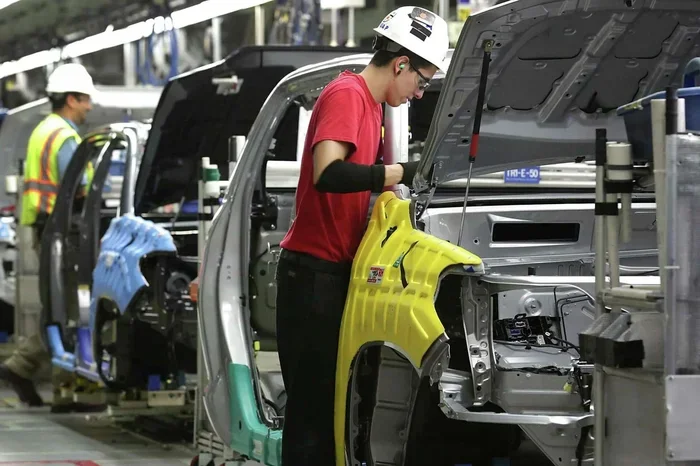
Most hourly workers at Toyota manufacturing plants follow a biweekly pay schedule. These employees track their hours through a timekeeping system. Overtime hours are calculated and paid accordingly.
Toyota assembly plant workers typically earn competitive hourly wages. The pay rate depends on the role, experience level, and location. Some common positions include:
- Assembly line technician: Responsible for building vehicle components.
- Quality inspector: Checks products for defects and ensures standards.
- Material handler: Moves parts and supplies throughout the facility.
- Machine operator: Operates manufacturing equipment and machinery.
These roles usually pay biweekly. Some temporary or contract workers may have different arrangements, though.
Salaried Employees and Corporate Staff
Salaried employees at Toyota also follow a biweekly pay cycle. Their annual salary is divided across the pay periods. This means each paycheck is a consistent amount, regardless of hours worked.
Corporate roles include positions in engineering, finance, marketing, and human resources. These employees typically work standard office hours. Their compensation package often includes benefits beyond the base salary.
Dealership Employees
This is an important distinction. Toyota dealerships are often independently owned. That means the pay schedule can vary from one dealership to another. Some dealerships pay weekly. Others pay biweekly or semimonthly.
If you work at a Toyota dealership, you should ask about the pay schedule during the hiring process. Do not assume it will match the factory schedule. Independent dealerships set their own policies.
Here is a quick comparison:
| Position Type | Typical Pay Frequency | Payment Method |
|---|---|---|
| Factory Hourly Worker | Biweekly | Direct Deposit |
| Salaried Corporate Employee | Biweekly | Direct Deposit |
| Dealership Salesperson | Varies by Dealer | Direct Deposit or Check |
| Temporary/Contract Worker | Varies | Varies |
| Intern or Co-op | Monthly or Biweekly | Direct Deposit |
As you can see, the pay frequency is not one-size-fits-all. Always confirm the schedule before accepting a position.
Toyota Pay Compared to Other Automakers
How does Toyota pay stack up against other automakers? This is a fair question, especially if you are weighing job offers. Let us look at how Toyota compensation compares to the industry.
Pay Frequency Across Automakers
Most major automakers follow a biweekly pay schedule. Ford, GM, Honda, and Nissan all pay their employees every two weeks. Toyota fits right in line with industry standards.
Some smaller manufacturers or specialty companies might pay weekly. But for the big players, biweekly is the norm. This consistency makes it easier for workers to plan their finances.
Starting Pay and Wage Rates
Toyota starting pay is competitive within the automotive industry. Entry-level positions at Toyota plants typically offer wages that compare favorably to competitors. Benefits packages also play a big role in overall compensation.
Here are some factors that influence Toyota pay rates:
- Location: Plants in different states may offer different wages.
- Role: Skilled positions pay more than entry-level roles.
- Experience: Previous experience in manufacturing boosts starting pay.
- Union membership: Some Toyota facilities are unionized, which affects wages.
When considering a job at Toyota, look at the full compensation picture. Base pay is important, but benefits, bonuses, and job stability matter too.
Tips for Managing Your Toyota Paycheck
Living on a biweekly pay schedule takes a little planning. Here are some practical tips to help you manage your money wisely.
Create a Biweekly Budget
Since you get paid every two weeks, your budget should align with that cycle. List your fixed expenses and assign them to specific pay periods. This prevents overspending and keeps your finances on track.
Try this simple approach:
- Write down all your monthly bills.
- Divide them across your pay periods.
- Set aside money for groceries and essentials.
- Put any remaining funds into savings.
Take Advantage of Direct Deposit
Direct deposit is fast, safe, and convenient. You do not need to worry about losing a check or visiting a bank to cash it. The money appears in your account on payday.
Most Toyota employees set up direct deposit during onboarding. If you have not done so yet, reach out to the payroll team. It is one of the easiest ways to streamline your finances.
Track Your Overtime
If you work hourly, overtime can significantly boost your income. Toyota pays overtime for hours worked beyond the standard schedule. Keep accurate records of your hours to ensure you are paid correctly.
Quick tip: Review your pay stub every cycle. Look for errors in hours, overtime, or deductions. Catching mistakes early saves headaches later.
Build an Emergency Fund
A biweekly pay schedule means fewer paychecks per month than some people expect. An emergency fund helps bridge the gap during unexpected expenses. Aim to save at least three to six months of living costs.
Even small contributions add up over time. Start with whatever you can afford and increase it gradually.
Common Mistakes People Make With Toyota Pay
There are a few common pitfalls that employees face. Being aware of these can save you time and money.
Assuming All Toyota Positions Pay the Same
Not every Toyota role follows the same pay schedule. Dealership workers, contractors, and temporary employees may have different arrangements. Always confirm the details before you start.
Forgetting About Pay Period Transitions
Some months have three pay periods instead of two. This happens when a month starts on a payday. Plan ahead for these months so you are not caught off guard.
Ignoring Benefits and Bonuses
Toyota compensation goes beyond the base paycheck. Health insurance, retirement contributions, and performance bonuses add significant value. Do not overlook these when evaluating your total pay.
Not Asking Questions
If something seems off with your pay, ask. Contact the payroll department or your supervisor. Silence does not fix problems. Speaking up early prevents bigger issues down the road.
Expert Insights on Toyota Pay Structure
We spoke with HR professionals who specialize in automotive industry compensation. Their advice highlights the importance of understanding your pay structure from day one.
Knowledge is power. When you understand how Toyota pays its employees, you can make better financial decisions. Do not wait until payday confusion hits. Take the time to learn the system early.
Experts also emphasize the value of benefits. Toyota offers a comprehensive benefits package that includes health coverage, retirement plans, and paid time off. These benefits complement your paycheck and add real value to your compensation.
One recurring theme from industry insiders: biweekly pay schedules are actually easier to manage than people think. Once you adjust your mindset and budget, the rhythm becomes second nature.
Key Takeaways on Toyota Pay
- Toyota mostly pays biweekly: The majority of employees receive paychecks every two weeks.
- Dealership pay may differ: Independent dealerships can set their own schedules.
- Direct deposit is the standard: Most employees receive pay electronically.
- Overtime and bonuses boost income: Hourly workers can earn extra through overtime.
- Budgeting is key: Align your spending plan with the biweekly cycle.
- Benefits add significant value: Health insurance and retirement plans complement your pay.
Conclusion
So, does Toyota pay weekly? The answer is mostly no. Toyota follows a biweekly pay schedule for the vast majority of employees. This applies to factory workers, salaried professionals, and corporate staff alike. However, dealership employees and contract workers may experience different pay frequencies.
Understanding your pay schedule is one of the most important steps in managing your finances. When you know exactly when money is coming in, you can plan with confidence. Budgeting becomes easier, stress decreases, and you feel more in control of your financial life.
If you are considering a career at Toyota, take the time to learn about the full compensation package. It is not just about the paycheck. Benefits, bonuses, and job stability all contribute to your overall financial well-being.
Remember, whether you are a new hire or a long-time employee, staying informed about your pay is always a smart move. Ask questions, review your pay stubs, and plan ahead. That is the best way to make the most of your Toyota career.
Now you have the answers you need. Go ahead and apply that knowledge to your own situation. Your future self will thank you.
Frequently Asked Questions
Does Toyota Pay Weekly or Biweekly?
Toyota primarily pays biweekly, meaning employees receive paychecks every two weeks. This applies to most factory workers, salaried staff, and corporate employees. However, some dealership positions may follow a different schedule.
When Does Toyota Deposit Paychecks?
Most Toyota employees receive direct deposit on a set day every other week. Paydays typically fall on a specific weekday, such as Friday. New hires should confirm their exact payday with the payroll team during onboarding.
Do Toyota Dealership Employees Get Paid Weekly?
It depends on the dealership. Independent Toyota dealerships set their own pay policies. Some pay weekly, while others follow a biweekly or semimonthly schedule. Always ask about pay frequency during the interview process.
How Much Does Toyota Pay Hourly Workers?
Toyota hourly pay varies by role, location, and experience level. Entry-level positions offer competitive wages within the automotive industry. Overtime opportunities and bonuses can increase total earnings significantly.
Can Toyota Employees Access Their Pay Stubs Online?
Yes. Toyota employees can access pay stubs through the online employee portal. This makes it easy to review your earnings, deductions, and year-to-date totals at any time. If you have trouble accessing the portal, contact the HR or payroll department.
Does Toyota Offer Overtime Pay?
Yes. Hourly workers at Toyota are eligible for overtime pay when they exceed standard working hours. Overtime rates are calculated according to federal and state labor laws. Keeping accurate time records ensures you are paid correctly for every hour worked.