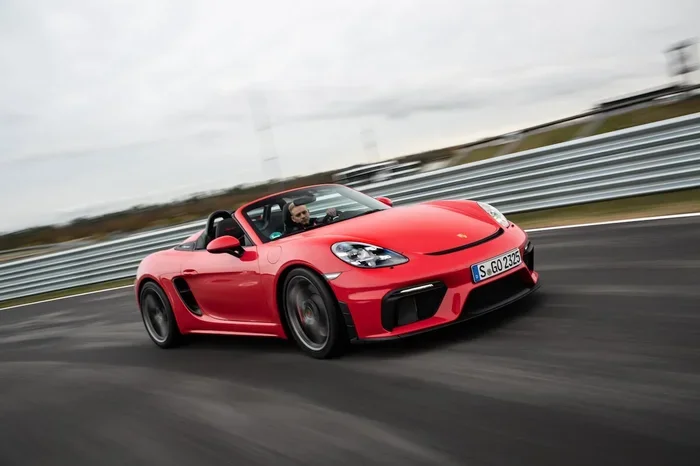
Are Porsche Boxsters Reliable And Worth Owning Today
The Porsche Boxster has earned a reputation as an affordable entry point into the Porsche sports car world. But reliability concerns often hold buyers back. This guide covers real-world ownership data, common problems, maintenance costs, and whether a Boxster is a smart buy in today’s market.
Thinking about buying a Porsche Boxster? You are not alone. This mid-engine roadster has turned heads since it first hit the streets in 1996. But one question keeps popping up among buyers and enthusiasts alike: are Porsche Boxsters reliable?
The short answer is yes, with some caveats. The Porsche Boxster is a well-engineered sports car that can deliver years of fun and excitement. But like any machine, it has its quirks and weak points. Some generations are more dependable than others. And ownership costs can add up if you are not prepared.
In this guide, we will walk through everything you need to know about Boxster reliability. We will cover the most common problems, what maintenance really costs, and whether the car is worth the money today. Whether you are eyeing a used first-generation model or considering a brand-new Porsche Boxster, this article has you covered.
Let us dive into the details so you can make a confident decision. No fluff. No guesswork. Just honest, practical information about Boxster ownership and what to expect.
Key Takeaways
- Overall Reliability: Porsche Boxsters are generally reliable, especially the later generations, but they do have some known issues to watch for.
- Maintenance Costs: Ownership costs are higher than average sedans but lower than most people expect for a sports car.
- Common Problems: Cooling system failures, IMS bearing issues, and electrical gremlins are the top concerns across generations.
- Best Generations: The 2005+ models and the 718 Boxster (2016+) are widely considered the most dependable.
- Resale Value: Boxsters hold their value reasonably well, especially well-maintained examples with service records.
- Worth It: If you maintain the car properly and buy smart, a Boxster delivers an incredible driving experience at a fair price.
📑 Table of Contents
Understanding Porsche Boxster Reliability
When people ask about Porsche Boxster reliability, they want to know if this car will last. The good news is that the Boxster platform has been around for nearly three decades. Porsche has had plenty of time to refine the design. And the results show in the later models.
That said, not every Boxster generation is created equal. Early models had some growing pains. Later versions benefited from years of engineering improvements. Let us break down what makes the Boxster tick and where reliability shines or struggles.
What Makes the Boxster Different from Other Sports Cars
The Porsche Boxster uses a mid-engine layout. This means the engine sits behind the driver but ahead of the rear axle. This design gives the car excellent balance and handling. It also lowers the center of gravity, which makes the car feel planted and responsive on winding roads.
The flat-six engine is another key feature. Porsche’s signature horizontally-opposed engine design lowers the car’s profile and improves weight distribution. These engines are known for being smooth and powerful. They also tend to run cool when properly maintained.
However, the mid-engine layout and flat-six design come with unique maintenance challenges. Accessing certain components can be tricky. And some parts cost more than you would find on a standard front-engine car. Understanding these differences is important when evaluating long-term Boxster reliability.
Reliability Ratings and Real-World Data
Several consumer reports and reliability surveys track Porsche Boxster reliability over time. Overall, Porsche ranks in the middle of the luxury sports car category. The brand is not as bulletproof as Toyota or Honda, but it is far from the worst. Many Boxster owners report few major issues after the first 60,000 miles.
RepairPal gives the Boxster a reliability rating of 3.0 out of 5.0. This is average for the sports car segment. Consumer Reports has also rated later generations favorably. The takeaway is clear: a well-maintained Porsche Boxster can be a dependable daily driver or weekend toy.
Common Porsche Boxster Problems to Watch For
No car is perfect, and the Boxster is no exception. Certain issues tend to show up more often than others. Knowing what to look for can save you money and headaches down the road. Here are the most common Boxster problems reported by owners.
Engine and Cooling System Issues
The Porsche Boxster cooling system is one area that demands attention. The car uses a water-cooled engine mounted in the middle of the chassis. This setup can be prone to leaks and overheating if not properly cared for. Coolant hose failures are a common culprit, especially on older models.
One of the most talked-about issues is the IMS bearing, or Intermediate Shaft bearing. This problem mainly affects first-generation Boxsters produced before 2005. The IMS bearing can fail prematurely, leading to catastrophic engine damage. Porsche addressed this issue with updated bearings in later production years.
Other engine-related concerns include oil leaks from the valve cover gasket and issues with the oil cooler lines. These problems are manageable if caught early. Regular oil changes and cooling system inspections go a long way in preventing major engine failures.
Electrical and Interior Concerns
Electrical gremlins are another area where Boxster owners sometimes run into trouble. Power window regulators, seat motors, and climate control modules can fail over time. These issues are more common on higher-mileage examples.
The convertible top mechanism is also worth mentioning. The soft top on the Porsche Boxster is a beloved feature, but it requires regular maintenance. The seals can dry out, and the hydraulic mechanisms can develop leaks. Keeping the top properly maintained prevents costly repairs and keeps the car enjoyable year-round.
Interior wear is another consideration. The Boxster is a two-seater sports car, so the cabin is compact. Seats and dashboard materials can show age, especially on cars that have seen hard use. Buying a well-cared-for example makes a big difference in long-term ownership satisfaction.
Suspension and Handling Components
The Boxster is a sports car, and the suspension takes a beating over time. Control arm bushings, strut mounts, and ball joints wear out faster than on a typical family sedan. These parts are not cheap, but they are straightforward to replace.
Rust can also be a concern, particularly on older models. The wheel arches, rocker panels, and subframes are areas to inspect carefully. A thorough pre-purchase inspection can reveal hidden rust issues before they become expensive problems.
Maintenance Costs and Ownership Expenses
One of the biggest concerns for potential Boxster owners is cost. Sports cars are not cheap to maintain, but the Porsche Boxster is actually more affordable than most people assume. Let us break down what you can expect.
Routine Maintenance Costs
Basic maintenance on a Porsche Boxster is comparable to other luxury sports cars. Oil changes typically run between $200 and $350 at a dealer. Independent shops can do the same service for less. The Boxster uses synthetic oil, and the engine is relatively accessible for an oil change.
Brake pads and rotors are another regular expense. The Boxster is a performance car, so the brakes wear faster than on a daily driver sedan. Expect to replace pads every 20,000 to 30,000 miles, depending on driving style. Rotors may need resurfacing or replacement at similar intervals.
Tires are also a factor. The Boxster uses performance-oriented tires that wear faster than standard all-season tires. Budget $800 to $1,200 for a full set of tires every 20,000 to 30,000 miles. Alignment checks and tire rotations help extend tire life.
Major Repair Costs to Expect
Major repairs on a Boxster can be expensive, but they are not inevitable. The IMS bearing replacement is one of the biggest concerns for older models. The cost ranges from $2,500 to $5,000 depending on whether you go with a Porsche dealership or an independent specialist.
Cooling system repairs can also add up. Replacing a failed water pump or thermostat housing might cost $500 to $1,500. A cracked engine block from a neglected cooling system failure can run $5,000 or more. This is why regular maintenance is so important.
Here is a quick look at estimated major repair costs for the Porsche Boxster:
- IMS Bearing Replacement: $2,500 – $5,000
- Cooling System Overhaul: $800 – $2,500
- Clutch Replacement: $1,200 – $2,500
- Convertible Top Mechanism: $1,500 – $3,000
- Engine Rebuild (if IMS fails): $8,000 – $15,000
- Suspension Overhaul: $2,000 – $4,000
These numbers look intimidating, but they are manageable with proper planning. Setting aside money for major repairs and staying on top of maintenance keeps your Boxster on the road and out of the shop.
Porsche Boxster Generations Compared
The Porsche Boxster has gone through three main generations. Each one has its strengths and weaknesses when it comes to reliability and ownership experience. Understanding the differences helps you choose the right car for your needs.
First Generation (1996-2004)
The original Boxster is a legend in the sports car world. It saved Porsche from financial trouble in the late 1990s and won hearts with its mid-engine layout and affordable price tag. However, first-generation models have the most reliability concerns.
The IMS bearing issue affects many first-gen Boxsters. Cooling system problems and electrical gremlins are also more common on these early cars. That said, well-maintained first-generation Boxsters can still be great daily drivers. The key is thorough inspection and a willingness to address issues promptly.
Second Generation (2005-2012)
The second-generation Boxster, often called the 987, represents a big leap forward. Porsche redesigned the engine and addressed many of the first-gen issues. The IMS bearing was improved significantly. The cooling system became more robust. And the car simply felt more refined and polished.
The 2005-2008 models used a 2.7-liter or 3.2-liter flat-six engine. The later 2009-2012 models got direct injection and more power. These cars are widely regarded as the sweet spot for Boxster reliability. They offer great performance, improved electronics, and fewer known issues.
Third Generation (2013-Present) and the 718 Boxster
The current generation Boxster, and the 718 Boxster that replaced it in 2016, take reliability to another level. The 718 uses a turbocharged four-cylinder engine instead of the traditional flat-six. This change improved reliability and reduced some of the costs associated with the flat-six engine.
The 718 Boxster also features updated electronics, better build quality, and improved safety features. Porsche continues to refine the design, making it one of the most dependable sports cars on the market today. If long-term reliability is your top priority, a 718 Boxster is hard to beat.
Is a Porsche Boxster Worth Owning Today?
After looking at reliability, common problems, and costs, the big question remains: is a Porsche Boxster worth owning? The answer depends on your priorities, budget, and expectations. Let us weigh the pros and cons.
Pros of Boxster Ownership
- Thrilling Driving Experience: The mid-engine layout gives the Boxster incredible balance and handling. It feels like a much more expensive car on the track.
- Affordable Entry Into Porsche Ownership: Used Boxsters are among the most affordable ways to own a Porsche. You get the brand prestige and driving thrill at a fraction of the cost of a 911.
- Good Resale Value: Well-maintained Boxsters hold their value better than most sports cars. The Boxster resale value is a strong selling point.
- Convertible Fun: The retractable hardtop or soft top adds versatility. You can enjoy open-air driving on sunny days and stay cozy in bad weather.
- Parts Availability: Despite being a niche car, Boxster parts are widely available. Both OEM and aftermarket options keep costs manageable.
Cons of Boxster Ownership
- Higher Maintenance Costs Than Average Cars: Even though the Boxster is cheaper than a 911, maintenance is still pricier than a Honda or Toyota. Budget accordingly.
- Limited Cargo Space: The mid-engine layout means there is a small trunk in the front and a tiny storage area in the back. It is not a practical daily driver for everyone.
- Some Generations Have Known Issues: First-generation models in particular have reliability concerns that can lead to expensive repairs.
- Insurance Costs: Sports car insurance premiums are higher than for standard vehicles. Factor this into your ownership budget.
- Fuel Economy: The Boxster is not a fuel-efficient car. Expect 18 to 25 mpg depending on the generation and driving habits.
Weighing these factors, the Porsche Boxster is absolutely worth owning for the right person. If you love driving, appreciate precision engineering, and are willing to invest in proper maintenance, the Boxster delivers an experience that few cars in its price range can match.
Expert Tips for Boxster Owners and Buyers
Whether you already own a Boxster or are planning to buy one, these expert tips will help you get the most out of your experience. Follow this advice and your car will reward you with years of reliable performance.
Before You Buy
Always get a pre-purchase inspection from a qualified Porsche mechanic. Do not skip this step, no matter how good the deal looks. A thorough inspection reveals hidden problems that could cost you thousands later. Pay special attention to the IMS bearing, cooling system, and electrical components on older models.
Request full service records. A well-documented Boxster with regular maintenance is worth more than a car with no records, even if the no-record car is cheaper. Service history tells you how the previous owner cared for the vehicle.
Keeping Your Boxster Reliable
Stay on top of the maintenance schedule. Porsche provides specific service intervals for the Boxster. Following them closely prevents small issues from becoming big problems. Change the oil on time, replace coolant at recommended intervals, and inspect brakes regularly.
Find a good independent mechanic who specializes in Porsche. Dealer rates are high, and a qualified independent shop can save you 30 to 50 percent on labor costs. Build a relationship with a trusted specialist who knows the Boxster inside and out.
Drive the car regularly. Sports cars are not meant to sit in garages for months at a time. Regular use keeps seals lubricated, fluids circulating, and components in good working order. If you only drive it on weekends, take it for a longer drive at least once a week.
Address small problems immediately. A minor coolant leak or a slight electrical glitch can become a major issue if ignored. Early intervention saves money and keeps your Porsche Boxster running smoothly for years to come.
Store the car properly. If you live in a cold climate, winter storage requires preparation. Use a quality car cover, maintain the battery, and consider a fuel stabilizer. Proper storage protects the paint, seals, and mechanical components during extended downtime.
Conclusion
The Porsche Boxster is a fantastic sports car that can be reliable and rewarding to own. It is not without its quirks and potential problems, but with the right knowledge and maintenance habits, those issues are manageable. The later generations of the Boxster are particularly dependable and offer an incredible driving experience at a reasonable price.
If you are considering a used Porsche Boxster, do your homework. Inspect the car thoroughly, check the service history, and budget for maintenance. The Boxster rewards owners who put in the effort. It offers a level of driving engagement and Porsche engineering that few cars can match.
So, are Porsche Boxsters reliable and worth owning? The answer is a qualified yes. They are reliable enough for daily use, fun enough to keep you smiling every time you turn the key, and valuable enough to hold their worth over time. Do your due diligence, maintain the car properly, and the Porsche Boxster will be one of the best decisions you ever make.
Frequently Asked Questions
What are the most common Porsche Boxster reliability issues?
The most common issues include IMS bearing failure on older models, cooling system leaks, electrical gremlins, and convertible top mechanism problems. Regular maintenance and prompt attention to small issues keep these problems from becoming major headaches.
How much does it cost to maintain a Porsche Boxster?
Annual maintenance costs typically range from $1,000 to $3,000 for routine service. Major repairs like IMS bearing replacement or cooling system work can cost $2,500 to $5,000. Overall, the Porsche Boxster is more affordable to maintain than the 911 but pricier than a standard economy car.
Which Porsche Boxster generation is the most reliable?
The second-generation Boxster (2005-2012) and the 718 Boxster (2016+) are widely considered the most reliable. These models addressed many of the early issues and benefited from years of engineering improvements. They offer strong long-term reliability and fewer known problems.
Is a used Porsche Boxster a good investment?
Yes, a used Boxster can be a great investment if you buy smart. Look for well-documented service history, have a pre-purchase inspection done, and choose a model with fewer known issues. The Boxster resale value is solid, so you are unlikely to lose much money.
Can a Porsche Boxster be used as a daily driver?
Absolutely. Many owners use their Boxsters as daily drivers. The car is comfortable enough for everyday use, practical enough for short trips, and exciting enough to make every drive enjoyable. Just be prepared for higher fuel costs and maintenance expenses compared to a regular sedan.
How often should I service my Porsche Boxster?
Follow Porsche’s recommended service schedule, which typically includes oil changes every 10,000 miles, brake inspections every 15,000 miles, and major service intervals at 30,000, 60,000, and 90,000 miles. Staying on top of these intervals is the best way to ensure long-term Boxster reliability.