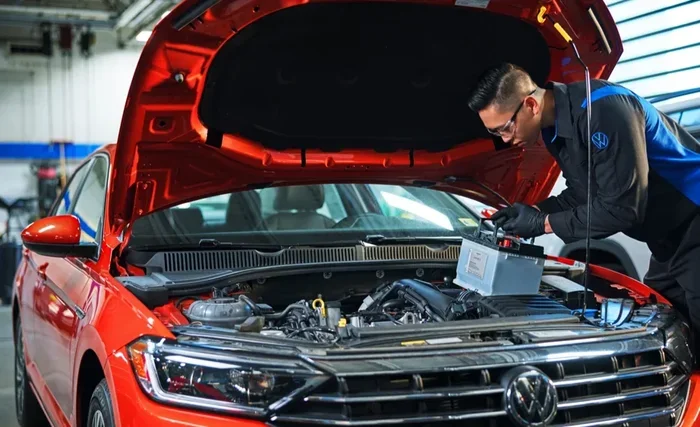
Are Volkswagen Vehicles Really Expensive to Maintain
The Volkswagen maintenance cost is moderate compared to other brands, but it varies by model and age. Regular oil changes, timely belt replacements, and using quality parts keep your VW running smoothly. With proper care, owning a Volkswagen does not have to strain your wallet.
Are Volkswagen vehicles really expensive to maintain? This is a question that comes up often among car shoppers. The Volkswagen maintenance cost is not as scary as many people think. In fact, VWs sit in a moderate range when compared to other brands. Some models cost very little to keep running, while others need more attention as they age.
The answer depends on several things. Your driving style, the specific model you own, and how well you follow a service schedule all matter. A well-maintained Volkswagen can easily reach 150,000 miles or more with proper care. This guide breaks down everything you need to know about Volkswagen maintenance cost. We cover common repairs, model comparisons, and practical tips to keep your wallet happy.
Many drivers choose Volkswagen because of the brand’s reputation for German engineering and solid build quality. VWs feel sturdy, drive well, and offer great features at reasonable prices. But ownership also means dealing with car maintenance just like any other vehicle. The key is understanding what to expect before problems arise. Let us dive into the real numbers and facts behind Volkswagen upkeep.
Key Takeaways
- Volkswagen maintenance cost is moderate: VW vehicles cost less to maintain than many luxury German brands like BMW or Mercedes.
- Model matters a lot: Older air-cooled VWs and newer MQB-platform models have very different upkeep needs.
- Common repairs include timing belts, brake pads, and water pumps: These are predictable expenses you can budget for.
- DIY-friendly parts are available: Many VW components are affordable and easy to source from aftermarket suppliers.
- Regular service saves money long-term: Staying on top of oil changes and fluid flushes prevents costly breakdowns.
- Used VWs can be budget-friendly: Lower purchase price often offsets higher maintenance costs over time.
- Warranty coverage helps early on: New VW buyers get peace of mind during the first few years of ownership.
📑 Table of Contents
Understanding Volkswagen Maintenance Cost
The Volkswagen maintenance cost varies widely depending on the model, year, and engine type. A 2010 Jetta with a simple engine will cost far less to maintain than a 2023 Tiguan with a turbocharged V6. On average, owners spend between $500 and $1,200 per year on routine maintenance and minor repairs. This places Volkswagen in the middle of the pack compared to other brands.
According to RepairPal, the average annual VW service cost is around $600 to $750 for most models. This is lower than luxury brands but slightly higher than Toyota or Honda. The difference comes down to parts availability and labor rates. Volkswagen parts are more affordable than BMW or Mercedes parts, but they are not the cheapest on the market.
What Makes Up the Volkswagen Maintenance Cost
Several factors contribute to your overall Volkswagen maintenance cost. Understanding each one helps you budget better. Here are the main components:
- Routine oil changes: These typically cost between $100 and $200 at a dealership. Independent shops often charge less.
- Brake service: Pads and rotors usually need replacement every 30,000 to 50,000 miles.
- Timing belt replacement: This major service happens around 90,000 to 110,000 miles and can cost $500 to $900.
- Fluid flushes: Coolant, transmission fluid, and brake fluid need regular changes.
- Tire rotations and alignments: Essential for safety and extending tire life.
- Battery replacement: VW batteries typically last 3 to 5 years and cost $150 to $300.
Many of these expenses are predictable. When you know what is coming, you can save ahead of time. This is one of the best automotive maintenance tips for any car owner, not just VW drivers.
Common Volkswagen Repairs and Their Costs
Every car has its weak points, and Volkswagen is no exception. Knowing the common Volkswagen problems helps you stay ahead of expensive surprises. Some issues appear more frequently in certain models and years. Let us look at the most common repairs and what they typically cost.
Timing Belt and Water Pump
Many VW models use a timing belt that also drives the water pump. When the belt wears out, both components are often replaced together. This is one of the bigger VW repair expenses you will face. The combined job usually costs between $600 and $1,100 depending on the model. Skipping this service can lead to catastrophic engine damage, so it is not one to ignore.
Carbon Buildup on Intake Valves
Direct-injection VW engines are known for carbon buildup on intake valves. This problem is especially common in TSI and TDI engines. Symptoms include rough idle, reduced power, and poor fuel economy. A walnut blast cleaning service typically costs $300 to $600. Regular European car upkeep and using quality fuel can help reduce this issue.
Ignition Coil and Spark Plug Failures
VW ignition coils tend to fail more often than in many other brands. Replacing a single coil costs $150 to $300. Since VWs often have one coil per cylinder, a full set replacement can add up quickly. Spark plugs in VW engines usually need changing every 30,000 to 60,000 miles. Keeping up with this simple service prevents bigger problems down the road.
Suspension and Steering Components
VW models with multi-link rear suspension have more components that wear over time. Control arms, tie rods, and bushings are common wear items. Replacing these parts typically costs $300 to $800 per axle. German car maintenance includes regular inspection of these parts, especially as the vehicle ages past 60,000 miles.
Electrical Issues
Some VW owners report electrical gremlins, particularly in older models. Faulty sensors, failing window regulators, and glitchy infotainment systems are common complaints. Electrical repairs can range from $100 for a simple sensor to $500 or more for complex issues. Buying a VW model reliability report before purchasing a used car helps you avoid vehicles with known electrical problems.
How Volkswagen Compares to Other Brands
When people ask if Volkswagen maintenance cost is high, they usually compare it to other brands. Let us put things in perspective with a comparison table. This shows how VWs stack up against some popular competitors.
| Brand | Avg Annual Maintenance Cost | Repair Frequency | Parts Availability |
|---|---|---|---|
| Volkswagen | $600 – $750 | Moderate | Good |
| Toyota | $400 – $550 | Low | Excellent |
| Honda | $400 – $500 | Low | Excellent |
| BMW | $900 – $1,500 | High | Moderate |
| Mercedes-Benz | $900 – $1,400 | High | Moderate |
| Ford | $500 – $700 | Moderate | Good |
| Chevrolet | $450 – $650 | Moderate | Excellent |
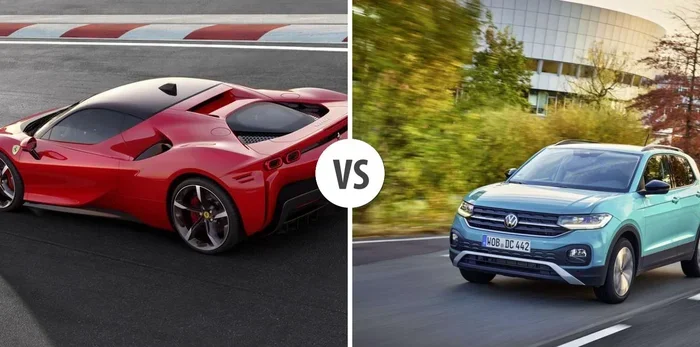
As you can see, Volkswagen falls in the middle range. It costs more to maintain than Toyota or Honda but less than luxury German brands. The VW mechanic cost is reasonable, especially if you use independent shops familiar with German cars. For buyers who want the feel of a European vehicle without the luxury price tag, Volkswagen strikes a good balance.
One advantage VWs have over some competitors is parts availability. Because Volkswagen has a large global presence, finding parts is usually straightforward. Volkswagen parts price is competitive, especially for common components like brake pads, filters, and bulbs. You do not need to hunt for hard-to-find pieces the way you might with some rare European brands.
Tips to Lower Your Volkswagen Maintenance Cost
Reducing your Volkswagen maintenance cost is absolutely possible with the right approach. You do not need to be a mechanic to save money on upkeep. These practical strategies help you keep your VW running well while spending less.
1. Stick to the Service Schedule
The single best way to avoid expensive repairs is to follow the recommended service intervals. Change your oil every 5,000 to 10,000 miles depending on your engine type. Replace filters, spark plugs, and fluids on time. Skipping oil changes is the fastest way to shorten your engine’s life. Think of it as a small investment that saves you thousands in the long run.
2. Find a Trusted Independent Mechanic
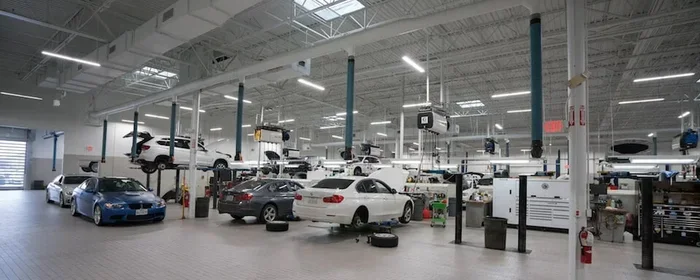
Dealership labor rates are typically $100 to $150 per hour. Independent shops that specialize in German car maintenance often charge $70 to $100 per hour. You can save 30 to 50 percent on labor costs by choosing the right shop. Look for a mechanic certified by ASE or one with specific experience working on Volkswagen vehicles.
3. Use Quality Aftermarket Parts
OEM (Original Equipment Manufacturer) parts are not always necessary for every repair. Many aftermarket parts from brands like Bosch, Febi, and TRW meet or exceed OE quality at a lower price. For example, a Bosch brake pad set might cost $40 less than the VW-branded version with the same performance. Ask your mechanic about aftermarket options for non-critical components.
4. Learn Basic DIY Maintenance
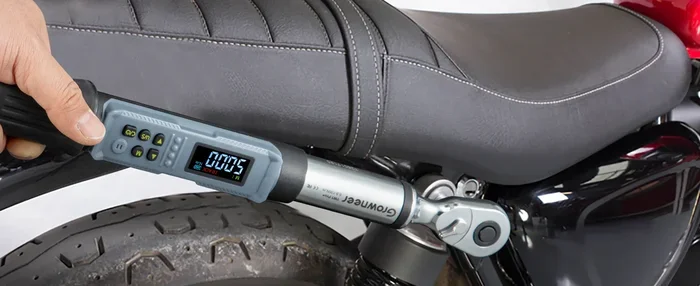
Many simple tasks are easy to do at home with basic tools. You can change your own engine oil, replace air filters, swap out windshield wipers, and install new cabin filters. These small jobs save you money and give you a better understanding of your vehicle. There are many online tutorials specifically for Volkswagen maintenance that walk you through each step.
5. Address Problems Early
Ignoring warning signs is the fastest way to turn a $200 repair into a $2,000 repair. If you notice unusual noises, vibrations, or warning lights, get your car checked right away. A small coolant leak today can become a blown engine tomorrow. Early detection is one of the most effective automotive maintenance tips for keeping costs down.
6. Buy a Pre-Paid Maintenance Plan
If you buy a new Volkswagen, consider a pre-paid maintenance plan. These plans lock in service costs at today’s prices for a set number of years or miles. They can save you money and give you predictable budgeting. Just read the fine print to make sure the plan covers the services you actually need.
Are Used Volkswagens Cheaper to Maintain?
Many buyers wonder if a used Volkswagen saves money on car maintenance budget. The short answer is yes and no. Used VWs cost less to purchase, but older models may need more frequent repairs. The key is buying a well-maintained used Volkswagen with a solid service history.
A 5-year-old VW Golf with 60,000 miles will likely have lower maintenance costs than a 15-year-old Golf with 150,000 miles. Newer models benefit from improved reliability and better parts design. The VW long-term ownership experience is much better when you start with a vehicle that has been properly cared for.
Older air-cooled VWs like the Beetle and Bus have a special place in car culture. These vehicles have simple engines that are easy and cheap to work on. However, they lack modern safety features and fuel efficiency. Finding a well-preserved classic VW can be rewarding, but parts availability for older models can sometimes be limited and expensive.
When shopping for a used Volkswagen, always request the full service history. Look for records of oil changes, belt replacements, and major services. A VW model reliability report from a trusted source like Consumer Reports or J.D. Power gives you additional confidence in your purchase decision.
The Long-Term Cost of Owning a Volkswagen
Owning any car involves more than just Volkswagen maintenance cost. You also need to consider fuel, insurance, depreciation, and financing. The total car ownership cost gives you the full picture of what it really costs to own a VW.
Volkswagen vehicles hold their value reasonably well compared to many non-luxury brands. The Volkswagen resale value is decent, especially for popular models like the Golf, Tiguan, and Jetta. A well-maintained 5-year-old VW typically retains 50 to 60 percent of its original value. This helps offset the maintenance expenses over time.
Volkswagen depreciation is moderate. New VWs lose about 15 to 20 percent of their value in the first year and roughly 35 to 40 percent over five years. This is better than many luxury brands but slightly worse than Toyota and Honda. If you plan to keep your VW for a long time, depreciation matters less because you absorb most of the loss early on.
Fuel costs also play a role in total ownership expense. Most VW models are reasonably fuel-efficient, especially the TDI diesel variants and newer turbocharged gasoline engines. The VW oil change cost for synthetic oil is typically $80 to $150, which is in line with other non-luxury brands.
New vs. Used: Which Saves More Money?
Buying new comes with a warranty that covers most repairs for the first 3 to 4 years. This dramatically reduces your Volkswagen warranty coverage worries during the early years. However, new cars depreciate faster. Buying used means you avoid the steepest depreciation but take on more repair risk as the vehicle ages.
The sweet spot for many buyers is a 3 to 5-year-old Volkswagen with remaining factory warranty. You get lower purchase price, some warranty protection, and a vehicle that still has many years of reliable service ahead. This approach minimizes both VW repair expenses and depreciation impact.
Is Volkswagen Maintenance Worth It?
After looking at all the numbers, the answer to whether Volkswagen maintenance cost is worth it depends on your priorities. If you value driving dynamics, European styling, and solid build quality, Volkswagen delivers at a reasonable price. The brand offers a unique blend of practicality and driving enjoyment that is hard to find elsewhere.
Toyota and Honda will always win on reliability and low upkeep costs. But they do not offer the same driving feel or interior refinement that Volkswagen provides. For many owners, the extra VW service cost is a fair trade-off for the overall experience the brand delivers.
The bottom line is that Volkswagen is not expensive to maintain when compared to many competitors. Staying on top of routine service, addressing issues early, and working with a knowledgeable mechanic keeps your ownership costs manageable. A well-cared-for Volkswagen can provide years of reliable and enjoyable driving.
Whether you drive a compact Golf, a family-friendly Tiguan, or a stylish Arteon, understanding your Volkswagen maintenance cost empowers you to make smarter decisions. Budget for regular services, build an emergency fund for unexpected repairs, and enjoy the ride. Owning a Volkswagen is a rewarding experience when you approach it with knowledge and preparation.
Frequently Asked Questions
How much does it cost to maintain a Volkswagen per year?
On average, Volkswagen owners spend between $600 and $750 per year on routine maintenance and minor repairs. This includes oil changes, brake service, fluid replacements, and periodic inspections. Actual costs vary by model, age, and driving conditions.
Are Volkswagen parts expensive compared to other brands?
Volkswagen parts are more affordable than luxury German brands like BMW and Mercedes. They are slightly more expensive than Toyota or Honda parts due to the brand’s European positioning. Aftermarket options help bring costs down further.
What is the most expensive Volkswagen repair?
The most expensive common repair is usually the timing belt and water pump replacement, which can cost $600 to $1,100. Engine or transmission failures are rare but can be very costly. Regular maintenance helps prevent most major repairs.
Do older Volkswagens cost more to maintain?
Older VWs can cost more as they accumulate miles and wear. However, simple air-cooled models are often inexpensive to maintain because of their straightforward design. Modern VWs with complex electronics may need pricier diagnostics and repairs as they age.
Can I reduce my Volkswagen maintenance cost by doing repairs myself?
Yes, many basic maintenance tasks like oil changes, filter replacements, and brake pad swaps are DIY-friendly for owners with basic mechanical skills. Always consult your owner’s manual and use proper tools for safety.
Is Volkswagen maintenance covered under warranty?
New Volkswagen vehicles come with a 4-year or 50,000-mile basic warranty and a 6-year or 72,000-mile powertrain warranty. These cover most repairs during the early years of ownership. Extended warranty options are also available for additional peace of mind.
=== CONCLUSION ===
The Volkswagen maintenance cost is moderate and manageable for most car owners. While VWs are not the cheapest vehicles to maintain, they are far from the most expensive. With regular service, smart part choices, and a trusted mechanic, you can keep your Volkswagen running beautifully for many years.
Understanding what to expect helps you plan your budget and avoid unpleasant surprises. Whether you own a new Tiguan or a classic Beetle, staying proactive with maintenance pays off in the long run. The key is consistency, awareness, and a willingness to address small issues before they become big problems.
So, are Volkswagen vehicles really expensive to maintain? The honest answer is no, not really. They sit in a fair and reasonable range that reflects their quality and engineering. If you love the Volkswagen driving experience, the maintenance costs are a worthwhile part of ownership. Take care of your VW, and it will take care of you for miles to come.