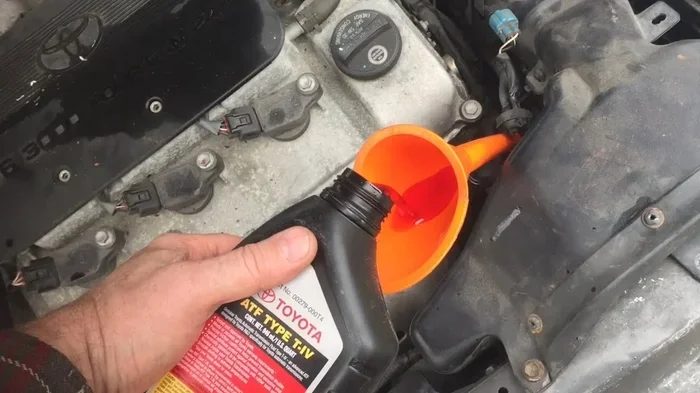
Does a Toyota Camry Have Transmission Fluid or Not
Yes, a Toyota Camry does have transmission fluid. This essential liquid keeps your transmission cool, clean, and shifting smoothly. Whether your Camry has an automatic or manual gearbox, the right fluid type and proper maintenance are critical for long engine life.
Does a Toyota Camry Have Transmission Fluid? The short answer is absolutely yes. Every Toyota Camry on the road relies on transmission fluid to keep the gearbox running smoothly. Without this vital liquid, the internal gears, clutch packs, and hydraulic components would grind, overheat, and fail within miles.
Whether you own a 2005 Camry or a brand-new 2024 model, understanding your transmission fluid is essential. This guide covers everything you need to know. We will walk you through what type of fluid your Camry uses, how to check the level, when to change it, and what warning signs to watch for.
Many car owners overlook transmission fluid until something goes wrong. Do not make that mistake. A little prevention goes a long way. By the end of this article, you will feel confident about maintaining your Toyota Camry transmission fluid like a pro.
Key Takeaways
- All Toyota Camrys have transmission fluid: Every model, regardless of year or trim, requires transmission fluid to operate correctly.
- Fluid type matters: Automatic Camrys use ATF, while manual models may use gear oil or ATF depending on the year.
- Regular checks prevent costly repairs: Checking your transmission fluid level takes just minutes and can save you thousands.
- Change intervals vary: Most Toyota experts recommend changing transmission fluid every 30,000 to 60,000 miles.
- Warning signs are easy to spot: Dark color, burning smell, or slipping gears all indicate low or dirty fluid.
- DIY maintenance is possible: You can check and even change your Camry transmission fluid at home with basic tools.
📑 Table of Contents
- Understanding the Toyota Camry Transmission System
- Types of Transmission Fluid Used in Toyota Camry
- How to Check Your Toyota Camry Transmission Fluid Level
- When and How Often to Change Toyota Camry Transmission Fluid
- Common Transmission Fluid Problems in Toyota Camry
- Expert Tips for Toyota Camry Transmission Maintenance
- Transmission Fluid Capacity and Specifications
- Conclusion
Understanding the Toyota Camry Transmission System
The Toyota Camry has used different transmission types over the years. Older models often came with a manual gearbox. Newer models almost exclusively feature an automatic transmission. Each type uses transmission fluid, but the specific fluid and maintenance approach can differ.
Automatic Transmission in Toyota Camry
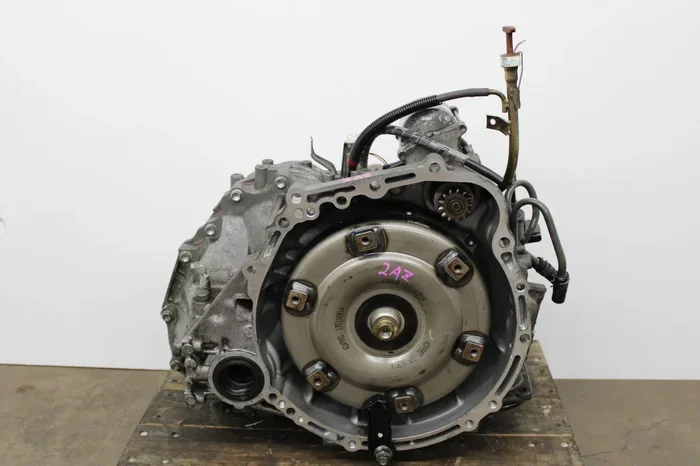
Most modern Toyota Camrys come with an automatic transmission. These systems rely heavily on automatic transmission fluid, also known as ATF. The ATF serves multiple jobs at once. It lubricates the internal gears, cools the transmission, and creates hydraulic pressure to shift gears smoothly.
Toyota Camry automatic transmissions typically use a specific type of ATF. The most common fluid for Camry models is Toyota Genuine ATF WS (World Standard). This fluid is synthetic and designed for optimal performance. Using the wrong ATF can cause shifting problems, overheating, and premature wear.
Manual Transmission in Toyota Camry
Older Toyota Camry models, especially those from the 1990s and early 2000s, often had a manual transmission. Manual gearboxes use a different fluid than automatics. In many cases, they use regular gear oil or GL-4 rated fluid. However, some Camry manual models also use ATF depending on the specific transmission design.
It is important to check your owner’s manual. The manual will tell you exactly which fluid your specific Camry model needs. Using the wrong fluid in a manual transmission can lead to rough shifting and gear damage over time.
How the Transmission System Works
Your Toyota Camry transmission system works hard every time you drive. The transmission fluid circulates through the gearbox, absorbing heat and reducing friction. In automatic models, the fluid also acts as a hydraulic medium. It sends pressure to clutch packs and bands that engage different gear ratios.
Think of transmission fluid as the lifeblood of your gearbox. Just like engine oil keeps your engine healthy, transmission fluid keeps your gears shifting cleanly and quietly. When the fluid gets old or dirty, it loses its effectiveness. This is why regular maintenance matters so much.
Types of Transmission Fluid Used in Toyota Camry
Not all transmission fluids are the same. Toyota designs its Camrys to work with specific fluid types. Using the wrong fluid can void your warranty and damage your transmission. Here is a breakdown of the fluid types you need to know.
Toyota ATF WS (World Standard)
The Toyota ATF WS is the most commonly used fluid in Camry models from 2004 onward. It is a synthetic fluid that offers excellent thermal stability. This means it resists breaking down under high heat. The WS fluid is also designed for smooth shifting and long service life.
Key features of Toyota ATF WS include:
- Synthetic base for superior protection
- Excellent thermal stability
- Smooth gear engagement
- Long service life compared to older fluids
- Designed specifically for Toyota automatic transmissions
Toyota ATF IV
Toyota ATF IV was the standard fluid for Camry models from the late 1990s to early 2000s. It is also a synthetic fluid but has a slightly different formulation than the WS version. If you own an older Camry, ATF IV may be the correct fluid for your transmission.
Always double-check your owner’s manual or consult a Toyota dealer. They can confirm which fluid type matches your specific Camry year and transmission model.
Manual Transmission Fluid
For Camry models with a manual gearbox, the fluid requirements are different. Manual transmissions typically use gear oil with a GL-4 or GL-5 rating. Some older manual Camrys may use ATF instead. The key is to match the fluid to your specific transmission model.
Common manual transmission fluids for Camry include:
- Toyota Genuine Manual Transmission Fluid
- GL-4 75W-90 gear oil
- GL-5 75W-90 gear oil (use only if specified)
How to Check Your Toyota Camry Transmission Fluid Level
Checking your transmission fluid is one of the simplest maintenance tasks you can do. It takes only a few minutes and requires no special tools. Here is a step-by-step guide to checking the fluid level on your Toyota Camry.
Step-by-Step Fluid Check Process
Follow these steps carefully to get an accurate reading. Make sure your Camry is parked on a level surface. The engine should be warm but not hot. Here is how to do it:
- Start the engine and let it idle for a few minutes. This warms up the transmission fluid so it flows properly.
- Park the car on a flat, level surface. Apply the parking brake.
- Shift through all gears briefly, then return to Park.
- Locate the transmission dipstick. On most Camry models, it is near the back of the engine bay. The handle is usually red or yellow.
- Pull out the dipstick and wipe it clean with a rag or paper towel.
- Reinsert the dipstick fully, then pull it out again.
- Check the fluid level. It should fall between the “Full” and “Add” marks on the dipstick.
- Check the fluid color. Healthy fluid is red or pink. Dark brown or black fluid needs changing.
Tips for Accurate Readings
A few small tips can make a big difference in getting an accurate reading:
- Always check the fluid with the engine running and warm.
- Do not check the fluid right after a long drive when the transmission is very hot.
- Use a clean rag to wipe the dipstick before reinserting it.
- If the fluid level is low, add small amounts and recheck before adding more.
- Never overfill the transmission. Too much fluid can cause foaming and pressure problems.
What the Fluid Color Tells You
The color of your Toyota Camry transmission fluid reveals a lot about its condition. Fresh fluid is bright red or pink. It should feel smooth and slightly slippery between your fingers. As the fluid ages, it darkens. Here is what different colors mean:
- Red or Pink: Fresh and healthy. No action needed.
- Light Brown: The fluid is aging. Consider a change soon.
- Dark Brown or Black: The fluid is old and contaminated. Change it immediately.
- Burnt Smell: The fluid is overheating or has been damaged. This is a serious warning sign.
- Milky or Foamy: Water or coolant has mixed with the fluid. This requires immediate attention.
When and How Often to Change Toyota Camry Transmission Fluid
Transmission fluid does not last forever. Over time, it breaks down and loses its ability to lubricate and cool the transmission. Knowing when to change the fluid can prevent expensive repairs and keep your Camry running smoothly for years.
Recommended Change Intervals
Toyota does not always specify a fixed change interval for transmission fluid. However, most Toyota experts and mechanics recommend changing the fluid every 30,000 to 60,000 miles. Here are some general guidelines based on Camry model years:
- 2002-2006 Camry: Change every 30,000 to 60,000 miles
- 2007-2011 Camry: Change every 60,000 miles
- 2012-2017 Camry: Change every 60,000 miles or as needed
- 2018-2024 Camry: Toyota claims “lifetime” fluid, but many experts still recommend a change at 60,000 to 100,000 miles
These are general guidelines. Your driving habits and conditions matter too. If you drive in heavy traffic, tow a trailer, or operate in hot climates, you may need to change the fluid more often.
Signs Your Transmission Fluid Needs Changing
You do not always need to follow a strict mileage schedule. Sometimes the fluid tells you when it needs changing. Watch for these warning signs:
- The fluid color has darkened to brown or black
- You notice a burnt or unpleasant smell coming from under the hood
- Your Camry hesitates or slips when shifting gears
- You hear unusual grinding or whining noises
- The transmission feels rough or jerky during shifts
- You see fluid leaks underneath your car
How to Change Transmission Fluid at Home
Changing your Toyota Camry transmission fluid at home is doable with basic tools. You will need a wrench set, a drain pan, a funnel, and the correct type of fluid. Here is a simplified process:
- Warm up the engine and let the transmission fluid become thin and fluid.
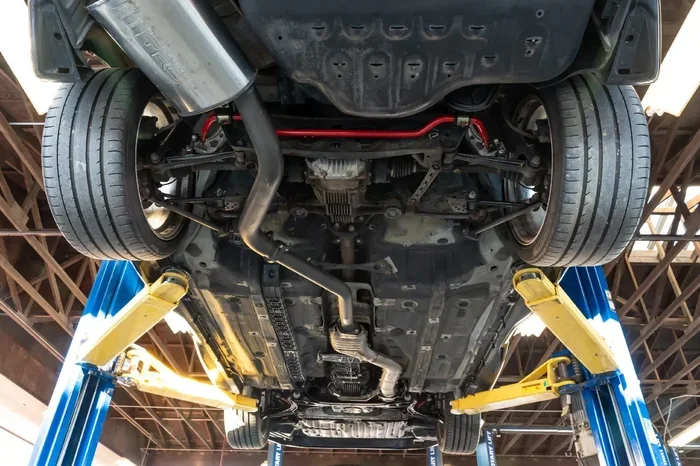
- Lift the car safely using a jack and jack stands or drive onto a ramp.
- Locate the transmission pan and place the drain pan underneath.
- Remove the drain plug and let the old fluid drain completely.
- Replace the transmission filter if accessible and recommended.
- Reinstall the drain plug and tighten it securely.
- Add new fluid through the dipstick tube using a funnel.
- Check the level with the engine running and the car on a level surface.
Always dispose of old transmission fluid properly. Take it to a recycling center or auto parts store that accepts used fluids.
Common Transmission Fluid Problems in Toyota Camry
Even with regular maintenance, transmission fluid problems can occur. Knowing the common issues helps you catch them early and avoid costly repairs.
Low Transmission Fluid Level
Low fluid level is one of the most common problems Camry owners face. Fluid can leak out over time through seals, gaskets, or the transmission pan. A low fluid level causes the transmission to overheat and shift poorly.
Common causes of low fluid include:
- Worn seals or gaskets
- A loose or damaged transmission pan
- Cracked transmission lines
- Worn axle seals
If you notice a red or pink puddle under your Camry, check the fluid level right away. Driving with low transmission fluid can cause serious internal damage.
Dirty or Contaminated Fluid
Over time, transmission fluid collects dirt, metal particles, and other contaminants. Dirty fluid does not lubricate as effectively and can cause increased wear on internal components. Dark, gritty fluid is a clear sign that a change is overdue.
A transmission fluid flush can help remove old, contaminated fluid completely. A simple drain and refill only replaces about 40 to 50 percent of the fluid. A full flush replaces nearly all of it, providing a more thorough refresh.
Transmission Fluid Leaks
Leaks are a serious concern. Even a small leak can lead to a significant fluid loss over time. Common leak points on a Toyota Camry include the transmission pan gasket, the output shaft seal, and the cooler lines. If you see fluid drops under your parked Camry, do not ignore them.
Burning Transmission Fluid
When transmission fluid overheats, it breaks down and produces a burnt smell. Overheating can be caused by low fluid levels, towing heavy loads, or stop-and-go driving in hot weather. Burnt fluid loses its lubricating properties and can damage the transmission internally.
If your fluid smells burnt, change it immediately. Also, inspect the transmission for any signs of internal damage, such as slipping gears or delayed shifting.
Expert Tips for Toyota Camry Transmission Maintenance
Taking care of your Camry transmission does not have to be complicated. A few simple habits can extend the life of your transmission and keep it running smoothly for hundreds of thousands of miles.
Quick Tips for Daily Maintenance
- Check your fluid monthly. A quick check takes less than five minutes and can catch problems early.
- Use only Toyota-recommended fluid. Aftermarket fluids may not meet the same standards.
- Avoid aggressive driving. Hard acceleration and sudden stops put extra stress on the transmission.
- Warm up your car in cold weather. Letting the engine idle for 30 seconds before driving helps the fluid circulate.
- Address leaks immediately. Even small leaks can become big problems quickly.
When to See a Professional
While many maintenance tasks are DIY-friendly, some transmission issues require professional help. If you experience any of the following, take your Camry to a trusted mechanic:
- The transmission slips in and out of gear
- You hear grinding or clunking noises
- The check engine light is on
- Fluid leaks are severe or recurring
- The transmission feels hot to the touch
A professional transmission inspection can identify hidden problems before they become expensive repairs. Regular professional check-ups are a smart investment for any Camry owner.
Common Mistakes to Avoid
Even well-meaning Camry owners can make mistakes when it comes to transmission maintenance. Here are a few to watch out for:
- Using the wrong fluid type: This is one of the most common and costly mistakes. Always use the fluid specified in your owner’s manual.
- Ignoring low fluid warnings: Driving with low transmission fluid can cause irreversible damage.
- Skipping regular changes: Even “lifetime” fluids benefit from periodic replacement.
- Overfilling the transmission: Too much fluid causes foaming and pressure buildup.
- Neglecting leaks: A small leak today becomes a major repair tomorrow.
Avoiding these mistakes keeps your Camry transmission healthy and your wallet happy.
Transmission Fluid Capacity and Specifications
Knowing the correct transmission fluid capacity for your Toyota Camry helps you plan fluid changes and avoid overfilling or underfilling. The capacity varies depending on the model year and transmission type.
As a general reference:
- Automatic transmission (4-cylinder): Approximately 7 to 8 quarts of ATF
- Automatic transmission (V6): Approximately 8 to 9 quarts of ATF
- Manual transmission: Approximately 2 to 3 quarts of gear oil
Always refer to your specific model year’s owner manual for the exact capacity. The torque converter also holds additional fluid that is not measured by the dipstick.
Conclusion
So, does a Toyota Camry have transmission fluid? The answer is a definitive yes. Every Toyota Camry, regardless of year, engine size, or transmission type, relies on transmission fluid to operate properly. This fluid keeps the gears lubricated, the transmission cool, and the shifts smooth.
Taking care of your Toyota Camry transmission fluid is one of the simplest and most important things you can do as a car owner. Regular checks, timely fluid changes, and prompt attention to warning signs can add years of reliable service to your Camry.
Do not wait until something goes wrong. Make transmission fluid maintenance a regular part of your car care routine. Your Camry will thank you with smooth, reliable performance mile after mile. Start today by checking your fluid level. It takes just a few minutes and gives you peace of mind.
Frequently Asked Questions
What type of transmission fluid does a Toyota Camry use?
Most Toyota Camrys from 2004 onward use Toyota Genuine ATF WS (World Standard) fluid. Older models may use ATF IV or a different specification. Always check your owner’s manual for the exact fluid type recommended for your specific Camry year and model.
How often should I change the transmission fluid in my Toyota Camry?
Most experts recommend changing the transmission fluid every 30,000 to 60,000 miles for older Camry models. Newer Camrys may have “lifetime” fluid, but many mechanics still suggest a change around the 60,000-mile mark, especially if you drive in harsh conditions or heavy traffic.
Can I check the transmission fluid on my Toyota Camry myself?
Yes, you can. Checking the transmission fluid on a Toyota Camry is straightforward. Simply warm up the engine, park on a level surface, locate the dipstick, pull it out, wipe it clean, reinsert it, and then pull it out again to read the level. It takes less than five minutes.
What happens if I drive a Toyota Camry with low transmission fluid?
Driving with low transmission fluid is very risky. The transmission can overheat, gears can wear out prematurely, and you may experience slipping or rough shifting. In severe cases, low fluid can cause complete transmission failure, which is an expensive repair.
Is a transmission fluid flush necessary for a Toyota Camry?
A full transmission fluid flush is not always necessary, but it can be beneficial. A flush replaces nearly all the old fluid, including fluid trapped in the torque converter and transmission lines. A simple drain and refill replaces about half the fluid. Both methods are valid, but a flush provides a more thorough refresh.
How do I know if my Toyota Camry transmission fluid is leaking?
Look for red or pink fluid pooling under your parked Camry. Other signs include a burning smell, difficulty shifting gears, or the transmission fluid warning light on your dashboard. If you notice any of these symptoms, check the fluid level and inspect for leaks right away.
=== CONCLUSION ===
Your Toyota Camry absolutely has transmission fluid, and keeping it in great shape is essential for smooth, reliable driving. From understanding the right fluid type to knowing when to change it, this guide has covered everything you need. Regular maintenance, attentive fluid checks, and prompt repairs are the keys to a long-lasting transmission. Take action today and give your Camry the care it deserves.