How Bad Is Toyota 4Runner Gas Mileage On A Road Trip
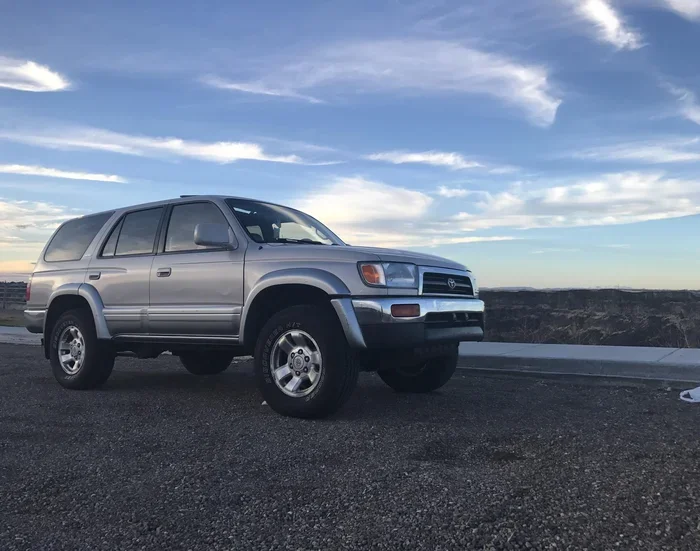
Toyota 4Runner gas mileage is below average for SUVs, typically ranging from 16 to 20 MPG depending on the trim and driving conditions. On a long road trip, you can expect highway mileage closer to 20 MPG, which means more frequent stops and higher fuel costs. Despite the thirst for fuel, the 4Runner remains one of the most popular off-road SUVs thanks to its rugged reliability, strong V6 engine, and legendary durability that makes every mile worth it.
Key Takeaways
- Average MPG is modest: The Toyota 4Runner delivers around 16 to 20 MPG combined, which is lower than many modern SUVs.
- Highway mileage is better than city: Road trip driving typically yields closer to 20 MPG compared to 16 MPG in city conditions.
- Fuel costs add up on long trips: With a 23-gallon tank, you can expect to spend $150 to $250+ on fuel for a multi-day road trip.
- Trim and drivetrain matter: TRD Off-Road and TRD Pro models tend to get slightly lower MPG than base SR5 or Limited trims.
- Simple habits improve mileage: Maintaining tire pressure, reducing excess weight, and using cruise control can boost your 4Runner fuel economy.
- The 4Runner holds its value: Despite poor gas mileage, strong resale value offsets fuel costs over time.
- 2024+ models offer slight improvements: Newer 4Runner generations have modestly better fuel economy thanks to updated powertrain tuning.
📑 Table of Contents
- Understanding Toyota 4Runner Gas Mileage
- City vs Highway Mileage: What to Expect
- How Road Trips Affect Your 4Runner Fuel Economy
- Comparing 4Runner Gas Mileage to Other SUVs
- Tips to Improve Your 4Runner Fuel Economy
- Is the 4Runner Worth It Despite the Mileage?
- The Future of Toyota 4Runner Fuel Economy
- Conclusion
Understanding Toyota 4Runner Gas Mileage
If you are thinking about taking a Toyota 4Runner on a road trip, you probably already know one thing. Toyota 4Runner gas mileage is not going to win any awards. But how bad is it really? The honest answer depends on a few factors. Your driving style, the trim you choose, the terrain you tackle, and even the year of your model all play a role.
The current generation 4Runner comes with a 4.0-liter V6 engine that produces 270 horsepower. This engine has been a staple in the 4Runner lineup for years. It is reliable, powerful, and built for tough conditions. But that power comes at a cost. Fuel economy is not its strong suit. The EPA rates the 2024 4Runner at around 16 MPG in the city and 19 MPG on the highway. Combined, you are looking at roughly 17 MPG.
Now, these are official EPA numbers. Real-world results can vary. Many 4Runner owners report getting slightly different numbers depending on their driving habits. Some say they hit 20 MPG on long highway stretches. Others admit their mileage drops into the mid-teens when they are towing or crawling over rocks off-road.
Why Does the 4Runner Use So Much Fuel?
The answer comes down to a few key reasons. First, the 4Runner is a body-on-frame SUV. This means it uses a separate frame and body, similar to a truck. This design makes it incredibly strong and durable. But it also adds weight. A base 4Runner weighs around 4,700 pounds. That is a lot of mass to move down the road.
Second, the 4.0-liter V6 engine is tuned for torque and off-road capability, not efficiency. It produces 270 horsepower and 278 lb-ft of torque. That is plenty of power for climbing rocks or hauling gear. But it burns more gas than a smaller, modern turbo engine would.
Third, the 4Runner has not had a major redesign in over a decade. Toyota kept the same basic platform for a very long time. While this is great for reliability, it means the aerodynamics and powertrain technology are older compared to newer SUVs on the market.
City vs Highway Mileage: What to Expect
Your Toyota 4Runner gas mileage will look very different depending on where you are driving. City driving and highway driving produce very different results. Let us break it down.
City Driving Mileage
In city conditions, the 4Runner struggles the most. Stop-and-go traffic, idling at intersections, and lower speeds all hurt fuel economy. Most owners report getting between 14 and 17 MPG in the city. If you are driving through urban areas on your road trip, expect to fill up more often.
City driving is where the 4Runner’s fuel economy hits its lowest point. The V6 engine works harder in stop-and-go situations. The heavy frame does not help either. If your road trip includes a lot of city driving, plan for more fuel stops than you might expect.
Highway Driving Mileage
Highway driving is where the 4Runner shines a little brighter. At steady speeds of 60 to 70 mph, the engine can settle into a comfortable rhythm. Most owners report getting 19 to 22 MPG on flat highway stretches. Some even push past 22 MPG when driving at moderate speeds with cruise control engaged.
If your road trip involves long highway miles through open areas, you will get better mileage than someone stuck in city traffic. Highway fuel economy is where the 4Runner is most competitive with other midsize SUVs. Still, it is not class-leading. Many newer crossovers and SUVs get 25 to 30 MPG on the highway.
Off-Road Mileage
And then there is off-road driving. If you are hitting trails, dirt roads, or rocky terrain, your mileage will drop significantly. Crawling over obstacles uses a lot of fuel. Low-range gearing keeps the engine working hard. Expect off-road mileage to dip into the 12 to 15 MPG range, sometimes even lower.
This is the trade-off you make for the 4Runner’s legendary off-road capability. The same toughness that lets you conquer trails also means you burn more fuel when you are out there having fun.
How Road Trips Affect Your 4Runner Fuel Economy
Taking a Toyota 4Runner on a road trip is an amazing experience. The ruggedness, the comfort, the ability to go anywhere. But the fuel costs can add up fast. Let us talk about what you can expect on a typical road trip.
Fuel Costs on a Long Road Trip
The 4Runner has a 23-gallon fuel tank. That is a decent size. With 20 MPG on the highway, you can expect to get about 460 miles of range on a full tank. That sounds good until you realize a cross-country trip might be 2,000 miles or more.
Here is a quick breakdown of what fuel costs might look like on a road trip:
- 500-mile road trip: About 25 gallons needed. At $3.50 per gallon, that is roughly $87.
- 1,000-mile road trip: About 50 gallons needed. Cost comes to around $175.
- 2,000-mile cross-country trip: About 100 gallons needed. You are looking at $350 or more.
These numbers assume you are getting close to 20 MPG on the highway. If your mileage is lower, the costs go up. Toyota 4Runner gas mileage on a road trip is manageable, but it is not cheap.
Tips for Saving Fuel on a Road Trip
Good news. You can improve your 4Runner fuel economy on a road trip with a few simple habits. Here are some tips that actually work:
- Use cruise control on flat highways. Maintaining a steady speed helps the engine run efficiently. It can boost your mileage by 1 to 2 MPG.
- Keep your tires properly inflated. Underinflated tires create more rolling resistance. This forces the engine to work harder and burn more fuel.
- Remove excess weight from the vehicle. Roof racks, heavy gear, and extra cargo all add weight. Lighter loads mean better mileage.
- Avoid aggressive acceleration. Pressing the gas pedal gently saves fuel. Jackrabbit starts are a mileage killer.
- Plan your route to avoid heavy traffic. Idling in traffic wastes fuel. Use apps to find the least congested routes.
- Keep your air conditioning at a reasonable level. Running the AC on max can reduce fuel economy. Use it when needed but do not overdo it.
These small changes can make a noticeable difference over the course of a long road trip. You will not turn your 4Runner into a hybrid, but every bit helps.
Comparing 4Runner Gas Mileage to Other SUVs
To really understand how Toyota 4Runner gas mileage stacks up, it helps to compare it to similar SUVs on the market. Here is a quick look at how the 4Runner measures up against some popular competitors.
4Runner vs. Competitors
| SUV Model | City MPG | Highway MPG | Combined MPG |
|---|---|---|---|
| Toyota 4Runner | 16 | 19 | 17 |
| Ford Bronco (2.3L EcoBoost) | 20 | 24 | 21 |
| Jeep Wrangler (2.0L Turbo) | 22 | 26 | 23 |
| Chevrolet Tahoe | 16 | 20 | 17 |
| Toyota Tacoma | 19 | 24 | 21 |
| Ford Explorer | 21 | 28 | 24 |
As you can see, the 4Runner is not the most fuel-efficient option in its class. The Ford Bronco and Jeep Wrangler both offer noticeably better mileage. Even the Ford Explorer gets more miles per gallon. However, the 4Runner holds its own against the Chevrolet Tahoe, which is a much larger and heavier vehicle.
Where the 4Runner really stands out is in resale value and reliability. Many buyers accept the lower fuel economy because they know the truck will last for years and hold its value well. Toyota 4Runner gas mileage is a trade-off for that long-term durability and strong resale numbers.
Why People Still Choose the 4Runner Despite the Mileage
If the fuel economy is so low, why do so many people buy the 4Runner? The answer is simple. It is one of the most capable and reliable off-road SUVs ever made. Here are the main reasons buyers choose the 4Runner despite the gas mileage:
- Legendary reliability. The 4Runner has a reputation for lasting well over 300,000 miles with proper maintenance.
- Excellent resale value. 4Runners hold their value better than almost any other SUV on the market.
- Proven off-road capability. TRD Off-Road and TRD Pro trims can handle trails that would destroy most SUVs.
- Simple, durable design. Fewer electronic systems mean fewer things to break.
- Strong community and aftermarket support. There are thousands of mods and accessories available.
These strengths make the 4Runner a beloved vehicle. The fuel economy is a drawback, but for many owners, the pros far outweigh the cons.
Tips to Improve Your 4Runner Fuel Economy
Even though the 4Runner is not known for great gas mileage, there are ways to squeeze out a few extra MPG. These tips can help you save fuel on your daily drives and road trips alike.
Regular Maintenance Matters
Keeping your 4Runner well-maintained is one of the best ways to improve fuel economy. Here is what you should focus on:
- Change your oil regularly. Fresh oil reduces engine friction and helps the engine run more efficiently.
- Replace air filters on schedule. A clogged air filter restricts airflow to the engine, which hurts performance and mileage.
- Check your spark plugs. Worn spark plugs cause incomplete combustion, wasting fuel.
- Keep your alignment in check. Poor alignment creates drag and forces the engine to work harder.
These maintenance tasks are simple and affordable. They can make a real difference in your 4Runner fuel economy over time.
Driving Habits That Save Fuel
How you drive matters just as much as how you maintain your vehicle. Try these driving habits to get better mileage:
- Accelerate smoothly and gradually. Heavy acceleration wastes fuel. Gentle starts are much more efficient.
- Drive at steady speeds. Constantly speeding up and slowing down hurts fuel economy. Use cruise control when possible.
- Anticipate traffic and coast. Looking ahead and easing off the gas when you see traffic slowing down saves fuel.
- Avoid excessive idling. Turn off the engine if you are parked for more than a minute. Idling burns gas for zero distance.
These habits take a little practice, but they add up over time. You will notice the difference at the pump.
Is the 4Runner Worth It Despite the Mileage?
The big question is whether the Toyota 4Runner is worth buying when the gas mileage is so low. The answer depends on your needs and priorities. Let us look at both sides of the equation.
When the 4Runner Makes Sense
The 4Runner is a great choice if you fit into any of these categories:
- You go off-road regularly. The 4Runner is one of the best off-road SUVs you can buy. The fuel economy is a small price to pay for that capability.
- You need a reliable daily driver that can also handle adventures. The 4Runner works as a commuter vehicle and a weekend trail rig.
- You plan to keep the vehicle for a long time. The 4Runner’s strong resale value means you lose less money when you sell.
- You tow occasionally. The 4Runner can tow up to 5,000 pounds. If you need to haul a trailer, the fuel economy is a trade-off you accept.
When You Should Consider Alternatives
On the other hand, the 4Runner might not be the best choice if:
- You do mostly city driving. If your daily commute is in heavy traffic, the low city MPG will sting at the pump.
- You drive long distances frequently. High annual mileage means fuel costs will be a significant part of your ownership expense.
- Fuel efficiency is your top priority. If saving gas matters most to you, there are many better options on the market.
For many buyers, the 4Runner hits a sweet spot. It is capable, reliable, and fun to drive. The fuel economy is a compromise, but one that many owners are happy to make.
The Future of Toyota 4Runner Fuel Economy
Toyota is working on the next generation of the 4Runner. The upcoming 2025 model is expected to bring significant changes. One of the biggest improvements will likely be a hybrid powertrain.
A hybrid 4Runner could see a major boost in fuel economy. Hybrid technology has come a long way in recent years. Toyota already uses hybrid systems in the RAV4, Highlander, and other models. Applying that technology to the 4Runner could push Toyota 4Runner gas mileage closer to 25 to 30 MPG combined.
While we do not know all the details yet, the industry trend is clear. Even rugged off-road vehicles are getting more efficient. Toyota understands that buyers want capability without completely ignoring fuel costs. The next-generation 4Runner could be a game-changer for the model line.
Until then, current 4Runner owners and buyers will need to accept the fuel economy as it is. But with the tips and strategies we have covered, you can make the most of every gallon.
Conclusion
Toyota 4Runner gas mileage is not great by modern standards. The 4Runner delivers around 16 to 20 MPG depending on driving conditions, and that is below average for SUVs in its class. On a road trip, you can expect highway mileage closer to 20 MPG, which means planning for more fuel stops and a bigger fuel budget.
However, the 4Runner is not just about fuel economy. It is a vehicle built for adventure, reliability, and capability. The strong V6 engine, legendary durability, and excellent resale value make it one of the most compelling SUVs on the market. The gas mileage is a drawback, but it is one that millions of 4Runner owners are willing to accept.
If you are planning a road trip in a 4Runner, go in with realistic expectations. Budget for fuel costs, use the tips we shared to maximize your mileage, and enjoy the ride. The 4Runner is not the most efficient vehicle on the road, but it might just be the most rewarding one.
So the next time someone asks, “How bad is Toyota 4Runner gas mileage on a road trip?” you will have the full picture. It is not perfect, but it is part of what makes the 4Runner the unique and beloved vehicle it is today.
Frequently Asked Questions
How bad is Toyota 4Runner gas mileage compared to other SUVs?
The 4Runner’s fuel economy is below average for SUVs. Most competitors in the midsize SUV class get 20 to 25 MPG combined, while the 4Runner averages around 17 MPG combined. The trade-off is the 4Runner’s legendary reliability and off-road capability.
What is the real-world Toyota 4Runner gas mileage on a highway road trip?
Many owners report getting 19 to 22 MPG on highway road trips. Your actual mileage depends on your speed, terrain, load, and driving habits. Using cruise control at steady speeds and keeping the vehicle well-maintained helps maximize your highway fuel economy.
Does towing reduce Toyota 4Runner gas mileage?
Yes, towing significantly reduces fuel economy. When you tow a trailer, the engine works much harder. Expect your 4Runner mileage to drop by 3 to 5 MPG or more when towing. The 4Runner has a towing capacity of 5,000 pounds, but pulling that weight comes at a fuel cost.
How much does it cost to fuel a Toyota 4Runner for a road trip?
For a typical 1,000-mile road trip, you can expect to spend around $175 on fuel, assuming gas prices of $3.50 per gallon and an average of 20 MPG. Longer trips and lower mileage will increase the cost. Planning your route and fuel stops ahead of time helps manage expenses.
Can you improve Toyota 4Runner gas mileage with modifications?
Some modifications can help. Removing unnecessary roof racks and cargo reduces weight and drag. Installing a performance air intake or cat-back exhaust can marginally improve airflow. However, the biggest gains come from driving habits like smooth acceleration and steady highway speeds.
Is the next-generation 4Runner expected to have better gas mileage?
Yes, the upcoming 2025 Toyota 4Runner is expected to feature a hybrid powertrain that could significantly improve fuel economy. Early reports suggest combined MPG could increase to the 25 to 30 range. Toyota has not confirmed all details yet, but the shift to hybrid technology is a promising development for 4Runner buyers.