Can You Jump-Start a Prius – The Complete How-To Guide
Yes, you can jump-start a Prius — but the process differs from a regular car. The Toyota Prius uses both a 12-volt auxiliary battery and a high-voltage hybrid battery. You only need to boost the 12-volt system to get your Prius running again. This guide walks you through every step, from preparing your cables to avoiding costly mistakes.
It happens to the best of us. You walk out to your Toyota Prius, turn the key, and nothing happens. The dashboard stays dark. The engine refuses to turn over. Your heart sinks. You wonder, can you jump-start a Prius? The short answer is yes. But the process is a bit different from what you might be used to with a regular gasoline car.
The Prius is a hybrid vehicle that runs on two separate battery systems. One is a standard 12-volt accessory battery that powers your lights, radio, and computer systems. The other is a high-voltage hybrid battery that drives the electric motor. When people say their Prius won’t start, it is almost always the 12-volt battery that has gone dead. And that is exactly what a jump-start addresses.
Whether you are stranded in a parking lot or dealing with a dead battery at home, knowing how to jump-start a Prius can save you time, money, and a lot of stress. This guide covers everything you need to know. We will walk you through the tools you need, the step-by-step process, common mistakes to avoid, and tips to prevent this problem in the future.
Key Takeaways
- The 12-volt battery is what you jump-start: The Prius hybrid system does not need a jump for its main traction battery.
- You can use a portable jump starter: A compact jump starter works great for Prius owners on the go.
- Follow the correct cable order: Connecting cables in the wrong sequence can damage your hybrid system.
- Never open the high-voltage battery: The orange-cabled hybrid battery carries dangerous voltage and should always be left alone.
- Know when to call for help: If jump-starting fails after two attempts, seek professional Toyota roadside assistance.
- Prevent dead batteries with regular driving: Short trips and infrequent use are the top causes of a dead Prius 12-volt battery.
📑 Table of Contents
- How the Prius Battery System Works
- Can You Jump-Start a Prius? Yes — Here Is What You Need
- Step-by-Step Guide to Jump-Starting a Prius
- Common Mistakes to Avoid When Jump-Starting a Prius
- Quick Tips Every Prius Owner Should Know
- When to Seek Professional Help
- Comparing Jump-Start Methods for Prius Owners
- Preventing a Dead Battery in Your Prius
- Conclusion
How the Prius Battery System Works
Before you try to jump-start your car, it helps to understand what is happening under the hood. The Toyota Prius hybrid battery system is unique compared to traditional vehicles. Knowing the difference between the two batteries will keep you safe and prevent costly errors.
The 12-Volt Auxiliary Battery
The 12-volt battery in a Prius is a standard lead-acid battery, much like the one in any conventional car. It powers the starter motor, the dashboard lights, the infotainment system, and all the small electronics that keep your car running. When this battery dies, your Prius will not start, even if the high-voltage hybrid battery is fully charged.
This 12-volt battery is located in the rear of the vehicle, usually under the rear seat or in the trunk area depending on the Prius model year. You will need to open the trunk or lift the rear seat to access the battery terminals. The location varies slightly across models, so check your owner’s manual if you are unsure.
The High-Voltage Hybrid Battery
The high-voltage battery is what makes the Prius a hybrid. It typically operates at 200 to 250 volts and powers the electric motor that assists the gasoline engine. This battery is always ready to go as long as the car has been driven recently. It charges itself through regenerative braking and the gasoline engine.
Here is the key point: you do not need to jump-start the high-voltage battery. It does not need external power. The only battery you ever need to boost is the 12-volt auxiliary system. This distinction is critical for safety and for understanding why the jump-start process for a Prius looks different.
Can You Jump-Start a Prius? Yes — Here Is What You Need
The answer to can you jump-start a Prius is a definitive yes. You have several options for getting the job done. Let us look at the tools and methods available.
Method 1: Using Another Vehicle and Jump Cables
This is the most common method. You will need a set of jump cables and another vehicle with a working 12-volt battery. Standard jump cables rated for 400 to 600 amps work perfectly for a Prius. Make sure the cables are thick enough and the clamps are secure.
Method 2: Using a Portable Jump Starter
A portable jump starter is a compact device you can keep in your trunk. These small units pack enough power to boost a Prius 12-volt battery without needing another car. They are especially useful for emergency roadside situations. Brands like NOCO, DBPOWER, and Tacklife make reliable units that fit easily in a glove box or trunk.
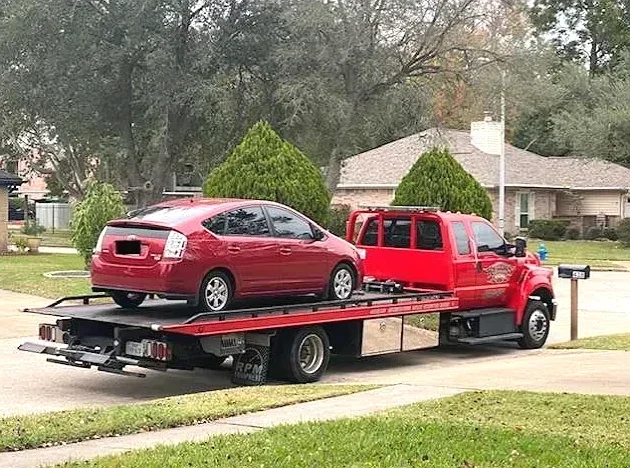
Method 3: Calling Toyota Roadside Assistance
If you do not have cables or a jump starter handy, call for help. Toyota offers Toyota roadside assistance for new vehicles, and many insurance plans include hybrid car maintenance roadside coverage. This is a safe option if you are uncomfortable doing it yourself.
What Not to Use
Never try to push-start a Prius the way you might with a manual transmission car. The Prius does not have a traditional ignition system that responds to pushing. Also, never attempt to boost the high-voltage battery directly. The orange cables indicate high voltage and should never be touched by anyone other than a trained technician.
Step-by-Step Guide to Jump-Starting a Prius
Now that you know what you need, let us walk through the process. Follow these steps carefully and in the correct order.
Step 1: Position the Vehicles
If you are using another car, park it close to your Prius. The front bumpers should face each other but should not touch. Turn off the engine of both vehicles. Engage the parking brake on both cars. This keeps everything stable and safe during the process.
Step 2: Locate the 12-Volt Battery Terminals
Open the hood of the assisting vehicle and locate its battery terminals. They are usually marked with a positive (+) and negative (-) symbol. Next, open your Prius trunk or rear seat and locate the 12-volt battery cover. Under the cover, you will find the positive and negative terminals.
The positive terminal on a Prius is often marked with a red cover or a plus sign. The negative terminal is usually a bare metal bolt or grounding point nearby. If you cannot find it, consult your Prius owner manual for the exact location.
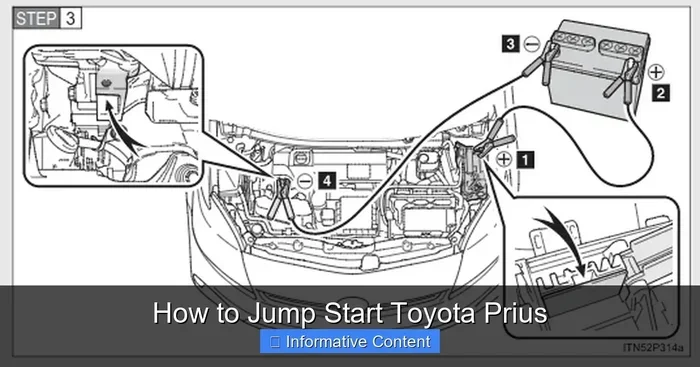
Step 3: Connect the Jump Cables in the Correct Order
This is the most important part. Connecting cables in the wrong order can cause sparks, damage the electrical system, or even create a safety hazard. Follow this sequence exactly:
- Connect the red clamp to the positive terminal of the dead Prius battery.
- Connect the other red clamp to the positive terminal of the working vehicle’s battery.
- Connect the black clamp to the negative terminal of the working vehicle’s battery.
- Connect the other black clamp to an unpainted metal surface on the Prius frame, away from the battery. This serves as a ground.
Never let the clamp ends touch each other once they are attached to a battery. Keep them separated to avoid sparks.
Step 4: Start the Working Vehicle First
Start the engine of the assisting vehicle and let it idle for a few minutes. This allows the working battery to send a small charge to your Prius 12-volt battery. You will notice the dashboard lights on your Prius starting to glow as it receives power.
Step 5: Start the Prius
Press the Start/Stop button on your Prius as you normally would. The car should turn over and the hybrid system will engage. You may hear the electric motor whir to life. If the Prius starts, let it run for at least 15 to 20 minutes to recharge the 12-volt battery.
If the Prius does not start on the first try, wait another two to three minutes and try again. Do not attempt more than three or four starts in a row, as this can strain the battery further.
Step 6: Disconnect the Cables in Reverse Order
Once your Prius is running, carefully remove the cables in the reverse order:
- Remove the black clamp from the Prius grounding point.
- Remove the black clamp from the working vehicle’s battery.
- Remove the red clamp from the working vehicle’s battery.
- Remove the red clamp from the Prius battery.
Keep the clamps away from each other as you disconnect them. Store the cables properly for future use.
Common Mistakes to Avoid When Jump-Starting a Prius
Even with the right tools, mistakes can happen. Here are the most common errors Prius owners make and how to avoid them.
- Connecting cables in the wrong order: This is the number one mistake. Always follow the red-positive-positive-negative-ground sequence. Reversing the order can fry your car’s computer system.
- Touching metal surfaces with the clamps: Letting the positive and negative clamp ends touch each other creates sparks. This can ignite hydrogen gas near the battery or damage sensitive electronics.
- Trying to jump the high-voltage battery: The orange cables and components are strictly off-limits. Only work with the 12-volt system. The high-voltage battery is sealed and should only be handled by certified technicians.
- Not letting the working car run long enough: A few seconds of idling is not enough. Let the assisting vehicle run for several minutes before trying to start the Prius.
- Driving off immediately without recharging: After a successful jump-start, drive your Prius for at least 20 to 30 minutes. The 12-volt battery needs time to recharge through the power inverter system.
- Ignoring a battery that keeps dying: If your Prius 12-volt battery dies repeatedly, it may be time for a replacement. A failing battery could also signal a deeper electrical issue that needs professional diagnosis.
Quick Tips Every Prius Owner Should Know
These practical tips will make jump-starting your Prius easier and help you prevent battery problems in the future.
- Keep a set of jump cables in your trunk at all times. They take up minimal space and can save you in a pinch.
- Invest in a portable jump starter designed for hybrid vehicles. These compact devices are lightweight and easy to store.
- Label your Prius 12-volt battery terminals with small stickers so you can find them quickly in an emergency.
- Write down the cable connection order and tape it to your jump cables. You will never have to guess under stress.
- If you park your Prius for extended periods, use a battery maintainer or trickle charger to keep the 12-volt battery healthy.
- Take your Prius on a longer drive at least once a week if it sits idle for days. Short trips do not fully recharge the 12-volt battery.
When to Seek Professional Help
Most of the time, jump-starting a Prius is straightforward. But there are situations where you should call in the professionals.
If you have attempted the jump-start process twice and the car still will not turn on, stop trying. Repeated attempts can damage the electrical system. At that point, call Toyota roadside assistance or a certified mechanic. They have the diagnostic tools to determine whether the problem is the 12-volt battery, the alternator, or something else entirely.
Also seek professional help if you notice any of these warning signs:
- The battery terminals are corroded or damaged.
- You smell sulfur or rotten eggs near the battery area.
- The dashboard displays a hybrid system warning light.
- The car starts but shuts off immediately.
- You accidentally touched the orange high-voltage cables.
These situations require expert attention. Do not attempt to fix them on your own. A trained Toyota technician can safely diagnose and resolve the issue.
Comparing Jump-Start Methods for Prius Owners
Not all jump-start methods are created equal. Here is a quick comparison of the three main options available to Prius owners.
| Method | Pros | Cons | Best For |
|---|---|---|---|
| Another Vehicle + Jump Cables | No extra equipment needed; uses common tools | Requires a second vehicle; careful cable ordering | Emergency situations with another car nearby |
| Portable Jump Starter | Compact; works alone; no cables needed from another car | Costs $50 to $150; needs periodic recharging | Solo drivers; frequent travelers; roadside emergencies |
| Roadside Assistance | No effort required; professional help on the way | Wait time can be long; may not be covered | Unfamiliar with the process; safety concerns |
Each method has its place. A portable jump starter is the most convenient option for daily preparedness. Jump cables with another vehicle work great when you are near other cars. And roadside assistance is your safety net when nothing else works.
Preventing a Dead Battery in Your Prius
The best way to handle a dead Prius battery is to never let it happen in the first place. A few simple habits can keep your 12-volt auxiliary battery healthy and strong for years.
First, drive your Prius regularly. The 12-volt battery recharges while the car is running, and the regenerative braking system helps maintain overall battery health. If you only take short trips around the block, the battery may not fully recharge over time.
Second, turn off all accessories before shutting off the engine. Lights, the radio, phone chargers, and the infotainment system all draw power from the 12-volt battery. Leaving them on while the car is off can drain the battery over time.
Third, get your battery tested during routine hybrid car maintenance. Most Toyota dealerships can test your 12-volt battery as part of a regular service visit. They will tell you if it is losing capacity and needs replacement before it leaves you stranded.
Conclusion
Can you jump-start a Prius? Absolutely. The process is safe, straightforward, and well within the capability of any car owner with basic knowledge and the right tools. The key is understanding that you are only boosting the 12-volt auxiliary battery, not the high-voltage hybrid system. Follow the cable connection order carefully, use the right tools, and never rush the process.
Keep a set of jump cables or a portable jump starter in your trunk, and you will be prepared for any emergency roadside situation. If jump-starting does not work after a couple of attempts, do not hesitate to call for professional help. Your safety always comes first.
With the knowledge in this guide, you now have everything you need to handle a dead Prius battery with confidence. Bookmark this page, share it with fellow Prius owners, and drive knowing you are prepared for whatever the road throws your way.
Frequently Asked Questions
How long does it take to jump-start a Prius?
The entire process takes about 10 to 15 minutes once you have your cables or jump starter ready. Connecting the cables takes a few minutes, and letting the working vehicle charge the dead battery adds another few minutes. After that, starting the Prius should only take a few seconds.
Can a dead Prius battery damage the hybrid system?
A dead 12-volt battery will not damage the high-voltage hybrid system. However, repeatedly attempting to start the car without success can strain the electrical components. If the Prius does not start after two or three tries, stop and seek professional help to avoid potential damage.
How often does a Prius 12-volt battery need to be replaced?
Most Prius 12-volt batteries last between three and five years, depending on driving habits and climate. Hot weather tends to shorten battery life, while regular driving helps keep it healthy. If your Prius is older than four years and you notice slow cranking or dim lights, it may be time for a replacement.
Is it safe to jump-start a Prius in the rain?
Yes, it is generally safe as long as you take normal precautions. Keep the jump cables dry and avoid standing in puddles while connecting them. The electrical systems in modern Prius models are well-sealed. Just exercise common sense and avoid any contact between cable clamps and wet surfaces.
What is the cost of replacing a Prius 12-volt battery?
A replacement 12-volt battery for a Toyota Prius typically costs between $150 and $300, including parts and labor. If you are comfortable with basic car maintenance, you can purchase the battery and install it yourself for a lower cost. Always check your warranty, as some newer Prius batteries may still be covered.
Can you use any set of jump cables for a Prius?
You can use standard jump cables rated for at least 400 amps. Most consumer-grade cables work fine for a Prius. Just make sure the clamps are secure and the cable gauge is thick enough (at least 8-gauge). Avoid using damaged or frayed cables, as they can cause sparks or fail to deliver enough power.