Can You Flat Tow a Kia Soul Everything You Need to Know
Can you flat tow a Kia Soul? The answer depends on your model year and drivetrain. Front-wheel drive Kia Soul models from most years can be flat towed with all four wheels on the ground, but all-wheel drive versions need a different approach. This guide covers everything you need to know about flat towing a Kia Soul safely and correctly.
So you are planning a road trip or maybe you just got stranded on the side of the highway. The thought of flat towing your Kia Soul behind an RV or a pickup truck might seem like the easiest solution. But here is the thing. Not every car can be flat towed safely. And if you get this wrong, you could end up with a very expensive repair bill.
Can you flat tow a Kia Soul? The short answer is yes, but with some important caveats. It depends on your specific model year, your drivetrain, and whether you follow the right procedures. In this guide, we are going to break down everything you need to know. From which Soul models work to the equipment you need and the steps you must follow. By the end, you will feel confident and prepared.
Flat towing, also called dinghy towing or four-down towing, means pulling your car behind another vehicle with all four wheels on the ground. It is a popular method among RV owners and road trippers. But it is not as simple as just hooking up a strap and driving away. There are specific rules, and the Kia Soul is no exception. Let us dive in.
Key Takeaways
- FWD Kia Soul models can generally be flat towed: Most front-wheel drive versions allow all four wheels on the ground behind a tow vehicle.
- AWD models cannot be flat towed safely: All-wheel drive Souls need a flatbed trailer or tow dolly to prevent drivetrain damage.
- Check your owner manual first: Always verify towing procedures in the vehicle documentation before hitting the road.
- The right equipment matters: You need a tow bar, base plate, safety cables, and auxiliary braking systems for safe flat towing.
- Follow the correct setup steps: Engaging neutral gear, unlocking the steering column, and checking brake lights are all essential.
- Avoid common mistakes: Ignoring transmission lubrication and skipping safety chains are the most frequent errors drivers make.
- Know your alternatives: Dolly towing and flatbed towing are safe options when flat towing is not recommended.
📑 Table of Contents
- What Is Flat Towing and Why Does It Matter for Your Kia Soul
- Can You Flat Tow a Kia Soul Based on Model Year and Drivetrain
- Essential Towing Equipment You Will Need
- Step-by-Step Guide to Flat Towing Your Kia Soul
- Common Mistakes That Can Damage Your Kia Soul
- Flat Towing vs. Dolly Towing vs. Flatbed: Which Is Best for Your Kia Soul
- Expert Tips for Safe and Stress-Free Flat Towing
- Final Thoughts on Flat Towing Your Kia Soul
What Is Flat Towing and Why Does It Matter for Your Kia Soul
Flat towing means your towed vehicle rides on its own wheels while being pulled. This is different from using a car carrier or a flatbed trailer. The big appeal of flat towing is convenience. You do not need extra space. You do not need to load and unload your car every time you stop. You just connect it and go.
But here is why it matters so much for the Kia Soul. The Soul comes in different drivetrain configurations. Some are front-wheel drive. Some are all-wheel drive. And the towing rules are completely different for each one. If you flat tow an AWD vehicle incorrectly, you can destroy the transmission and drivetrain. That is not a scare tactic. It is a real risk that many drivers do not know about.
Understanding your specific Soul model is the first step. The second step is knowing what equipment you need. And the third step is following the correct procedure every single time. We will cover all of that below. So stick with us.
How Flat Towing Works
When you flat tow a vehicle, the tow car pushes the towed car from behind. The towed car’s wheels spin freely on the ground. For front-wheel drive vehicles, this generally works fine because the driven wheels are at the front and they are being pushed, not pulled. But for AWD and four-wheel drive vehicles, all wheels are connected to the transmission and transfer case. When those wheels spin while the engine is off, it can cause serious internal damage.
This is why your owner manual is your best friend. It will tell you exactly whether your specific Kia Soul can be flat towed and under what conditions. Never assume. Always check first.
Can You Flat Tow a Kia Soul Based on Model Year and Drivetrain
This is the most important section of the entire article. Because the answer to can you flat tow a Kia Soul changes depending on the year and the drivetrain. Let us break it down by generation and configuration.
First Generation Kia Soul (2010-2013)
The original Kia Soul was available only as a front-wheel drive vehicle. This means that flat towing is generally safe for these models. The front wheels are the drive wheels, and when they are being pushed behind the tow vehicle, there is no risk of damaging the transmission. Most first generation Souls can be flat towed with all four wheels on the ground without any special modifications.
However, you still need to follow the correct procedure. Put the car in neutral. Make sure the steering is unlocked. And double-check that the brake lights work on the towed vehicle. These small steps make a huge difference in safety.
Second Generation Kia Soul (2014-2019)
The 2014 to 2019 Kia Soul brought some changes. This generation offered both front-wheel drive and all-wheel drive options. If you have an FWD model from this era, flat towing is typically fine. But if you have the AWD version, you cannot flat tow it with all four wheels on the ground.
The AWD system in these Souls uses a center differential and transfer case. When the engine is off and the wheels are spinning, those components do not get lubricated. This can lead to overheating and catastrophic failure. So if your Soul is an AWD model, you need to use a flatbed trailer or a tow dolly instead.
Third Generation Kia Soul (2020-Present)
The latest Kia Soul continues to offer both FWD and AWD trims. The same rules apply here. Front-wheel drive models can generally be flat towed. All-wheel drive models need a flatbed or dolly. Always refer to your specific owner manual for the exact towing instructions for your model year and trim level.
Kia has been very clear about this in their documentation. They provide specific towing guidelines for each model. Ignoring these guidelines can void your warranty. And nobody wants that.
Quick Reference: Kia Soul Towing by Drivetrain
- FWD models (all years): Generally safe for flat towing with all four wheels on the ground.
- AWD models (2014+): Must be transported on a flatbed trailer or with a tow dolly.
- Always confirm in the owner manual: Your specific trim and model year may have unique requirements.
Essential Towing Equipment You Will Need
If you have determined that your Kia Soul can be flat towed, you need the right equipment. This is not optional. Using the wrong gear can lead to accidents, damage, or both. Here is what you need to have before you start.
Tow Bar and Base Plate
A tow bar is the main piece of equipment that connects your Kia Soul to the tow vehicle. It is a rigid A-frame that attaches to the front of the towed car and hooks up to the rear of the tow car. You will also need a base plate that is permanently or semi-permanently mounted to the front bumper of your Soul.
Make sure the tow bar is rated for the weight of your Kia Soul. The Soul is a lightweight crossover, so most standard tow bars will handle it easily. But always check the weight rating before purchasing. A good tow bar costs between $150 and $400 depending on the brand and features.
Safety Cables
Safety cables are a backup connection between the towed vehicle and the tow vehicle. If the tow bar somehow fails, the safety cables prevent the towed car from separating and becoming a hazard on the road. Cross the cables under the tongue of the tow bar to prevent them from dragging on the ground if the bar disconnects.
Auxiliary Braking System
This is a piece of equipment that many people overlook. When your Kia Soul is being towed, its brakes do not work the way they normally would. The towed car has no engine power, so it relies entirely on the tow vehicle’s braking system to slow down. An auxiliary braking system installs a second brake controller in the tow vehicle that activates the towed car’s brakes independently.
This is not just a good idea. In many states and provinces, it is the law for vehicles over a certain weight being towed. Check your local regulations before you hit the road.
Lighting and Signal Adapters
Your towed Kia Soul needs to have working brake lights and turn signals while being towed. You will need a wiring adapter that connects the tow vehicle’s electrical system to the towed vehicle’s lights. These adapters are inexpensive and easy to install. They make a big difference in safety on the road.
Steering Lockout Device
When a car is towed with the wheels on the ground, the steering column can lock up. This can cause serious damage to the steering system. A steering lockout device or simply turning the ignition to the accessory position prevents the steering from locking during towing. Check your owner manual for the correct method for your specific Soul model.
Step-by-Step Guide to Flat Towing Your Kia Soul
Now that you have the equipment and you have confirmed your Soul can be flat towed, let us walk through the actual process. Following these steps every time will keep your car safe and your trip stress-free.
Step 1: Read the Owner Manual
Before you do anything else, grab your Kia Soul owner manual and find the towing section. Every vehicle is different, and the manual will tell you exactly what to do for your specific model. This is the single most important step. Do not skip it.
Step 2: Install the Base Plate and Tow Bar
Mount the base plate to the front of your Kia Soul according to the manufacturer’s instructions. Then attach the tow bar to the base plate and to the tow vehicle. Make sure all connections are tight and secure. Give everything a firm tug to test the connection before you start moving.
Step 3: Connect Safety Cables and Wiring
Attach the safety cables to both vehicles. Cross them under the tow bar tongue. Then connect the wiring adapter for the brake lights and turn signals. Test all the lights on the towed Soul before you start driving. Have someone stand behind the car and press the brake pedal while you check that the lights work.
Step 4: Put the Soul in Neutral
Shift the Kia Soul into neutral. This is critical. If the car is in any gear other than neutral, the transmission will be under stress during towing. Double check this. It only takes a second and it prevents thousands of dollars in repairs.
Step 5: Unlock the Steering Column
Turn the ignition to the accessory position or use a steering lockout device to prevent the steering from locking. This allows the front wheels to turn freely while being towed. If the steering locks up, it can damage the steering rack and alignment.
Step 6: Engage the Auxiliary Brake
If you have installed an auxiliary braking system, make sure it is activated before you start towing. Test it by having someone apply the towed car’s brakes while the tow vehicle is stationary. The brakes should engage smoothly and evenly.
Step 7: Start Towing
Now you are ready. Drive slowly and smoothly. Avoid sudden braking and sharp turns. Keep your following distance much longer than you normally would. The towed car has no engine braking, so it will take longer to slow down. Start with short distances and build up as you get comfortable with the setup.
Common Mistakes That Can Damage Your Kia Soul
Even experienced towers make mistakes. And when it comes to flat towing a Kia Soul, small errors can lead to big problems. Here are the most common mistakes to avoid.
Skipping the Owner Manual
This is the number one mistake drivers make. They assume their car can be flat towed because a friend said so or because they saw it online. Every vehicle is different. Your owner manual contains the specific towing instructions for your exact model. Ignoring it is a gamble you do not want to take.
Forgetting to Put the Car in Neutral
It sounds simple, but this mistake happens more often than you would think. If you tow the Kia Soul in gear, the transmission components will spin without lubrication. This can cause overheating and permanent damage within minutes. Always, always double check that the car is in neutral before towing.
Not Using Safety Cables
Safety cables are your backup if the tow bar fails. Some people skip them because they seem unnecessary. They are not. A broken tow bar at highway speeds is a dangerous situation. Safety cables cost almost nothing and they could save your life.
Ignoring Brake Light Function
If the towed Kia Soul’s brake lights do not work, the driver behind you cannot tell when you are slowing down. This creates a serious rear-end collision risk. Always test your lighting connections before every trip.
Towing an AWD Vehicle on All Four Wheels
This is the most destructive mistake you can make. If your Kia Soul is an AWD model and you flat tow it with all four wheels on the ground, you risk destroying the transfer case, differential, and transmission. The cost of this damage can exceed $3,000 or more. Do not do it. Use a flatbed or dolly instead.
Exceeding Towing Speed Limits
Most manufacturers recommend a maximum flat towing speed of 55 miles per hour. Going faster puts more stress on the steering, suspension, and transmission components of the towed vehicle. Keep it slow and steady for a safe journey.
Flat Towing vs. Dolly Towing vs. Flatbed: Which Is Best for Your Kia Soul
When you need to transport your Kia Soul behind another vehicle, you have three main options. Each has its pros and cons. Let us compare them so you can make the best choice for your situation.
Flat Towing (Four Wheels on the Ground)
Pros: No extra storage space needed. Easy to set up. Quick to connect and disconnect. Cons: Only works for FWD models. Requires more equipment. Speed limits apply.
Flat towing is the most convenient option if your Kia Soul qualifies. It is the go-to method for RV owners who want maximum cargo space in their motorhome.
Dolly Towing (Front Wheels on a Dolly)
A tow dolly lifts the front wheels off the ground while the rear wheels stay on the road. This works for both FWD and AWD Kia Soul models. You do not need to worry about drivetrain damage because the front wheels are not spinning.
Pros: Works for all drivetrain types. Less equipment than flat towing. Cons: Takes up more space. Requires loading the front wheels onto the dolly. The dolly itself adds weight to the tow vehicle.
Flatbed Towing (All Wheels Off the Ground)
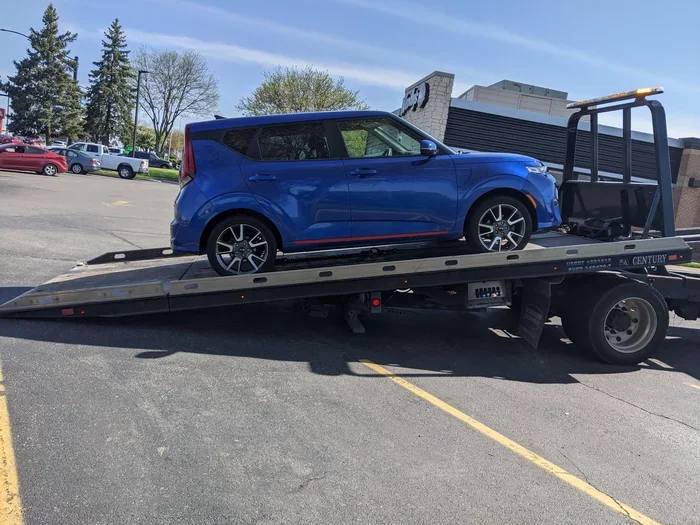
A flatbed trailer lifts the entire Kia Soul off the ground. This is the safest method for all drivetrain types. There is zero risk of drivetrain damage because none of the wheels are touching the road.
Pros: Safest option. Works for all models. No wear on tires or drivetrain. Cons: Requires a flatbed trailer, which takes up significant space and adds weight.
Comparison Table
| Method | FWD Models | AWD Models | Convenience | Cost |
|---|---|---|---|---|
| Flat Towing | Yes | No | High | Medium |
| Dolly Towing | Yes | Yes | Medium | Medium |
| Flatbed Towing | Yes | Yes | Low | High |
For most Kia Soul owners with FWD models, flat towing is the best balance of convenience and cost. AWD owners should strongly consider a tow dolly or flatbed for safe transport.
Expert Tips for Safe and Stress-Free Flat Towing
After covering all the basics, here are some expert-level tips that will make your flat towing experience smoother and safer.
Check Your Tire Pressure Before Every Trip
The tires on your towed Kia Soul need to be properly inflated. Underinflated tires can overheat during towing and increase rolling resistance. Check the pressure before every trip and keep it at the manufacturer recommended level.
Practice in a Safe Area First
If you have never flat towed before, practice in an empty parking lot before hitting the open road. Get a feel for how the tow vehicle handles with the extra weight behind it. Practice turning, braking, and reversing. This preparation will boost your confidence and help you avoid surprises on the highway.
Inspect Your Equipment Regularly
Your tow bar, base plate, safety cables, and wiring connections all take a beating during towing. Inspect everything before each trip. Look for rust, fraying, loose bolts, or any signs of wear. Replace damaged equipment immediately. Do not wait until something fails on the road.
Keep a Towing Log
This might sound excessive, but keeping a simple log of your towing trips can be very helpful. Note the date, distance, speed, and any issues you noticed. Over time, this log will help you spot patterns and address small problems before they become big ones.
Consider Roadside Assistance Coverage
Even with the best preparation, things can go wrong. A good roadside assistance plan that covers towing can give you peace of mind. Make sure your plan covers flat towing situations specifically. Some plans only cover flatbed towing, so read the fine print.
Stay Within the Recommended Towing Distance
Some vehicle manufacturers limit the distance you can flat tow without stopping to check the vehicle. While the Kia Soul does not have a strict mileage limit for flat towing, it is a good practice to stop every 50 to 100 miles to check all connections, tire condition, and equipment. This quick habit can prevent problems down the road.
Final Thoughts on Flat Towing Your Kia Soul
Can you flat tow a Kia Soul? Yes, but only if you follow the right guidelines for your specific model. Front-wheel drive models from most years can be safely flat towed with all four wheels on the ground. All-wheel drive models need a flatbed or dolly. The key is knowing your vehicle, using the right equipment, and following the correct procedure every single time.
Flat towing a Kia Soul is a great way to travel. It gives you the freedom to explore without worrying about extra space or complicated loading. But freedom comes with responsibility. Take the time to understand your vehicle, invest in quality equipment, and never skip the steps outlined in your owner manual.
Whether you are heading out on a weekend camping trip or planning a cross country RV adventure, knowing how to safely flat tow your Kia Soul will give you confidence and peace of mind. Prepare well, drive carefully, and enjoy the journey. Your Soul will thank you for it.
Frequently Asked Questions
Can all Kia Soul models be flat towed?
No, not all Kia Soul models can be flat towed. Front-wheel drive models can generally be flat towed with all four wheels on the ground. However, all-wheel drive models cannot be flat towed and must be transported on a flatbed trailer or with a tow dolly to prevent drivetrain damage.
What year Kia Soul can be flat towed?
Most front-wheel drive Kia Soul models from 2010 onward can be flat towed. This includes the first generation (2010-2013), second generation (2014-2019), and third generation (2020+) FWD trims. Always check your specific owner manual for the exact towing guidelines for your model year.
Do I need a special tow bar to flat tow a Kia Soul?
Yes, you need a tow bar rated for the weight of your Kia Soul. The Soul is a lightweight vehicle, so most standard tow bars will work. You will also need a base plate, safety cables, and a wiring adapter for the brake lights and turn signals.
Can I flat tow a Kia Soul with an automatic transmission?
Yes, most automatic transmission Kia Soul models can be flat towed if they are front-wheel drive. However, you must put the car in neutral and follow all the correct procedures. The owner manual will specify the exact requirements for your transmission type.
How fast can I drive when flat towing a Kia Soul?
Most experts and manufacturers recommend a maximum speed of 55 miles per hour when flat towing. Driving faster puts extra stress on the steering, suspension, and transmission of the towed vehicle. Keep it slow and steady for a safe experience.
What happens if I flat tow an AWD Kia Soul?
Flat towing an AWD Kia Soul with all four wheels on the ground can cause severe damage to the transfer case, differential, and transmission. The drivetrain components will spin without proper lubrication, leading to overheating and potentially catastrophic failure. Always use a flatbed or tow dolly for AWD models.