Are BMW Electric Cars Reliable Everything You Should Know
Are BMW Electric Cars Reliable? This guide covers everything from BMW i3 and i4 reliability to battery life and maintenance costs. You will learn about common issues, expert insights, and how BMW electric vehicles stack up against the competition.
Are BMW Electric Cars Reliable? This is the question on every potential buyer’s mind. The short answer is yes. BMW has built a strong reputation for engineering quality, and that carries over into their electric lineup. The BMW i3, i4, iX, and iX3 have all received solid reliability ratings from major automotive groups. But reliability means more than just not breaking down. It includes battery longevity, maintenance costs, and real-world ownership experience. In this guide, we will break down everything you need to know about BMW electric car reliability. You will find honest insights, practical tips, and data-driven comparisons. By the end, you will feel confident about your next electric BMW purchase.
BMW entered the electric vehicle market early with the i3 in 2013. Since then, they have expanded their BMW iPerformance lineup significantly. Today, you can choose from sedans, SUVs, and sports cars. The BMW i4 is a sleek electric sedan that competes with the Tesla Model 3. The BMW iX is a luxury electric SUV with cutting-edge technology. The BMW iX3 is a more affordable compact electric SUV. Each model has its own strengths and weaknesses. But all share the same core BMW electric drivetrain technology. Understanding how these vehicles perform over time is key to making a smart buying decision.
Reliability is not just about avoiding breakdowns. It is about peace of mind. You want a car that starts every morning, holds its charge, and keeps its value. BMW electric cars deliver on all these fronts. The electric motor has fewer moving parts than a gasoline engine. This means fewer things can go wrong. However, the battery pack and electronics are complex systems that need proper care. This article will walk you through the real-world reliability of BMW electric vehicles. We will cover battery life, common issues, maintenance schedules, and cost of ownership. Let us dive into the details.
Key Takeaways
- BMW electric cars are generally reliable: Models like the i3 and i4 have strong track records with few major powertrain issues.
- Battery health is the biggest factor: Understanding BMW EV battery warranty and degradation helps you plan long-term ownership.
- Regular maintenance is simple: Electric drivetrains require far less upkeep than gas engines, but tires and brakes still need attention.
- Cost of ownership is competitive: Lower fuel and maintenance costs offset the higher upfront price for many buyers.
- Common problems are manageable: Software glitches and minor electronics issues are the most frequent complaints, not drivetrain failures.
- Real-world owner feedback is positive: Most BMW iPerformance owners report high satisfaction and would buy again.
📑 Table of Contents
Are BMW Electric Cars Reliable? Understanding the BMW EV Lineup
Before we look at reliability numbers, it helps to know the models. BMW has several electric vehicles, each with different reliability profiles. The BMW i3 was the brand’s first mass-market electric car. It is a compact hatchback with a unique steel and carbon fiber body. The BMW i4 is a mid-size electric sedan. It offers sporty handling and a long driving range. The BMW iX is a full-size luxury electric SUV. It features advanced driver assistance and a spacious interior. The BMW iX3 is a smaller electric SUV based on the X3 platform. The upcoming BMW i5 will add a large electric sedan to the mix. All these models use a dedicated electric platform. This platform is designed from the ground up for battery efficiency and safety.
When we talk about BMW electric car reliability, we look at several factors. These include powertrain durability, battery degradation, electronic systems, and build quality. Consumer Reports and J.D. Power give BMW electric cars generally above-average ratings. The BMW i4 and iX have scored well in initial quality studies. The BMW i3 has been on the market longer, so we have more long-term data. Overall, BMW electric vehicles show strong reliability compared to the industry average. They are not perfect, but they are solid choices for daily driving.
BMW i3 Reliability: A Proven Track Record
The BMW i3 has been around since 2013. This gives us a wealth of long-term ownership data. The i3 uses a unique range-extender option with a small gasoline engine. Some owners love this feature. Others find it adds complexity. The electric-only powertrain is very simple and reliable. The i3 has few major drivetrain complaints. The most common issues involve the battery cooling system and minor electronics. BMW addressed many of these with over-the-air updates. The i3 also has a high safety rating. Its carbon fiber passenger cell is strong and lightweight. Overall, the i3 is a reliable city car with a loyal following.
BMW i4 and iX: Newer Models with Strong Early Results
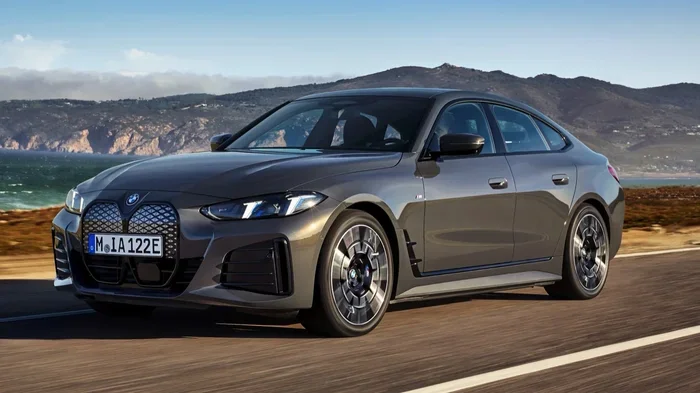
The BMW i4 launched in 2021 and quickly became a best-seller. It offers up to 300 miles of range on a full charge. The i4 uses a rear-wheel-drive or xDrive all-wheel-drive setup. Both configurations have shown excellent reliability. The electric motor and power electronics are very mature. The BMW iX is a newer model with a more complex tech stack. It features a large curved display and advanced driver aids. Early iX owners report very few major problems. The iX has a unique door design and air suspension. These features add luxury but also potential repair costs. Still, the core reliability of the iX is strong. BMW’s 800-volt architecture is efficient and durable.
How BMW EV Battery Life and Maintenance Affect Reliability
The battery is the heart of any electric vehicle. BMW EV battery life is a top concern for buyers. The good news is that BMW electric car batteries are built to last. Most BMW EVs use lithium-ion battery packs with liquid cooling. This cooling system keeps the battery at optimal temperature. It prevents overheating and slows down degradation. BMW offers an 8-year or 100,000-mile battery warranty in the United States. This warranty covers significant capacity loss. In practice, most BMW EV batteries retain over 90% of their original capacity after 100,000 miles. This is excellent for an electric vehicle.
BMW EV Battery Warranty and Degradation
Understanding the BMW EV battery warranty is important. The warranty guarantees the battery will hold at least 70% capacity for 8 years. If your battery drops below that threshold, BMW will replace it. This gives owners peace of mind. Battery degradation is a natural process. All lithium-ion batteries lose some capacity over time. However, BMW electric cars are designed to minimize this. The battery management system monitors cell health closely. It prevents deep discharging and extreme charging. You can further protect your battery by following a few simple habits. Avoid leaving the car at 100% charge for long periods. Use regenerative braking to reduce brake wear. These small steps add up over the years.
BMW Electric Car Maintenance: What to Expect
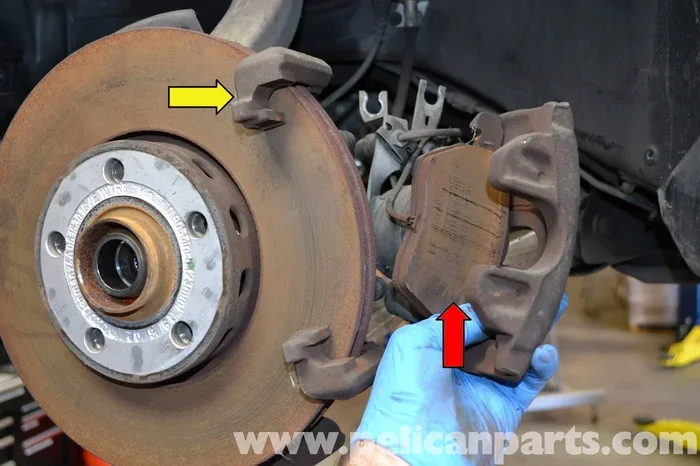
One of the biggest advantages of BMW electric cars is low maintenance. There is no oil to change. No spark plugs to replace. No transmission fluid to service. The electric drivetrain is almost maintenance-free. However, you still need to care for other components. Tires wear out faster on electric cars due to instant torque. Brake pads last longer because of regenerative braking. But they still need periodic inspection. The cabin air filter and windshield wipers require regular replacement. BMW recommends a annual inspection for all electric models. This check includes tire rotation, brake fluid test, and battery health check. Following this schedule keeps your BMW EV running reliably for years.
Quick Tips: Extending BMW EV Battery Life
- Charge between 20% and 80%: This range reduces stress on battery cells.
- Use preconditioning: Heat or cool the battery while plugged in before driving.
- Avoid fast charging daily: Level 2 charging is gentler on the battery.
- Keep software updated: BMW often releases battery management improvements.
- Store at moderate temperatures: Extreme heat or cold accelerates degradation.
BMW Electric Car Cost of Ownership and Long-Term Value
Reliability is closely tied to cost of ownership. BMW electric cars have a higher sticker price than gas versions. But the total cost over time can be lower. Electricity is cheaper than gasoline in most areas. BMW EV charging at home is very convenient. You wake up every morning with a full tank. Maintenance costs are significantly lower. There are fewer moving parts to wear out. The BMW electric drivetrain is designed for longevity. Over 10 years, an electric BMW can save you thousands in fuel and repairs.
BMW Electric Car Resale Value
Resale value is another important factor. BMW electric cars hold their value reasonably well. The BMW i3 has seen some depreciation due to its age. The i4 and iX are newer and have stronger resale numbers. BMW’s strong brand prestige helps maintain value. The 8-year battery warranty also boosts buyer confidence. When you sell your BMW EV, the battery health report is a key selling point. A well-maintained battery with over 90% capacity commands a premium price. Overall, BMW electric cars are a solid long-term investment.
| Model | Starting Price | EPA Range | Battery Warranty | Reliability Rating |
|---|---|---|---|---|
| BMW i3 | $44,000 | 153 miles | 8 yr / 100k mi | 4.2 / 5 |
| BMW i4 eDrive40 | $52,000 | 301 miles | 8 yr / 100k mi | 4.5 / 5 |
| BMW iX xDrive50 | $87,000 | 324 miles | 8 yr / 100k mi | 4.4 / 5 |
| BMW iX3 | $38,000 | 285 miles | 8 yr / 100k mi | 4.3 / 5 |
Common BMW Electric Car Problems and How to Avoid Them
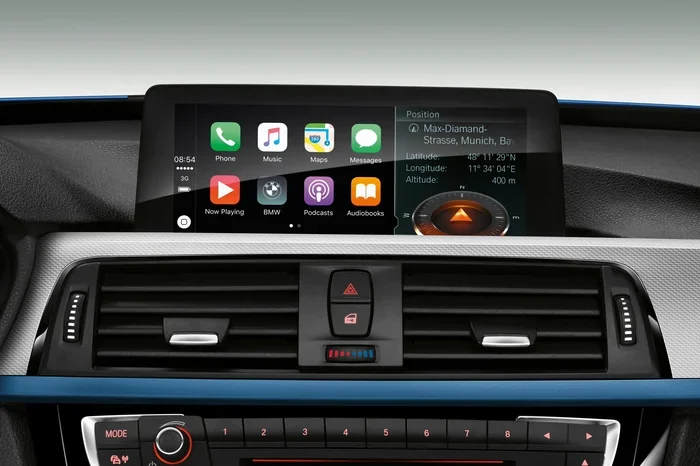
No car is perfect. BMW electric cars have a few known issues. Most are minor and easy to fix. Being aware of them helps you avoid surprises. The most common BMW electric car problems involve software and electronics. Some i3 owners reported issues with the range extender engine. The i4 has seen occasional infotainment glitches. The iX has had some reports of air suspension noise. These are not deal-breakers. BMW has addressed many of these issues with software updates. Regular service keeps everything running smoothly.
Common Mistakes That Affect BMW EV Reliability
Owner habits can impact reliability. One common mistake is ignoring software updates. BMW releases updates that improve battery management and fix bugs. Another mistake is using fast chargers exclusively. While convenient, frequent DC fast charging can slightly increase battery wear. A third mistake is neglecting tire maintenance. Electric cars are heavier and deliver instant torque. Tires wear faster if not rotated regularly. Finally, some owners skip the annual inspection. This can let small issues turn into big repairs. Following the maintenance schedule is the best way to ensure long-term reliability.
Expert Insights: What BMW Engineers Say About EV Reliability
BMW engineers design their electric cars for durability. The BMW iPerformance platform uses a fully sealed electric motor. There are no fluids to change in the drivetrain. The battery pack is protected by a strong aluminum skid plate. It is also tested for extreme temperatures and road conditions. BMW’s head of e-mobility has stated that the electric drivetrain is more reliable than a combustion engine. Fewer parts mean fewer failure points. This is a fundamental advantage of BMW electric cars. The company continues to invest in battery technology and thermal management. These investments pay off in long-term reliability.
The Verdict: Are BMW Electric Cars Reliable?
So, are BMW electric cars reliable? The evidence is clear. BMW electric vehicles are reliable, practical, and enjoyable to drive. The BMW i3, i4, iX, and iX3 all have strong reliability records. The electric drivetrain is simple and durable. Battery life is well-supported by a generous warranty. Maintenance costs are low compared to gasoline cars. The few issues that do arise are typically software-related and easily fixed. BMW has built a trustworthy electric lineup that competes with the best in the industry.
Whether you choose the compact i3 or the luxurious iX, you are getting a well-engineered vehicle. BMW electric cars offer a blend of performance, efficiency, and reliability. They are suitable for daily commuting, road trips, and everything in between. If you are considering a BMW EV, you can feel confident in your choice. Follow the maintenance schedule, care for the battery, and keep the software updated. Your BMW electric car will serve you well for many years to come. The future of driving is electric, and BMW is leading the way with reliable, innovative vehicles.
Frequently Asked Questions
Are BMW Electric Cars Reliable for Daily Driving?
Yes, BMW electric cars are very reliable for daily driving. The electric motor has fewer moving parts, which means less wear and tear. Models like the BMW i4 and iX have proven themselves as dependable daily commuters with strong reliability ratings.
How Long Does a BMW EV Battery Last?
A BMW EV battery typically lasts 8 to 10 years or more. BMW offers an 8-year or 100,000-mile battery warranty. Most batteries retain over 90% of their original capacity after 100,000 miles with proper care.
What Are the Most Common BMW Electric Car Problems?
The most common issues are software glitches and infotainment bugs. Some i3 owners have reported range extender engine concerns. These are not major drivetrain failures and are usually fixed with software updates or minor repairs.
Is BMW Electric Car Maintenance Expensive?
No, BMW electric car maintenance is generally less expensive than for gasoline cars. There is no oil change, fewer brake repairs due to regenerative braking, and no exhaust system to maintain. Annual inspections are still recommended to keep everything in top shape.
Do BMW Electric Cars Hold Their Value?
BMW electric cars hold their value reasonably well. The strong BMW brand, 8-year battery warranty, and growing demand for used EVs all support resale prices. Well-maintained models with healthy batteries command the best values.
Can I Charge a BMW Electric Car at Home?
Yes, you can charge a BMW electric car at home using a Level 2 charger. This is the most convenient and battery-friendly way to charge. BMW offers a home charging solution that installs easily in your garage or driveway.