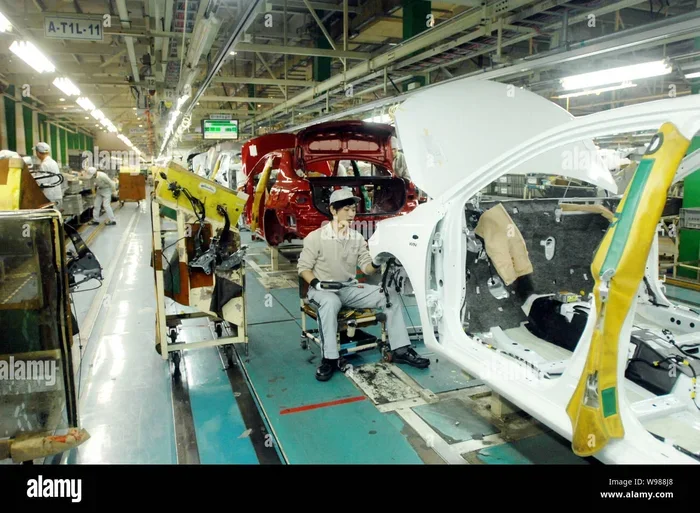
How Does the Toyota Production System Work Explained
The Toyota Production System is a revolutionary manufacturing approach that transformed how factories operate worldwide. It combines two core pillars — just-in-time production and jidoka — to eliminate waste and boost efficiency. TPS relies on tools like kanban, andon, and kaizen to keep processes smooth and problems visible. Understanding TPS gives you practical insights whether you work in manufacturing or want to improve any workflow. This guide breaks down every key element so you can see exactly how the Toyota Production System drives success.
The Toyota Production System has changed the way factories think about making things. When Toyota built this system in Japan after World War II, it was not just about building cars faster. It was about building smarter. Today, Toyota Production System principles power factories in dozens of countries and across many different industries. From small startups to giant corporations, people study TPS because it delivers real, measurable results.
So how does the Toyota Production System actually work? At its core, TPS is a philosophy. It is not just a set of tools or a checklist. It is a way of thinking about work that puts people first and waste last. This guide will walk you through every major piece of the puzzle. You will learn about the two main pillars, the tools teams use, and how waste gets spotted and removed. By the end, you will understand why Toyota Production System remains the gold standard in lean manufacturing.
Whether you run a factory floor, manage a team, or just want to work more efficiently, the lessons from TPS apply to you. The system is surprisingly simple at its heart, even though it took Toyota decades to refine it. Let us dive in and break it all down.
Key Takeaways
- Just-in-Time Production: TPS produces only what is needed, when it is needed, reducing inventory and waste dramatically.
- Jidoka Stops Problems Early: The automation-with-a-human-touch principle ensures defects are caught immediately before they spread.
- Continuous Improvement Is the Heart: Kaizen drives small, daily refinements that compound into massive gains over time.
- Visual Tools Keep Everyone Aligned: Kanban boards, andon lights, and 5S organization make problems impossible to hide.
- Respect for People Drives Results: TPS empowers every worker to speak up and suggest improvements, building a culture of trust.
- TPS Works Beyond Cars: The principles apply to healthcare, software, services, and any process-driven environment.
- Waste Reduction Is Measurable: The seven wastes framework gives teams a clear roadmap for identifying and removing inefficiency.
📑 Table of Contents
- What Is the Toyota Production System?
- The Two Pillars of the Toyota Production System
- Key Tools and Methods in the Toyota Production System
- How the Toyota Production System Reduces Waste
- Implementing Toyota Production System Principles
- The Impact of the Toyota Production System on Modern Manufacturing
- Conclusion
What Is the Toyota Production System?
The Toyota Production System is a manufacturing management approach developed by Toyota Motor Corporation. It began in the 1950s under the leadership of Taiichi Ohno and Shigeo Shingo. Their goal was simple but powerful: build cars without wasting anything. That means no wasted materials, no wasted time, and no wasted effort.
TPS grew out of necessity. After World War II, Japan had very few resources. Toyota could not afford to stockpile parts or produce more than customers demanded. So they built a system that was lean by design. Every step in the process had to earn its place. If a step did not add value, it got cut.
The Origins of TPS
Taiichi Ohno is often called the father of the Toyota Production System. He studied American grocery stores and noticed how they restocked only what was needed. That observation sparked the idea of just-in-time production. Instead of keeping large warehouses full of parts, Toyota would receive materials exactly when they needed them.
Shigeo Shingo contributed the concept of jidoka, which means automation with a human touch. Together, these ideas formed the backbone of TPS. They were not just theories. They were tested every single day on the factory floor at Toyota City in Japan.
The Core Philosophy
At its heart, the Toyota Production System is built on a simple belief: the best way to improve is to respect people and remove waste. Toyota believes that every worker on the line has valuable ideas. The system gives them the tools and the freedom to share those ideas. This philosophy is called respect for people, and it is what sets TPS apart from other manufacturing methods.
TPS also believes that problems are not enemies. They are opportunities to learn and get better. When something goes wrong on the line, the system does not just fix the symptom. It digs deeper to find the root cause. This mindset of never settling is what keeps TPS evolving even today.
The Two Pillars of the Toyota Production System
Everything in the Toyota Production System rests on two main pillars. These pillars support every tool, every process, and every decision. Understanding them is the key to understanding how TPS works from the ground up.
Pillar One: Just-in-Time Production
Just-in-time production means making only what is needed, only when it is needed, and only in the amount needed. This sounds simple, but it requires incredible coordination. Toyota did not just guess when parts would be needed. They built systems that pulled work through the factory based on actual demand.
This approach stands in contrast to push production, where factories make products and push them into inventory. Push systems often lead to overproduction, which is one of the biggest wastes in manufacturing. Just-in-time eliminates that risk by matching supply with demand in real time.
Here are some key elements of just-in-time production in the Toyota Production System:
- Takt Time: The pace of production matches customer demand. If customers buy 500 units a day, the line produces 500 units a day.
- Heijunka: Production is leveled out to avoid spikes and slowdowns. This keeps the workflow steady and predictable.
- Pull System: Each workstation only starts work when the next station signals it needs more. Nothing is produced ahead of schedule.
- Small Batch Sizes: Instead of making thousands of identical parts at once, TPS favors smaller batches that move quickly through the process.
The result is a factory that uses less space, less inventory, and less time. Just-in-time production also means that quality problems surface faster, because products move quickly from one step to the next. This makes it much easier to catch defects early.
Pillar Two: Jidoka (Automation with a Human Touch)
The second pillar of the Toyota Production System is jidoka. The word comes from Japanese and means giving machines the ability to detect problems and stop automatically. But the human element is just as important. Workers are trained to notice when something is wrong and to stop the line if needed.
This might sound radical. In many factories, workers are told to keep the line running no matter what. TPS flips that idea upside down. If a defect is found, the line stops immediately. The thinking is simple: it is better to stop and fix the problem than to keep producing faulty products.
Jidoka relies on a few powerful practices:
- Andon: A visual signal system, often a light or buzzer, that alerts everyone when a problem occurs on the line.
- Root Cause Analysis: Instead of patching a problem quickly, teams investigate why it happened in the first place.
- Poka-Yoke: Mistake-proofing devices or processes that make it nearly impossible to do something wrong.
- Empowerment: Every worker has the authority to stop production if they spot a quality issue.
When jidoka works well, defects never reach the customer. More importantly, problems get solved at the source instead of being passed down the line. This is one of the biggest reasons Toyota built a reputation for quality that the world still admires today.
Key Tools and Methods in the Toyota Production System
The Toyota Production System uses a toolkit of visual and practical methods to keep things running smoothly. These tools are not complicated. They are designed to be simple enough that any worker can understand and use them. Here are the most important ones.
Kanban and Visual Management
Kanban is a scheduling system that tells workers when to produce or move the next item. The word means “signboard” in Japanese, and that is exactly what it is. A physical card or digital signal moves through the factory, triggering action at each step.
Kanban keeps the Toyota Production System running like a well-oiled machine. When a product is sold, a kanban card signals that it is time to make another one. This pull-based approach ensures that nothing is produced without a real demand. It keeps inventory low and keeps cash flowing.
Visual management goes hand in hand with kanban. Everything on the factory floor is designed to be easy to see and understand. Color-coded bins, clear signage, and open workspaces all help workers spot problems at a glance. When information is visible, everyone can make better decisions.
The Andon System
The andon system is one of the most visible tools in TPS. It uses lights, often mounted above each workstation, to show the status of production. Green means everything is running well. Yellow means there is a potential issue. Red means stop — something needs attention right away.
When an andon light turns red, the response is immediate. The team leader or supervisor rushes to the station to understand what happened. This quick response is what prevents small problems from becoming big disasters. Andon gives every worker a voice and a way to communicate that something is wrong without fear of blame.
Kaizen and Continuous Improvement
Kaizen is the Japanese word for continuous improvement. It is not a one-time project or a big overhaul. Kaizen is about making small, incremental changes every single day. Over months and years, these tiny improvements add up to massive gains in efficiency and quality.
In the Toyota Production System, kaizen is everyone’s job. Not just engineers or managers. Assembly line workers, janitors, and office staff all participate. Toyota holds regular kaizen events where cross-functional teams gather to identify problems and brainstorm solutions. These events are focused, fast, and action-oriented.
Here is what makes kaizen so powerful in TPS:
- It builds a culture where improvement is expected, not optional.
- It gives every employee a stake in making the workplace better.
- It encourages teamwork and cross-department collaboration.
- It creates a steady stream of small wins that boost morale.
5S Methodology
The 5S methodology is a workplace organization system that keeps factory floors clean, organized, and efficient. The five S’s stand for Sort, Set in Order, Shine, Standardize, and Sustain. Together, they create a workspace where everything has a place and everything is in its place.
5S reduces the time workers spend searching for tools or materials. It also makes it easier to spot when something is out of place or broken. In the Toyota Production System, 5S is not a one-time cleanup. It is an ongoing practice that supports continuous improvement and waste reduction.
How the Toyota Production System Reduces Waste
One of the most powerful ideas in the Toyota Production System is the concept of waste, or muda in Japanese. TPS identifies seven types of waste that exist in any manufacturing process. By targeting each one, Toyota keeps its operations lean and efficient.
The Seven Wastes of TPS
Understanding the seven wastes is essential to grasping how the Toyota Production System works. Here they are:
- Overproduction: Making more than the customer needs. This is considered the worst waste because it creates all the other wastes.
- Waiting: Time spent idle because the next step is not ready. This includes waiting for parts, information, or approvals.
- Transportation: Unnecessary movement of materials between locations. Each move adds cost and risk of damage.
- Overprocessing: Doing more work than the customer values. This includes redundant inspections or excessive documentation.
- Inventory: Excess raw materials or finished goods sitting around. Inventory ties up money and hides problems.
- Motion: Unnecessary movement of workers. This includes walking to distant storage areas or reaching for tools repeatedly.
- Defects: Products that need rework or scrap. Defects waste materials, time, and customer trust.
Toyota’s entire system is designed to attack these wastes relentlessly. Every tool, every process, and every rule in TPS serves the goal of eliminating at least one type of waste. This focus on waste reduction is what makes the Toyota Production System so effective and so enduring.
Gemba Walks and Real-World Observation
Toyota leaders practice something called gemba walks. Gemba means “the real place” in Japanese. A gemba walk means going to the actual factory floor, observing work as it happens, and talking to the people who do the work.
This practice is central to TPS because you cannot improve what you do not understand. Managers who stay in offices all day miss the real problems. By walking the gemba, leaders see waste firsthand and gain ideas for improvement. This approach has influenced management practices far beyond manufacturing.
Implementing Toyota Production System Principles
You do not need to build a car factory to benefit from the Toyota Production System. The principles are flexible and adaptable to any business or process. Here is how you can start applying TPS thinking in your own environment.
Steps to Get Started
Implementing Toyota Production System principles does not happen overnight. It is a journey that takes time, commitment, and patience. Here is a practical roadmap to get you started:
- Start with 5S: Organize your workspace first. A clean, orderly environment sets the foundation for everything else.
- Map Your Value Stream: Walk through your entire process and map every step. Identify where value is added and where waste exists.
- Implement Just-in-Time: Look for ways to reduce inventory and match production to actual demand. Start small and build from there.
- Set Up Visual Controls: Use andon-style signals, kanban boards, and clear signage to make problems visible.
- Empower Your Team: Give every employee the authority and training to stop and fix problems. This is the heart of jidoka.
- Practice Kaizen Daily: Hold short daily or weekly improvement sessions. Celebrate small wins and keep the momentum going.
- Lead with Gemba Walks: Get leaders out of offices and onto the floor regularly. Listen more than you talk.
Common Mistakes to Avoid
Many companies try to copy TPS and fail. Here are the most common mistakes that derail implementation:
- Skipping the Foundation: Trying to use advanced tools like kanban or heijunka before mastering 5S and standard work.
- Copying Tools Without the Philosophy: TPS is not about the tools. It is about the mindset of respect and continuous improvement.
- Top-Down Only: If only managers push for change and workers do not participate, TPS will not take root.
- Giving Up Too Soon: TPS takes years to fully implement. Companies that expect quick results often get discouraged and quit.
- Ignoring Culture: You cannot build a Toyota Production System in a culture that punishes people for raising problems.
Quick Tips for Success
Here are some practical tips that can help you make the Toyota Production System work in your context:
- Start with one process or one team. Prove the concept before scaling up.
- Train everyone in the basics of lean thinking and waste identification.
- Create visual dashboards that show key metrics so everyone can track progress.
- Hold regular team meetings to review problems and share improvement ideas.
- Celebrate successes publicly to build momentum and reinforce the culture.
- Be patient. Real transformation takes time, but the results are worth it.
The Impact of the Toyota Production System on Modern Manufacturing
The influence of the Toyota Production System extends far beyond Toyota’s own factories. Companies around the world have adopted TPS principles and adapted them to their own industries. The broader movement that grew from TPS is known as lean manufacturing, and it has reshaped how products are made everywhere.
Many well-known companies have studied and applied TPS, including Ford, Boeing, Intel, and hospitals in the healthcare sector. The principles of waste reduction, continuous improvement, and respect for people translate across industries. Whether you are building software, delivering healthcare, or running a restaurant, TPS offers a proven framework for excellence.
Today, Toyota Production System is taught in business schools and manufacturing programs worldwide. It is not just a manufacturing system — it is a way of thinking about work that emphasizes efficiency, quality, and human dignity. That is why it has lasted for over 70 years and continues to inspire new generations of leaders.
The digital age has added new layers to TPS. Companies now use software tools for kanban boards, real-time dashboards, and data-driven kaizen. But the core philosophy remains unchanged. Technology supports the principles; it does not replace them.
Companies Inspired by TPS
The Toyota Production System has inspired entire movements in business and management. Here are a few examples of how TPS principles have been applied beyond automotive:
- Healthcare: Hospitals use lean principles to reduce patient wait times and improve safety.
- Software Development: Agile and DevOps teams apply kanban and continuous improvement to deliver better products faster.
- Construction: Lean construction uses TPS tools to reduce delays and rework on building sites.
- Food Service: Restaurants apply 5S and just-in-time principles to streamline kitchen operations and reduce food waste.
These examples show that the Toyota Production System is not limited to one industry. Its principles are universal. Any organization that values efficiency, quality, and people can benefit from adopting TPS thinking.
Conclusion
The Toyota Production System is more than a manufacturing method. It is a complete philosophy of work that puts people first and waste last. Through its two pillars — just-in-time production and jidoka — TPS creates a system where problems are visible, quality is built in, and every worker has the power to make things better. The tools like kanban, andon, kaizen, and 5S give teams practical ways to put these ideas into action every single day.
Understanding how the Toyota Production System works opens your eyes to a better way of doing things. Whether you are in manufacturing or in a completely different field, the lessons from TPS are valuable and timeless. Start small, respect your people, and never stop improving. That is the heart of the Toyota Production System, and it is a principle that will serve you well no matter what you do.
The world of manufacturing has changed a lot since Toyota first built this system in the 1950s. But the core ideas remain as powerful as ever. The Toyota Production System proves that simplicity, respect, and relentless improvement can create extraordinary results. Apply these principles in your own work, and you will see the difference for yourself.
Frequently Asked Questions
What is the Toyota Production System in simple terms?
The Toyota Production System is a manufacturing philosophy that focuses on making only what customers need, when they need it, while eliminating waste. It uses two main pillars — just-in-time production and jidoka — to keep processes efficient and quality high. The system empowers every worker to spot problems and suggest improvements.
Who created the Toyota Production System?
The Toyota Production System was developed primarily by Taiichi Ohno and Shigeo Shingo in the 1950s. They built it out of necessity, as post-war Japan had limited resources and could not afford waste. Their ideas were shaped by observing American grocery stores and adapting those principles to car manufacturing.
How does just-in-time production work in TPS?
Just-in-time production means producing items only when they are needed and in the exact quantity required. This is achieved through pull systems like kanban, where each workstation signals the previous one when it needs more materials. Just-in-time reduces inventory costs and ensures that problems surface quickly.
What are the seven wastes in the Toyota Production System?
The seven wastes are overproduction, waiting, transportation, overprocessing, inventory, motion, and defects. Each waste represents something that does not add value from the customer’s perspective. TPS provides specific tools and methods to identify and eliminate each type of waste systematically.
Can small businesses benefit from the Toyota Production System?
Absolutely. The Toyota Production System principles are not limited to large factories. Small businesses can implement 5S, kanban, and kaizen to improve efficiency and reduce waste. The key is to start small, focus on one process at a time, and build a culture of continuous improvement.
How is the Toyota Production System different from Six Sigma?
While both aim to improve quality and efficiency, TPS focuses on eliminating waste and empowering workers on the front line. Six Sigma uses statistical analysis and data-driven methods to reduce variation. TPS is more about flow and respect for people, while Six Sigma is more about measurement and precision. Many organizations use both approaches together for the best results.