How Far Can A Corolla Go On Empty Before Running Out
Most Toyota Corolla models can travel between 40 and 55 miles after the fuel light comes on, depending on the year, engine type, and driving conditions. Understanding your Corolla’s empty tank range helps you avoid getting stranded and protects your fuel pump. This guide covers real-world numbers, expert tips, and common mistakes to keep you safe and fuel-efficient.
You are cruising down the highway, and suddenly that little yellow fuel light flickers on. Your heart sinks a bit. You glance at the odometer and wonder, how far can a Corolla go on empty before the engine sputters to a halt? This is a question every Toyota Corolla owner has faced at least once, and it is one that matters more than most people realize.
Knowing your Corolla empty tank range is not just about avoiding embarrassment at a gas station. It is about protecting your car, saving money, and staying safe on the road. Whether you drive a sleek Corolla sedan or a practical Corolla hatchback, understanding your fuel range on empty gives you a real advantage. In this article, we break down the real numbers, share expert advice, and help you make smarter decisions every time you fill up.
The Toyota Corolla is one of the best-selling cars in the world for good reason. It is reliable, fuel-efficient, and affordable. But even the best car needs fuel, and the moment your gauge hits empty, things change fast. Let us explore exactly what happens and what you can do about it.
Key Takeaways
- Average Empty Range: A Toyota Corolla typically goes 40 to 55 miles after the fuel light activates, but this varies by model and year.
- Fuel Tank Size Matters: Most Corolla models carry between 13.2 and 15.3 gallons, which directly impacts your empty tank distance.
- Driving Style Changes Everything: Highway driving at steady speeds gives you more miles on empty than city stop-and-go traffic.
- Running on Empty Damages Your Car: Consistently running the tank dry can harm the fuel pump and reduce engine life.
- The Trip Computer Helps: Your Corolla’s onboard display estimates remaining range, but it is not always perfectly accurate.
- Refuel Early and Often: Smart drivers top off well before the fuel light comes on to protect their vehicle.
📑 Table of Contents
- Understanding Your Corolla’s Fuel Tank Capacity
- How Far Can a Corolla Go On Empty — The Real Numbers
- Factors That Affect Your Range on Empty
- Tips to Maximize Distance When You Are Running Low
- What Happens When a Corolla Runs Out of Gas
- Common Mistakes People Make When the Fuel Light Comes On
- Expert Insights on Corolla Fuel Management
- Key Takeaways
- Conclusion
Understanding Your Corolla’s Fuel Tank Capacity
Before we talk about how far a Corolla goes on empty, we need to understand the starting point. The fuel tank size varies by model year and trim level. This is the foundation of all range calculations.
Fuel Tank Sizes Across Corolla Generations
Different Corolla models carry different amounts of fuel. Here is a quick look at what you can expect:
- 2015–2019 Corolla: Approximately 13.2 gallons
- 2020–2023 Corolla Sedan: Around 14.0 gallons
- 2020–2023 Corolla Hatchback: Roughly 12.4 gallons
- Older Models (2005–2014): Typically 15.3 to 15.9 gallons
As you can see, the Corolla fuel tank capacity is not a one-size-fits-all number. Newer models tend to have slightly smaller tanks, which reflects changes in design and fuel efficiency goals. But the principle remains the same: more fuel in the tank means more distance when the gauge reads empty.
When calculating your empty tank distance, always start with your specific model’s tank size. This gives you a baseline to work from. A Corolla with a 15-gallon tank will naturally go farther on empty than one with a 12-gallon tank, all other factors being equal.
How Far Can a Corolla Go On Empty — The Real Numbers
Now let us get to the heart of the matter. When that fuel light turns on, how much fuel is actually left, and what does that mean for your range?
What the Fuel Light Really Means
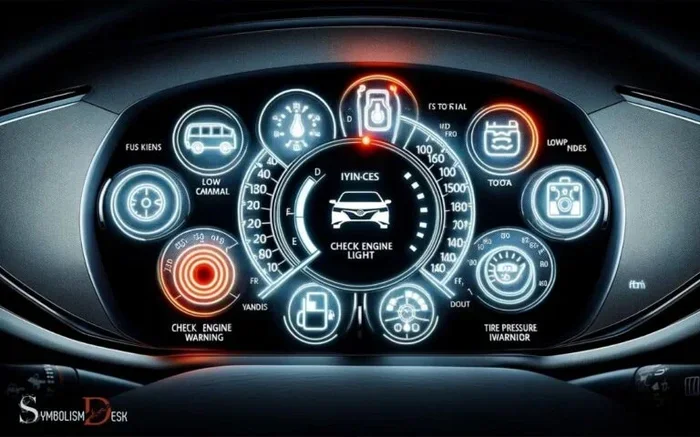
Most people assume the fuel light means the tank is completely dry. That is not true. When the low fuel warning activates on a Toyota Corolla, there is still fuel remaining. Typically, this reserve is about 2 to 3 gallons, depending on the model year and driving conditions.
This reserve is designed to give you enough distance to reach a gas station safely. It is not meant for long road trips or extended driving. Think of it as a safety buffer, not a second tank.
Real-World Empty Tank Range
So, what is the actual number? Most Toyota Corolla owners report the following miles to empty after the fuel light comes on:
- City Driving: 30 to 45 miles
- Highway Driving: 45 to 60 miles
- Mixed Driving: 35 to 55 miles
The Corolla fuel range on empty depends heavily on how you drive. If you maintain a steady 55 mph on the highway, you will stretch those final gallons much farther than if you are stuck in bumper-to-bumper traffic. The engine works harder in stop-and-go conditions, burning through that reserve fuel faster.
Your Corolla MPG rating also plays a role. The standard Corolla sedan gets around 31 mpg in the city and 40 mpg on the highway. The hybrid version delivers even better numbers. These ratings directly affect how far you can glide on those last couple of gallons.
The Role of the Trip Computer
Modern Toyota Corollas come equipped with a trip computer that displays estimated remaining range. This is a helpful tool, but it is not perfect. The trip computer calculates your range based on your recent fuel consumption patterns. If you just passed a gas station and filled up, the estimate may be optimistic.
Do not rely solely on the trip computer. Use it as a guide, not a guarantee. Always treat the fuel light as your signal to find a gas station as soon as safely possible.
Factors That Affect Your Range on Empty
Not all trips are created equal. Several factors influence how far your Corolla can go when the tank is nearly empty. Understanding these variables helps you make better decisions in real time.
Driving Habits and Style
Your driving style is one of the biggest factors. Aggressive acceleration, hard braking, and speeding all burn fuel faster. A smooth, steady driving approach stretches your empty tank range considerably.
Here are some habits that affect your range:
- Speed: Driving above 65 mph increases wind resistance and fuel consumption.
- Acceleration: Gentle acceleration uses less fuel than jackrabbit starts.
- Idling: Sitting with the engine running burns fuel without moving you forward.
- Air Conditioning: Running the A/C puts extra load on the engine.
Road Conditions and Terrain
Flat highways are your best friend when you are running low. Hilly terrain and mountainous roads force the engine to work harder, burning through fuel faster. Stop-and-go city traffic is also tough on your remaining range.
If you know you have low fuel, try to choose routes with fewer stops and less elevation change. This simple strategy can add several miles to your Corolla empty tank range.
Vehicle Condition and Maintenance
A well-maintained Corolla will always go farther than a neglected one. Fresh air filters, properly inflated tires, and clean fuel injectors all contribute to better fuel efficiency. Even the condition of your fuel pump matters when you are running on fumes.
Regular maintenance keeps your Toyota Corolla fuel range at its best. Simple checks like tire pressure and engine tune-ups make a surprising difference over time.
Weather and Temperature
Cold weather reduces fuel efficiency. The engine takes longer to reach optimal operating temperature, and heaters draw energy from the engine. Hot weather can also affect fuel evaporation rates. Both extremes can shrink your range when the tank is nearly empty.
Tips to Maximize Distance When You Are Running Low
We have all been there. The fuel light is on, and the nearest gas station is still miles away. Here is what you can do to squeeze every last mile out of that remaining fuel.
Drive at a Steady Pace
Maintain a consistent speed, ideally between 45 and 60 mph. Use cruise control on the highway if it is safe to do so. Avoid unnecessary acceleration and braking. Smooth driving is the single best way to extend your range.
Reduce Extra Weight
Remove any heavy items from your trunk or back seat that you do not need. Extra weight forces the engine to work harder and burn more fuel. Every little bit helps when you are on fumes.
Close Windows and Reduce Drag
At highway speeds, open windows create significant aerodynamic drag. Keep your windows closed and use the recirculation setting on your ventilation system. This reduces the load on the engine and helps you go farther.
Turn Off Non-Essential Systems
Turn off the air conditioning, heated seats, and any other electrical systems that are not essential. These features draw power from the engine, which increases fuel consumption. Even turning down the radio volume can make a small difference.
Plan Your Route Wisely
Use your phone or GPS to locate the nearest gas station. Choose a route with fewer traffic lights, less congestion, and flatter terrain. Planning ahead can save you from running out of fuel in an unsafe location.
Keep Your Fuel Pump Cool
Here is a lesser-known tip: fuel helps cool the fuel pump. When the tank is very low, the pump can overheat because it is not fully submerged in fuel. This can lead to premature fuel pump failure, which is an expensive repair. Topping off your tank regularly protects both your range and your wallet.
What Happens When a Corolla Runs Out of Gas
Running out of fuel is more than just an inconvenience. It can cause real damage to your vehicle and put you at risk on the road.
Fuel Pump Damage
The fuel pump relies on gasoline to stay cool during operation. When the tank runs dry, the pump can overheat and wear out prematurely. Replacing a fuel pump is not cheap. It often costs several hundred dollars and requires significant labor.
Engine Stalling and Safety Risks
When your Corolla runs out of gas, the engine stalls without warning. This can happen suddenly, even at high speeds. Losing power steering and power brakes makes the vehicle harder to control. In heavy traffic or on highways, this creates a serious safety hazard.
Always try to refuel before you reach empty. The few extra minutes you spend finding a gas station are worth the peace of mind and protection for your car.
Contaminants in the Tank
When the fuel level drops very low, sediment and contaminants settle at the bottom of the tank. Running on fumes can pull these particles into the fuel system, potentially clogging filters and damaging injectors. This is another reason to avoid pushing your Corolla too far past the fuel light.
Common Mistakes People Make When the Fuel Light Comes On
Many drivers make avoidable mistakes when their fuel light first comes on. Knowing what not to do can save you time, money, and stress.
Ignoring the Fuel Light
The most common mistake is simply ignoring the warning. Some drivers think they have plenty of fuel left and keep driving for days. This habit puts unnecessary strain on the fuel pump and increases the risk of getting stranded.
Relying on Guesswork
Do not guess how far you can go. Every vehicle and driving situation is different. The only reliable way to know your range is to track your fuel consumption over time and use your trip computer as a reference.
Waiting for the Cheapest Gas
Some drivers drive past available gas stations to find cheaper fuel. When you are running on empty, this is a bad strategy. The small savings on gas are not worth the risk of running out.
Overfilling the Tank
Topping off the tank until the pump clicks multiple times can flood the charcoal canister. This component is designed to absorb fuel vapors, not liquid fuel. Overfilling can cause check engine lights and expensive repairs. Fill up until the pump stops naturally, then walk away.
Expert Insights on Corolla Fuel Management
Automotive experts agree that running on empty should be avoided whenever possible. Toyota engineers design the fuel reserve to be a short-term safety feature, not a long-term solution. The Toyota owner manual for most Corolla models recommends refueling as soon as the low fuel warning activates.
Mechanics also point out that the Corolla fuel gauge can be slightly inaccurate, especially as the tank empties. Temperature changes, fuel sloshing, and sensor wear can all affect gauge readings. Do not assume the gauge is giving you a precise measurement. Treat it as an estimate and refuel promptly.
Fuel efficiency experts suggest keeping your tank at least one-quarter full at all times. This provides a comfortable buffer and keeps the fuel pump properly submerged and cooled. It also reduces the frequency of refueling trips and helps maintain consistent Corolla MPG performance.
Another expert tip is to track your fuel consumption manually. Record how many miles you drive between fill-ups and how much fuel you use. Over time, this data gives you a personalized picture of your Toyota Corolla fuel range that is more accurate than any factory estimate.
Key Takeaways
- Average Empty Range: A Toyota Corolla typically goes 40 to 55 miles after the fuel light comes on, depending on the year, engine type, and driving conditions.
- Fuel Tank Size Matters: Most Corolla models carry between 13.2 and 15.3 gallons, which directly impacts your empty tank distance.
- Driving Style Changes Everything: Highway driving at steady speeds gives you more miles on empty than city stop-and-go traffic.
- Running on Empty Damages Your Car: Consistently running the tank dry can harm the fuel pump and reduce engine life.
- The Trip Computer Helps: Your Corolla’s onboard display estimates remaining range, but it is not always perfectly accurate.
- Refuel Early and Often: Smart drivers top off well before the fuel light comes on to protect their vehicle.
Conclusion
So, how far can a Corolla go on empty? The answer is typically between 40 and 55 miles, but this number shifts based on your driving habits, road conditions, and vehicle condition. The key takeaway is simple: do not push your luck. The Corolla empty tank range is a safety buffer, not a challenge to see how far you can stretch it.
Understanding your Toyota Corolla fuel range empowers you to make smarter decisions on the road. Keep your tank at least one-quarter full, drive smoothly, and refuel at the first sign of the low fuel warning. These small habits protect your car, save you money, and keep you safe.
Your Corolla is a reliable machine that serves you well every day. Treat it with care, and it will keep running strong for years to come. The next time that fuel light flickers on, you will know exactly what to do. Safe travels, and always keep your tank topped up.
Frequently Asked Questions
How many miles can a Toyota Corolla go on empty?
Most Toyota Corolla models can travel between 40 and 55 miles after the fuel light comes on. The exact distance depends on your driving style, road conditions, and model year. Highway driving generally gives you more distance than city driving.
How much fuel is left when the Corolla fuel light comes on?
When the low fuel warning activates, there is typically about 2 to 3 gallons of fuel remaining in the tank. This reserve is designed to help you reach a gas station safely, not to serve as a second tank for extended driving.
Can running on empty damage a Toyota Corolla?
Yes, running on empty can damage the fuel pump by causing it to overheat. It can also pull sediment from the bottom of the tank into the fuel system, potentially clogging filters and injectors. Repeatedly running dry reduces engine life and leads to costly repairs.
Does the trip computer in a Corolla accurately show remaining range?
The trip computer provides a useful estimate of remaining range, but it is not always perfectly accurate. It calculates based on recent fuel consumption patterns and can be affected by driving changes, temperature, and fuel sloshing. Always treat it as a guide, not a guarantee.
What is the fuel tank capacity of a Toyota Corolla?
The fuel tank capacity varies by model and year. Most modern Corolla sedans hold around 14.0 gallons, while hatchback models typically carry 12.4 gallons. Older models from the 2005 to 2014 era often had tanks of 15.3 gallons or more.
How can I extend my range when the Corolla is running low on fuel?
Drive at a steady speed, avoid aggressive acceleration, close your windows at highway speeds, and turn off non-essential systems like air conditioning. Reducing extra weight in the car and choosing flatter routes also helps stretch your remaining fuel as far as possible.