How Do I Reset the Check Engine Light on a 2007 Toyota Camry
Resetting the check engine light on a 2007 Toyota Camry is easier than most drivers think. You can use an OBD-II scanner, disconnect the battery, or simply tighten the gas cap to clear the warning. This guide walks you through every method step by step so you can handle the problem safely and confidently at home.
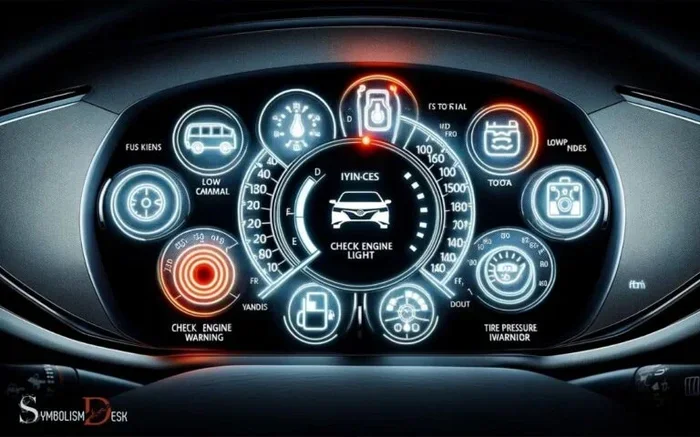
That little yellow engine-shaped icon on your dashboard can send a wave of panic through any driver. If you own a 2007 Toyota Camry and the check engine light just turned on, you are not alone. This is one of the most common dashboard warnings drivers face, and it does not always mean catastrophe. In fact, many causes are simple and inexpensive to fix. This guide shows you exactly how to reset the check engine light on a 2007 Toyota Camry using proven methods that work. We also cover what triggers the light, when to seek help, and how to prevent it from coming back.
The 2007 Toyota Camry is a reliable sedan that has earned a strong reputation over the years. However, even the best vehicles trigger warning lights from time to time. The check engine light is part of your car’s onboard diagnostics system. It monitors dozens of sensors and systems to keep your engine running efficiently. When something falls out of range, the light activates to alert you. Understanding this system is the first step toward handling it with confidence. Let us walk through everything you need to know about the check engine light reset process for your 2007 Toyota Camry.
Key Takeaways
- Multiple reset methods work: You can use an OBD-II scanner, disconnect the battery, or fix a loose gas cap to clear the light.
- Always read the trouble code first: Understanding what triggered the light helps you fix the real problem, not just the symptom.
- The 2007 Toyota Camry uses standard OBD-II protocols: This means most code readers and scanners are compatible with your vehicle.
- Some causes are simple and free to fix: A loose fuel cap or minor sensor glitch can trigger the light without any real engine damage.
- Driving with a flashing light is risky: A flashing check engine light signals a serious issue that needs immediate attention.
- Prevention saves money: Regular Toyota maintenance and timely repairs keep your engine running smoothly and avoid future warning lights.
📑 Table of Contents
- Why Does the Check Engine Light Come On?
- How to Reset the Check Engine Light on a 2007 Toyota Camry
- What to Do Before You Reset the Light
- Common Causes of the Check Engine Light on a 2007 Toyota Camry
- When to See a Mechanic
- Preventing Future Check Engine Light Issues
- Frequently Asked Questions About the Check Engine Light
- Final Thoughts on Resetting the Check Engine Light
Why Does the Check Engine Light Come On?
The check engine light is part of your vehicle’s emission control system. It connects to the Engine Control Unit, or ECU, which acts as your car’s brain. The ECU constantly monitors sensors throughout the engine and exhaust system. When a sensor detects a problem, it stores a diagnostic trouble code, or DTC. This code triggers the dashboard warning. Many drivers ignore the light, but that is never a good idea. Even a small issue can worsen over time and lead to expensive repairs.
Common Triggers for the Warning Light
Several things can cause the check engine light to activate on a 2007 Toyota Camry. Some triggers are minor, while others point to more serious problems. Here are the most common reasons:
- Loose or damaged gas cap: A loose fuel cap lets vapor escape from the tank. This disrupts the emission system and triggers the light. It is the simplest and most common cause.
- Faulty oxygen sensor: The O2 sensor measures unburned oxygen in the exhaust. A failing sensor reduces fuel efficiency and increases emissions.
- Catalytic converter issues: The catalytic converter reduces harmful emissions. When it fails, the check engine light comes on and performance suffers.
- Engine misfire: A misfire occurs when a cylinder fails to fire correctly. This sends unburned fuel into the exhaust system and can damage the catalytic converter.
- Mass airflow sensor failure: The MAF sensor measures the air entering the engine. A dirty or faulty sensor causes poor fuel economy and rough idling.
- Spark plug or ignition coil problems: Worn spark plugs or bad coils cause misfires and power loss.
- EVAP system leak: The evaporative emission control system captures fuel vapors. A leak in this system is a frequent trigger.
Serious vs. Minor Issues
Not every check engine light signals a disaster. A solid yellow light usually indicates a minor issue that you can address over time. However, a flashing check engine light is a different story entirely. A flashing light means the engine is misfiring severely, and unburned fuel is damaging the catalytic converter. If you see a flashing light, pull over safely and get your vehicle towed to a mechanic. Driving with a flashing warning light can cause catastrophic and costly damage to your engine and exhaust system.
How to Reset the Check Engine Light on a 2007 Toyota Camry
Now that you understand why the light comes on, let us get into the reset process. There are three main methods to reset the check engine light on a 2007 Toyota Camry. Each method has its advantages, and some work better depending on the situation. Before you start, make sure you have the right tools and a basic understanding of your vehicle. Always remember that resetting the light without fixing the underlying problem will only cause it to return.
Method 1: Using an OBD-II Scanner
An OBD-II scanner is the most reliable and professional way to reset the check engine light. OBD stands for On-Board Diagnostics. The 2007 Toyota Camry uses the standard OBD-II protocol, which means any compatible scanner will work. You can buy a basic code reader for under $30, or invest in a more advanced scanner with live data and freeze frame capabilities.
Here is how to use an OBD-II scanner to reset the light:
- Locate the OBD-II port: On the 2007 Toyota Camry, the port is under the dashboard on the driver side. It is near the steering column, below the fuse box cover.
- Plug in the scanner: Connect the OBD-II scanner to the port. The connector clicks into place securely.
- Turn the ignition to ON: Do not start the engine. Just turn the key to the ON position or press the start button without pressing the brake.
- Read the trouble codes: The scanner will display one or more diagnostic trouble codes. Write these down. They tell you exactly what triggered the light.
- Research the codes: Use the scanner manual or an online code lookup tool to understand what each code means. This helps you determine if the issue is minor or serious.
- Clear the codes: Navigate the scanner menu and select the option to clear or erase codes. The scanner will communicate with the ECU and reset the light.
- Turn off the ignition: Wait a few seconds, then turn the key off. Remove the scanner.
- Start the engine: Start the Camry and check if the warning light is off. If the problem is fixed, the light should stay off.
Using an OBD-II scanner is the best approach because it gives you actual data about what is wrong with your vehicle. You are not just masking a symptom; you are diagnosing the root cause. Many auto parts stores will read and clear codes for free if you do not want to buy a scanner.
Method 2: Disconnecting the Battery
Disconnecting the battery is a traditional method to reset the check engine light. This approach clears the ECU memory and resets all stored codes. However, it also erases other settings like your radio presets, clock, and power window calibration. Use this method only if you do not have access to an OBD-II scanner.
Here is how to disconnect the battery on a 2007 Toyota Camry:
- Turn off the engine: Make sure the Camry is completely off and the keys are removed from the ignition.
- Open the hood: Locate the battery. On the 2007 Camry, the battery is in the engine bay on the right side.
- Disconnect the negative terminal first: Use a 10mm wrench to loosen the nut on the negative cable. This is the black cable marked with a minus sign. Remove the cable from the battery terminal and tuck it away from the battery.
- Wait at least 15 minutes: This allows the ECU to fully discharge and clear all stored codes. Some people wait longer, but 15 minutes is usually sufficient.
- Reconnect the negative terminal: Place the cable back on the terminal and tighten the nut securely.
- Start the engine: The check engine light should be off after the ECU relearns its baseline settings.
Keep in mind that disconnecting the battery is a temporary fix. If the underlying problem still exists, the light will return within a few driving cycles. The ECU monitors your driving patterns and will re-detect the issue quickly.
Method 3: The Gas Cap Trick
This one is surprisingly effective and costs nothing. A loose or improperly sealed gas cap is the number one cause of the check engine light on the 2007 Toyota Camry. The fuel system relies on pressure to operate correctly. When the cap does not seal properly, fuel vapors escape, and the EVAP system throws a code.
Here is what to do:
- Turn off the engine: Park your Camry and let it sit for a few minutes.
- Remove the gas cap: Twist it counterclockwise and take it off.
- Inspect the cap: Check the rubber seal for cracks, dirt, or damage. Clean the seal with a damp cloth if needed.
- Reinstall the cap: Twist it clockwise until you hear three clicks. Do not overtighten, as this can damage the seal.
- Drive for a few days: The ECU will run a self-test over several driving cycles. If the cap was the issue, the light should turn off within three to five days.
If the light does not go off after a week of driving with a properly sealed cap, the problem is something else. In that case, use an OBD-II scanner to read the codes and move on to the next method.
What to Do Before You Reset the Light
Before you attempt any reset method, there are a few important steps to take. Skipping these steps can lead to wasted time and a light that keeps coming back. Preparation is key to a successful reset.
First, check your gas cap. This takes five seconds and solves the problem in many cases. Simply remove the cap, inspect it, and reseat it firmly. Second, note when the light came on. Did it happen after filling up with gas? After a long drive? After a cold start? This context helps narrow down the cause. Third, check for other symptoms. Is the engine running rough? Is there a noticeable loss of power? Any unusual sounds or smells? These details help a mechanic diagnose the problem faster if you need professional help.
Fourth, gather your tools. If you plan to use an OBD-II scanner, make sure it is charged and ready. If you plan to disconnect the battery, have a 10mm wrench and a memory saver device on hand. A memory saver preserves your ECU settings and prevents the need to reprogram radio stations and power windows after the battery reconnects.
Common Causes of the Check Engine Light on a 2007 Toyota Camry
Understanding the most common causes helps you troubleshoot more effectively. The 2007 Toyota Camry is a well-built vehicle, but certain issues appear more frequently than others. Here is a breakdown of the top culprits and what you can do about them.
| Issue | Severity | Typical Fix Cost | DIY Friendly? |
|---|---|---|---|
| Loose gas cap | Low | Free | Yes |
| Oxygen sensor failure | Medium | $100-$300 | Yes, with basic tools |
| Catalytic converter failure | High | $500-$1,500 | No, seek a mechanic |
| Engine misfire | Medium-High | $100-$400 | Partially |
| Mass airflow sensor | Medium | $100-$300 | Yes |
| EVAP system leak | Low-Medium | $50-$200 | Yes, for minor leaks |
| Spark plug wear | Low-Medium | $50-$150 | Yes |
The table above shows that many common issues are affordable and manageable. A loose gas cap costs nothing to fix. Spark plug replacement is a simple job anyone can do at home. Oxygen sensor and MAF sensor replacements are moderate repairs that require basic mechanical skills. However, catalytic converter problems are expensive and should always be handled by a qualified professional.
The Oxygen Sensor: A Frequent Culprit
The oxygen sensor is one of the most common reasons the check engine light comes on in a 2007 Toyota Camry. This sensor measures the amount of oxygen in the exhaust gas. It helps the ECU adjust the air-fuel mixture for optimal performance. When the sensor fails, the engine runs rich or lean, which reduces fuel economy and increases emissions. Replacing an O2 sensor is a straightforward job that most DIYers can complete in under an hour.
Spark Plugs and Ignition Coils
Worn spark plugs cause engine misfires, which trigger the check engine light. The 2007 Camry uses iridium spark plugs that last up to 100,000 miles, but they still need periodic replacement. If you notice rough idling, hesitation during acceleration, or reduced power, inspect your spark plugs first. Replacing them is inexpensive and can prevent more serious engine damage down the road.
When to See a Mechanic
While many check engine light issues are manageable at home, some situations require professional help. You should visit a mechanic if the check engine light is flashing, as this indicates a severe misfire that can damage the catalytic converter. You should also seek help if you notice any of the following symptoms alongside the warning light:
- Significant loss of power: If your Camry feels sluggish or struggles to accelerate, there may be a serious engine problem.
- Unusual noises: Knocking, pinging, or rattling sounds under the hood are never good signs.
- Smoke or strange odors: Black smoke from the exhaust or a sweet smell inside the cabin signals a problem that needs immediate attention.
- Multiple warning lights: If other dashboard warnings appear alongside the check engine light, the issue may be more complex.
- The light returns after resetting: If you reset the light and it comes back within a few days, the underlying problem has not been resolved.
A certified mechanic has access to advanced diagnostic tools and factory-level repair information. They can read freeze frame data, which shows the exact conditions when the code was triggered. This level of detail helps pinpoint the problem faster and more accurately than a basic code reader. For the 2007 Toyota Camry, a trusted Toyota dealership or independent shop with Camry experience is your best option.
Preventing Future Check Engine Light Issues
The best way to deal with the check engine light is to prevent it from coming back. Regular maintenance goes a long way toward keeping your 2007 Toyota Camry healthy and trouble-free. Follow these tips to reduce the chances of future warning lights:
- Replace spark plugs on schedule: Stick to the maintenance interval outlined in your owner manual. Fresh spark plugs promote clean combustion and prevent misfires.
- Use quality fuel: Fill up at reputable gas stations. Low-quality fuel can contain contaminants that damage sensors and clog the fuel system.
- Check the gas cap every time you refuel: Make sure it seals properly after each fill-up. Replace the cap if the rubber seal shows signs of wear or cracking.
- Perform regular oil changes: Clean oil keeps the engine lubricated and reduces the risk of internal wear that can trigger sensor codes.
- Address small issues promptly: Do not ignore minor symptoms like a slight rough idle or a subtle loss of power. Catching problems early prevents them from escalating.
- Keep up with scheduled maintenance: Follow the Toyota maintenance schedule for your 2007 Camry. Regular inspections catch potential problems before they trigger the check engine light.
- Use an OBD-II scanner periodically: Even when the light is off, a quick scan can reveal pending codes. Catching a problem early gives you time to fix it before it becomes serious.
Taking a proactive approach to vehicle maintenance saves you money and stress. A well-maintained 2007 Toyota Camry can easily surpass 200,000 miles with proper care. The check engine light is a valuable early warning system. Respect it, understand it, and respond to it promptly.
Frequently Asked Questions About the Check Engine Light
Many drivers have questions about the check engine light and how to handle it. Here are answers to the most common questions we hear about the 2007 Toyota Camry.
Can I drive my 2007 Toyota Camry with the check engine light on?
If the light is solid and not flashing, you can usually drive a short distance to a safe location or a nearby repair shop. However, you should not ignore it or drive long distances with the light on. A solid light indicates a problem that needs attention. Continuing to drive without addressing the issue can lead to increased emissions, reduced fuel economy, and potential damage to other components like the catalytic converter. If the light is flashing, pull over immediately and do not continue driving.
How much does it cost to reset the check engine light?
If you use an OBD-II scanner you already own, the reset is completely free. Many auto parts stores, such as AutoZone or O’Reilly, will read and clear codes for free as a courtesy. If you take your Camry to a mechanic for diagnosis and reset, expect to pay between $50 and $150 for the diagnostic fee alone. The actual repair cost depends entirely on what triggered the light in the first place.
Will the check engine light reset itself after the problem is fixed?
Yes, but it takes some time. After you fix the underlying issue, the ECU runs through several driving cycles to verify the repair. A driving cycle typically involves a combination of cold starts, highway driving, and city driving over the course of a few days. Once the ECU confirms the problem is resolved, it will turn off the check engine light automatically. If the light does not go off after a week of normal driving, use an OBD-II scanner to clear any remaining codes.
What does a flashing check engine light mean on a 2007 Toyota Camry?
A flashing check engine light is a serious warning that indicates an active engine misfire. When the engine misfires, unburned fuel enters the exhaust system and can overheat and damage the catalytic converter. This type of damage is expensive to repair and can be avoided by addressing the issue immediately. If you see a flashing light, reduce your speed, avoid heavy acceleration, and get your vehicle to a mechanic as soon as possible.
Can a bad gas cap cause the check engine light to come on?
Absolutely. A loose, damaged, or missing gas cap is the single most common reason the check engine light activates on a 2007 Toyota Camry. The fuel system relies on a sealed tank to maintain proper pressure. When the cap does not seal correctly, fuel vapors escape, and the EVAP system detects a leak. This triggers a diagnostic trouble code and illuminates the dashboard warning. Always check your gas cap first when the light comes on. It takes only a few seconds and could save you a trip to the mechanic.
How many driving cycles does it take for the check engine light to reset?
Most vehicles, including the 2007 Toyota Camry, require three to five complete driving cycles for the ECU to re-evaluate all monitored systems. A driving cycle typically includes a cold start, idle time, low-speed city driving, and highway driving at moderate speeds. After the ECU completes these cycles without detecting any new trouble codes, it will turn off the check engine light. If you use an OBD-II scanner to clear codes, the ECU will begin its monitoring cycles immediately after the reset.
Final Thoughts on Resetting the Check Engine Light
Dealing with the check engine light on your 2007 Toyota Camry does not have to be stressful. With the right knowledge and tools, you can handle most situations confidently at home. Whether you use an OBD-II scanner, disconnect the battery, or simply tighten the gas cap, the key is to understand what triggered the light in the first place. Resetting the light without addressing the root cause is only a temporary fix. Always diagnose the problem first, then apply the appropriate repair. Your 2007 Toyota Camry is a durable and reliable vehicle that rewards proper care and attention. Stay proactive with maintenance, respond quickly to warning lights, and your Camry will serve you well for many miles to come.
Remember, the check engine light is your vehicle’s way of communicating with you. It is not something to fear but something to understand and respect. Take the time to learn your Camry’s systems, keep basic tools on hand, and do not hesitate to seek professional help when needed. A well-maintained vehicle is a safe, efficient, and enjoyable vehicle. Now you have the knowledge to reset the check engine light and keep your 2007 Toyota Camry running at its best.