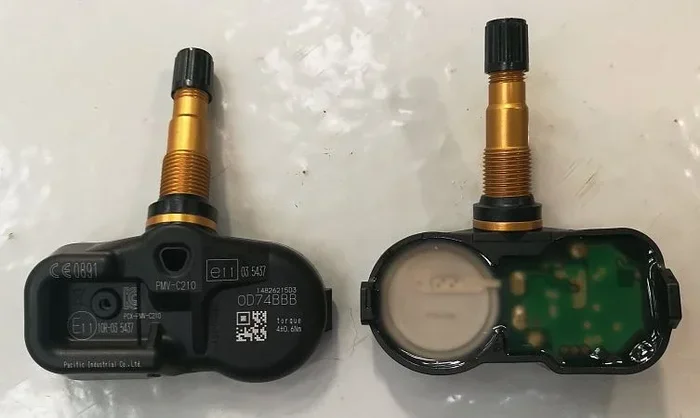
How Long Do Toyota TPMS Sensors Last and When to Replace
Toyota TPMS sensors typically last between 5 and 10 years, depending on driving habits, road conditions, and battery life. Most drivers will need to replace their tire pressure monitoring system sensors once during the life of their vehicle. Understanding when and why these sensors fail can save you time, money, and keep your Toyota running safely on the road.
Your Toyota comes packed with smart safety features, and the tire pressure monitoring system is one of the most important ones. It keeps an eye on your tire pressure at all times and alerts you when something is off. But like any electronic component, Toyota TPMS sensors don’t last forever. So how long do Toyota TPMS sensors actually last, and when should you replace them?
The short answer is that most Toyota TPMS sensors last between 5 and 10 years. However, the exact lifespan depends on several factors like driving conditions, battery health, and how well you maintain your tires. In this guide, we will walk you through everything you need to know about TPMS sensor life, replacement signs, costs, and tips to get the most out of your sensors.
Whether you drive a Toyota Camry, RAV4, Tacoma, or any other model, this article will help you stay ahead of tire pressure issues. We will break down the technical details in simple terms so you can make informed decisions without needing a mechanic to translate. Let us dive in.
Key Takeaways
- Average Lifespan: Toyota TPMS sensors generally last 5 to 10 years or around 100,000 miles.
- Battery Driven: The sensor battery is non-replaceable and determines the overall sensor life.
- Warning Signs: A flashing dashboard light, low battery alerts, and inaccurate readings signal replacement time.
- Replacement Cost: Expect to pay between $50 and $250 per sensor, plus labor.
- Maintenance Matters: Regular tire pressure checks and proper valve stem care can extend sensor life.
- DIY vs. Professional: Some replacements are DIY-friendly, but professional installation ensures proper programming.
- Model Variations: Different Toyota models may use direct or indirect TPMS systems.
📑 Table of Contents
- What Is a Toyota TPMS Sensor and How Does It Work?
- How Long Do Toyota TPMS Sensors Last?
- Signs That Your Toyota TPMS Sensor Needs Replacement
- Toyota TPMS Sensor Replacement Cost
- Can You Replace TPMS Sensors Yourself?
- How to Extend the Life of Your Toyota TPMS Sensors
- Common Mistakes Toyota Owners Make With TPMS Sensors
- When to Replace Toyota TPMS Sensors: A Timeline
What Is a Toyota TPMS Sensor and How Does It Work?
Before we talk about lifespan, it helps to understand what the TPMS sensor actually does. TPMS stands for Tire Pressure Monitoring System. It is a small electronic device mounted inside each tire that measures air pressure in real time.
There are two types of TPMS systems used in Toyota vehicles. The first is direct TPMS, which uses a physical sensor inside the tire. The second is indirect TPMS, which relies on the wheel speed sensors already present in your anti-lock braking system. Most modern Toyota models use direct TPMS because it provides more accurate readings.
Here is how a direct TPMS sensor works in simple terms. The sensor sits inside the tire on the valve stem. It measures the air pressure and sends a wireless signal to your Toyota’s computer. If the pressure drops below the recommended level, the Toyota dashboard warning light illuminates. This entire process happens automatically while you drive.
Types of TPMS Sensors in Toyota Vehicles
Different Toyota models use different TPMS sensor brands and designs. Some common sensor types include OEM sensors from the manufacturer and aftermarket TPMS sensors from third-party suppliers. OEM sensors are designed specifically for your Toyota model, while aftermarket options can be more affordable.
Some Toyota models use multi-function sensors that combine the tire pressure sensor with the valve stem. These integrated designs are more convenient but can be harder to replace. Knowing which type your vehicle uses is the first step in understanding its lifespan.
How Long Do Toyota TPMS Sensors Last?
This is the question most Toyota owners ask, and the answer is not as simple as a single number. The average lifespan of a Toyota TPMS sensor ranges from 5 to 10 years. However, some sensors can last longer with proper care, while others may fail earlier due to harsh conditions.
The biggest factor that determines how long your TPMS sensor lasts is the built-in battery. Every TPMS sensor has a small battery inside that powers the pressure measurement and wireless transmission. Unfortunately, this battery is not user-replaceable. Once the battery dies, the entire sensor needs to be replaced.
Average Sensor Lifespan by Toyota Model
Different Toyota models may experience slightly different sensor lifespans based on driving conditions and sensor design. Here is a general breakdown.
- Toyota Camry: TPMS sensors typically last 6 to 10 years.
- Toyota RAV4: Sensors usually last 5 to 8 years depending on driving terrain.
- Toyota Tacoma: Rough terrain can reduce sensor life to 5 to 7 years.
- Toyota Corolla: Generally lasts 7 to 10 years under normal conditions.
- Toyota Highlander: Average lifespan of 6 to 9 years.
- Toyota 4Runner: Off-road use may shorten sensor life to 5 to 7 years.
Factors That Affect TPMS Sensor Lifespan
Several factors influence how long your Toyota TPMS sensors will last. Understanding these can help you take steps to extend their life.
Battery Age: The sensor battery is the primary limiting factor. Most TPMS batteries last between 5 and 10 years. After that, the signal weakens and eventually stops working.
Driving Conditions: If you frequently drive on rough roads, through potholes, or in extreme temperatures, your sensors will experience more wear and tear. Cold weather can also reduce battery efficiency.
Valve Stem Condition: The valve stem holds the sensor in place. If the stem corrodes or becomes damaged, the sensor may lose accuracy or fall out entirely. Rubber valve stems degrade faster than metal ones.
Tire Maintenance: Regular tire rotation and proper inflation reduce stress on the sensors. Tires that are consistently underinflated put extra strain on the sensor components.
Road Salt and Chemicals: If you live in an area that uses road salt in winter, the corrosive chemicals can damage the sensor and valve stem over time.
Signs That Your Toyota TPMS Sensor Needs Replacement
Knowing the warning signs of a failing TPMS sensor can prevent a dangerous situation on the road. Do not ignore these signals. They are your Toyota’s way of telling you something needs attention.
Dashboard Warning Light: The most obvious sign is the tire pressure warning light on your Toyota dashboard. If it stays on after you start the car, the TPMS sensor may be malfunctioning. A flashing light often indicates a sensor battery issue.
Inaccurate Pressure Readings: If your tire pressure readings seem off or inconsistent between tires, a sensor may be failing. For example, one tire might show 32 PSI while the others show normal levels even though all tires are the same.
Low Battery Alert: Some Toyota models display a specific TPMS battery low message. This is a clear indicator that the sensor battery is dying and replacement is near.
Intermittent Warning Light: If the warning light comes and goes randomly, the sensor might be sending weak signals due to a dying battery or internal damage.
Failed TPMS Reset: After inflating your tires to the correct pressure, if the warning light does not turn off, the sensor itself may be the problem rather than the tire pressure.
How to Test Your TPMS Sensor
You can test your TPMS sensor using a few simple methods. First, check the tire pressure manually with a reliable gauge and compare it to the reading on your dashboard. If there is a significant difference, the sensor may need recalibration or replacement.
Second, use a TPMS diagnostic tool. These tools are available at most auto parts stores and can read the sensor status directly. They will tell you if the battery is low or if the sensor is not transmitting properly.
Third, visit a Toyota dealership or qualified mechanic. They have professional-grade equipment that can test each sensor individually and confirm whether replacement is needed.
Toyota TPMS Sensor Replacement Cost
Understanding the cost of replacing a TPMS sensor helps you plan your maintenance budget. The price varies based on the type of sensor, your Toyota model, and whether you choose OEM or aftermarket parts.
On average, a single Toyota TPMS sensor replacement costs between $50 and $250 for the part alone. Labor costs typically range from $20 to $50 per sensor. So for all four tires, you could pay anywhere from $280 to $1,200 total.
OEM vs Aftermarket TPMS Sensors
OEM sensors are made by Toyota or the original sensor manufacturer. They are designed to fit perfectly and program seamlessly with your Toyota’s computer system. The downside is that they cost more, usually between $75 and $250 per sensor.
Aftermarket TPMS sensors are produced by third-party manufacturers. They are more affordable, often ranging from $25 to $100 per sensor. However, some aftermarket sensors may require additional programming or may not integrate as smoothly with your vehicle’s system.
| Factor | OEM Sensor | Aftermarket Sensor |
|---|---|---|
| Price per Sensor | $75 – $250 | $25 – $100 |
| Compatibility | Plug and play | May need programming |
| Warranty | Typically 1-2 years | Varies by brand |
| Battery Life | 5-10 years | 5-8 years |
| Signal Quality | Excellent | Good to excellent |
When choosing between OEM and aftermarket, consider your budget and how long you plan to keep the vehicle. If you are keeping your Toyota for many years, OEM sensors may offer better long-term reliability.
Can You Replace TPMS Sensors Yourself?
Some Toyota owners prefer a DIY approach to save on labor costs. The good news is that replacing a TPMS sensor is possible at home if you have the right tools and a bit of mechanical know-how.
You will need a TPMS sensor wrench, a tire iron, and a TPMS programming tool or relearn procedure for your specific Toyota model. The process involves removing the tire, taking out the old sensor, installing the new one, and then reprogramming it to your vehicle’s system.
However, there are some challenges. Programming the new sensor correctly can be tricky, especially if your Toyota uses a specific relearn procedure. If the sensor is not programmed properly, the dashboard warning light may stay on even after replacement.
For most drivers, having a professional handle the TPMS sensor replacement is the safer and more convenient option. A Toyota dealership or certified mechanic will have the right diagnostic tools and expertise to ensure everything works correctly the first time.
Quick Tips for DIY TPMS Replacement
- Always buy the correct sensor for your Toyota model and year.
- Keep the old sensor until the new one is fully programmed.
- Use a TPMS relearn tool or follow the procedure in your owner’s manual.
- Check the valve stem for damage before installing the new sensor.
- Test all four sensors after installation to confirm proper operation.
How to Extend the Life of Your Toyota TPMS Sensors
While you cannot make a TPMS sensor battery last forever, you can take steps to maximize its lifespan. Simple maintenance habits go a long way in protecting your sensors.
Check Tire Pressure Regularly: Keeping your tires properly inflated reduces the workload on the TPMS sensor. Underinflated tires cause the sensor to work harder to detect and report pressure changes.
Clean the Valve Stems: Dirt and debris can accumulate around the valve stem and sensor. Wipe them down regularly with a damp cloth to prevent corrosion.
Avoid Harsh Impacts: Potholes, speed bumps, and rough terrain can jostle the sensor and damage the valve stem. Drive carefully, especially on unpaved roads.
Use Metal Valve Stems: If your Toyota currently has rubber valve stems, consider upgrading to metal ones. Metal stems are more durable and resist corrosion better than rubber.
Replace Sensors in Pairs: When one sensor fails, it is often a good idea to replace sensors in pairs, especially on the same axle. This ensures consistent readings and reduces the chance of future issues.
Use a TPMS Service Kit: A TPMS service kit includes new valve stems, seals, and caps. Replacing these components during sensor installation helps prevent air leaks and corrosion.
Expert Insight: The Hidden Cost of Ignoring TPMS
Ignoring a failing TPMS sensor can lead to bigger problems down the road. Underinflated tires wear out faster, reduce fuel efficiency, and increase the risk of a blowout. A properly functioning tire pressure monitoring system is not just a convenience, it is a safety feature that protects you and your passengers.
According to the National Highway Traffic Safety Administration, tire-related crashes account for thousands of accidents each year. A working TPMS sensor is one of the simplest ways to reduce your risk. Do not wait for the warning light to become a serious safety issue.
Common Mistakes Toyota Owners Make With TPMS Sensors
Even the best Toyota owners can make mistakes when it comes to TPMS sensor maintenance. Here are some common errors to avoid.
Ignoring the Warning Light: Some drivers see the TPMS light and assume it is a false alarm. While it could be a temporary issue, ignoring it consistently can lead to undetected low tire pressure and dangerous driving conditions.
Replacing Only One Sensor: If one sensor fails, the others may be close to the end of their lifespan too. Replacing all four sensors at once can save you time and money in the long run.
Using the Wrong Sensor: Not all TPMS sensors are universal. Using the wrong sensor for your Toyota model can cause compatibility issues and error codes.
Skipping the Relearn Procedure: After replacing a sensor, you must reprogram it to your vehicle. Skipping this step means the new sensor will not communicate with your Toyota’s computer.
Confusing TPMS with Tire Pressure Gauge: The TPMS system is a monitoring tool, not a replacement for regular manual tire pressure checks. Use both for the best results.
When to Replace Toyota TPMS Sensors: A Timeline
Creating a replacement timeline helps you stay proactive rather than reactive. Here is a general guideline to follow for your Toyota TPMS sensors.
Year 1 to Year 5: Your sensors are in their prime. No replacement is needed during this period unless you experience physical damage or a rare manufacturing defect.
Year 5 to Year 7: Start paying closer attention to sensor performance. Check battery levels if your Toyota provides that information. This is a good time to budget for potential replacement.
Year 7 to Year 10: Sensors are approaching the end of their expected life. If you notice any warning signs, schedule a replacement soon rather than waiting for a complete failure.
Year 10 and Beyond: It is highly likely that at least one sensor will need replacement. Consider replacing all sensors at this point to ensure consistent performance across all four tires.
Key Takeaways
- Lifespan Range: Toyota TPMS sensors last 5 to 10 years on average.
- Battery Is Key: The non-replaceable battery determines the sensor’s overall life.
- Watch for Warning Signs: Dashboard lights, inaccurate readings, and low battery alerts are your cues to act.
- Cost Varies: Expect $50 to $250 per sensor, plus labor costs.
- Maintenance Helps: Regular tire care and valve stem maintenance can extend sensor life.
- Professional Help Is Worth It: While DIY is possible, professional installation ensures proper programming and reliability.
Your Toyota TPMS sensors work quietly in the background to keep you safe. They are small components, but they play a big role in maintaining proper tire pressure and overall vehicle safety. By understanding how long Toyota TPMS sensors last and recognizing the signs of failure, you can stay ahead of problems and avoid costly repairs.
Keep up with regular tire maintenance, watch your dashboard for warning lights, and replace your sensors on a reasonable timeline. These simple steps will help your Toyota perform at its best for years to come. A little attention to your TPMS system today can save you from bigger headaches tomorrow.
Stay proactive, stay safe, and make sure your Toyota TPMS sensors are always doing their job. Your tires and your wallet will thank you.
Frequently Asked Questions
How do I know if my Toyota TPMS sensor battery is dying?
Most Toyota models do not have a user-replaceable battery, so when the battery dies, the entire sensor must be replaced. Signs of a dying battery include a flashing TPMS warning light, intermittent warning messages, and a specific low battery alert on the dashboard. A TPMS diagnostic tool can also read the sensor battery status directly.
Can I drive my Toyota with a broken TPMS sensor?
You can drive with a broken TPMS sensor, but it is not recommended. The TPMS system is a safety feature that alerts you to low tire pressure, which can lead to blowouts or reduced fuel efficiency. Have the sensor replaced as soon as possible to keep your vehicle safe and roadworthy.
Does replacing TPMS sensors require resetting the system?
Yes, after replacing any TPMS sensor, you need to perform a relearn procedure. This teaches your Toyota’s computer to recognize the new sensor. The process varies by model but usually involves using a TPMS relearn tool or following steps in the owner’s manual.
Are aftermarket TPMS sensors as good as OEM sensors for Toyota?
Aftermarket TPMS sensors can work just as well as OEM sensors, but quality varies by brand. Reputable aftermarket brands offer reliable performance at a lower price. Always check compatibility with your specific Toyota model before purchasing an aftermarket sensor.
How much does it cost to replace all four Toyota TPMS sensors?
Replacing all four TPMS sensors typically costs between $280 and $1,200 total, depending on whether you choose OEM or aftermarket sensors. This includes both the sensor cost and labor charges. Toyota dealerships may charge more, while independent mechanics often offer competitive rates.
Can cold weather affect my Toyota TPMS sensor readings?
Yes, cold weather can temporarily affect TPMS readings because air pressure inside tires decreases in cold temperatures. This may trigger the TPMS warning light even when tire pressure is normal. If the light stays on after warming up, the sensor itself may have an issue that needs attention.
=== CONCLUSION ===
Understanding how long Toyota TPMS sensors last and when to replace them is essential for every Toyota owner. With an average lifespan of 5 to 10 years, your TPMS sensors will likely need replacement at least once during your vehicle ownership. Watch for the warning signs, budget for replacement costs, and stay on top of tire maintenance to get the most out of your sensors.
Your Toyota TPMS sensor is a small but vital component of your vehicle’s safety system. Treat it with care, replace it when needed, and it will keep you and your family safe on every journey. Do not wait for the warning light to become a serious problem, act early and stay ahead of tire pressure issues.