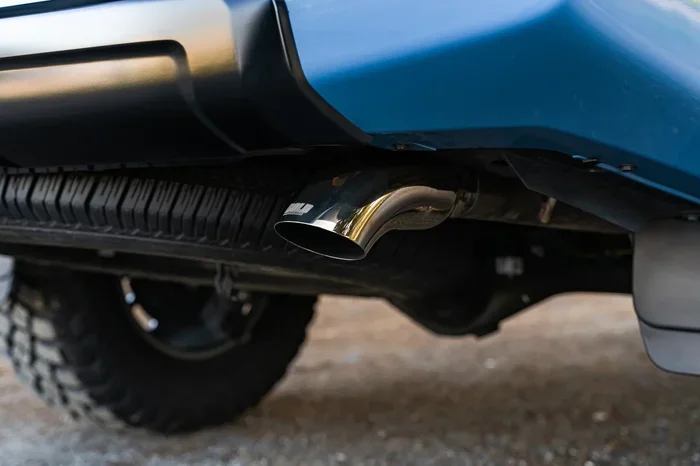
How Many Catalytic Converters Are in a Toyota 4Runner
The Toyota 4Runner catalytic converter system is simple: most models have two catalytic converters, one for each exhaust bank of the V6 engine. This guide breaks down the exact count, replacement costs, and warning signs so you can protect your investment. You’ll learn everything from symptoms of a failing converter to anti-theft tips.
If you own or are thinking about buying a Toyota 4Runner, you might wonder about the exhaust system. One common question is: how many catalytic converters does this truck have? The answer is more straightforward than you might think. Most Toyota 4Runner models come with two catalytic converters. This setup helps the V6 engine meet emissions standards while delivering strong performance. In this guide, I’ll walk you through the exact count, why it matters, and what to do if something goes wrong.
Knowing the number of catalytic converters in your 4Runner helps with maintenance and repair planning. Whether you’re dealing with a check engine light or shopping for a replacement, this article covers it all. I’ll share real-world examples, cost breakdowns, and practical tips. By the end, you’ll feel confident about your 4Runner’s exhaust system.
The Toyota 4Runner catalytic converter system is part of a larger emissions control network. It works hand-in-hand with the oxygen sensors, engine control unit, and exhaust manifold. Together, these components clean up harmful gases before they leave the tailpipe. Understanding this setup makes it easier to spot problems early and avoid costly repairs.
Key Takeaways
- Two Converters Standard: Nearly every Toyota 4Runner has two catalytic converters due to its V6 engine layout.
- Replacement Cost: Expect to pay $1,200 to $2,500 for parts and labor, depending on the model year.
- Theft Risk: 4Runners are frequent targets for catalytic converter theft because of the high precious metal content.
- Symptoms of Failure: Watch for a check engine light, rotten egg exhaust smell, and reduced fuel efficiency.
- OEM vs Aftermarket: OEM converters last longer but cost more; aftermarket options are cheaper but may trigger error codes.
- Maintenance Matters: Regular exhaust system checks and using quality fuel can extend converter life.
📑 Table of Contents
- How Many Catalytic Converters Does a Toyota 4Runner Have?
- Why Does the 4Runner Use Two Catalytic Converters?
- Signs Your Toyota 4Runner Catalytic Converter Is Failing
- Catalytic Converter Replacement Cost for Toyota 4Runner
- Protecting Your 4Runner from Catalytic Converter Theft
- Maintenance Tips to Extend Converter Life
- Final Thoughts on Your Toyota 4Runner Catalytic Converter
How Many Catalytic Converters Does a Toyota 4Runner Have?
The short answer is two. Almost every Toyota 4Runner built since the mid-1990s uses a V6 engine. A V6 engine has two exhaust banks, and each bank needs its own catalytic converter to treat exhaust gases properly. So, you’ll find one converter on the driver’s side and one on the passenger side. This dual-converter design is standard across the 4Runner lineup, from the 2003 Toyota 4Runner to the latest 2024 models.
The Standard Setup: Two Catalytic Converters
In a typical 4Runner exhaust system, the engine’s exhaust manifold feeds into two separate exhaust pipes. Each pipe routes to a catalytic converter. After the converters, the pipes merge into a single muffler and tailpipe. This arrangement is called a twin exhaust system. It balances the flow of exhaust gases and reduces back pressure. The Toyota 4Runner catalytic converter setup ensures that emissions are cleaned efficiently before exiting the vehicle.
Here’s a simple breakdown of the flow:
- Exhaust manifold collects gases from the engine cylinders.
- Two separate pipes carry gases to the left and right catalytic converters.
- Each converter uses a honeycomb ceramic substrate coated with platinum, palladium, and rhodium.
- Treated gases then flow into a single pipe leading to the muffler.
- Finally, clean exhaust exits through the tailpipe.
This design is not unique to the 4Runner. Many modern V6 trucks use the same twin-converter approach. The key benefit is that each converter handles a lighter load of exhaust gases. That means they run cooler and last longer. It also keeps the Toyota 4Runner catalytic converter replacement cost more manageable because you only replace one unit at a time if needed.
Exceptions and Older Models
Are there any 4Runners with just one catalytic converter? In rare cases, some early 1990s models or certain international market variants might have had a single converter. However, for the vast majority of US-spec 4Runners, the answer is two. The 2003 Toyota 4Runner and 2010 Toyota 4Runner both use the twin-converter layout. Even the newer 2025 Toyota 4Runner with the twin-turbo V6 will likely maintain this setup. If you ever doubt your specific model, check the exhaust pipes under the truck. You’ll see two converter housings near the middle of the vehicle.
Some enthusiasts install aftermarket exhaust systems that change the muffler or tailpipe. But the catalytic converters themselves almost always remain in the stock locations. Removing or gutting a converter is illegal for street use and will cause your 4Runner to fail emissions inspections.
Why Does the 4Runner Use Two Catalytic Converters?
The 4Runner’s V6 engine needs two converters to handle the exhaust flow effectively. Each bank of three cylinders produces exhaust pulses that need treatment. A single converter would create too much back pressure, hurting engine performance. The twin-converter design keeps exhaust flow smooth and maintains fuel efficiency. This setup also helps the 4Runner meet strict EPA emissions standards across all model years.
How a Catalytic Converter Works
A catalytic converter is part of the exhaust system that reduces harmful emissions. Inside, a ceramic honeycomb structure is coated with precious metals. When hot exhaust gases pass through, these metals trigger chemical reactions. Carbon monoxide becomes carbon dioxide, and unburned hydrocarbons turn into water vapor and carbon dioxide. The converter also reduces nitrogen oxides into harmless nitrogen and oxygen. Without this process, your 4Runner would pollute much more and might fail emissions inspections.
The catalytic converter function is simple but vital. It acts like a chemical reactor. The honeycomb substrate provides a huge surface area for the reactions to occur. The precious metals—platinum, palladium, and rhodium—act as catalysts. They speed up the chemical changes without being consumed themselves. That’s why a good converter can last over 100,000 miles with proper care.
The Role of the Oxygen Sensor
Modern 4Runners rely on oxygen sensors to monitor the exhaust gases after the catalytic converter. These sensors send data to the engine control unit (ECU). The ECU then adjusts the air-fuel mixture for optimal combustion. If a converter degrades, the oxygen sensor detects the change and often triggers a check engine light. This feedback loop is crucial for maintaining fuel efficiency and lowering exhaust fumes.
A failing oxygen sensor can also mimic converter problems. For example, a rich air-fuel mixture will send unburned fuel into the converter. This can overheat and damage the substrate. So, when you see a check engine light, it’s smart to check both the oxygen sensors and the catalytic converter. Many auto parts stores will read the error codes for free.
Signs Your Toyota 4Runner Catalytic Converter Is Failing
A failing catalytic converter can cause a range of problems. Catching the issue early saves you from costly repairs. Here are the most common symptoms to watch for in your 4Runner.
Common Symptoms to Watch For
- Check Engine Light: This is the most common warning. A faulty converter often triggers error codes like P0420 or P0430, which indicate catalyst system efficiency below threshold.
- Rotten Egg Smell: A healthy converter turns sulfur into odorless sulfur dioxide. A failing converter lets that rotten egg smell from exhaust fumes escape.
- Reduced Fuel Efficiency: If your 4Runner’s gas mileage drops suddenly, a clogged converter might be restricting exhaust flow.
- Rattling Noise: A damaged converter can break apart internally, causing a rattling sound that gets louder when you start the engine.
- Poor Acceleration: You might feel a loss of power, especially when climbing hills. Back pressure from a blocked converter chokes the engine.
If you notice any of these signs, get your 4Runner inspected soon. Driving with a bad converter can damage the oxygen sensor or even the engine itself. Ignoring the problem can turn a $1,500 repair into a $3,000 engine job.
Quick Diagnostic Tips
You can do a few simple checks at home. First, listen for a rattling noise when you start the cold engine. Second, sniff the exhaust fumes during a cold start. A strong sulfur smell after the engine warms up can point to converter issues. Third, pay attention to your fuel economy. A sudden drop of 3-5 miles per gallon often signals a restriction in the exhaust system.
For a more thorough check, have a friend rev the engine while you look underneath. A healthy converter should not glow red. If you see a red glow, the converter is severely overheating and needs immediate attention. This is a clear sign of substrate meltdown, which means the converter is beyond repair.
Catalytic Converter Replacement Cost for Toyota 4Runner
Replacing a Toyota 4Runner catalytic converter is not cheap, but it’s necessary for passing emissions tests and keeping the truck running right. The cost varies based on the model year, whether you choose OEM or aftermarket parts, and labor rates in your area. Let’s break down the numbers.
OEM vs Aftermarket Options
OEM converters are made by the same supplier that provides parts to Toyota. They match the original specifications exactly and usually come with a warranty. Aftermarket converters are made by third-party manufacturers and cost less. However, some aftermarket units may not fit perfectly or could trigger a check engine light. Below is a quick comparison of what you might expect to pay.
| Converter Type | Part Cost (per unit) | Labor Cost | Total for Two Converters |
|---|---|---|---|
| OEM Toyota 4Runner Catalytic Converter | $600 – $900 | $200 – $400 | $1,600 – $2,600 |
| Aftermarket Catalytic Converter (Direct Fit) | $300 – $500 | $200 – $400 | $1,000 – $1,800 |
| Universal Fit Aftermarket (Requires Welding) | $150 – $300 | $300 – $500 | $900 – $1,600 |
As you can see, the catalytic converter price for a 4Runner can add up quickly. I always recommend going with OEM or high-quality direct-fit aftermarket parts for reliability. The catalytic converter lifespan on a well-maintained 4Runner can reach 100,000 miles or more. Cheap universal converters might save money upfront but often fail within a few years.
Why Labor Costs Add Up
Replacing a 4Runner catalytic converter requires lifting the truck and accessing the exhaust system from underneath. The converters are often located near the transmission and exhaust manifold, which can be tight spaces. A mechanic needs to unbolt the old converters, install new gaskets, and secure the new units. On some model years, you might also need to replace the oxygen sensors at the same time. That’s why labor can take two to four hours.
If you’re handy with tools, you can save on labor by doing the job yourself. However, the converters are often rusted in place after years of exposure to road salt and moisture. Penetrating oil and patience are your best friends. Always use a torque wrench to tighten the bolts to factory specs. Over-tightening can crack the exhaust manifold or the converter housing.
Protecting Your 4Runner from Catalytic Converter Theft
Catalytic converter theft has surged in recent years. The precious metals inside—platinum, palladium, and rhodium—make them valuable targets. Toyota 4Runners are unfortunately a common target because the converters are easy to access and the truck sits high, making undercarriage work simple for thieves.
Why 4Runners Are Targeted
The 4Runner’s high ground clearance means thieves don’t need to jack the vehicle up as much. They can slide under and cut the converter with a reciprocating saw in minutes. The V6 engine’s dual converters also mean more valuable metal per theft. If you park your 4Runner in a driveway or lot frequently, you should consider protective measures.
Here are some steps to reduce your risk:
- Install a catalytic converter anti-theft shield or cage.
- Engrave your vehicle identification number (VIN) on the converter shell.
- Park in well-lit areas or garages whenever possible.
- Consider a motion-activated alarm that detects underbody tampering.
- Ask your dealer about Toyota’s original anti-theft hardware for the 4Runner.
Some insurance policies cover catalytic converter theft, but the deductible can be high. The best defense is prevention. A simple shield costs a few hundred dollars and can save you thousands in replacement costs and the hassle of being without your truck.
Maintenance Tips to Extend Converter Life
Your Toyota 4Runner catalytic converter can last a long time with proper care. Simple maintenance habits keep the exhaust system healthy and prevent premature failure. Here are the best practices I recommend.
Quick Tips for Longevity
- Use Quality Fuel: Low-octane or contaminated fuel can cause engine misfires. Unburned fuel can enter the converter and overheat it, melting the substrate.
- Fix Engine Misfires Promptly: A misfiring cylinder sends raw fuel into the exhaust. This raw fuel can clog the converter and cause heat damage.
- Check the Oxygen Sensor Regularly: A failing sensor can cause the engine to run rich or lean, stressing the converter. Replace sensors at factory-recommended intervals.
- Avoid Short Trips: The converter needs time to reach operating temperature. Frequent short trips can cause moisture buildup and clogging.
- Inspect the Exhaust System Annually: Look for rust, holes, or loose hangers. A damaged exhaust pipe can allow oxygen to enter the system and confuse the sensors.
Common Mistakes to Avoid
Many owners unknowingly shorten the life of their catalytic converter. One common mistake is ignoring a check engine light. Another is using aftermarket exhaust systems that aren’t properly tuned for the 4Runner’s emissions setup. Some people add fuel additives that claim to clean the converter, but these often do more harm than good. Stick to regular maintenance and genuine Toyota parts when possible.
Another mistake is assuming a new converter will fix all exhaust problems. If the root cause was a rich fuel mixture or a misfire, the new converter will fail quickly. Always diagnose the underlying issue first. A mechanic should check the spark plugs, fuel injectors, and oxygen sensors before installing a new converter.
Final Thoughts on Your Toyota 4Runner Catalytic Converter
Understanding how many catalytic converters are in a Toyota 4Runner is the first step toward better truck ownership. With two converters handling the exhaust from the V6 engine, your 4Runner stays clean and efficient. Whether you’re dealing with a replacement, a theft scare, or just routine maintenance, this knowledge empowers you to make smart decisions. Keep an eye on those warning signs, invest in quality parts, and your 4Runner will serve you well for hundreds of thousands of miles.
The Toyota 4Runner catalytic converter system is a reliable design that balances performance and emissions control. By staying proactive with maintenance and theft prevention, you protect both your truck and your wallet. Share this guide with a fellow 4Runner owner who might be facing converter issues. A little knowledge goes a long way in keeping these legendary trucks on the road.
Frequently Asked Questions
How many catalytic converters does a 2010 Toyota 4Runner have?
The 2010 Toyota 4Runner has two catalytic converters, just like all other V6-powered 4Runner models. Each exhaust bank has its own converter to treat emissions properly.
Can a Toyota 4Runner run with only one catalytic converter?
Technically, a 4Runner can run with a missing converter, but it will fail emissions tests and likely trigger a check engine light. The engine control unit expects data from both oxygen sensors, and a missing converter will cause poor performance and increased exhaust fumes.
What is the average catalytic converter replacement cost for a 4Runner?
Expect to pay between $1,000 and $2,600 for both converters, including parts and labor. OEM parts cost more but offer better durability and warranty coverage. Aftermarket options can save you money upfront but may require more frequent replacement.
Why are Toyota 4Runner catalytic converters stolen so often?
4Runners sit high off the ground, making the undercarriage easy to access. The dual converters contain a significant amount of precious metals like platinum and rhodium. Thieves can remove them quickly with a saw, and the high resale value makes them attractive targets.
How can I tell if my 4Runner catalytic converter is failing?
Look for a check engine light, a rotten egg smell from the exhaust, reduced fuel efficiency, or a rattling noise under the truck. These symptoms often point to a clogged or damaged converter that needs inspection.
Does the 2025 Toyota 4Runner still use two catalytic converters?
Yes, the new 2025 Toyota 4Runner with the twin-turbo V6 engine continues the twin-converter setup. This design ensures proper emissions control and exhaust flow for the powerful engine.
=== CONCLUSION ===
In summary, the Toyota 4Runner catalytic converter system is a dual setup with two converters, one for each bank of the V6 engine. This design optimizes emissions control, fuel efficiency, and engine performance. Whether you’re facing a replacement, a theft scare, or just routine maintenance, knowing the layout helps you take action. I’ve covered the cost, symptoms, and protection tips you need. Apply these insights to keep your 4Runner running strong and clean for years to come.